
Storm Could Be Brewing for Officials Across India as CJP Turns Focus to Govt Schools
For the Editor’s Desk
August 14, 2026
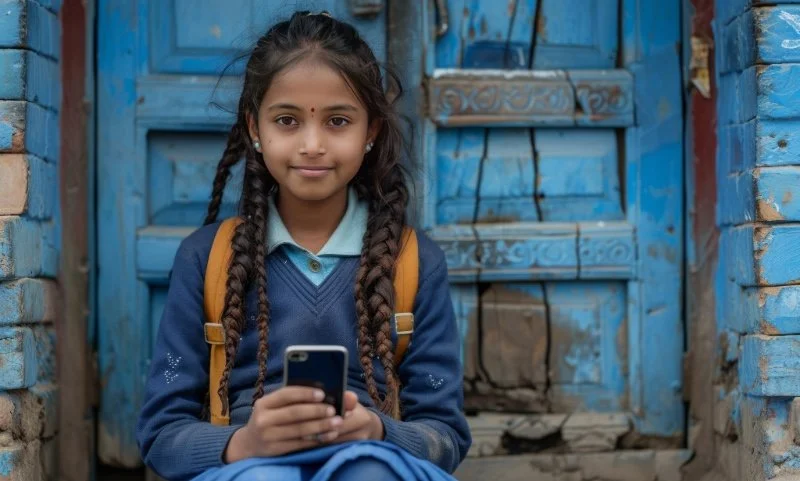
The Cockroach Janta Party (CJP) has called on citizens, parents and village leaders nationwide to inspect government schools, film video evidence of missing facilities and submit the findings to the group, an nationwide initiative to begin on India’s Independence Day on August 15. This exercise could put every part of the school system on the spot, from the village panchayat to the education ministry.
In a video message, CJP founder Abhijeet Dipke said he would begin the exercise in his home village of Hingoli, Maharashtra, by asking the local sarpanch to improve government schools there.
CJP has shared a form for this citizen-led “social audit” of rural government schools on its website. It asks surveyors to work through 10 categories, covering water, toilets and electricity, teacher staffing against sanctioned strength, delivery of textbooks and scholarships, the government’s midday meal programme known as PM POSHAN, safety, transport, record-keeping and accessibility features such as ramps. Surveyors have been asked to record only what they personally observe and email completed forms with video evidence to CJP.
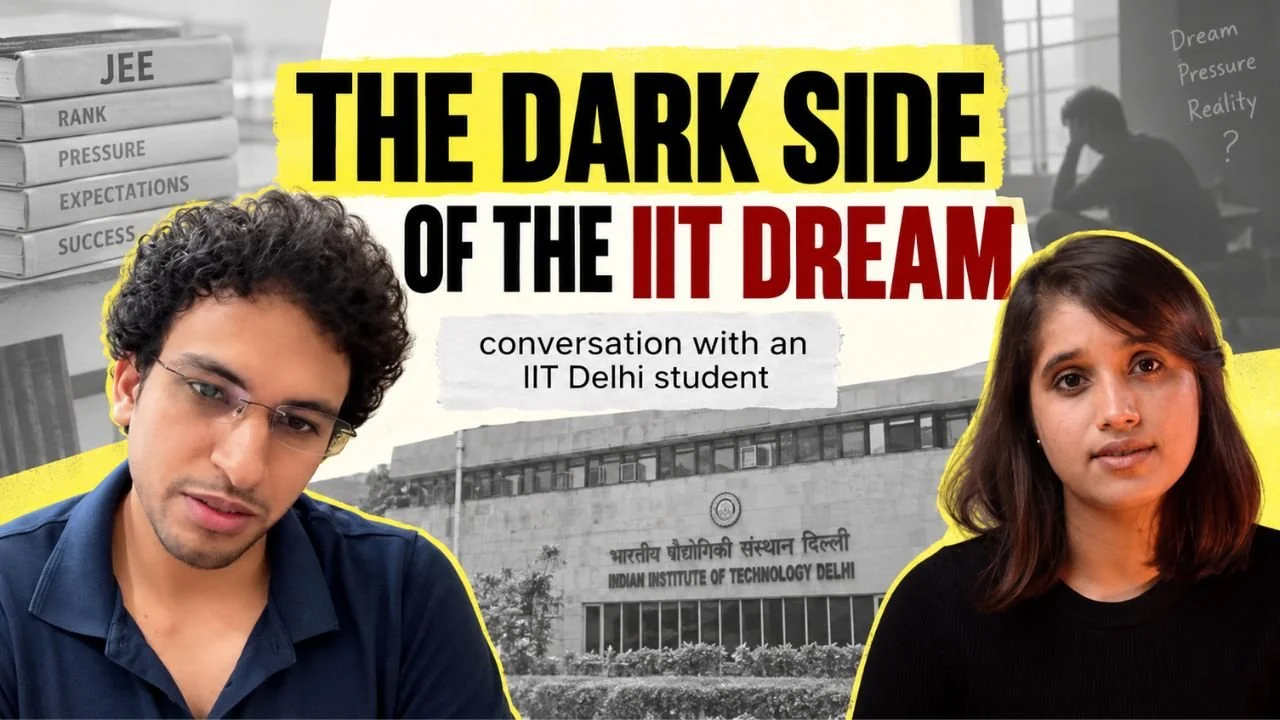
A report, titled “School Education System in India” and released in May 2026 by NITI Aayog, the government’s own thinktank, found that 98,592 government schools have no functional toilet for girls, and 61,540 have no functional toilet of any kind. The report also found that more than 119,000 (1.19 lakh) schools still lack functional electricity, even after electrification supposedly rose from 55 percent to 91.9 percent over the past decade. It further found 14,505 schools with no drinking water access and 59,829 without handwashing facilities. Over 100,000 (1 lakh) schools operate with a single teacher covering every subject and every grade.
On teaching quality, the report found only 2 percent of teachers scored above 70 percent in mathematics assessments, with an average score of 46 percent. It also found that about 94,000 government schools have closed over the past decade, an average of 25 a day, a closure rate tied to a 22.6 million (2.26 crore) drop in government school enrolment, and that the share of government schools in total enrolment fell from 71 percent in 2005 to 49.24 percent in 2024-25.
The vast majority of government schools, well over a million, are run by state governments. Central government schools, like Kendriya Vidyalayas and Sainik Schools, number only in the low thousands combined.
If one government school in a district is found to have no teachers or functioning toilets, accountability should begin with the authority directly responsible for that school and that particular failure.
In a government elementary school in Uttar Pradesh, for instance, the first officials to question would ordinarily be the Block Education Officer (BEO), who works at the sub-district block level, and the Basic Shiksha Adhikari (BSA), the district-level officer responsible for basic education. Where several schools in the same district show similar shortages, responsibility would move further up the state education system.
Where most government schools throughout a state were found to lack adequate teachers, toilets or other legally required basic facilities, that would amount to evidence of a statewide systemic failure, putting responsibility principally on the education department, and ultimately on the state government, since the state is responsible for ensuring that the government-school system as a whole has the teachers, infrastructure, financing and administrative capacity required to function.

Given CJP’s previous campaign, a 36-day sit-in at Delhi’s Jantar Mantar over examination irregularities that ended on July 25 after the resignation of the then Union Education Minister, Dharmendra Pradhan, state governments will be compelled to take the audit seriously.
Alongside the audit, CJP is running a “Sarpanch Challenge,” pledging to publicise village heads who improve their local schools. It offers credit instead of shame, but both halves depend on the same currency, a photograph.
You have just read a News Briefing, written by Newsreel Asia’s text editor, Vishal Arora, to cut through the noise and present a single story for the day that matters to you. We encourage you to read the News Briefing each day. Our objective is to help you become not just an informed citizen, but an engaged and responsible one.
What happened in Mumbai on October 2 may have been only one day of protest, but the issues behind it are unlikely to disappear with the dispersal of the crowd. The protest was centred around concerns over the Election Commission, electoral rolls and the Special Intensive Revision (SIR) exercise, with protesters demanding accountability from Chief Election Commissioner Gyanesh Kumar. At the same time, similar mobilisation has been taking place across different parts of the country, with student groups, Opposition parties and civil society organisations raising concerns over the electoral process. Newsreel Asia spent the day at Mumbai Protest capturing the preparations, the police presence, conversations with protesters, the atmosphere on the streets and how the day unfolded. The speech of Cockroach Janta Party's leaders and sentiment of protestors seemed larger than the concerns regarding the electoral process. Will this lead to something bigger?