
Killing of Pastors in Manipur Was a ‘Proxy’ Attack, Kuki-Zo Groups Claim
From the Editor’s Desk
May 14, 2026

The Kuki Students’ Organisation (KSO), Delhi & NCR, organised a candlelight vigil on May 13 in response to the attack on religious leaders. Photo by KSO
Three Kuki-Zo Christian pastors were shot dead on May 13 after armed gunmen ambushed two vehicles travelling through Kangpokpi district in Manipur. The killings led Kuki-Zo organisations to suspect that a Naga militant faction may have carried out the attack in coordination with valley-based Meitei insurgent groups.
Manipur’s conflict landscape involves three major ethnic groupings, the Meiteis, the Nagas and the Kuki-Zo communities. These groups largely live in separate geographical belts and pockets where each forms a local majority. The killing took place amid persistent tensions between Meitei and Kuki-Zo communities following the ethnic violence that broke out on May 3, 2023. Government-imposed buffer zones separating Meitei and Kuki-Zo areas continue to remain in place three years after the violence began. Tensions have also grown in recent months between some Naga and Kuki-Zo groups over land and territorial claims.
The ambush on May 13 took place around 11 AM between the villages of Kotzim and Kotlen in Kangpokpi district, an area where both Naga and Kuki-Zo settlements exist. The victims were travelling back from the United Baptist Church Conference in Churachandpur district, a Kuki-Zo-majority region, to Kangpokpi district, another Kuki-Zo-majority area.
The dead were identified as Rev. Vumthang Sitlhou, former general secretary of the Manipur Baptist Convention, Rev. Kaigoulun and Pastor Paogoulen. Four others sustained injuries in the attack. Rev. Sitlhou occupied a particularly sensitive position within the state’s ethnic landscape. His mother belonged to the Rongmei Naga community, and he had recently participated in peace missions involving Tangkhul Naga and Kuki groups amid continuing tensions between sections of the two communities.
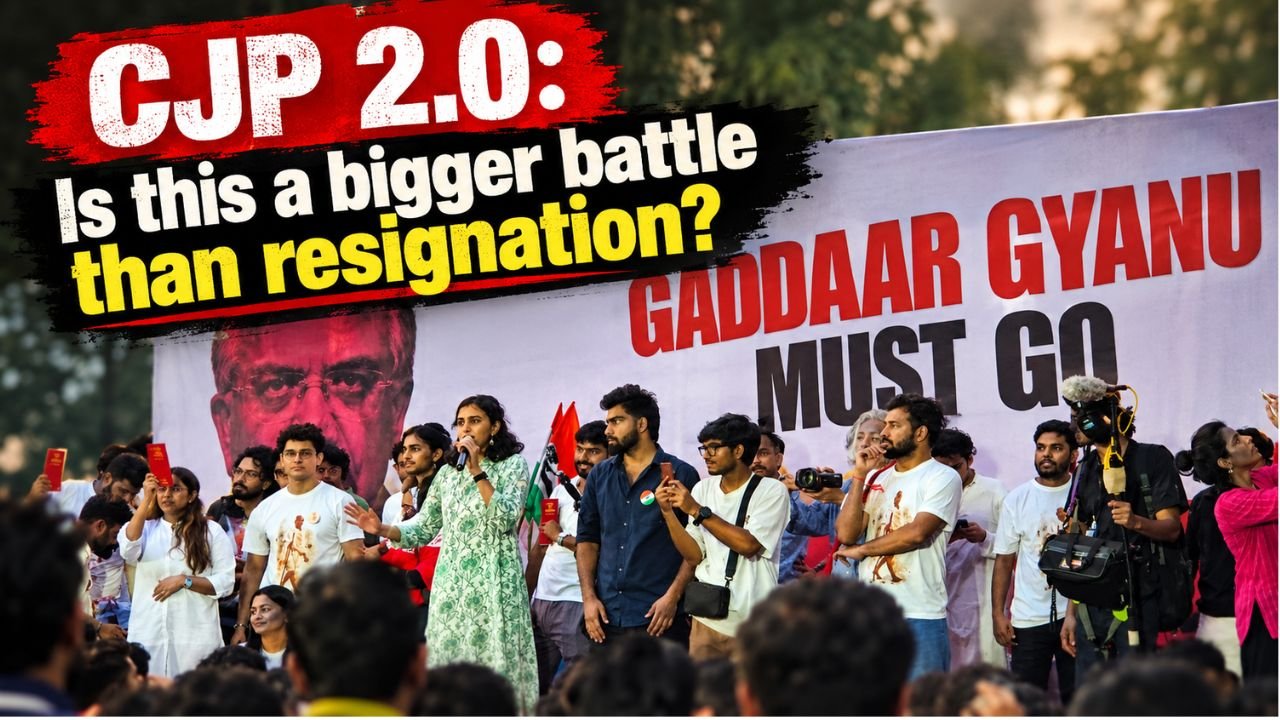

On the same day, in a separate incident, a civilian named Wilson Thanga from the Chiru tribal community was killed and his wife injured after suspected militants attacked their vehicle in Noney district, inhabited mostly by Nagas but with some Kuki-Zo settlements. The attack may have involved mistaken identity, with the victims possibly being perceived as belonging to the Kuki-Zo community.
Chief Minister Y. Khemchand Singh condemned the killings, calling the violence “deeply troubling and devastating” and warning that it threatened Manipur’s slow movement toward stability.
Nine Naga legislators from the Manipur Assembly, including Deputy Chief Minister Dikho, later issued a joint condemnation through the Naga Legislature Forum, calling for the attackers to be identified and prosecuted without delay. The United Naga Council, one of the principal Naga civil society organisations in the state, also condemned the ambush.
The Kuki Inpi Manipur, or KIM, which serves as the apex body of the Kuki tribes in the state, accused the Kamson faction of the Zeliangrong United Front, or ZUF-K, a Naga group, of carrying out the ambush. The ZUF-K allegedly splintered from the main ZUF group around 2019. KIM alleged that the faction may be operating in collaboration with valley-based insurgent groups, often referred to in Manipur as VBIGs, meaning Meitei armed organisations based in the Imphal valley.
The accusation quickly drew a response from the main ZUF organisation. In a press statement, the group denied the existence of any faction formally called “ZUF Kamson.” It alleged that the National Socialist Council of Nagaland-Isak-Muivah, or NSCN-IM, one of the largest Naga insurgent organisations in the Northeast, had created the name in order to weaken ZUF politically and exploit tensions between neighbouring tribal communities.

The rivalry between ZUF and NSCN-IM is part of a longer conflict over territory, influence and political representation within the Naga insurgency. The NSCN-IM advocates the creation of “Nagalim,” a proposed unified political territory bringing together Naga-inhabited regions across Nagaland, Manipur and neighbouring states. ZUF emerged in 2011 after some cadres split from NSCN-IM. The organisation says it specifically represents the interests of the Zeliangrong Nagas, a Naga subgroup spread across parts of Manipur, Assam and Nagaland.
ZUF further claimed that NSCN-IM had issued directives on May 2 and May 4, 2026, instructing people to boycott a ZUF-organised peace meeting. ZUF alleged that those directives formed part of a planned sequence leading up to the attack.
However, Kuki-Zo civil society groups allege that the ZUF-K faction has operated as a proxy force for VBIGs since at least January 2026. They cite earlier incidents in Kangpokpi district, including arson attacks on Kuki homes in K. Songlung village and an armed assault on Kharam Vaiphei village.
Kharam Vaiphei village had reportedly been proposed as a designated camp under the federal Suspension of Operations framework, a peace arrangement involving Kuki-Zo armed groups and the Indian government. Kuki-Zo organisations allege that attacks on such villages are intended to disrupt those arrangements and prevent Kuki-Zo groups from securing greater institutional recognition and territorial consolidation.
According to these organisations, valley-based insurgent groups use proxy armed formations to cross buffer zones and carry out attacks inside hill districts while maintaining distance from direct operational involvement. Kuki-Zo groups also argue that these operations are often publicly shown as anti-poppy campaigns or drives against illegal encroachment. They allege that such descriptions portray the attacks as efforts to protect indigenous land while concealing violence against tribal settlements and farming communities.
You have just read a News Briefing, written by Newsreel Asia’s text editor, Vishal Arora, to cut through the noise and present a single story for the day that matters to you. We encourage you to read the News Briefing each day. Our objective is to help you become not just an informed citizen, but an engaged and responsible one.
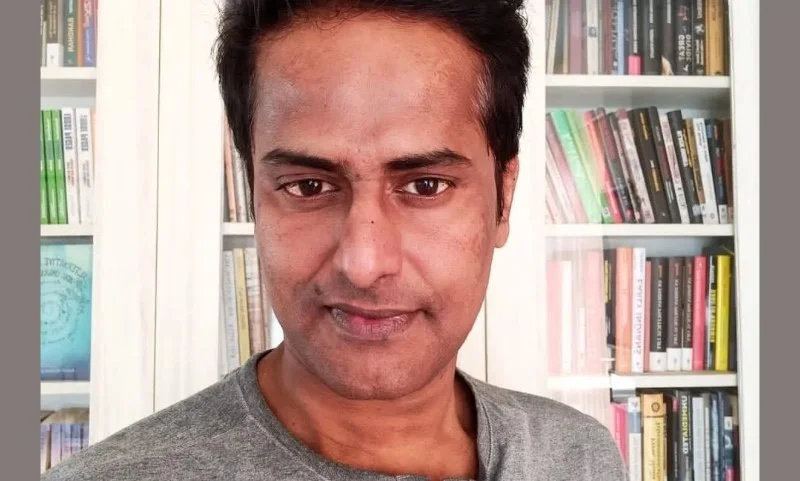
On October 12, opposition leaders, MPs, MLAs, student organisations and political workers came together in a massive march against Chief Election Commissioner Gyanesh Kumar, raising serious concerns over the Special Intensive Revision (SIR) of electoral rolls and the alleged mass deletion of voters’ names. The march brought together a broad coalition, including the INDIA bloc, AISA, SFI and other student unions, as part of a wider nationwide mobilisation against the SIR exercise and concerns surrounding electoral integrity.