
Has Naxalism in India Ended or Changed Form?Part 1
By Gunjan Handa
May 2, 2026
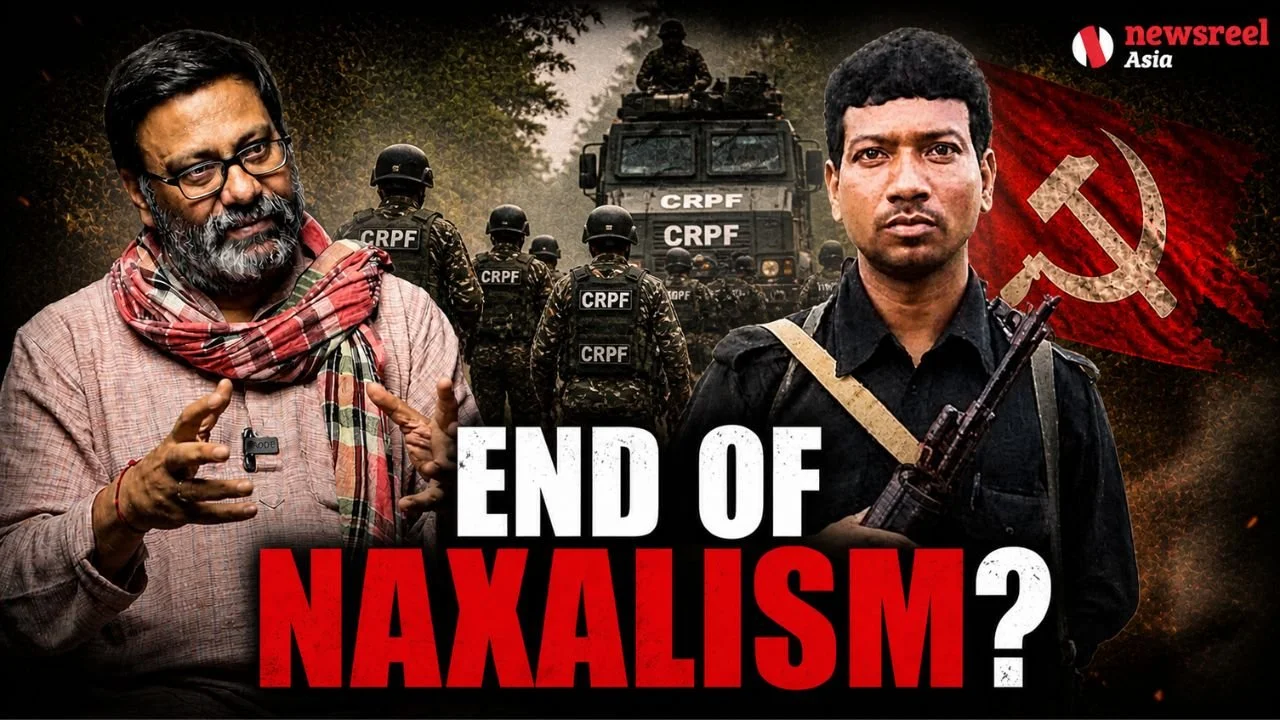
In this in-depth conversation, peace activist and journalist Shubhranshu Choudhary reflects on the Indian government’s claim that Maoist armed insurgency is nearing its end. Union Home Minister Amit Shah has set a deadline of March 31, 2026 to eliminate Naxalism, and the state points to major security operations, surrenders, and weakening armed networks as evidence of success. But is the story really over?
Choudhary argues that while the armed insurgency in parts of central India may be in retreat, the politics that produced Maoism cannot be erased by military action alone. Tracing the movement’s roots back to the 1967 Naxalbari uprising, he explains how Maoist groups built deep trust among tribal communities in regions such as Dandakaranya. In the early years, they were often seen not only as armed rebels, but also as social reformers who intervened in local questions of land, dignity, wages, exploitation, and justice.
The interview explores how state-backed responses such as Salwa Judum may have intensified the conflict instead of ending it, why many tribal fighters were drawn into the movement less by ideology than by local injustice, identity, and survival, and how internal fractures emerged between tribal cadres on the ground and the movement’s upper leadership. It also examines the role of government strategy, intelligence operations, surrenders, shifting public sentiment, and changing aspirations among younger tribal communities in weakening the insurgency.
Former Prime Minister Manmohan Singh once described Maoism as India’s “biggest internal security threat.” Today, that threat may look very different.
Watch till the end to understand whether this is truly the end of Maoism, or the beginning of a new phase in India’s long Naxalite-Maoist story.