
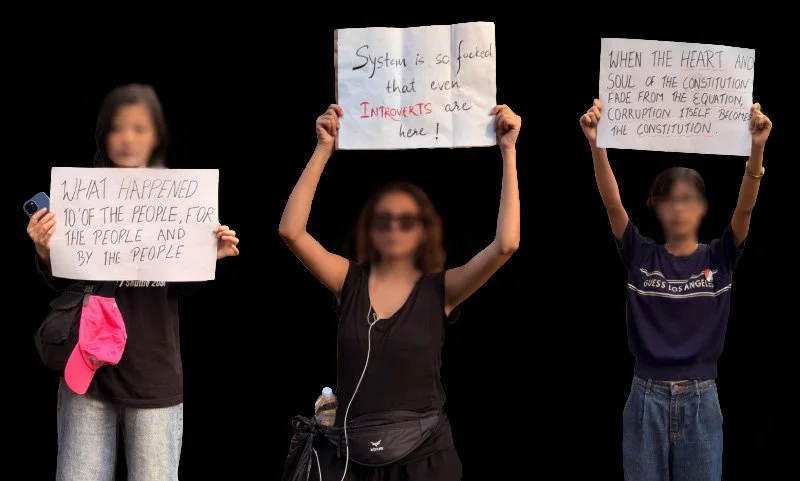
Why Governments Feel Threatened by Women Protesters
After the Cockroach Janta Party (CJP) protests ended in Delhi’s Jantar Mantar on July 25 following Education Minister Dharmendra Pradhan’s resignation, women and girls who had participated publicly and visibly in the agitation became the principal targets of a doxxing and harassment campaign. The campaign reveals that those behind it see women protesters as a threat and want to push them into roles defined by their own patriarchal beliefs.

The ‘Politics of the Unprotected Body’: Why Women From Northeast India Remain Vulnerable to Violence
Repeated racial and gender-based abuse against women from Northeast India points to a deeper structural failure of the Indian state to provide equal protection to all citizens. Law enforcement agencies, courts and policymakers often acknowledge such incidents, yet their racial dimension frequently disappears from legal and institutional responses, producing a pattern of unequal citizenship. Women from the Northeast thus occupy what may be called the “unprotected body,” formally included within the republic but repeatedly denied the full protection of its institutions.
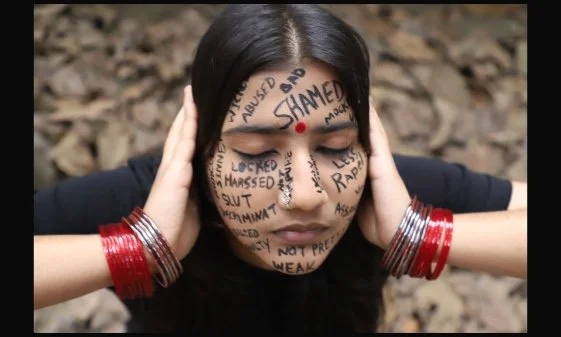
1 in 5 Women in India Experience Physical or Sexual Intimate Partner Violence
A major study has found that although more than one in five women in India experience intimate partner violence each year, only a very small number of these cases appear in official records of police, health services, or support centres. The issue demands urgent action, as violence within the home causes immediate injury, long-term health harm, economic disruption, and effects that pass from one generation to the next.

Men Develop Heart Disease Earlier Than Women: Study
Men develop cardiovascular disease earlier than women, a new study shows. By age 50, men experience significantly more coronary heart disease events, heart failure and total cardiovascular events than women of the same age.
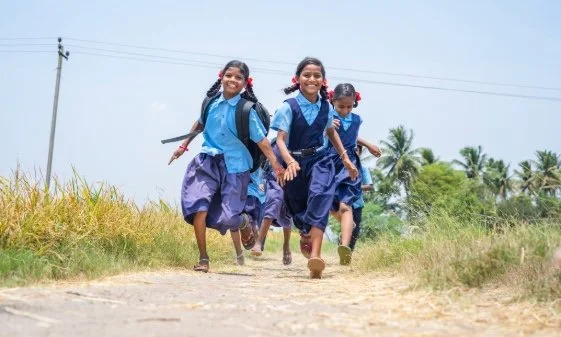
Supreme Court Affirms Menstrual Health as Part of Right to Life
Adolescent girls in many parts of India miss several days of school each month during their periods due to lack of sanitary products, inadequate toilets and fear of public embarrassment. In response to this widespread exclusion, the Supreme Court of India has ruled that access to menstrual health is part of the fundamental right to life under Article 21 of the Constitution. The ruling affirms that denying girls the means to manage their periods in school violates their right to live with dignity, safety and equal opportunity.
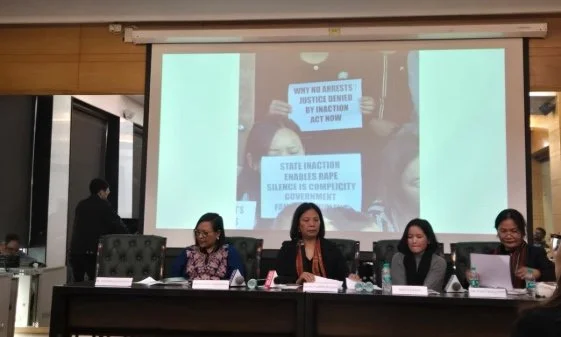
Kuki-Zo Woman Survived the Violence, but Not the Wait for Justice
Abducted and gang-raped at the age of 18 during the early days of violence in Manipur, a Kuki-Zo woman died waiting for justice on January 10, 2026, in a hospital in Guwahati, more than 500 kilometres away. Her death has triggered renewed outrage and demands for accountability and structural overhaul in Manipur’s administration.
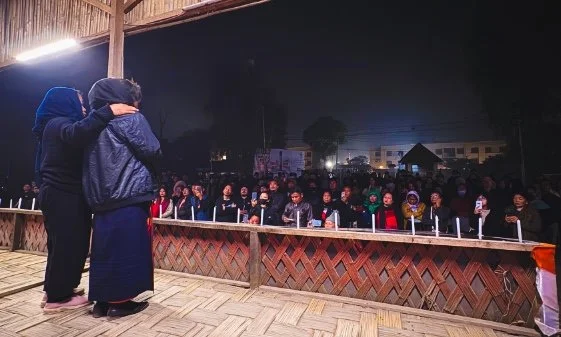
Manipur Rape Survivor Dies After 20 Months in Trauma Care; Mother Pleads for Justice
A 20-year-old Kuki-Zo tribal woman who was abducted, gang-raped and left for dead during the early days of the ethnic violence in Manipur died on January 10 from medical complications caused by the injuries she suffered nearly 20 months earlier. Her mother, speaking to Newsreel Asia, said all she wants now is justice for the heinous crime.

Just One North Indian City Among India’s Top 10 for Women
Just one city from North India features in the list of the country’s top 10 cities for women, according to a new nationwide index assessing inclusivity and career opportunities. The remaining nine are all located in the southern, western and eastern regions of the country.
Sex Ratio Among British Indians Worse Than in India
A U.K. government-commissioned study has found a skewed male-to-female birth ratio among Indian-origin families that exceeds even India’s national figures. This indicates that migrant Indian communities in Britain have retained, and in some cases reinforced, patriarchal cultural norms favouring sons over daughters.
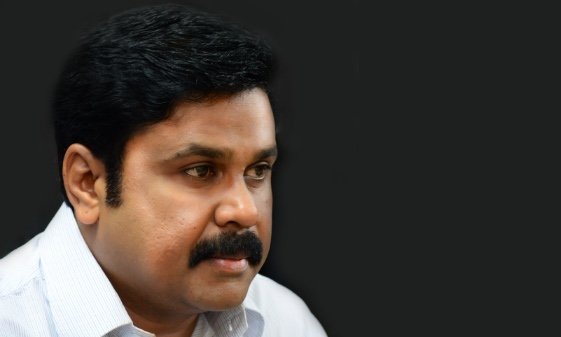
Could Malayalam Actor’s Acquittal in Sexual Assault Case Be State-Enabled Impunity?
Malayalam actor Dileep has been acquitted in the 2017 case involving the abduction and sexual assault of a female actor. The verdict by a court in Kerala was based on the state’s failure to prove its own claims, not on any finding that cleared him of wrongdoing, and it stands as yet another example of how investigation and prosecution remain weak links in the justice system, especially in cases where the accused is powerful and influential.

Inside India’s Hidden Digital Market of Incest, Child Porn, Misogyny
On Sept. 10, an Instagram conversation with a young boy led me into a disturbing digital ecosystem where violent sexual content circulates freely. I now fear that a generation of boys may grow up normalising harmful sexual behaviour and misogyny.

Tennis Player Killed: Case Points to Patriarchy, Honour and Shame Norms
A national-level tennis player and coach, Radhika Yadav, was reportedly shot dead in her Gurugram residence on 10 July. Her father, Deepak Yadav, has been arrested in connection with the incident and remains in judicial custody. Media reports indicate that the case is linked to three entrenched social values that continue to deprive girls and women in India of dignity and agency: the persistence of patriarchal authority, the prioritisation of family reputation over the welfare of daughters, and the cultural construction of the female body as a source of shame.

Dear Minister, Policing Women’s Clothing Won’t Fix Men’s Misconduct
At a public function on 5 June, Madhya Pradesh Cabinet Minister Kailash Vijayvargiya said he disapproves of the trend of women wearing “skimpy clothes,” calling it a foreign concept of beauty that clashes with Indian tradition. The remark reflects a flawed notion, as it targets women’s clothing instead of confronting the real issue in India, which is that many men have not been taught to look at or behave around women with respect, regardless of what women choose to wear.

Court Grants Bail to Rape Accused, Says Woman ‘Invited Trouble’ by Drinking
The Allahabad High Court granted bail in a rape case, citing controversial reasoning. In his order, Justice Sanjay Kumar Singh appeared to shift blame onto the complainant—a postgraduate student—stating that she had chosen to drink alcohol late at night in a pub and to accompany the accused.

40 Police Complaints Over Sex Abuse in Malayalam Film Industry
The Kerala government has informed the state’s High Court that 40 police complaints have been filed concerning sexual abuse in the Malayalam film industry since the Hema Committee report was published about five months ago. Officials said they have initiated formal investigations into each complaint.
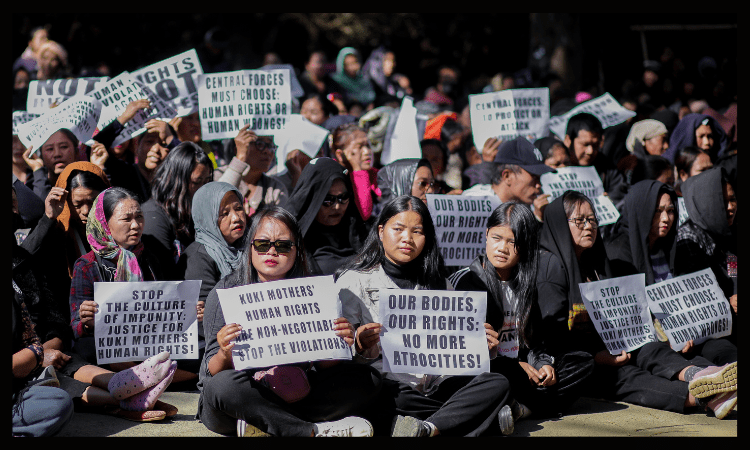
Manipur’s Women Describe CRPF ‘Assault’: Lost Eye, Head Trauma, Broken Bones
At least 75 tribal girls and women were injured, some grievously, in the Dec. 31 clash with personnel from the Central Reserve Police Force (CRPF) and the Border Security Force (BSF) in Manipur, according to representatives of the Kuki-Zo Women Forum in Delhi. They accuse the central forces of violating operational guidelines by targeting women protesters above the waist. This “mistreatment,” they say, has left them disillusioned with the central authorities.
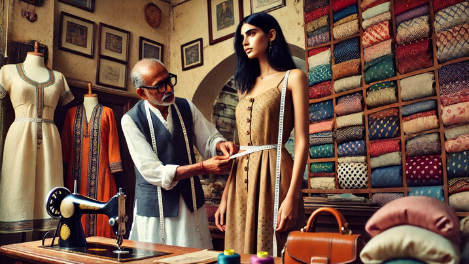
Should There Be No Male Tailors, Barbers, or Gym Trainers for Women?
The Uttar Pradesh (UP) State Women’s Commission has proposed a series of measures aimed at protecting women from harassment, including unwanted advances and inappropriate physical contact. These measures include prohibiting men from taking measurements of women in tailor shops, cutting their hair or training them in gyms. What impact would this proposal have on the residents if it were enacted? I went out to collect their reactions.
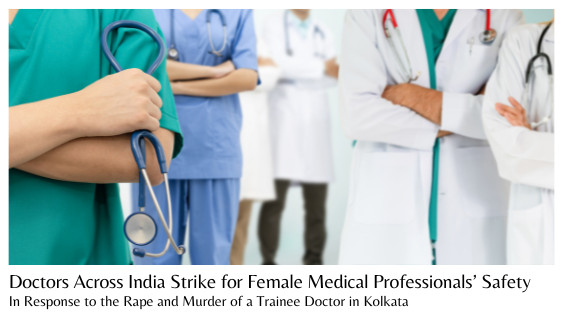
Doctors Across India Strike for Female Medical Professionals’ Safety
Doctors across India launched a 24-hour strike on Aug. 17, disrupting medical services nationwide, in response to the brutal rape and murder of a 31-year-old trainee doctor in Kolkata. The incident has caused an uproar among medical professionals, demanding justice and increased security.

Every Day, 28 Women and 3 Girls Vanish in Madhya Pradesh
Over the past three years, a staggering 31,801 women and girls have been reported missing — that’s an average of 28 women and three girls each day, in Madhya Pradesh. This statistic, disclosed during a state assembly session in response to questions, reflects a possible human trafficking crisis in the state.
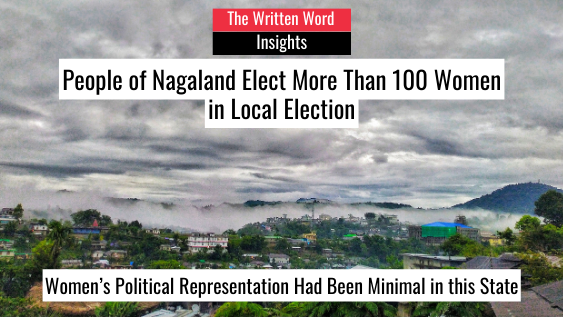
People of Nagaland Elect More Than 100 Women in Local Election
The people of Nagaland have elected 102 women to its civic bodies, marking a significant milestone in gender representation in local governance. The Urban Local Body (ULB) elections of 2024 saw an enthusiastic participation from female candidates, with women claiming over 37% of the available seats in the polls held on June 26.