
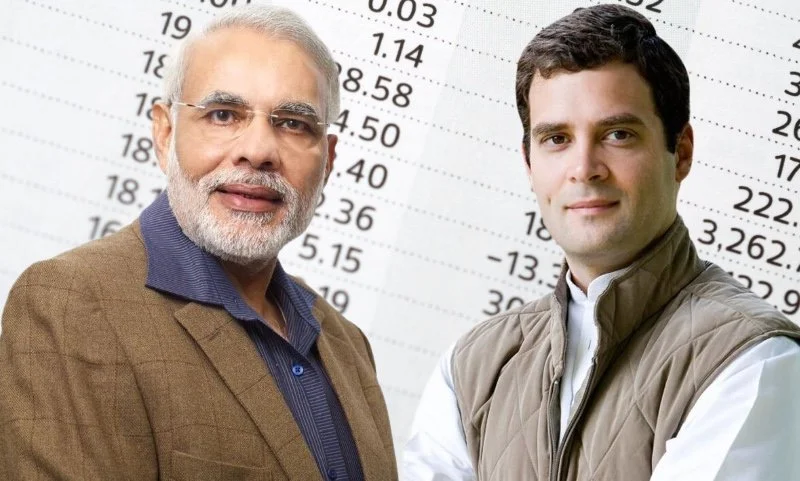
Questions Over India Today Poll Presenting Modi as Still Popular After Youth Protests
The latest India Today-CVoter Mood of the Nation (MOTN) poll records a considerable fall in support for Prime Minister Narendra Modi and the Bharatiya Janata Party, despite relying largely on interviews conducted before the Cockroach Janta Party (CJP)-initiated protests at Delhi’s Jantar Mantar grew into a nationwide movement demanding accountability. However, India Today and sister organisation Aaj Tak presented it mainly as evidence that Modi remains popular and the NDA would retain power.

India Fared Worse on Governance and Per-Capita Income Than It Would Have Without Modi, Study Says
Governance in India weakened, and economic growth fell short of what a comparable country might have achieved during the decade in which Narendra Modi and the Bharatiya Janata Party (BJP) governed the country, according to a new study.
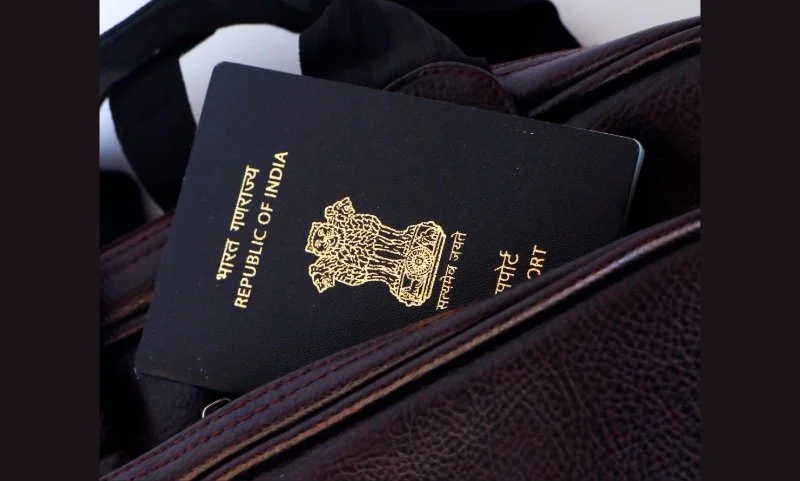
If a Voter List Error Can Cost a Journalist His Passport, What Could It Cost Millions of Others?
R. Rajagopal, a former editor of The Telegraph, says his passport renewal has been held up after police reported that his name had been deleted from the electoral roll during a recent Special Intensive Revision (SIR) of the voter list. Does this mean an exercise built to catch duplicate and inaccurate entries may now begin to decide, in practice, who is a citizen with standing to travel, work or have access to government services?

The Problem With West Bengal’s Election Officer Becoming the Chief Secretary
The new Bharatiya Janata Party (BJP) government in West Bengal has appointed Manoj Agarwal, the state’s former Chief Electoral Officer (CEO), as the next Chief Secretary, the highest-ranking bureaucrat in the state administration. The decision draws attention because Agarwal was the official responsible for overseeing the electoral process in the state, including the controversial Special Intensive Revision (SIR) of voter rolls, before being elevated into the executive structure of the government that later won the election.
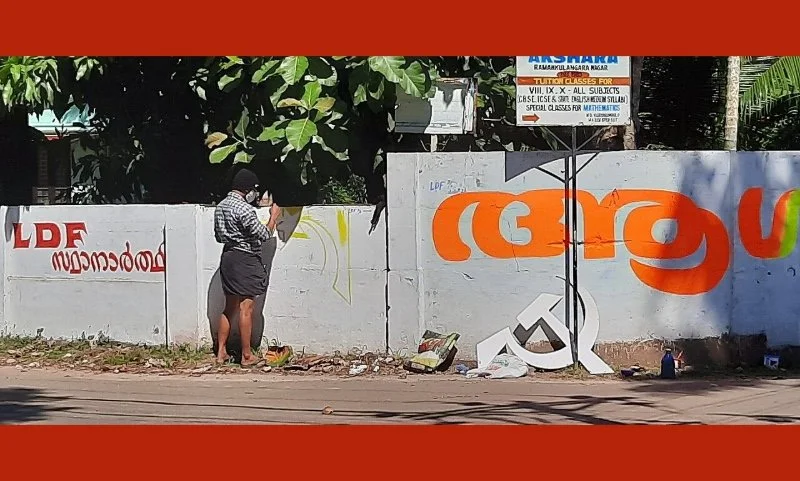
Why Kerala Rejected Communist Rule After a Decade
The Congress-led United Democratic Front (UDF) has won 102 seats in Kerala’s 140-member Assembly, ending 10 years of Left Democratic Front (LDF) government. The defeat of the LDF also means that no communist party now leads a state government anywhere in India. In Kerala itself, the scale of the result suggests that something more than a usual swing between two evenly matched alliances was underway.

Tamil Nadu Didn’t Vote for Vijay Simply Because He’s a Celebrity
Actor-turned-politician C. Joseph Vijay was sworn in as Chief Minister of Tamil Nadu on May 10, ending nearly six decades of alternating rule between two dominant parties. Film celebrities winning elections is not a new phenomenon in the state, but a first-time political party winning a legislative majority on its debut is. That is what was surprising, and it had nothing to do with any tendency for celebrity worship. The answer lies in how Tamil audiences have long viewed cinema.
Why West Bengal and Assam Election Results Are Being Viewed With Suspicion
In the 2026 state assembly elections, the Bharatiya Janata Party (BJP)-led alliance returned to power comfortably in Assam and swept the West Bengal election, ending the 15-year rule of the Trinamool Congress. Some of this can certainly be explained through familiar electoral trends, voters rewarding an incumbent government in Assam and turning against one in Bengal. However, the debates surrounding constituency delimitation in Assam and voter roll revisions in Bengal have also led many people to ask whether state institutions and electoral procedures themselves may have tilted the playing field in favour of the ruling party at the Centre.
Why Citizens Participate in the Erosion of Democracy Election After Election
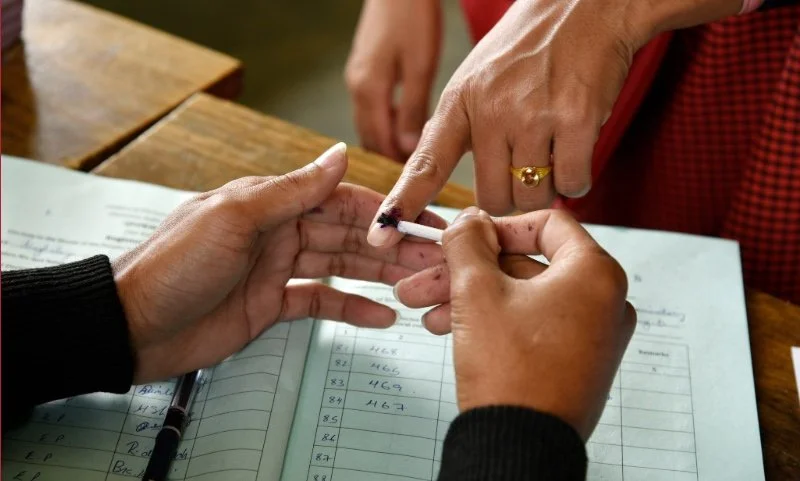
As West Bengal and Tamil Nadu prepare for polling, much of the public discussion has turned, as it routinely does in election seasons, to parties, candidates, alliances and campaign arithmetic. Allegations of cash for votes, political intimidation, partisan use of institutions, extraordinary security deployment, and the blurring of state power with party power appeared well before voting day. Isn’t it surprising that amid such blatant undermining of democracy, we, as citizens, continue participating in systems we know are compromised? In fact, sometimes we help reproduce the very practices we criticise.

Is Heavy Central Forces Deployment in West Bengal Election Justified?
The Election Commission has deployed more than 240,000 Central Armed Police Forces personnel for Phase 1 of the 2026 West Bengal Assembly election, covering 152 of the state’s 294 constituencies, with a further 500 companies to remain after counting and 200 guarding voting machines and counting centres. The scale of this deployment, relative to what the state of security in West Bengal actually warrants, is a question worth putting to the Commission directly.
Congress Alleges Assam CM’s Wife Holds Foreign Passports, Assets Abroad; CM Denies, Vows Legal Action
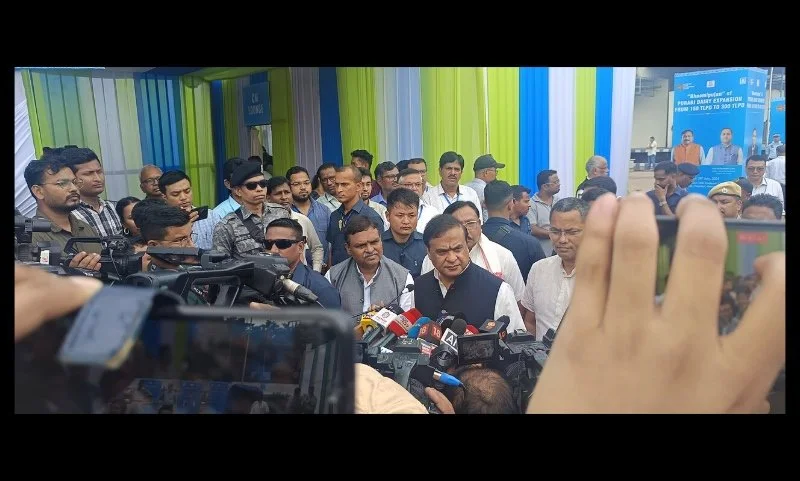
The Congress party has alleged that Assam Chief Minister Himanta Biswa Sarma’s wife, Riniki Bhuyan Sharma, holds multiple foreign passports and undisclosed overseas assets, triggering a political confrontation with the Bharatiya Janata Party (BJP), which has rejected the claims and announced legal action.

If Millions of Indians Can’t Vote Now, Why Were They on the Rolls Before?
India’s Election Commission (EC) has deleted over 1.2 million names from electoral rolls in just two districts of Uttar Pradesh as part of its “Special Intensive Revision” (SIR) exercise. Some deletions may involve Absent, Shifted or Deceased cases, but such entries cannot explain the removal of over a quarter of the electorate. One is, therefore, left to ask whether the Commission has any explanation beyond the two clear possibilities, that these voters were either wrongly included in the past or are wrongly excluded now. Both reflect poorly on the institution.
What’s Wrong When Parties Win an Election Before Voting Even Begins in Maharashtra
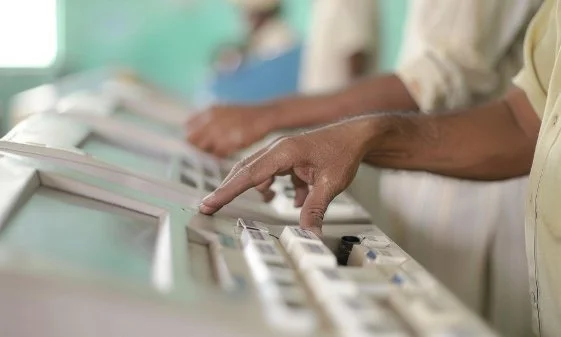
The ruling Mahayuti alliance in Maharashtra has reportedly secured 68 of 69 municipal corporation seats without a vote being cast, as rival candidates withdrew en masse before polling. The development warrants serious concern, as one is left to ask whether intimidation, coercion, or inducement may have effectively replaced voter choice in these constituencies. It also raises the possibility of behind-the-scenes arrangements between contesting parties to prevent electoral competition. Either scenario undermines the central democratic principle of competitive elections.

‘We Will Come Looking for You,’ Rahul Gandhi Tells ECI
Rahul Gandhi, the Leader of the Opposition in the Lok Sabha, accused India’s top election officials of collaborating in “vote theft” and warned that a future government would change the law to hold them accountable. Speaking in Parliament, he said, “We will change the law retrospectively, and we will come looking for you.”

ECI’s SIR: Can You Lose Your Vote While Filling the Form?
The Election Commission of India’s (ECI) Special Intensive Revision (SIR) form sounds like something designed to make democracy feel interactive, but for many voters it is more like a riddle printed on government stationery. While the ECI calls it an exercise to clean up and verify the electoral rolls, it has millions of people staring at a piece of paper and wondering whether their democracy runs on acronyms.

What Is Bihar’s Assembly Election About?
The 2025 assembly election in Bihar is being widely portrayed in the media as a face-off between the National Democratic Alliance (NDA) and the Mahagathbandhan (MGB), with little mention of the state’s long-standing governance failures.
Rahul Gandhi Accuses Election Commission of Enabling Voter Fraud in Haryana
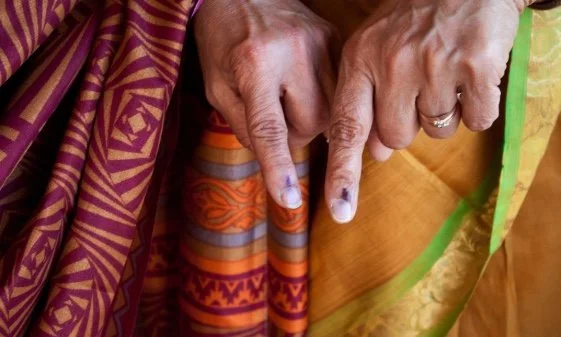
The Leader of the Opposition, Rahul Gandhi, has accused the Election Commission of India (ECI) of facilitating mass voter fraud to benefit the ruling Bharatiya Janata Party (BJP) in the 2024 Haryana assembly election. Speaking at a press conference in New Delhi on November 5, Gandhi alleged that there were 2.5 million fake entries in the state’s voter rolls, saying the figure is significantly larger than the combined margin of BJP’s victories in key constituencies.
Tamil Nadu Party Challenges SIR in Supreme Court, Citing Risk to Electoral Rights
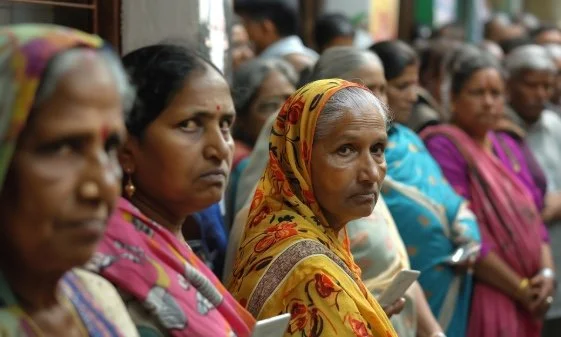
The Dravida Munnetra Kazhagam (DMK) party in Tamil Nadu has filed a writ petition in the Supreme Court challenging the Election Commission of India’s (ECI) expansion of a voter list verification drive known as the Special Intensive Revision (SIR). The petition claims that the SIR exercise, now extended to 12 states and Union Territories, threatens the right of citizens to participate in elections and imposes burdens that resemble a citizenship test without legal authority.

BJP Sought Deletion of 80,000 Muslim Voters in One Constituency: The Reporters’ Collective
The Bharatiya Janata Party (BJP) sought the removal of nearly 80,000 Muslim voters from Bihar’s Dhaka constituency electoral roll by claiming they were not Indian citizens, according to an investigative report by The Reporters’ Collective. The claim was made through formal submissions to election authorities during the state’s Summary Intensive Revision (SIR) of voter lists.

ECI Must Focus on Spirit of Its Mandate; SIR in Bihar Suggests Otherwise
The Supreme Court has directed that voters excluded by the Election Commission of India (ECI) from Bihar’s draft electoral roll under a special revision exercise must be allowed to file objections using Aadhaar or any of 11 recognised documents. The order indicates that the Commission failed to design the revision process in a way that protects universal suffrage, which is central to its constitutional role.

What SC’s Order to Election Commission to Publish 6.5 Million Voter Deletions Means
The Supreme Court’s order directing the Election Commission of India (EC) to publish detailed lists of 6.5 million (65 lakh) deleted voters in Bihar shows that the EC resisted transparency until compelled by the Court. A body constitutionally mandated to conduct free and fair elections should not need judicial intervention to carry out tasks that fall squarely within its mandate, including the protection of the integrity of the franchise.