
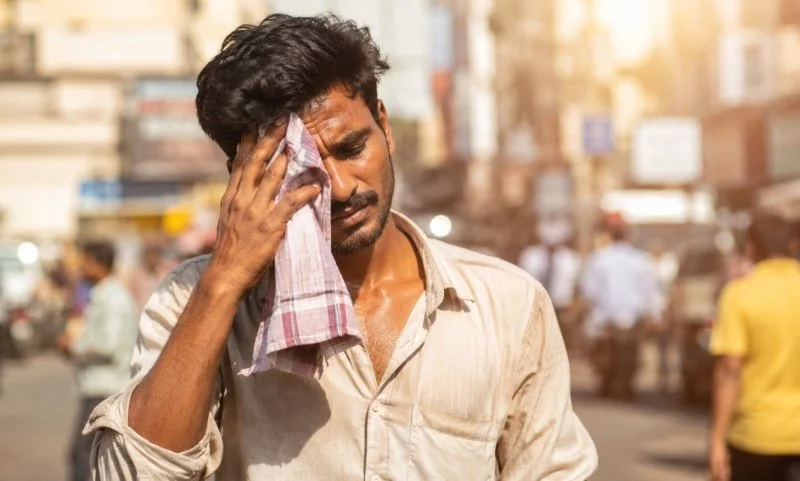
Why India’s Heat Crisis Falls Hardest on Dalits and Muslims
India’s caste system has long assigned the most physically exposed forms of labour to the communities least able to refuse them. That old arrangement has taken on new urgency as summer temperatures push past the limits of human endurance. Sections of the Muslim community also bear a disproportionate burden during heatwaves because of residential exclusion.
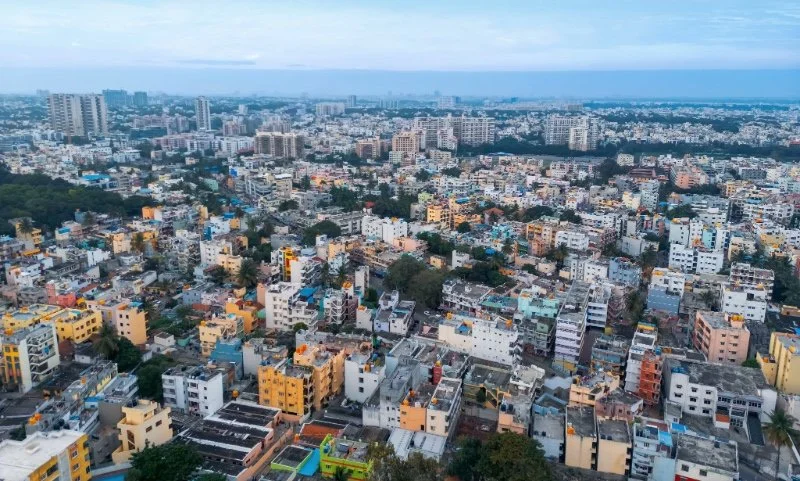
Bengaluru Cannot Drain an Evening’s Rain and Still Calls Itself a World City
Bengaluru is no longer the Bengaluru many of us remember, or the one we still speak of with nostalgia. This was once the city people came to for its weather, its trees and lakes, and an easier pace of life. Today, summer feels harsher, water has become uncertain, and ordinary life has become more expensive and more exhausting.
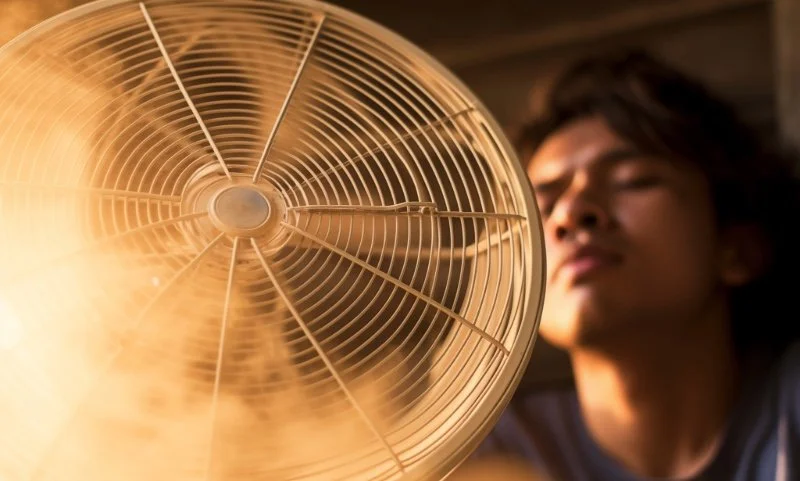
India’s Monsoon Creates Fatal Mix of Heat and Humidity; How You and Government Can Stay Prepared
A study has found that India’s summer monsoon systematically produces the conditions for dangerous moist heatwaves, with humidity playing a larger role than temperature in pushing the body past its cooling limit and raising the risk of fatal heatstroke for a population already facing a worsening trend.
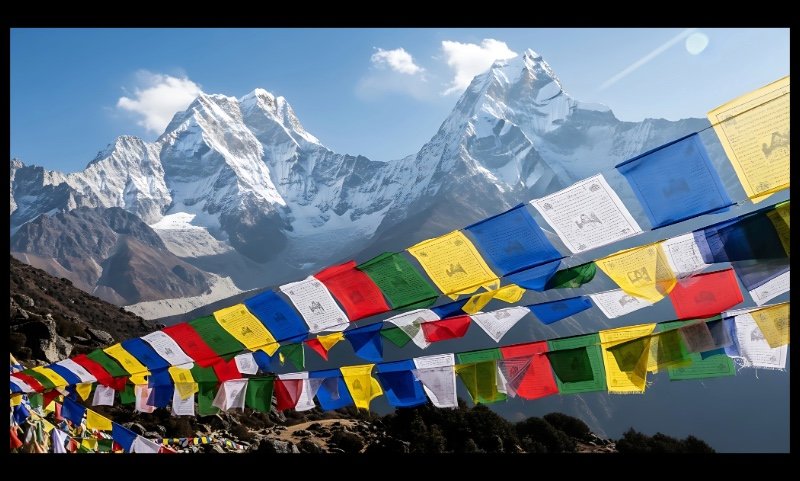
Himalayan Glaciers Shrinking Fast, Study Warns of Water, Disaster Risks
A new analysis reports that glaciers across the Hindu-Kush Himalaya, which stretches across eight countries including Afghanistan, Pakistan, India, Nepal, Bhutan, China and Myanmar, have been reduced by 12 percent in 20 years. This may lead to uncertainty in water availability and increased exposure to natural calamities in South and Southeast Asia in the coming decades, a trend scientists say is already contributing to rising risks of glacial lake floods, avalanches and landslides in the Himalayan region.
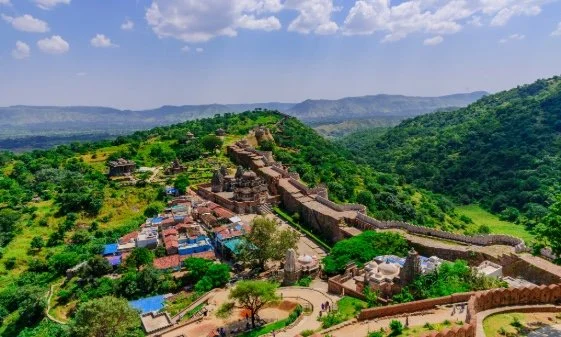
India Faces Major Ecological Setback as Aravalli Hills Lose Protection
The Supreme Court has accepted a new definition of what constitutes the Aravalli Hills, a mountain range that stretches across western India through Gujarat, Rajasthan, Haryana and Delhi, limiting it to elevations over 100 metres and grouping only those within 500 metres of each other as part of the range. By excluding most smaller hills from protection, the change opens the door to mining and construction, threatening forests, wildlife, groundwater, rainfall, and air quality.

How Bad is Delhi’s Air Pollution for Your Health, What Needs to Change?
People in Delhi and nearby areas are absorbing dangerous amounts of air pollution deep into their lungs every day, far beyond what Indian or global safety standards allow. A five-year study measured how much of this pollution actually settles inside the respiratory system, offering a clearer and more direct view of the damage being caused to people’s health.
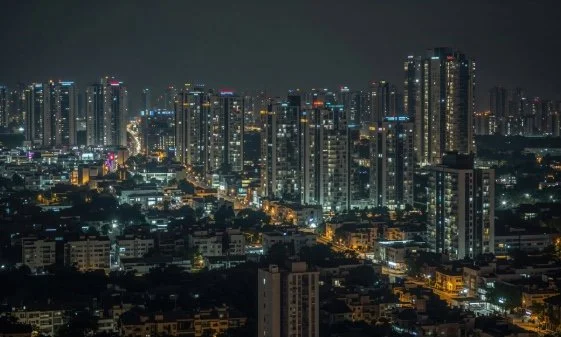
Ground is Sinking Under Millions of Homes in Indian Cities: Study
A new study offers a serious warning for India’s rapidly expanding urban areas, presenting evidence that large parts of five megacities, including Delhi, Mumbai, Chennai, Kolkata and Bengaluru, are sinking due to the over-extraction of groundwater. This subsidence is causing uneven ground deformation, which in turn is putting thousands of buildings at growing risk of long-term structural damage.

Once in a Generation, Rats Return to Mizoram’s Fields
In parts of Mizoram, farmers are experiencing a surge in rodent numbers that is damaging their crops. Large groups of rats have been entering fields and eating rice, soybeans and other produce. Many of these farmers practise jhum cultivation, which means clearing forest patches and growing crops there for one or two seasons. Rats are entering these farms, eating produce before harvest, and causing heavy financial losses for families who depend on a single yearly crop for food and income.

Floods in Northeast India Are Less a Natural Disaster, More a Policy Failure
Flooding in northeast India has long been treated as an unavoidable natural disaster – a view convenient for those in power, as it conceals the fact that the annual devastation is not inevitable. On June 3, the death toll from rain-related disasters across the eight northeastern States rose to 47 – a loss that could have been prevented.

Declare Kerala Landslides a National Disaster: Opposition Parties
Following the devastating landslides in Chooralmala and Mundakkai areas of Kerala, which have claimed over 358 lives with more than 250 people still missing, as of August 4, opposition parties are pressing the central government to recognise the catastrophe as a national disaster. The state government has already designated the area as a disaster zone, but calls for national recognition continue as they seek access to additional relief funds.

Cyclone Remal's Aftermath Claims Nearly 60 Lives in Northeast India
Floods and landslides triggered by Cyclone Remal have claimed nearly 60 lives and affected hundreds of thousands of people in the northeastern states of Mizoram, Assam, Nagaland, Manipur and Meghalaya. As many of these states have regions that are difficult to access and telecommunication can be challenging during disasters, it is likely that the death toll will rise in the coming days.
Chhattisgarh Activist Announced ‘Green Nobel’ Winner for Saving Forest
Alok Shukla, the 43-year-old convener of Chhattisgarh Bachao Andolan (CBA), will receive the 2024 Goldman Environmental Prize, recognised globally as the Green Nobel. This honor celebrates his leadership in grassroots movements that has thwarted the establishment of 21 coal mines, safeguarding 445,000 acres of biodiverse forest.

Chhattisgarh’s Forests at Risk; Over 15,000 Trees Cut
The situation in Chhattisgarh, where the Union and state governments have approved the second phase of mining operations in the Hasdeo Arand forest, highlights a significant conflict between economic development and environmental conservation. This decision has led to the cutting of over 15,000 trees, adding to the 81,000 trees felled since 2012 for coal mining purposes, according to the media outlet Article 14.

How Enjoyable is Your City to Live In
The rapid urbanisation of India’s cities is leading to a significant environmental challenge: the loss of urban trees. In addition to environmental concerns, the reduction of green spaces also significantly affects public health, heritage and biodiversity, demanding immediate attention.

The Problem with India’s Single-Use Plastic Ban
A new study highlights significant shortcomings in India’s ban on single-use plastics, particularly its neglect of the challenges faced by the country’s numerous street vendors. The report suggests a financially viable solution that could reduce plastic waste by 86% and create job opportunities.

Are We on Shaky Ground?
When the earth beneath India and Nepal trembled on the night of Nov 3, it wasn’t just another natural occurrence but a stark reminder of the simmering geological tensions beneath our feet. The magnitude 6.4 earthquake with its epicenter nestled in Nepal’s Doti district is the latest in what seems to be an increasingly unstable chapter for the region. As residents, we must ask ourselves: are we ready for the “big one”?
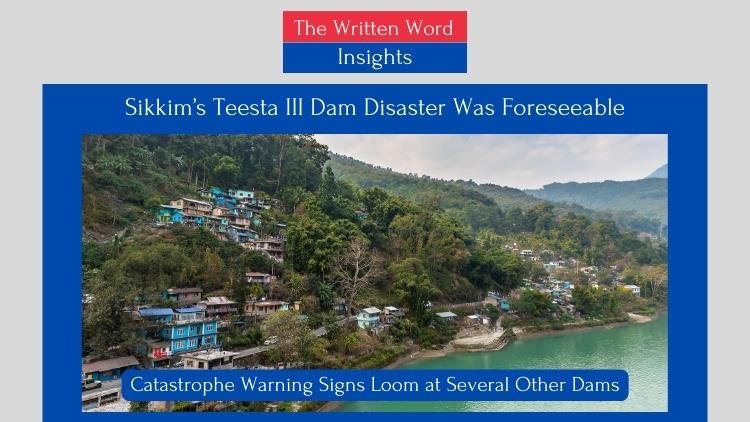
Sikkim’s Teesta III Dam Disaster Was Foreseeable
A glacial lake burst in the northeast Indian state of Sikkim led to flash flooding that killed at least 40 people and displaced thousands, a disaster long warned about by experts and environmental activists.