
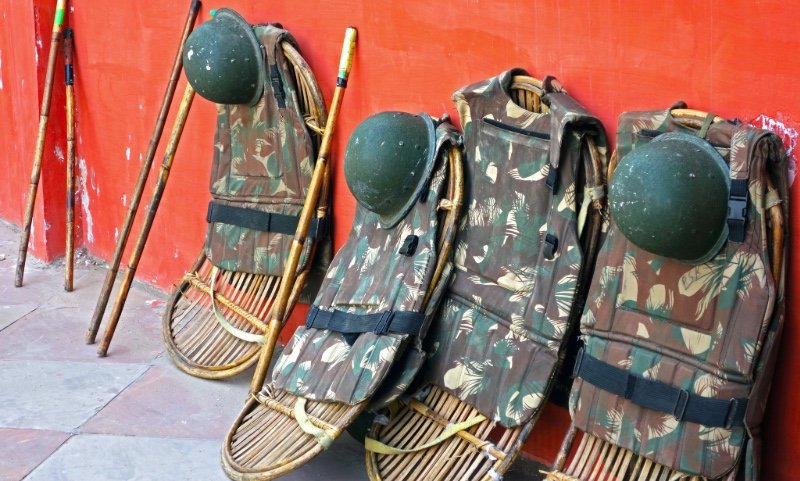
West Bengal’s Fight Against ‘Goondas’ Comes With a Democratic Risk
The West Bengal Assembly has passed two laws that allow authorities to place people identified as “goondas” (violent criminals, gang members or habitual offenders) in preventive detention for up to 12 months and confiscate their property to compensate victims of damage caused during public disorder. The move is causing concern that these laws could be used against political opponents, activists and protesters because of the broad powers they grant the government.
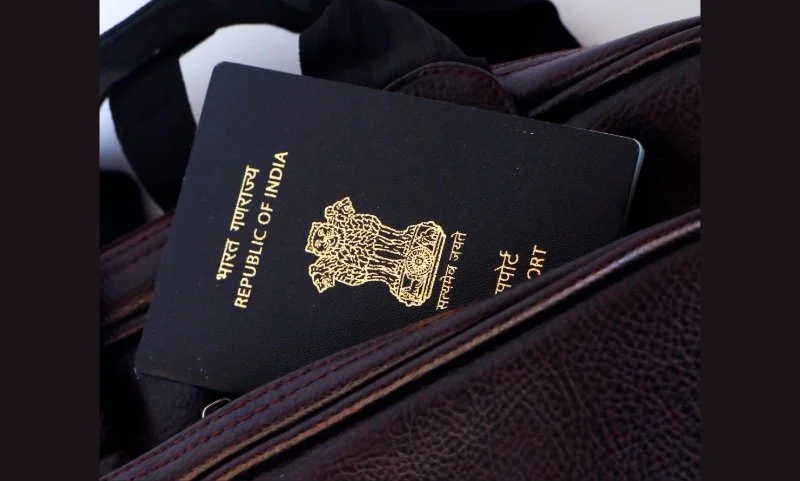
If a Voter List Error Can Cost a Journalist His Passport, What Could It Cost Millions of Others?
R. Rajagopal, a former editor of The Telegraph, says his passport renewal has been held up after police reported that his name had been deleted from the electoral roll during a recent Special Intensive Revision (SIR) of the voter list. Does this mean an exercise built to catch duplicate and inaccurate entries may now begin to decide, in practice, who is a citizen with standing to travel, work or have access to government services?

The Problem With West Bengal’s Election Officer Becoming the Chief Secretary
The new Bharatiya Janata Party (BJP) government in West Bengal has appointed Manoj Agarwal, the state’s former Chief Electoral Officer (CEO), as the next Chief Secretary, the highest-ranking bureaucrat in the state administration. The decision draws attention because Agarwal was the official responsible for overseeing the electoral process in the state, including the controversial Special Intensive Revision (SIR) of voter rolls, before being elevated into the executive structure of the government that later won the election.
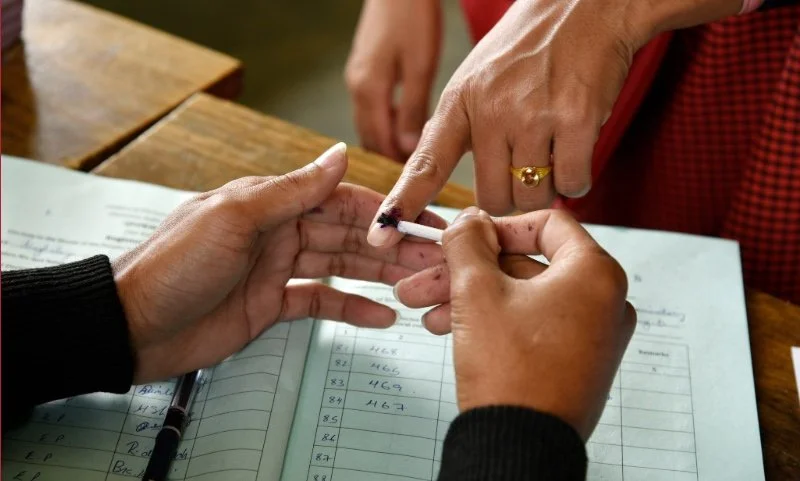
Why Citizens Participate in the Erosion of Democracy Election After Election
As West Bengal and Tamil Nadu prepare for polling, much of the public discussion has turned, as it routinely does in election seasons, to parties, candidates, alliances and campaign arithmetic. Allegations of cash for votes, political intimidation, partisan use of institutions, extraordinary security deployment, and the blurring of state power with party power appeared well before voting day. Isn’t it surprising that amid such blatant undermining of democracy, we, as citizens, continue participating in systems we know are compromised? In fact, sometimes we help reproduce the very practices we criticise.
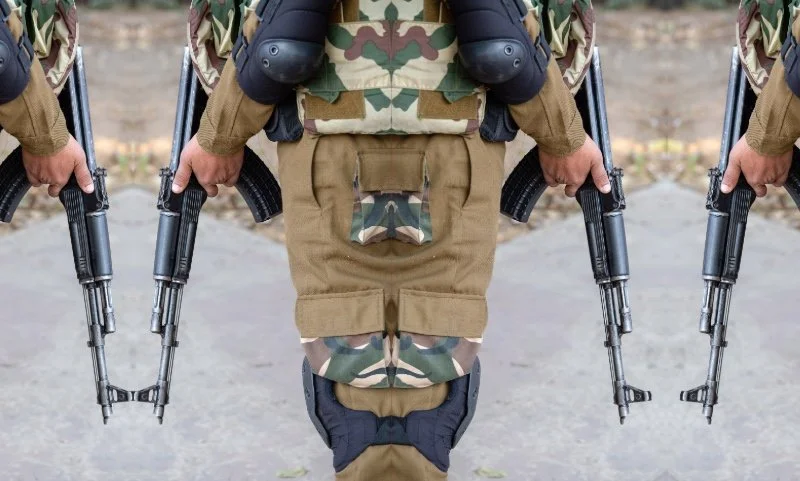
Is Heavy Central Forces Deployment in West Bengal Election Justified?
The Election Commission has deployed more than 240,000 Central Armed Police Forces personnel for Phase 1 of the 2026 West Bengal Assembly election, covering 152 of the state’s 294 constituencies, with a further 500 companies to remain after counting and 200 guarding voting machines and counting centres. The scale of this deployment, relative to what the state of security in West Bengal actually warrants, is a question worth putting to the Commission directly.

Local Muslims Led Rescue in Kanchanjunga Train Accident
Recent calamities and tragedies in India, including the Kanchanjunga Express train accident in West Bengal, show the instinctual response of Indians to help one another in times of disaster. This behaviour stands in stark contrast to the divisive tactics employed by certain political figures along religious and caste lines, demonstrating that inherent unity transcends manufactured divides.