
Anti-Conversion Laws Are a Question of Citizens’ Rights and Freedoms
Maharashtra becoming the 13th state to enact an anti-conversion law once again raises a legal question that goes further than the protection of Christian and Muslim minorities, as the issue is often portrayed. Laws regulating conversion from one religion to another should be assessed by how they affect every citizen’s freedom of conscience and religious expression, rather than by which religious community they appear to protect or threaten.
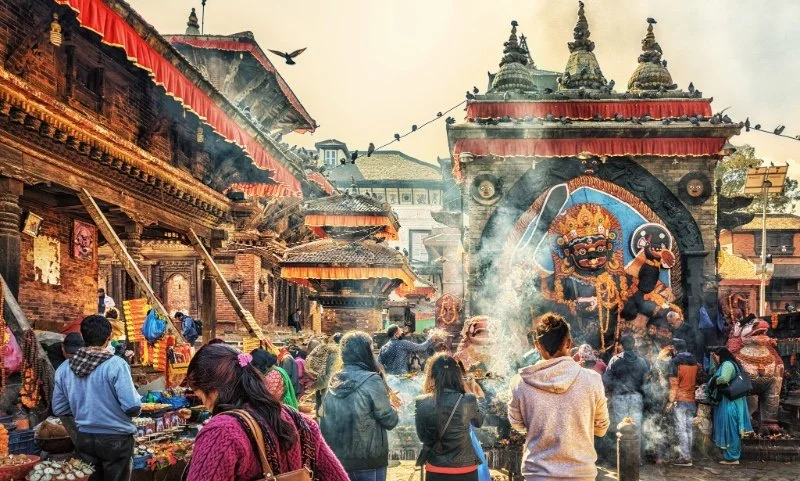
Nepal’s Political Mood Is Becoming Religiously Charged
Nepal underwent an epochal political upheaval just a year ago, toppling the government in a fashion few could have imagined. An even more dramatic development followed. Voters handed a near-supermajority to the Rastriya Swatantra Party (RSP), which was founded only four years earlier. Its senior leader, Balendra Shah, became the youngest prime minister in Nepal’s history and has since been leading the country.

Beaten as a Dalit, Denied Protection Because He is Christian
A recent case exposes that the law has wrongly misunderstood that conversion to Christianity or Islam automatically ends the caste discrimination faced by Dalits. Chinthada Anand, a convert to Christianity, was allegedly attacked as a Dalit in Andhra Pradesh, but the Supreme Court ruled that he could not receive the protection under the SC/ST (Prevention of Atrocities) Act because he was no longer legally recognised as a Scheduled Caste. This raises the question of whether the SC/ST Act should ask what religion the victim follows or whether society, including the alleged attackers, treated that person as a Dalit.
In Tamil Nadu, the Right to Pray Without Permission Is Slowly Eroding
Tamil Nadu’s courts appear to have quietly narrowed a constitutional right over the last seven years without ever admitting they were doing so. Every order still cites the same protection for peaceful prayer, but the burden to prove that prayer is harmless has effectively moved from the state to the worshipper. That change is invisible in any single ruling, and becomes clear only when the rulings are read one after another, in the order they were made.
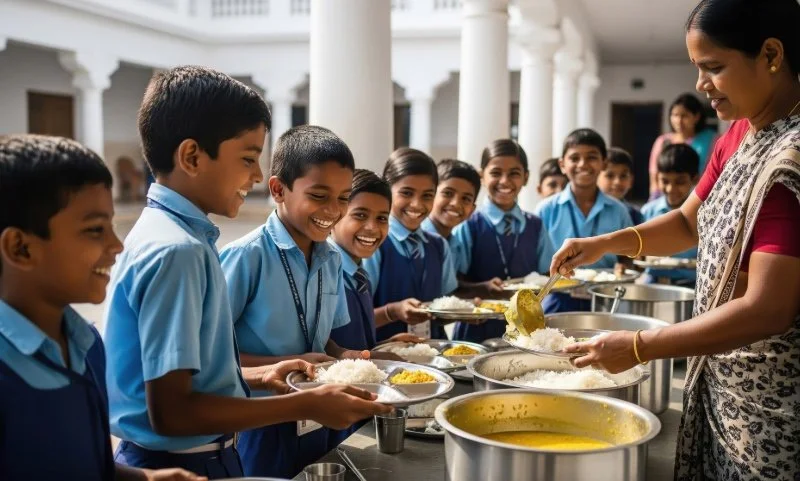
The Problem With Removing Eggs From Bengal’s Mid-Day Meals
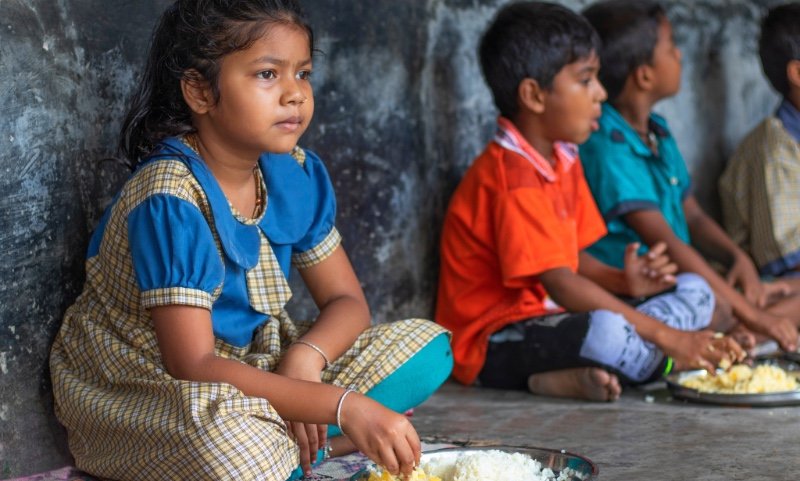
The West Bengal government has appointed the religious organisation ISKCON to provide mid-day meals in schools under the Kolkata Municipal Corporation area, replacing eggs with a strictly vegetarian menu that includes items such as paneer, rajma and soybeans, which also contain protein. However, will replacing eggs with a compulsory vegetarian menu improve, maintain or reduce actual nutrition among children from low-income households?
NGOs Can Receive Foreign Funds Only for Government-Approved Purposes
The Union Home Ministry has amended the rules governing how non-governmental organisations receive foreign money, requiring them to select their stated purpose from a government-prescribed list and barring them from proselytising under several categories of activities eligible for registration.

Why Indian Americans Are Liberal in the US and Conservative in India
A person who speaks warmly of democracy or equality may sound principled in general conversation, but the harder test comes when the question concerns the power, safety or identity of that person’s own group. A new study of Indian Americans suggests that many respondents supported more liberal positions when they were thinking about the United States and more conservative positions when they were thinking about India. Muslim Indian Americans were more consistently liberal in both countries.
Why India’s Heat Crisis Falls Hardest on Dalits and Muslims
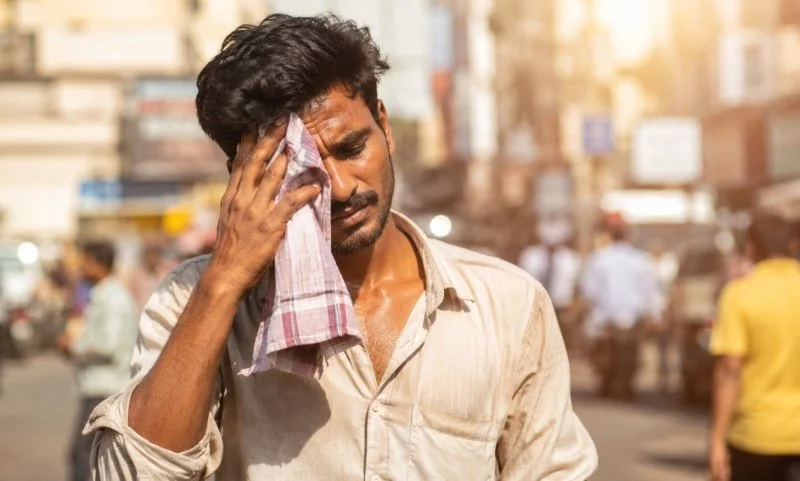
India’s caste system has long assigned the most physically exposed forms of labour to the communities least able to refuse them. That old arrangement has taken on new urgency as summer temperatures push past the limits of human endurance. Sections of the Muslim community also bear a disproportionate burden during heatwaves because of residential exclusion.
Heard of ‘Hindutva Pop’ Music? Report Maps How It’s Spreading Hate
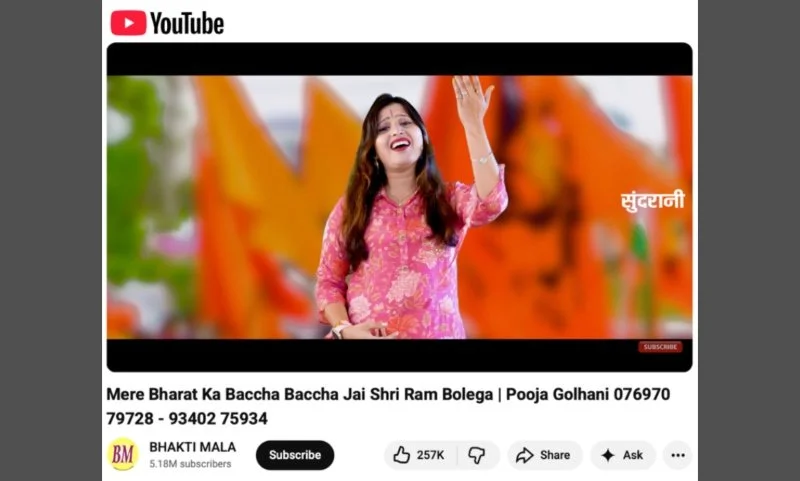
A genre of Indian music, called “Hindutva pop,” or H-Pop, is being used to vilify and dehumanise Muslim and Christian minorities on four of the world’s largest digital platforms, according to a new report by the U.S.-based research group Center for the Study of Organized Hate (CSOH).
Behind the Growing Attacks on Hindus in Bangladesh
A Hindu businessman was attacked by a mob in Bangladesh’s Shariatpur district on 31 December 2025. He was beaten with sharp weapons, doused in petrol and set on fire. This was the third such attack in a month, part of a larger pattern of violence against religious minorities since the fall of the previous government. The incident shows that the interim administration has failed to enforce the rule of law in cases involving political or communal violence. That failure has left the country’s transition in a dangerously exposed state.
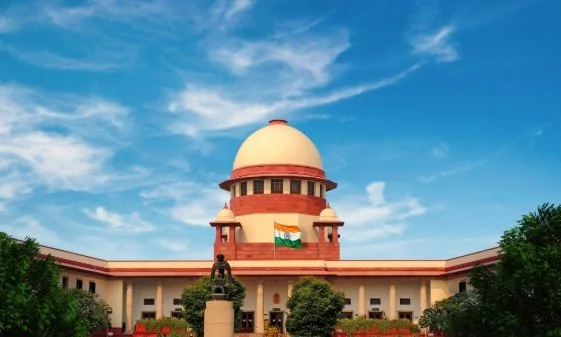
Why Shoe Thrown at CJI Over Idol Remark is Disturbing
A lawyer who threw a shoe at Chief Justice of India B.R. Gavai inside the courtroom after his public interest petition was dismissed has said he does not regret it. His unapologetic stance suggests the act was not a sudden emotional reaction. It appears to reflect ideological absolutism, the belief that one’s views are unquestionable, which can lead individuals to defy democratic norms, justify disruption in the name of faith and assume public support for such behaviour.
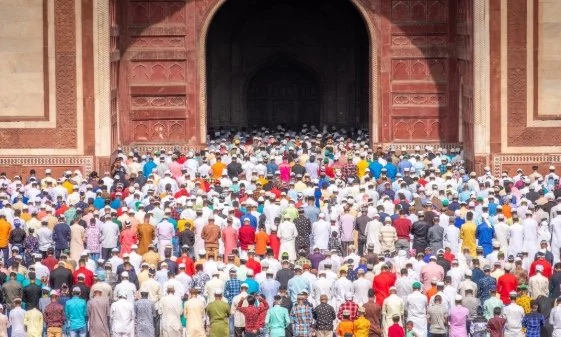
Is Uttar Pradesh’s Crackdown on ‘I Love Muhammad’ Just and Wise?
Uttar Pradesh has launched a series of criminal and administrative actions after banners reading “I Love Muhammad” appeared during a Milad-un-Nabi procession in Kanpur. Following complaints that the banners had been placed in new locations and that some other posters were allegedly removed, police registered FIRs, made arrests and moved to demolish properties linked to those accused. The government’s response raises serious concerns about proportionality, neutrality and wisdom in governance.
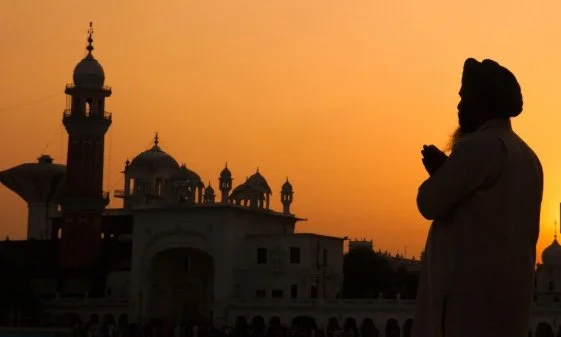
Punjab’s Anti-Sacrilege Bill Could Trigger Repression, Violence: Former Civil Servants
A group of 79 retired civil servants has raised alarm over a draft law in Punjab that seeks to criminalise sacrilege, warning that it could open the door to repression, religious strife, and misuse of power. In a joint letter, they urged the state’s legislature to scrap the proposed Punjab Prevention of Offences Against Holy Scriptures Act, 2025 entirely.
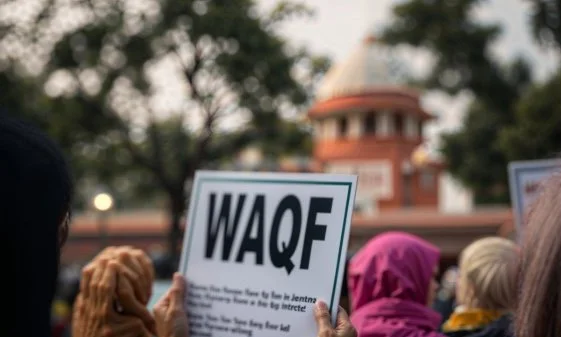
Waqf (Amendment) Act 2025 Partially Stayed by Supreme Court
The Supreme Court has temporarily blocked certain parts of the Waqf (Amendment) Act, 2025, a law that governs how Muslim religious and charitable properties are managed in India. The Court’s interim order, delivered on Sept. 14, comes in response to widespread legal challenges from political leaders and Muslim organisations. The judges noted that it is rare for courts to pause the implementation of a law passed by Parliament, and such action is taken only when there is a strong legal basis.

New Rajasthan Bill Creates Unequal Rules for Religious Conversion
The Rajasthan Assembly passed the Rajasthan Prohibition of Unlawful Conversion of Religion Bill, 2025, on Sept. 9. One of its most troubling features is how it redefines religious conversion, saying that returning to one’s “ancestral religion” is not considered a conversion at all. This definition, also found in similar laws in other states, creates an uneven legal standard that protects some religious identities while exposing others to state scrutiny, criminal charges and harsh punishment.
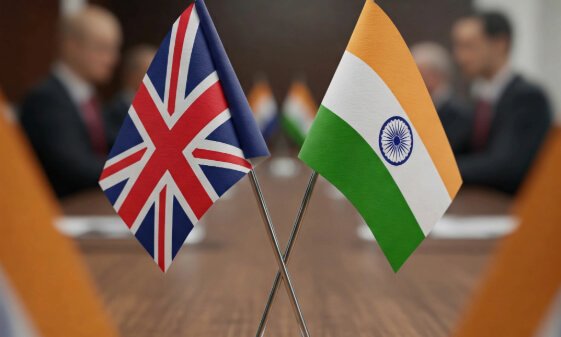
UK to Monitor Religious Freedom in India Under New Foreign Policy Focus
Britain has named India among 10 countries it will closely monitor for violations of religious freedom as part of a new foreign policy strategy. The move links the United Kingdom’s international relations more directly with the defence of freedom of religion or belief.
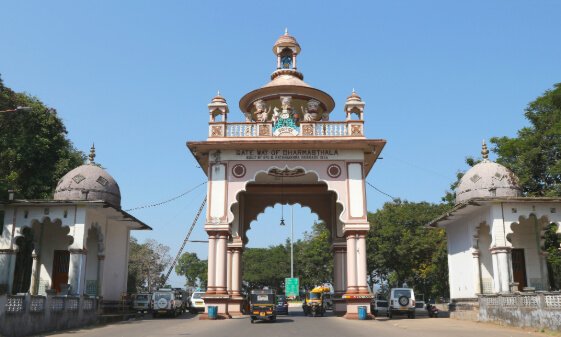
Mass Burials, Rape, Paedophilia at Karnataka’s Dharmasthala Temple: Whistle-Blower
A former sanitation worker has testified in court that for nearly two decades he was forced by men linked to the Dharmasthala temple administration to bury the bodies of women and girls killed after being sexually assaulted within the temple premises in Karnataka. His claims, allegedly backed by skeletal remains and burial site details, point to a long period of institutional silence and inaction on disappearances reported in the region over the last thirty years.
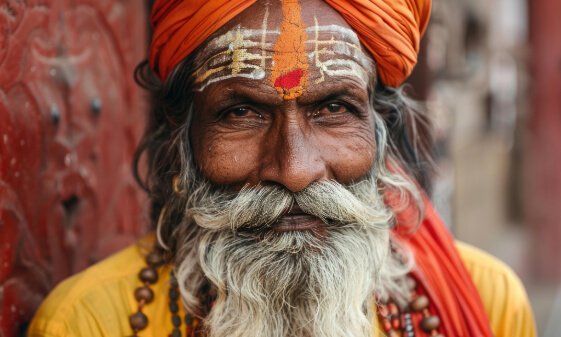
Uttarakhand Targets ‘Fake Sadhus,’ Risking State Overreach into Religious Identity
The Uttarakhand government has launched Operation Kalanemi, a state-wide police campaign to identify individuals posing as saints and Kanwariyas. The stated aim is to preserve the religious and cultural sanctity of the state. This raises a serious constitutional concern, because it suggests the government is stepping into the role of deciding who counts as a legitimate religious figure, a function it has no authority to perform in a secular democracy.
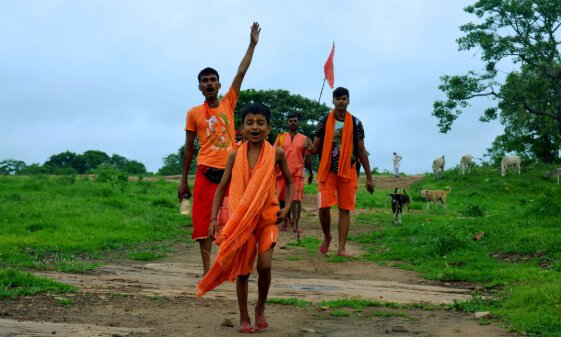
Kanwariya Violence and the Rise of ‘Para Sovereignty’ in Public Life
A group of Kanwariyas, religious pilgrims, beat up a man and smashed his motorcycle over a minor collision in Uttar Pradesh on July 10, while the police merely “pacified” the crowd and escorted the victim to safety. This is not an isolated incident, and there is a name for what such actions, now increasingly common, represent: para sovereignty. It refers to situations where groups outside the state act as if they have the authority to enforce rules, punish others and dominate public space – powers that belong solely to the state.

The Quiet Power of a 90-Year-Old Monk That China Cannot Silence
China stands as a global giant, with the world’s second largest economy, an expanding military footprint and growing influence in international diplomacy. Yet for all its power, it remains deeply unsettled by a monk living in exile in the Indian Himalayas – the Dalai Lama, who will turn 90 on July 6. The reason lies in what he symbolises and what China has failed to control despite decades of effort.