
‘No Village Is Safe’: Kuki-Zos Demand President’s Rule After Fresh Killings in Manipur
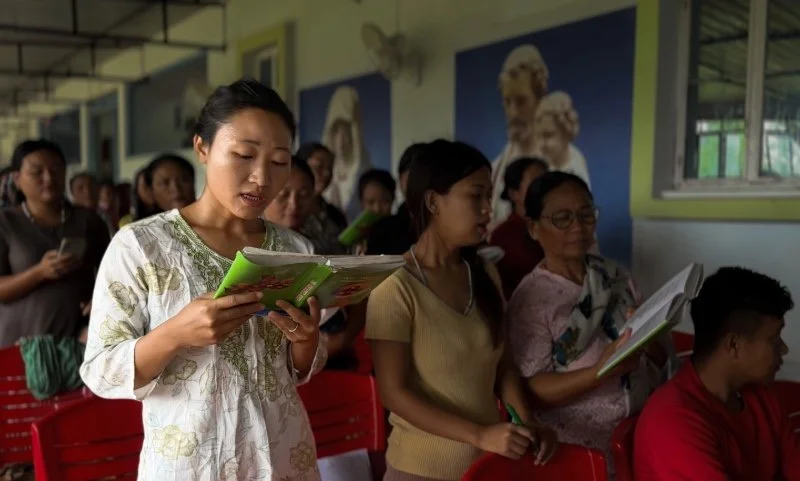
At around four o’clock in the morning on September 13, gunmen entered a house in L. Tollen village in Tamenglong district of Manipur. They shot Lhingzangai Singsit as she slept beside her husband, Seineh. He took a wound that killed him days later. Their son Henminsang, four years old, was hit by the same gunfire, and the injury to his hand has needed continuous treatment since.

Pastors’ Killing Exposes Fragile Rule in Manipur After President’s Rule
The recent killing of three Kuki Baptist pastors in an ambush showed that Manipur’s three-year conflict has widened beyond the Meitei-Kuki divide. The attack came barely three months after President’s Rule was revoked and a new council of ministers was sworn in. What began in May 2023 as violence between the valley-based Meitei community and the Kuki-Zo tribes had already claimed hundreds of lives and displaced tens of thousands, most of them from the tribal Kuki-Zo communities.

Killing of Pastors in Manipur Was a ‘Proxy’ Attack, Kuki-Zo Groups Claim
Three Kuki-Zo Christian pastors were shot dead on May 13 after armed gunmen ambushed two vehicles travelling through Kangpokpi district in Manipur. The killings led Kuki-Zo organisations to suspect that a Naga militant faction may have carried out the attack in coordination with valley-based Meitei insurgent groups.
Fresh Violence in Manipur; Court Hears Case on Ex-CM’s Alleged Role in 2023 Unrest
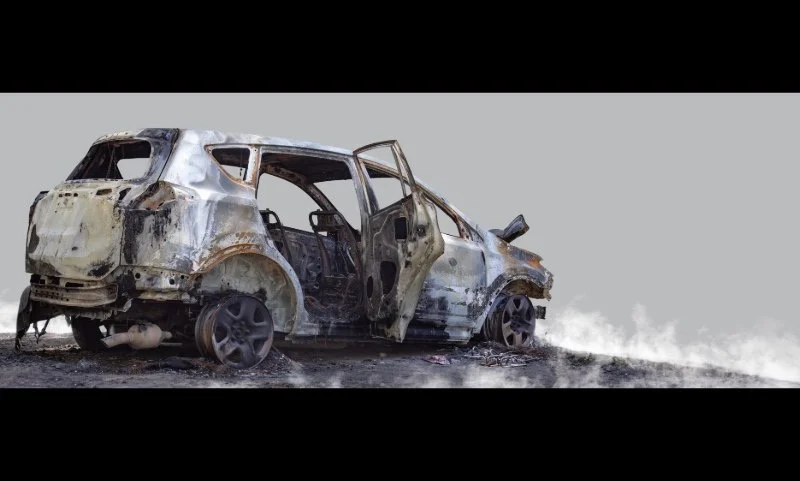
The Supreme Court expressed frustration on April 6 over repeated forensic delays in authenticating audio clips that allegedly implicate former Manipur Chief Minister N. Biren Singh in the state’s ethnic violence. Meanwhile, a bomb attack the following day in Manipur’s Bishnupur district killed two children and triggered fresh unrest.
‘No One’ Killed This Manipur MLA, and That Defines the State’s Accountability Crisis
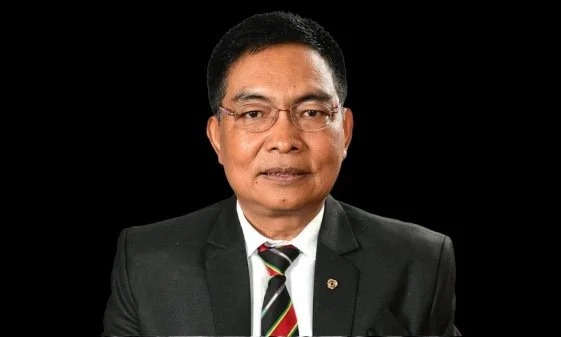
Vungzagin Valte, a Manipur MLA from the ruling Bharatiya Janata Party (BJP), died on February 21 after nearly three years of medical complications caused by a mob attack during the 2023 violence. His case remains pending and no arrests have been reported so far. The continuing absence of visible justice may further deepen the political disillusionment of the Kuki-Zo community in its relationship with the state government.
On Manipur’s New ‘Phantom’ Government
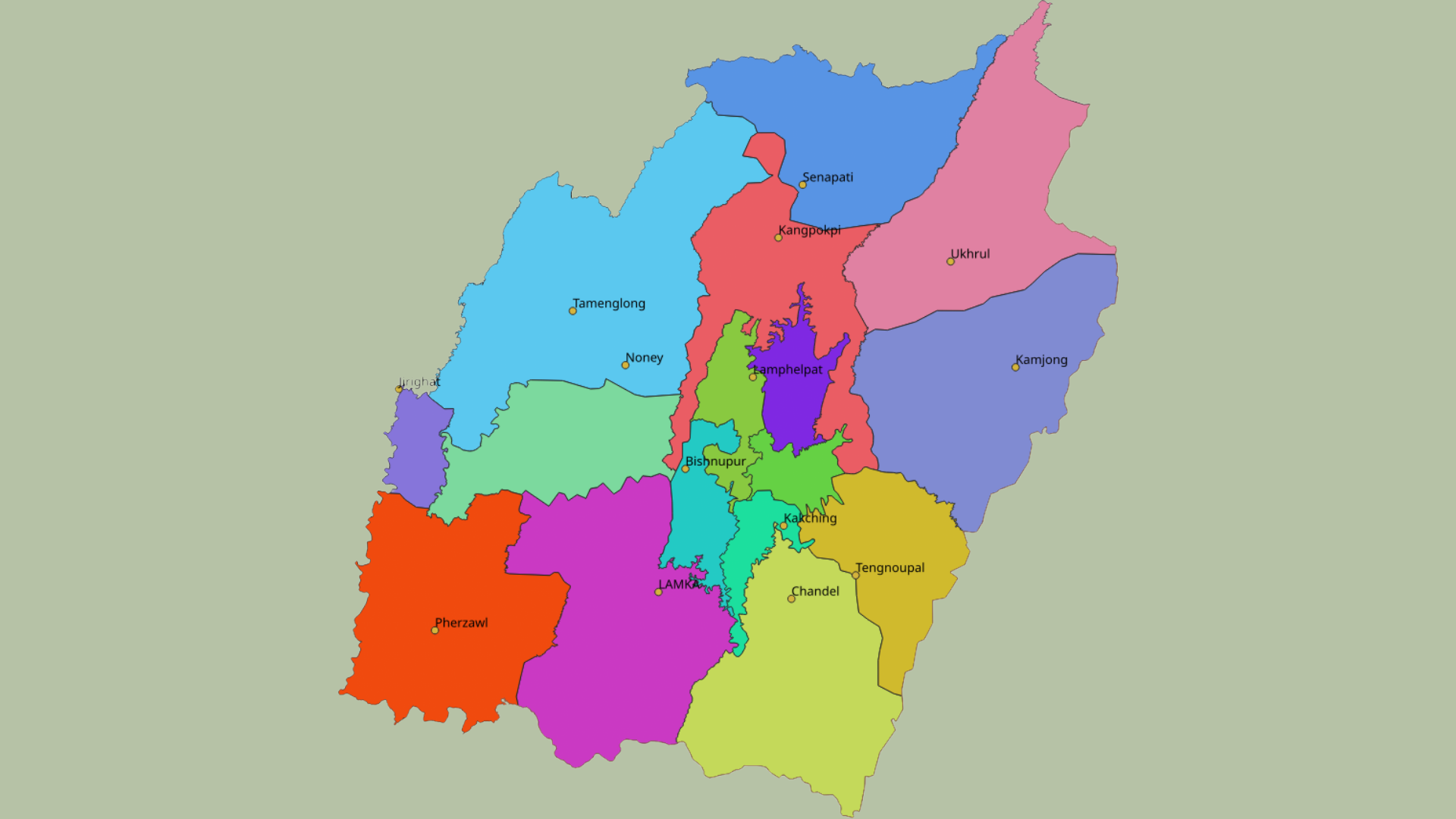
Manipur now has a new government, which on paper, signals the return of democratic rule after a one-year spell of President’s Rule. But in reality, the state remains deeply divided and only partially governed, with large sections of the population still excluded from its reach since a deadly and prolonged wave of violence began on May 3, 2023. The situation calls to mind the idea of a “phantom government,” a structure that holds office but cannot carry out the basic functions of governance.
Manipur: Kuki-Zo Groups Denounce Shaurya Chakra Award to CRPF Officer
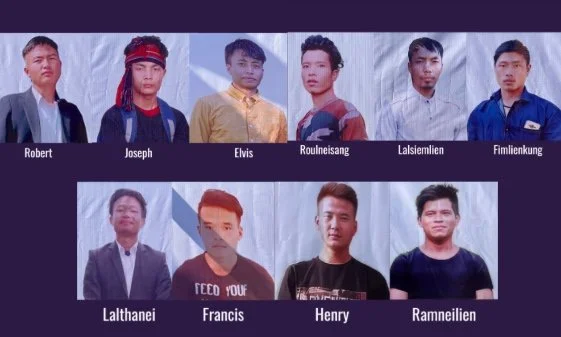
A Kuki-Zo tribal group has condemned the Indian government’s conferment of the Shaurya Chakra to a Central Reserve Police Force (CRPF) officer allegedly involved in the November 2024 killing of 10 civilians in Manipur, calling it a “state endorsement of the extrajudicial killing.”
Kuki-Zo Woman Survived the Violence, but Not the Wait for Justice
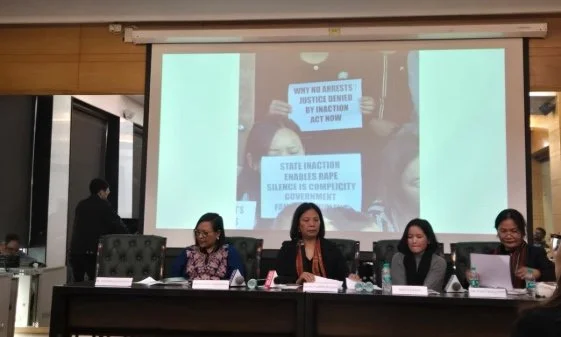
Abducted and gang-raped at the age of 18 during the early days of violence in Manipur, a Kuki-Zo woman died waiting for justice on January 10, 2026, in a hospital in Guwahati, more than 500 kilometres away. Her death has triggered renewed outrage and demands for accountability and structural overhaul in Manipur’s administration.
Manipur Rape Survivor Dies After 20 Months in Trauma Care; Mother Pleads for Justice
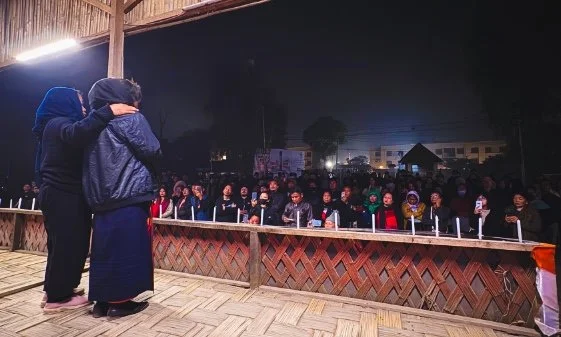
A 20-year-old Kuki-Zo tribal woman who was abducted, gang-raped and left for dead during the early days of the ethnic violence in Manipur died on January 10 from medical complications caused by the injuries she suffered nearly 20 months earlier. Her mother, speaking to Newsreel Asia, said all she wants now is justice for the heinous crime.
Supreme Court Orders Full Forensic Test of ‘Manipur Tapes’ on CM Biren Singh
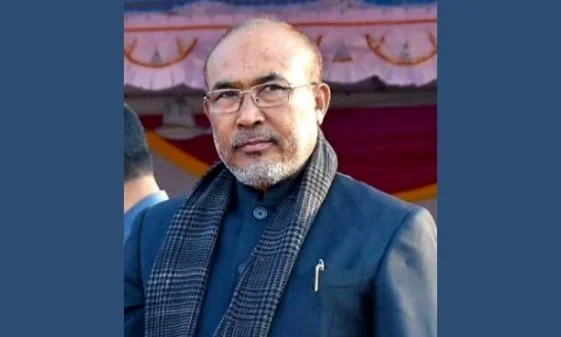
The Supreme Court has directed the Manipur government to send the full 48-minute audio recording, allegedly featuring former chief minister Biren Singh discussing his role in the 2023 ethnic violence, to the National Forensic Science Laboratory (NFSL) in Gujarat for voice analysis and authentication. The violence left over 250 people dead, displaced tens of thousands, and areas inhabited by the Kuki-Zo tribes remain cut off from Meitei-dominated regions to this day.
In Manipur, ‘Peace’ Must Not Be Sought at the Cost of Justice
Manipur’s Governor appears to be calling for peace without addressing justice, accountability or institutional reforms, despite the previous state government being accused of supporting one side and enabling the systemic targeting of one community. The Governor’s current stance suggests an expectation for the people of Manipur to simply “move on,” as if the past can be set aside without justice or accountability.
Manipur’s ‘Territorial Integrity’ Is a Risky Narrative
In his resignation letter, former Manipur Chief Minister N. Biren Singh urged the Central government to protect the state’s “territorial integrity.” And then days after President’s Rule was imposed, his BJP colleague Sambit Patra gave the same assurance. Both politicians seem to have ignored the risks of refusing to consider state reorganisation, which is not the same as separatism.
President’s Rule Alone Can’t Resolve Crisis in Manipur
Manipur’s Governor has imposed President’s Rule days after N. Biren Singh resigned as the Chief Minister – a belated official acknowledgment that the state government could not function according to constitutional provisions. The critical issue now is whether President’s Rule can ensure that Manipur will be able to operate within the constitutional framework within its maximum allowable period of three years.
Manipur Chief Minister’s Resignation: What Next? How Soon?
The February 9 resignation of Manipur Chief Minister N. Biren Singh, which conveys little remorse or admission of failure, must at least be followed by swift and constitutionally sound action from Governor Ajay Kumar Bhalla to ensure that this potential first step toward resolving the prolonged conflict is effective.
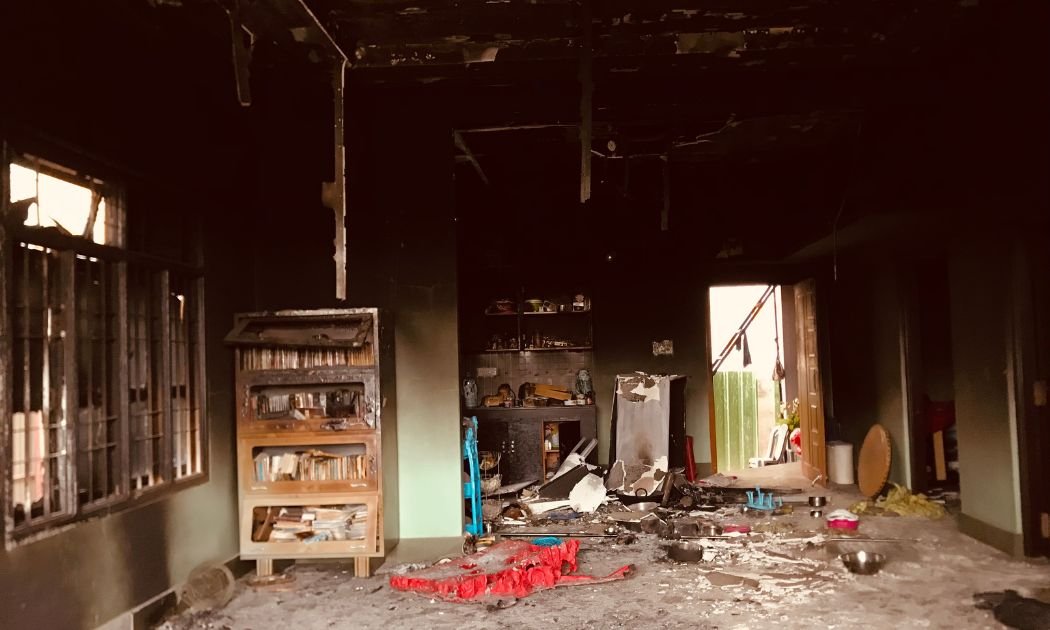
Manipur: Prolonged, Preventable Suffering of Meiteis, Kuki-Zos, Nagas
What does India have in common with the Democratic Republic of Congo (DRC), Nigeria, South Sudan and Ethiopia? Like these four African countries, India has been experiencing armed conflict between two ethnic groups in Manipur for over 21 months. However, unlike these nations, India possesses a significant capacity to control armed unrest, an area in which it can be considered “privileged.”
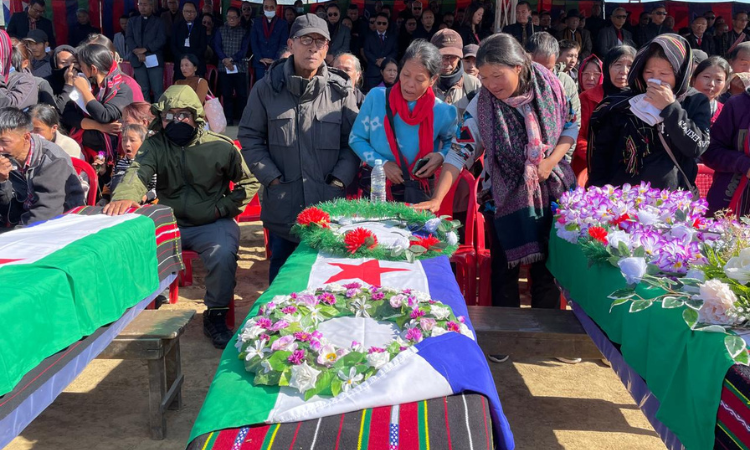
Manipur Autopsy Reports: 10 Kuki-Zos Killed in CRPF Firing
A thorough analysis of the autopsy reports for the 10 Kuki-Zo “village volunteers” killed in Manipur during an alleged gunbattle with the Central Reserve Police Force (CRPF) suggests that the young men were shot from behind or from multiple directions and at close range. Some of them also sustained injuries that cannot solely be attributed to gunfire.
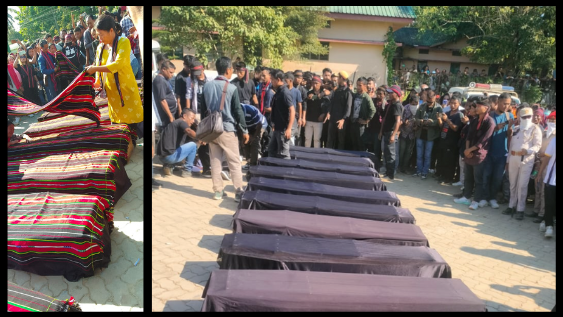
Autopsy Reports Indicate CRPF Misconduct in Manipur
Ten young men from the Kuki-Zo community in Manipur's Jiribam district recently lost their lives in what's been reported as a gunfight with personnel from the Central Reserve Police Force (CRPF). The CRPF claims these individuals, labelled as “militants,” had attacked a local police station and a nearby CRPF camp. However, subsequent post-mortem reports, seen by Newsreel Asia, cast doubt on the legality and ethics of the actions taken by the paramilitary force.
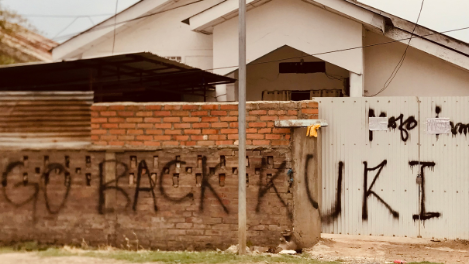
Why Does Violence Surge in Manipur Whenever Its Chief Minister Faces Crisis?
Manipur is burning yet again, marking its third major escalation since the violence began in May 2023. The initial outbreak and the three subsequent flare-ups have almost seemed predictable, each coinciding with challenges to the leadership of Chief Minister N. Biren Singh.
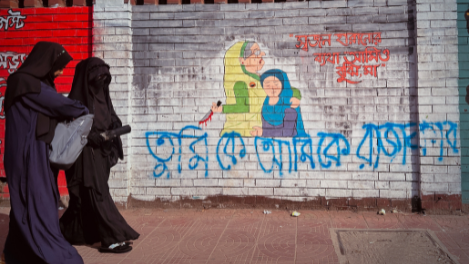
‘Manipur Tapes’ Suggest Banned Armed Groups and Police ‘Commandos’ Played a Role in Violence
The “Manipur Tapes,” currently under review by an official enquiry commission and allegedly featuring Chief Minister N. Biren Singh’s voice, suggest that Mr. Singh may have facilitated cooperation between state security forces and outlawed Meitei groups like the People’s Liberation Army Manipur (PLA) to target the Kuki-Zo minority amid the ethnic conflict that erupted in May 2023, according to The Wire.
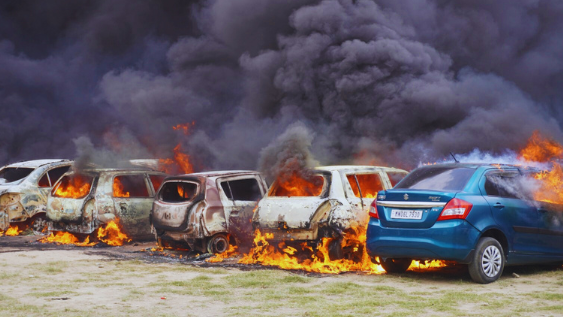
Manipur Inquiry Panel Urged to Initiate FIR Against Chief Minister Biren Singh
Advocate Prashant Bhushan has formally requested the inquiry commission, established by the Union Home Ministry to investigate ongoing ethnic violence in Manipur, to register a First Information Report (FIR) against the state’s Chief Minister, N. Biren Singh. The plea is based on the contents of the “Manipur Tapes,” which allegedly feature Singh’s voice. Representing the Kuki Organisation for Human Rights, Bhushan accuses Singh of “conspiring and orchestrating heinous crimes” against the Kuki-Zo people, asserting that his removal from office is “necessary.”