
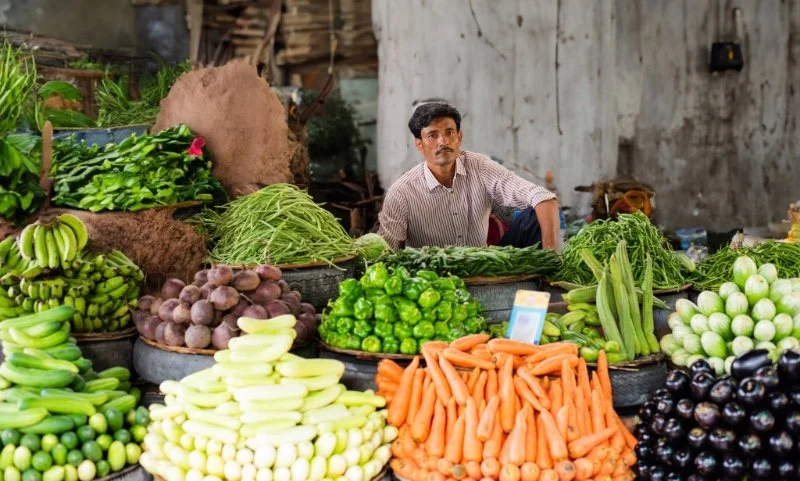
Iran War: Costs Rising in India After 4 Weeks, Impact May Grow if It Continues
Over the past four weeks, the war in West Asia has disrupted traffic through the Strait of Hormuz and increased the cost of raw materials and components used not only in fuel, but also in medicines, plastics and packaged goods in India. If the war continues for two more months, the impact is likely to become much harsher and more widespread in household expenses and access to essential services, as seen in many countries around the world during earlier conflicts.
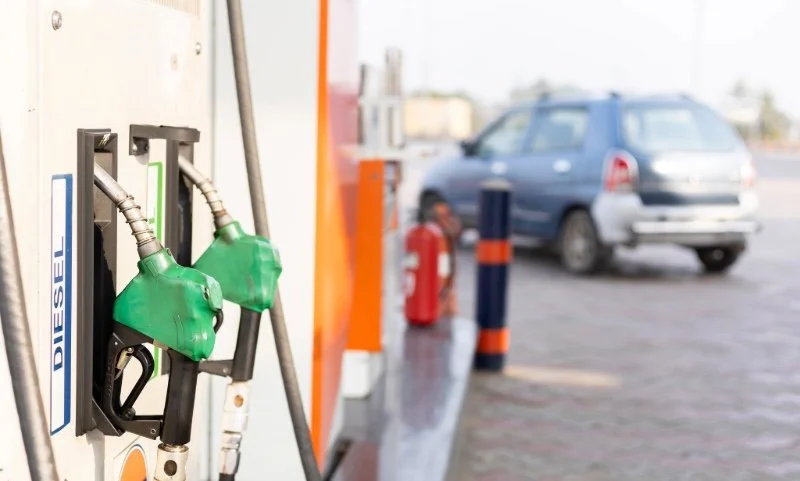
India Holds Oil Reserves for Only 9.5 Days of Demand Amid Gulf Supply Risks
India’s strategic petroleum reserves can cover only about 9.5 days of national crude oil demand if the reserves are filled to their maximum capacity, according to a government response obtained through the Right to Information law. The disclosure places India at the lower end of energy preparedness at a time of heightened supply risks linked to the ongoing Iran war.
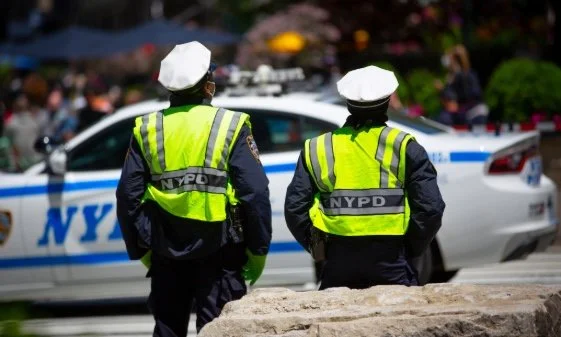
Indian Accused in US Sikh Separatist Assassination Plot Pleads Guilty
An Indian national, accused by U.S. prosecutors of working at the direction of an Indian government employee to arrange the assassination of Sikh separatist Gurpatwant Singh Pannun in New York, has pleaded guilty in a U.S. court.

Why Has Biren Singh Been Included in Manipur BJP’s Bid to Regain Power?
N. Biren Singh, the former Chief Minister of Manipur, has arrived in Delhi with a delegation of Bharatiya Janata Party (BJP) legislators and former ministers to seek the revival of an elected government in the state. His inclusion deserves scrutiny, as the Supreme Court has ordered a forensic examination of audio recordings that allegedly feature his voice making remarks linked by petitioners to the ethnic violence. The visit also comes two weeks after a deadly attack on an Assam Rifles convoy that intelligence agencies suspect was politically motivated.

Supreme Court to Review UAPA Bail Denials in Delhi Riots Case
The Supreme Court has agreed to examine whether several individuals accused in the 2020 Delhi riots “conspiracy” case, including Sharjeel Imam and Umar Khalid, who have been in jail for over three years, should be granted bail. The Court will examine how the right to liberty should be upheld in the face of serious criminal allegations, especially under laws like the UAPA that impose strict limits on bail.
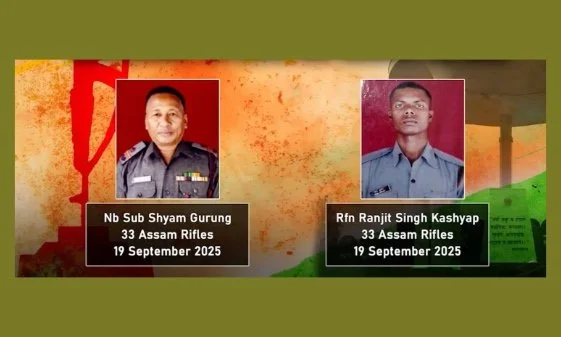
Manipur: Assam Rifles Ambush Raises Questions on AFSPA Rollback Strategy
Two soldiers from the Assam Rifles were killed and five others injured in an ambush by armed attackers on Sept. 19 as their convoy was passing through a crowded area in Manipur’s Bishnupur district, which had recently lost its designation under the Armed Forces Special Powers Act (AFSPA). The incident has exposed serious flaws in how security laws have been withdrawn from conflict-hit parts of the state.
Journalist Shot Days After Reporting on Assam’s Eviction Drive
A journalist from Nagaland in Northeast India was shot twice during a reporting trip in the neighbouring state of Manipur. The attack came days after a senior political leader in Nagaland publicly rebuked him for airing critical views on the Assam government’s eviction drive.

Rape Rising, Terror Risk High, Says US Travel Advisory on India
In a strongly worded advisory to its citizens, the United States government has warned against travel to several parts of India, citing the growing incidence of violent crime and the alleged threat of terrorism. The advisory places India under the “exercise increased caution” category, flagging sexual assault as one of the fastest growing crimes in the country.

G7 Leaders Condemn and Raise Alarm Over Rising ‘Transnational Repression’
At the conclusion of the G7 summit in Canada on June 17, leaders of the seven countries issued a statement condemning transnational repression (TNR). Here’s a look at what TNR means, and whether it also hints at India.

7 Maoists Killed in Chhattisgarh; Rights Groups Allege Custodial Executions
Seven Maoist leaders were killed over three consecutive days in armed encounters in Chhattisgarh’s Bijapur district, according to police. Civil rights organisations have alleged that at least some of them were picked up from a village, held in custody, tortured and then executed.

Do Assam’s People Need Guns—Or Just Better Governance?
The Assam government’s decision to issue arms licences to “indigenous” residents in remote areas, under the pretext of protection from “illegal immigrants,” marks a retreat from the state’s core responsibility to ensure public security. It also legitimises exclusion and replaces public trust and institutional justice with a politics rooted in fear.

Bullets or Dialogue? The Tough Choices in Tackling Insurgency
As security forces wage an all-out war against Maoist rebels in Chhattisgarh, citizens remain divided over how governments should handle insurgencies—whether to respond decisively with military force or first sit down for talks. The answer isn’t as straightforward as we’d like, because rebellions and insurgencies are almost always messy, complex affairs. But let’s unpack this clearly.
India-Pakistan Conflict: Fresh Firing Follows Night of Heavy Cross-Border Attacks
From the early hours of May 8 to the morning of May 9, a sharp escalation unfolded along the India-Pakistan border, particularly around the Line of Control (LoC) in Jammu and Kashmir. The 24-hour period was marked by intense military activity, with Pakistani troops reportedly resuming fire early on May 9, amid mutual accusations and growing international concern over the threat of a full-scale conflict.

India Strikes Pakistan with Missiles; First in Over 5 Decades
India launched a major military strike deep into Pakistan and Pakistan-occupied Kashmir early on May 7, saying it targeted sites used by terror groups responsible for the April 22 attacks on civilians in the Kashmir region. Pakistani Prime Minister Shehbaz Sharif called the attack a “blatant act of war,” promising that it “will not go unpunished” and claiming that a “resolute response is already underway.”

Is an India–Pakistan War Likely?
The April 22 terror attack in Pahalgam, Kashmir, which killed 26 civilians, has pushed India and Pakistan into one of their most dangerous standoffs in recent years. Daily gunfire is being reported across the Line of Control (LoC), diplomatic ties have been cut off and military activity is intensifying. Though there has been no formal declaration of war, the present situation carries all the signs of a serious military escalation between two nuclear-armed neighbours.
UN Urges ‘Maximum Restraint’ amid India-Pakistan Tension after Kashmir Attack
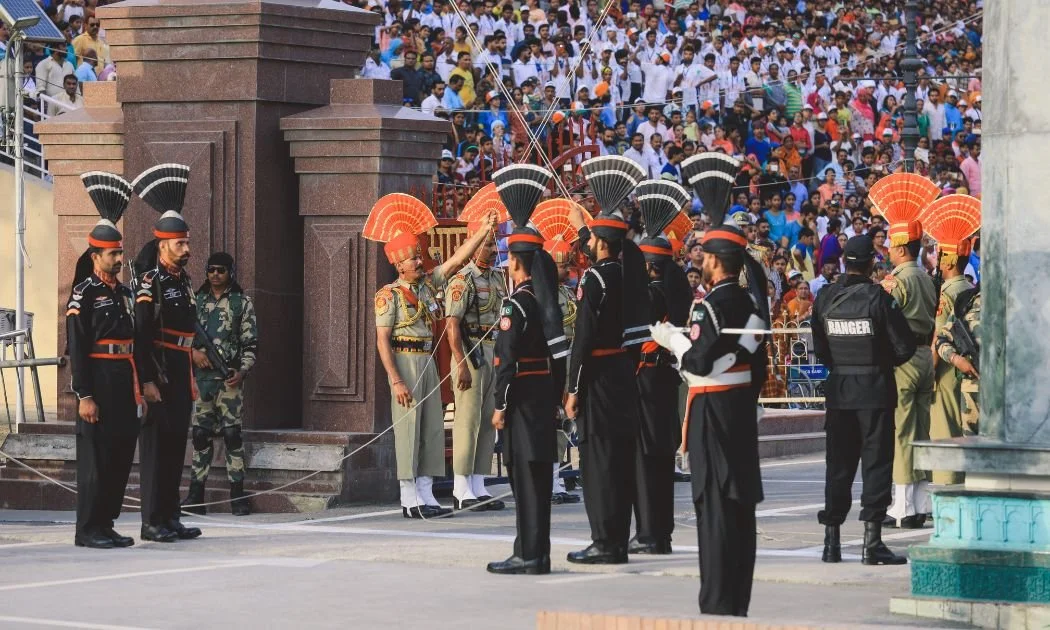
Amid tensions between India and Pakistan over the April 22 terror attack near Pahalgam in Jammu and Kashmir, United Nations Secretary-General António Guterres, speaking through his spokesman Stéphane Dujarric, has “appealed to both governments to exercise maximum restraint” and asked them to keep the situation from sliding any further.
All 26 Victims of Pahalgam Terror Attack Were Men
Gunmen opened fire on tourist tents in Baisaran meadow above Pahalgam in Jammu and Kashmir on April 22, killing at least 26 people – all men – and injuring several more, according to media reports, which quote witnesses as saying that the terrorists, who reached the car-free pasture supposedly on foot or horseback, accused some families of supporting Prime Minister Narendra Modi, shot the men at close range and then escaped into the surrounding pine forest.
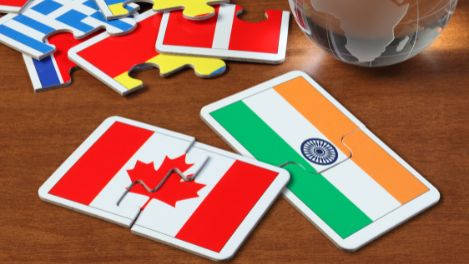
India-Canada’s Apparent Showdown Over Sikh Separatist’s Assassination
India and Canada have plunged into a deep diplomatic crisis, each expelling the other’s diplomats amid escalating tensions over the alleged assassination of a Sikh separatist leader Hardeep Singh Nijjar on Canadian soil last year.
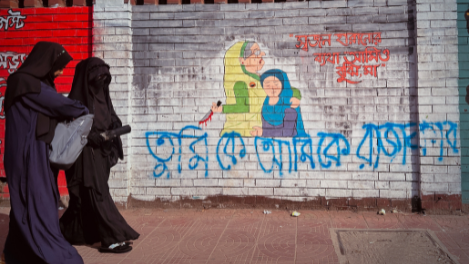
‘Manipur Tapes’ Suggest Banned Armed Groups and Police ‘Commandos’ Played a Role in Violence
The “Manipur Tapes,” currently under review by an official enquiry commission and allegedly featuring Chief Minister N. Biren Singh’s voice, suggest that Mr. Singh may have facilitated cooperation between state security forces and outlawed Meitei groups like the People’s Liberation Army Manipur (PLA) to target the Kuki-Zo minority amid the ethnic conflict that erupted in May 2023, according to The Wire.
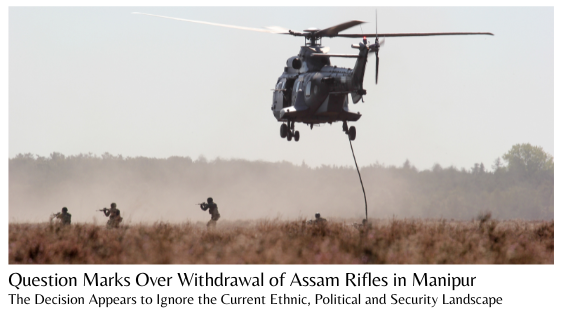
Question Marks Over Withdrawal of Assam Rifles in Manipur
The central government has reportedly directed two battalions of the Assam Rifles in the northeastern state of Manipur to relocate to the Jammu and Kashmir region for operations against militants. While it’s entirely within the rights of the Union Ministry of Home Affairs to make such decisions, the ethnic, political and security landscape in Manipur, coupled with the timing of this move, raises three significant questions.