

‘We Will Come Looking for You,’ Rahul Gandhi Tells ECI
Rahul Gandhi, the Leader of the Opposition in the Lok Sabha, accused India’s top election officials of collaborating in “vote theft” and warned that a future government would change the law to hold them accountable. Speaking in Parliament, he said, “We will change the law retrospectively, and we will come looking for you.”
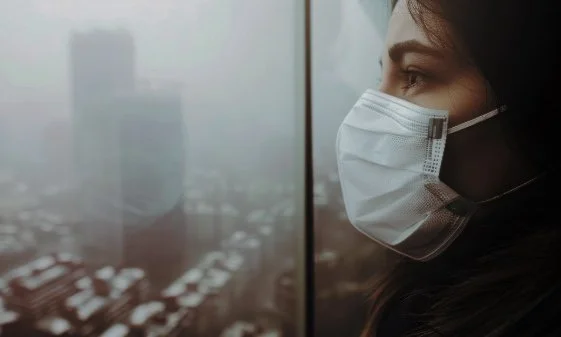
How Bad is Delhi’s Air Pollution for Your Health, What Needs to Change?
People in Delhi and nearby areas are absorbing dangerous amounts of air pollution deep into their lungs every day, far beyond what Indian or global safety standards allow. A five-year study measured how much of this pollution actually settles inside the respiratory system, offering a clearer and more direct view of the damage being caused to people’s health.
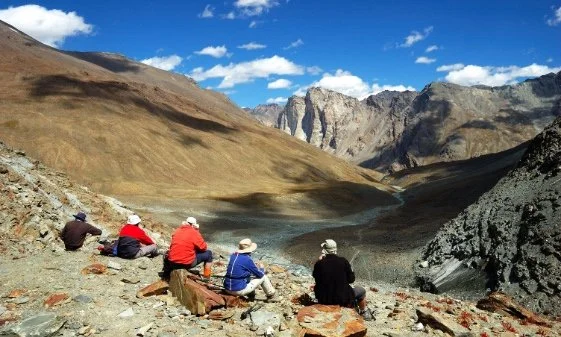
Centre Hinders Local Decision-Making in Ladakh by Withdrawing Financial Powers
The Ministry of Home Affairs has withdrawn all financial sanctioning powers from Ladakh’s local administration and elected councils, centralising them in Delhi. The move is likely to disrupt local decision-making and delay essential development in a region where planning and execution must match a narrow seasonal window.

Should the Government Be Allowed to Track Our Location Without Consent?
The central government is weighing a proposal to require smartphone manufacturers to keep satellite-based location tracking permanently active on all devices sold in the country. This would allow law enforcement and investigative agencies to access our precise, real-time location data, a step no other country has taken so far.
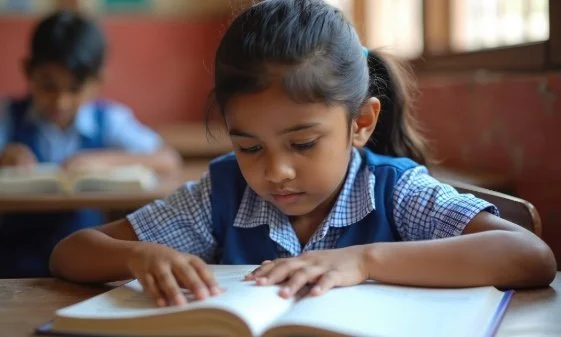
6.5 Million Children Dropped Out of School in 5 Years
Over the last five years, more than 6.5 million (65 lakh) children in India have dropped out of school, Minister of State for Women and Child Development Savitri Thakur revealed in Parliament. Among them, nearly 3 million (30 lakh) are adolescent girls. The numbers point to a large-scale rupture in India’s promise of universal education, and also to structural gaps in the way schooling is planned, supported and delivered, especially for children from marginalised families.
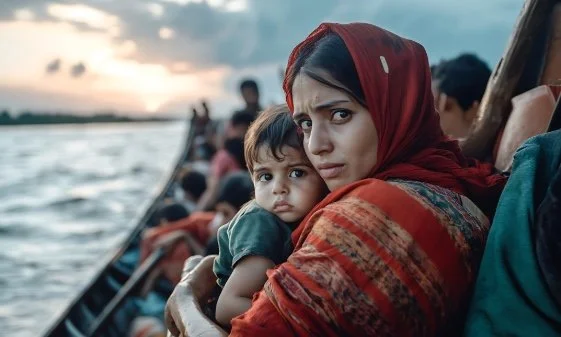
Supreme Court’s Rohingya Remarks ‘Unconscionable,’ Say Ex-Judges, Lawyers
A group of former judges and senior advocates have denounced recent comments made by a Supreme Court bench comprising Chief Justice of India (CJI) Surya Kant and Justice Joymalya Bagchi during a Supreme Court hearing on Rohingya refugees, calling the remarks “unconscionable” and contrary to constitutional values. In a public letter, the signatories said the comments dehumanised vulnerable refugees and undermined the moral authority of the judiciary.

Why 96% of Indians Have No Access to Palliative Care
Up to 10 million people in India need palliative care, yet fewer than 4% receive it, according to a new study. As a result, people with chronic and life-limiting illnesses such as cancer, heart disease or advanced neurological conditions are often left without the support they need to live their final days with comfort and dignity. They endure unmanaged pain and deep emotional distress.
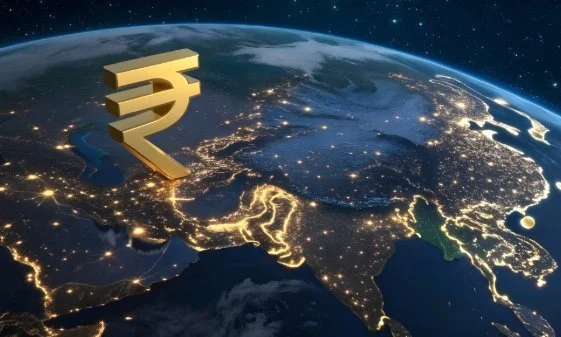
Why the IMF Gave India a Low Score on Economic Data Quality
In its 2025 Data Adequacy Assessment, the International Monetary Fund (IMF) gave India a ‘C’ grade for the quality of its national accounts and government finance data. In plain terms, that means the data has enough problems to make economic analysis tricky and sometimes unreliable.
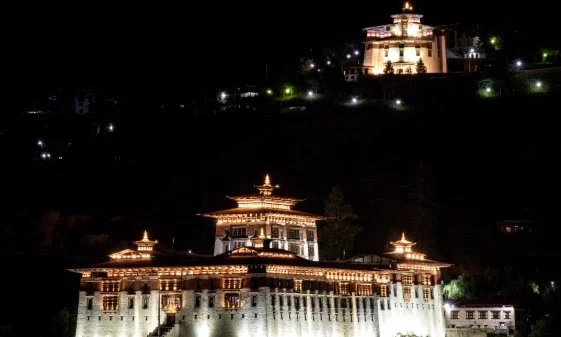
Bhutan’s Journalists Face Growing Information Blockades
Officials in Bhutan appear to have cultivated a habit of avoiding the media and withholding information, leaving journalists with few avenues for access. The resulting silence is straining an already fragile media landscape, pushing it closer to collapse.
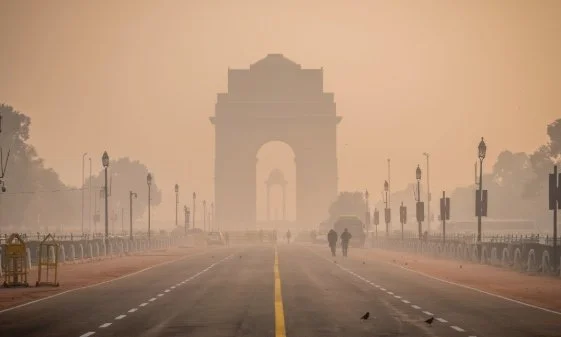
Why Delhi’s Deadly Air Suits Big Business
As pollution levels in Delhi trigger emergency measures once again this December, the public is told the usual causes: crop burning, vehicle emissions and weather. But a far more persistent source of pollution continues throughout the year, worsens the crisis each winter, and is enabled by government policy. It comes from coal power plants operating within 300 kilometres of the city.
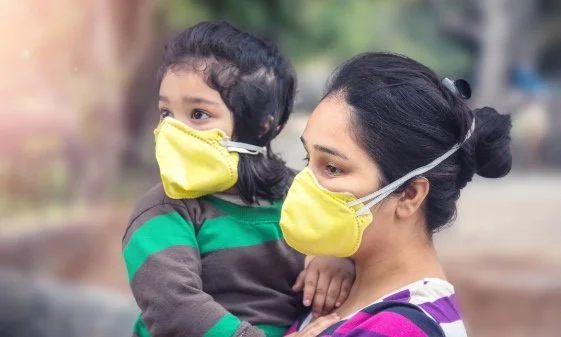
Delhi Remains World’s Most Polluted City
Delhi recorded the highest air pollution levels among global cities on December 1, with an Air Quality Index of 244. Other cities across India and Asia also reported hazardous conditions, marking a continued public health risk across the region.