
India’s 7.8 Percent GDP Growth Means Little Unless People Feel It in Their Own Lives
From the Editor’s Desk
September 2, 2026
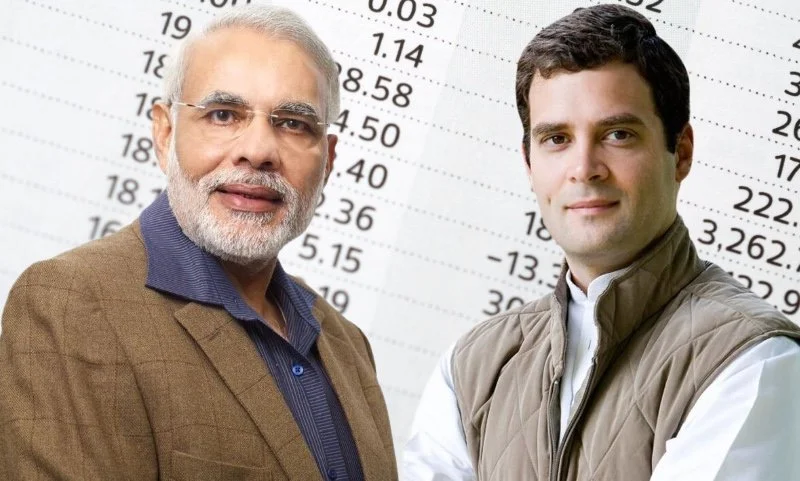
The government has announced that India’s inflation-adjusted GDP grew by 7.8 percent during April to June 2026 compared with the same three months a year earlier. Prime Minister Narendra Modi celebrated the figure in a video message and urged citizens to support the economy by avoiding foreign travel, buying less gold and holding weddings in India rather than overseas. But the apparent expectation that most citizens would also celebrate the figure and congratulate the government confuses vicarious, or symbolic, satisfaction in the country’s economic performance with an improvement people can see in their incomes, expenses and living conditions.
Citizens can feel proud that India is growing rapidly or performing better than other large economies, much as they might celebrate a national sporting victory. But their own economic condition depends on growth that produces better jobs, higher incomes, affordable necessities or better public services.
The 7.8 percent figure means that the inflation-adjusted value of everything India produced increased from 75,460 billion (75.46 lakh crore) rupees between April and June 2025 to 81,360 billion (81.36 lakh crore) rupees during the same period in 2026. It does not mean that every Indian earned 7.8 percent more. It does not even mean that the average person became 7.8 percent better off, because the population also increased and the additional income was distributed unevenly.
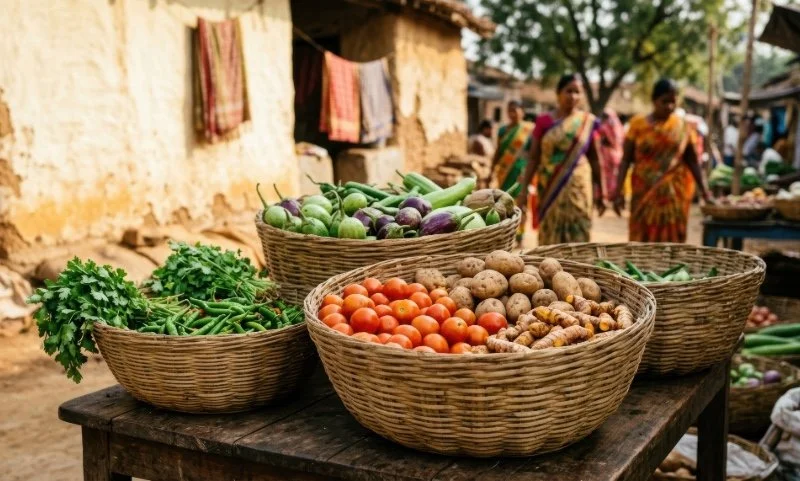
Let’s look at the sources of the growth. Financial services, real estate, information technology and professional services grew by 12.1 percent. Manufacturing grew by 9.2 percent, construction by 7.7 percent and investment in machinery, buildings and other fixed assets by 11.9 percent. Agriculture, on which about 43 percent of Indian workers depend, grew by only 3.6 percent. Mining contracted by 2.4 percent.
This means the national figure was raised substantially by sectors that employ a relatively small and often better-paid part of the population, as well as by investments that may take years to benefit ordinary households. Data centres, semiconductor plants and automated factories can involve thousands of crores of rupees while creating comparatively few jobs.

Official earnings data show the difference. The average monthly earnings of regularly salaried men rose from 22,891 rupees in 2024 to 24,217 rupees in 2025, an increase of 5.8 percent before inflation. Women’s average earnings rose from 17,126 rupees to 18,353 rupees, or 7.2 percent. After accounting for inflation, many workers may have been able to buy only slightly more with their increased earnings. Casual workers and many self-employed people may have had even less predictable incomes.
The official unemployment rate was 5.1 percent in July 2026, but this figure counts people as employed even if they find only a small amount of irregular or poorly paid work. It also excludes people who want employment but have stopped searching for it. India can therefore have a relatively low unemployment rate officially while millions remain underemployed, work without contracts or social security, or earn too little to support a family securely.
Private consumption grew by 7.1 percent during the quarter, which shows that spending did increase a little. However, that doesn’t mean that most households enjoyed a comparable improvement. Total consumption figures include the spending of every Indian. Large purchases by richer households can raise the figure significantly, while poorer families remain under pressure from food, rent, fuel, school fees and medical expenses. Some consumption may also be financed through loans, which increases present spending while leaving households with future repayments.

Citizens experience the economy through their income and expenses. If someone’s salary rose by 5 percent while the family’s essential costs increased by the same amount, GDP growth would bring no noticeable relief. If someone found work as a delivery rider without a stable salary, paid leave or insurance, the employment figures would improve while that person’s financial security remained fragile. If an inadequate government hospital forced a family to borrow for treatment, the expanding healthcare industry could add to GDP even as the family became poorer.
The government’s request that people avoid foreign holidays, gold purchases and overseas weddings was ostensibly intended to reduce the amount of money leaving India and the resulting demand for foreign currency. Even giving the government the benefit of the doubt, these concerns apply mainly to citizens wealthy enough to make such choices. Most Indians are deciding how to pay for food, education, housing, transport and healthcare, rather than whether to hold a wedding in Dubai.
For citizens, a more meaningful test of economic growth is whether it raises their wages, creates secure employment and reduces the burden of essential expenses. Those effects must become visible across a large part of the population before citizens can begin celebrating a higher GDP growth rate.
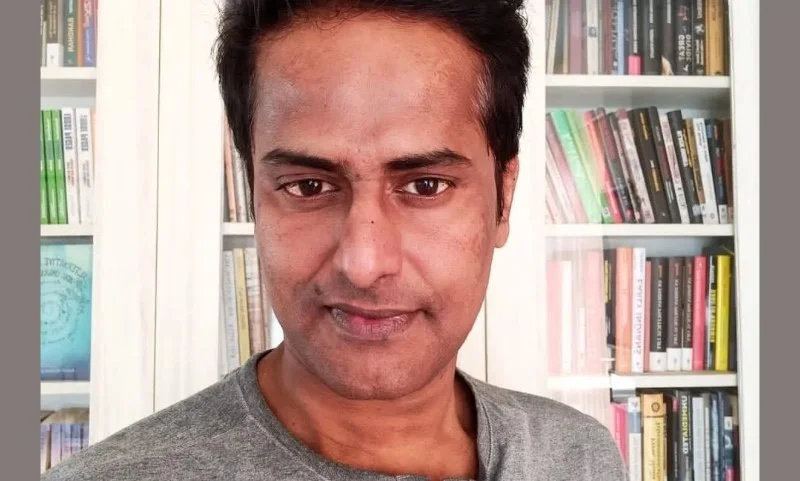
You have just read a News Briefing, written by Newsreel Asia’s text editor, Vishal Arora, to cut through the noise and present a single story for the day that matters to you. We encourage you to read the News Briefing each day. Our objective is to help you become not just an informed citizen, but an engaged and responsible one.


What happened in Mumbai on October 2 may have been only one day of protest, but the issues behind it are unlikely to disappear with the dispersal of the crowd. The protest was centred around concerns over the Election Commission, electoral rolls and the Special Intensive Revision (SIR) exercise, with protesters demanding accountability from Chief Election Commissioner Gyanesh Kumar. At the same time, similar mobilisation has been taking place across different parts of the country, with student groups, Opposition parties and civil society organisations raising concerns over the electoral process. Newsreel Asia spent the day at Mumbai Protest capturing the preparations, the police presence, conversations with protesters, the atmosphere on the streets and how the day unfolded. The speech of Cockroach Janta Party's leaders and sentiment of protestors seemed larger than the concerns regarding the electoral process. Will this lead to something bigger?