
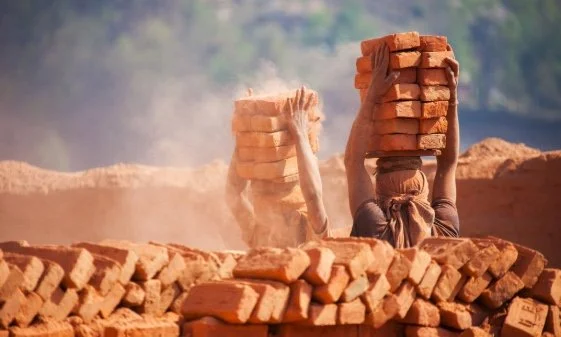
Dignity of Labour in India Must Mean Justice
In India, the idea of dignity of labour is missing in large part due to the caste system. While some discussion has begun, much of it centres on showing respect to workers or speaking favourably about their occupations. This limited framing can mask deeper issues of discrimination, exclusion and injustice. It does little to uphold the dignity of either the worker or the work.

Inside India’s Hidden Digital Market of Incest, Child Porn, Misogyny
On Sept. 10, an Instagram conversation with a young boy led me into a disturbing digital ecosystem where violent sexual content circulates freely. I now fear that a generation of boys may grow up normalising harmful sexual behaviour and misogyny.
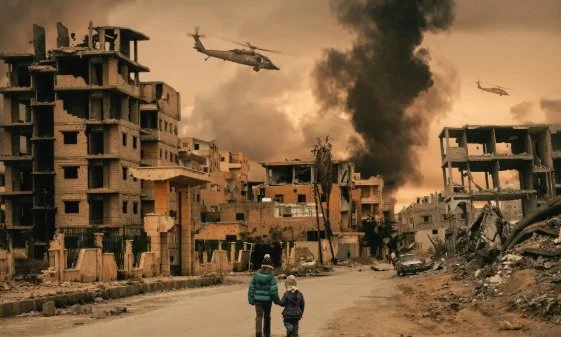
UN Issues Fresh Warning of Widespread Starvation in Gaza
Amid renewed Israeli military operations in Gaza City on Aug. 29, UN aid agencies repeated their warning that the territory is heading toward large-scale famine. A top UN humanitarian official said at least half a million people are already facing the worst levels of food insecurity, and 160,000 more could soon fall into the same category, as hunger and disease rise across the devastated enclave.

Why Work and Descent Still Define Human Worth for Millions Worldwide
Caste is not new to Indians or many South Asians. For centuries, Dalits have faced deep-rooted discrimination, exclusion and poverty because of a rigid social order that links a person’s descent to their assigned work. But this kind of inherited inequality is not just an Indian story. Over 260 million people across Asia, Africa, Europe, Latin America, and even North America face similar treatment. Addressing it will require both building a coordinated, global institutional response and confronting the deeper human impulse to rank and divide.
Sri Lanka’s New Mass Grave Reveals the Failure of ‘Peace’ Through Violence
The discovery of a new mass grave in Sri Lanka has once again exposed a truth many have long chosen to ignore—when a government uses violence in the name of peace, it does not stop with those initially targeted. It normalises a dangerous value. That value shapes the system, and in time, becomes the state’s default method of control. Eventually, it turns against everyone.
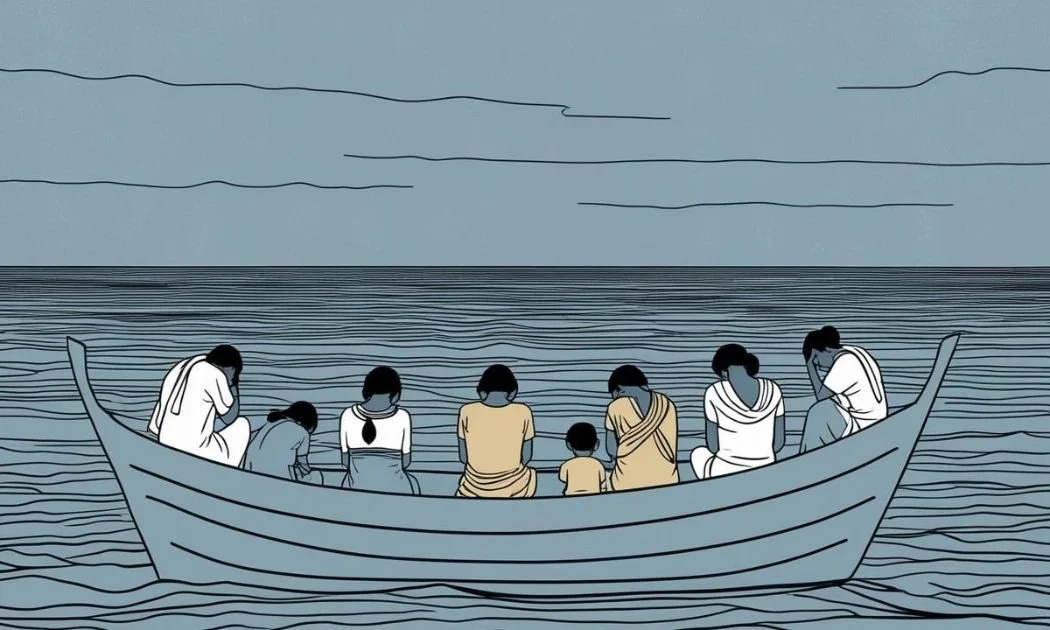
India’s Alleged Secret ‘Rendition’ of Rohingya Refugees
Indian authorities have allegedly “abandoned”—rather than deported—40 Rohingya refugees in international waters near the Myanmar maritime border, forcing women, children and the elderly to swim to safety using life jackets. The action could be seen as a “secret rendition,” a term used to describe the covert transfer of individuals across borders without legal process.

MPs Rally to End Acid Attacks, Back Survivors’ Fight for Justice
Acid attack survivors found allies in Parliament on April 2, as Rajya Sabha MP Sanjay Singh from the Aam Aadmi Party (AAP) led a meeting to push for stronger legislative action against the crime. Joined by about eight other MPs at the Constitution Club of India in Delhi, Singh amplified the demands of Brave Souls Foundation (BSF)—a survivor-led NGO—calling for stricter laws and better support for victims.
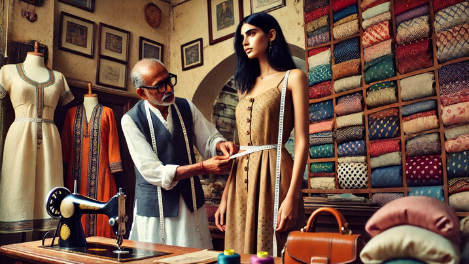
Should There Be No Male Tailors, Barbers, or Gym Trainers for Women?
The Uttar Pradesh (UP) State Women’s Commission has proposed a series of measures aimed at protecting women from harassment, including unwanted advances and inappropriate physical contact. These measures include prohibiting men from taking measurements of women in tailor shops, cutting their hair or training them in gyms. What impact would this proposal have on the residents if it were enacted? I went out to collect their reactions.
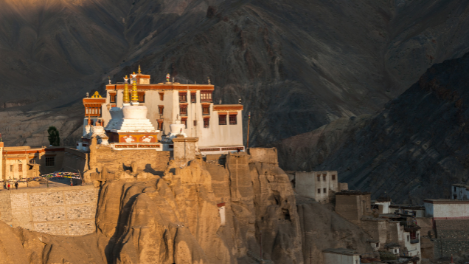
Ladakh Spokesperson Opens Up About Fears of Remaining a UT Without Legislature
Having traveled 1,000 kilometers on foot, a group is now on a 21-day hunger strike in Delhi, advocating for statehood for their homeland, Ladakh, in the Himalayas in India. On the sixth day of their fast, Oct. 11, I spoke with Mehdi Shah, a key member of the group, to understand why they are so passionate about statehood and fearful of remaining a Union Territory after four years of direct governance by a distant central authority.

Discovering the South Asian Identity
Stepping off the plane at Kathmandu Airport in Nepal, I felt a rush of anticipation. A sign with my name awaited me, and a van whisked me and fellow delegates off to a conference destined to reshape my perspective on South Asian unity. The venue, buzzing with energy, was our meeting ground.
Why the Women’s Reservation Bill Isn’t Cause for Celebration Yet
The Women’s Reservation Bill was tabled in Parliament in 1996, the same year I was born. Now, at 27, I see it has finally passed. Yet, it won’t take effect until I’m 33. Beyond this glaring delay, I have two other criticisms, one apprehension and eight suggestions for the legislation to make a difference.