
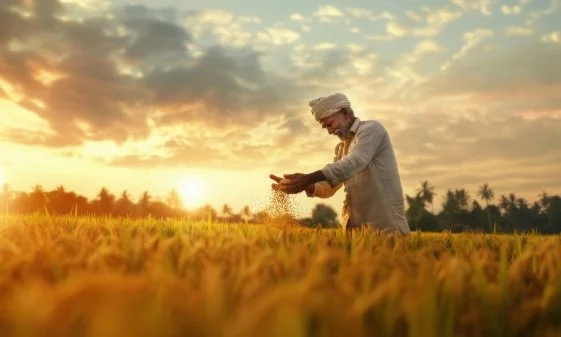
India’s Soil Is Sick, and So Is the Food on Your Plate: New Study
Most of the food we eat comes from the soil. But across India, the soil is badly damaged and missing key nutrients that crops need to grow well and carry the minerals our bodies depend on, a new report says. As a result, you can eat a full plate of food and still not get the nourishment you need.
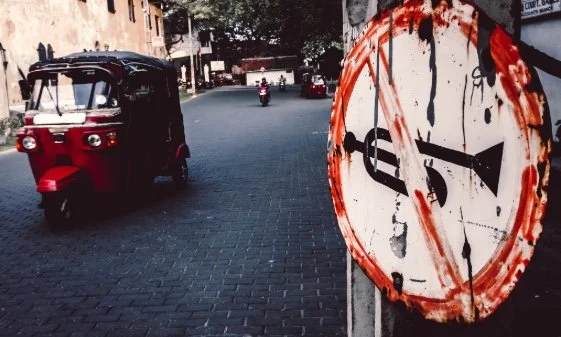
City Noise in India Is Putting Public Health at Serious Risk
India’s cities are growing louder in ways that endanger public health. New findings confirm that this environmental stressor affects both body and mind, yet monitoring remains inconsistent and enforcement weak.

How India Ranks in Quality of Life in 2026
India is ranked 63rd out of 89 countries in the 2026 Quality of Life Index, with a total score of 122.3 which is below the global average. The rankings are based on multiple measurable factors that affect daily life, including cost of living, healthcare, traffic, pollution, property prices, safety and purchasing power.
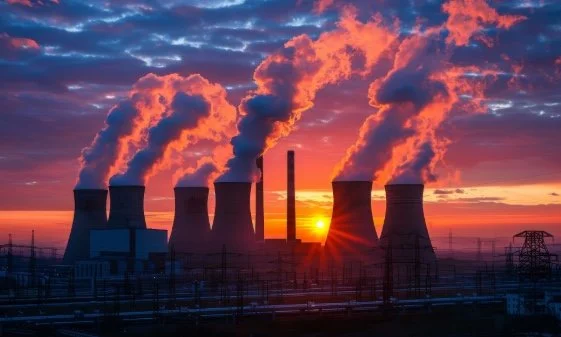
India Could Save $170 Billion by Closing Coal Power Plants Early
India could save about $170 billion (14.1 lakh crore rupees) by retiring its coal-fired power plants earlier than scheduled, according to a new study, which adds that cutting emissions can also improve public health and economic efficiency within India’s current energy system.
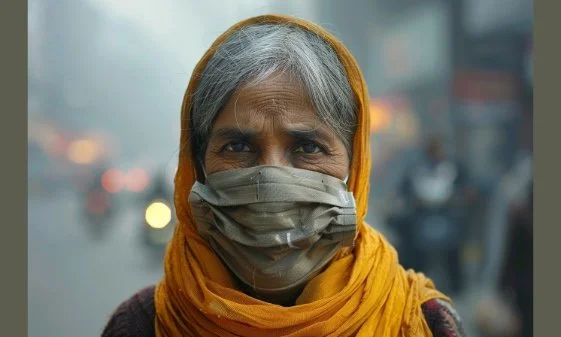
Toxic Air Chokes Most Indian Cities, Not Just Delhi
A new report shows that the majority of Indian cities are recording levels of air pollution far above the national safe standards. This shows that toxic air has become a daily reality across the country, while policies continue to misread the causes and fall short in delivering effective responses.

New Policy Risks Forest Clearing Being Counted as a Green Activity
The Union environment ministry has issued a directive allowing both private and government entities to lease forest land for afforestation and timber projects without paying the environmental compensation charges that were meant to discourage ecological loss. While afforestation can help restore damaged ecosystems when done with native species, it can also involve commercial plantations that offer little ecological value. The new policy risks treating forest clearing as an environmental contribution, even when it replaces complex ecosystems with single-species plantations.
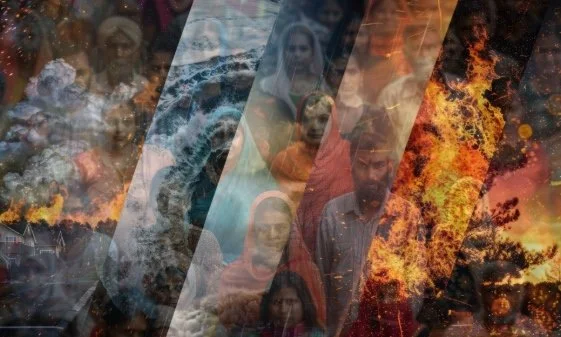
India Faced Daily Extreme Weather in 2025, Averaging 12 Deaths Every Day
India experienced extreme weather on 331 of 334 days between January and November 2025, with an average of 12 deaths reported daily, according to an analysis by the Centre for Science and Environment and Down To Earth.
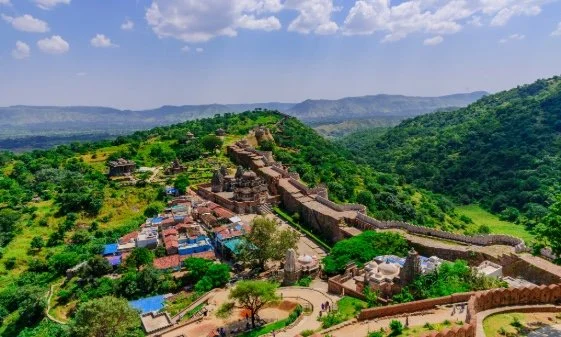
India Faces Major Ecological Setback as Aravalli Hills Lose Protection
The Supreme Court has accepted a new definition of what constitutes the Aravalli Hills, a mountain range that stretches across western India through Gujarat, Rajasthan, Haryana and Delhi, limiting it to elevations over 100 metres and grouping only those within 500 metres of each other as part of the range. By excluding most smaller hills from protection, the change opens the door to mining and construction, threatening forests, wildlife, groundwater, rainfall, and air quality.

How Bad is Delhi’s Air Pollution for Your Health, What Needs to Change?
People in Delhi and nearby areas are absorbing dangerous amounts of air pollution deep into their lungs every day, far beyond what Indian or global safety standards allow. A five-year study measured how much of this pollution actually settles inside the respiratory system, offering a clearer and more direct view of the damage being caused to people’s health.
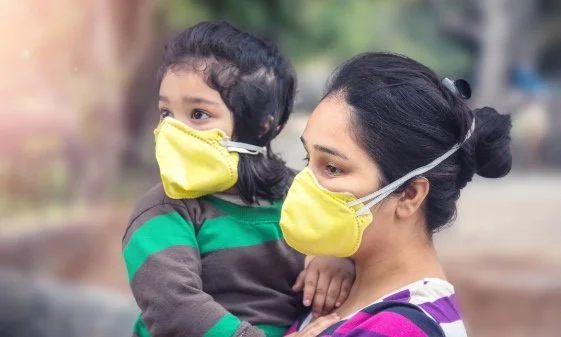
Delhi Remains World’s Most Polluted City
Delhi recorded the highest air pollution levels among global cities on December 1, with an Air Quality Index of 244. Other cities across India and Asia also reported hazardous conditions, marking a continued public health risk across the region.

Fear and the Beings We Learn to Despise: A Professor’s Open Letter to Students
This piece is not an academic or a journalistic write-up; it is my heartfelt narrative for all the students who have internalised fear. I write this not because I want to preach, but because I feel responsible for giving you a kind and better world. It is challenging for me to recount a small (or rather, huge) incident from my life, and that too publicly, but I want all students to read and engage with my lived experience, even if they disagree.
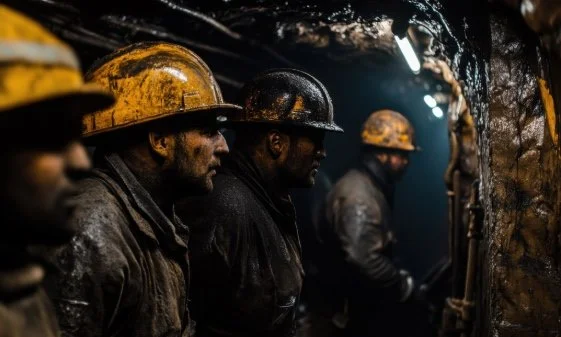
Supreme Court Reopens Door for Post-Facto Environmental Clearances
The Supreme Court has revived a mechanism that allows construction or industrial projects to obtain environmental clearance even after they have already started or expanded without approval. This means projects that violated environmental rules can now continue operations without facing legal action or being dismantled.
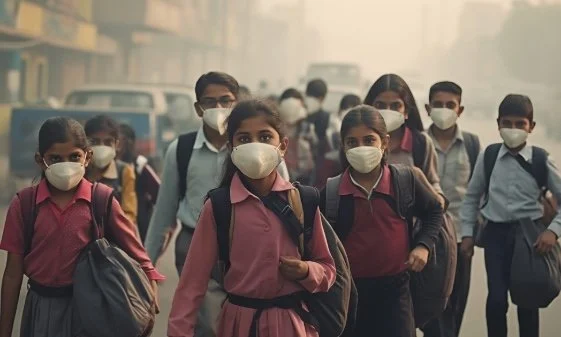
Supreme Court Warns Against Physical Hearings as Delhi Air Turns Toxic
During a hearing unrelated to pollution in Delhi, a Supreme Court judge urged lawyers to avoid attending court in person, warning that the air was so toxic that “even masks are not enough.” The observation came as air quality in Delhi-NCR entered the “severe” category yet again, and at a time when the government is already under scrutiny in a separate case concerning its failure to control pollution.
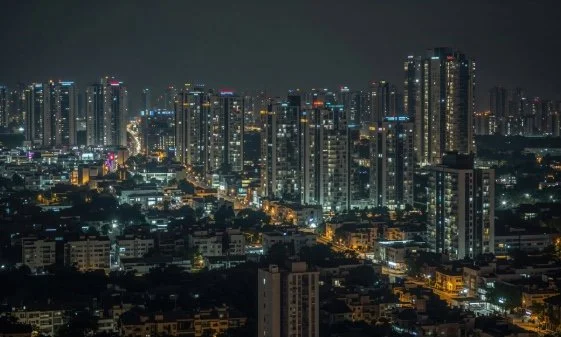
Ground is Sinking Under Millions of Homes in Indian Cities: Study
A new study offers a serious warning for India’s rapidly expanding urban areas, presenting evidence that large parts of five megacities, including Delhi, Mumbai, Chennai, Kolkata and Bengaluru, are sinking due to the over-extraction of groundwater. This subsidence is causing uneven ground deformation, which in turn is putting thousands of buildings at growing risk of long-term structural damage.

Delhi Needs No Balance Between Diwali and the Air It Breathes
Calling it a “balanced” decision between tradition and the environment, Delhi’s Chief Minister welcomed the Supreme Court’s move to allow firecrackers this Diwali, even as the city’s air turned visibly toxic. There is no balance in that. There is evasion, political softness and a confusion between ritual and substance.

IFS Officer Sonali Ghosh Wins Global Award for Wildlife Rehab
Dr. Sonali Ghosh, field director of Kaziranga National Park and Tiger Reserve, has won the WCPA-Kenton Miller Award for her innovative contributions to wildlife area conservation. Her work focuses on what happens to wild animals that are rescued or bred in captivity, and how they can be returned to their natural habitats. It points to the need for a major shift in how wildlife conservation is currently practiced in India.
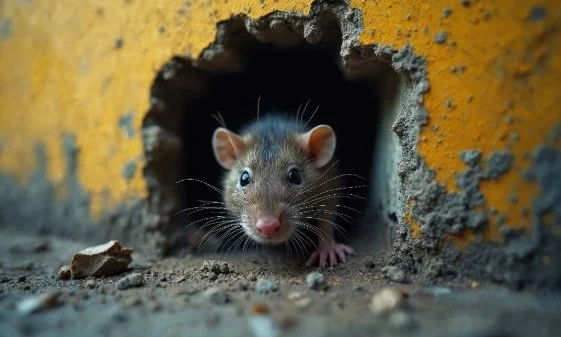
Once in a Generation, Rats Return to Mizoram’s Fields
In parts of Mizoram, farmers are experiencing a surge in rodent numbers that is damaging their crops. Large groups of rats have been entering fields and eating rice, soybeans and other produce. Many of these farmers practise jhum cultivation, which means clearing forest patches and growing crops there for one or two seasons. Rats are entering these farms, eating produce before harvest, and causing heavy financial losses for families who depend on a single yearly crop for food and income.
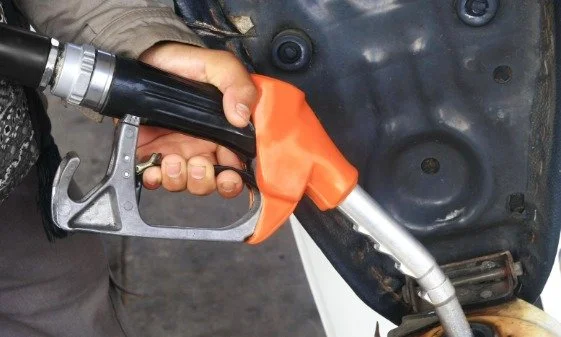
India’s Rollout of Ethanol-Blended Petrol Lacks Transparency and Fairness
India’s nationwide rollout of 20 percent ethanol-blended petrol, known as E20, has expanded rapidly since early 2023. The policy is part of a larger plan to reduce dependence on imported crude oil, increase income for farmers and meet environmental targets. While these goals align with national interests, the implementation has created widespread confusion, raised costs for vehicle users and triggered public concerns about fairness, transparency and long-term consequences.
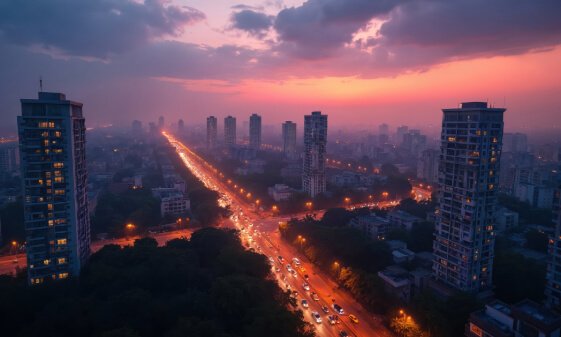
Delhi’s Fuel Ban on Older Vehicles Misses the Real Polluters
Starting July 1, petrol pumps in Delhi have been told to stop giving fuel to diesel vehicles older than 10 years and petrol vehicles older than 15 years. These vehicles can also be impounded. Though the move is meant to reduce air pollution, it is based on the idea that the age of a vehicle shows how much it pollutes. This treats all old vehicles the same, even though many may be well-maintained or fitted with better technology to reduce emissions.

Why Governments Need to Rethink Development and Its Costs
Nations and communities have long grappled with a difficult question: should nature be damaged to build roads, cities and industries, or does real development mean protecting the natural systems we rely on to live? In the case of the Kazhuveli wetlands, authorities in Tamil Nadu chose the former. But a wetland researcher argues that sometimes, preserving – or even reversing –development, what she calls “de-development,” may better serve both people and the environment.