
Photo Feature: Masks, Placards and Anger at the Cockroach Janta Party Protest
June 10, 2026
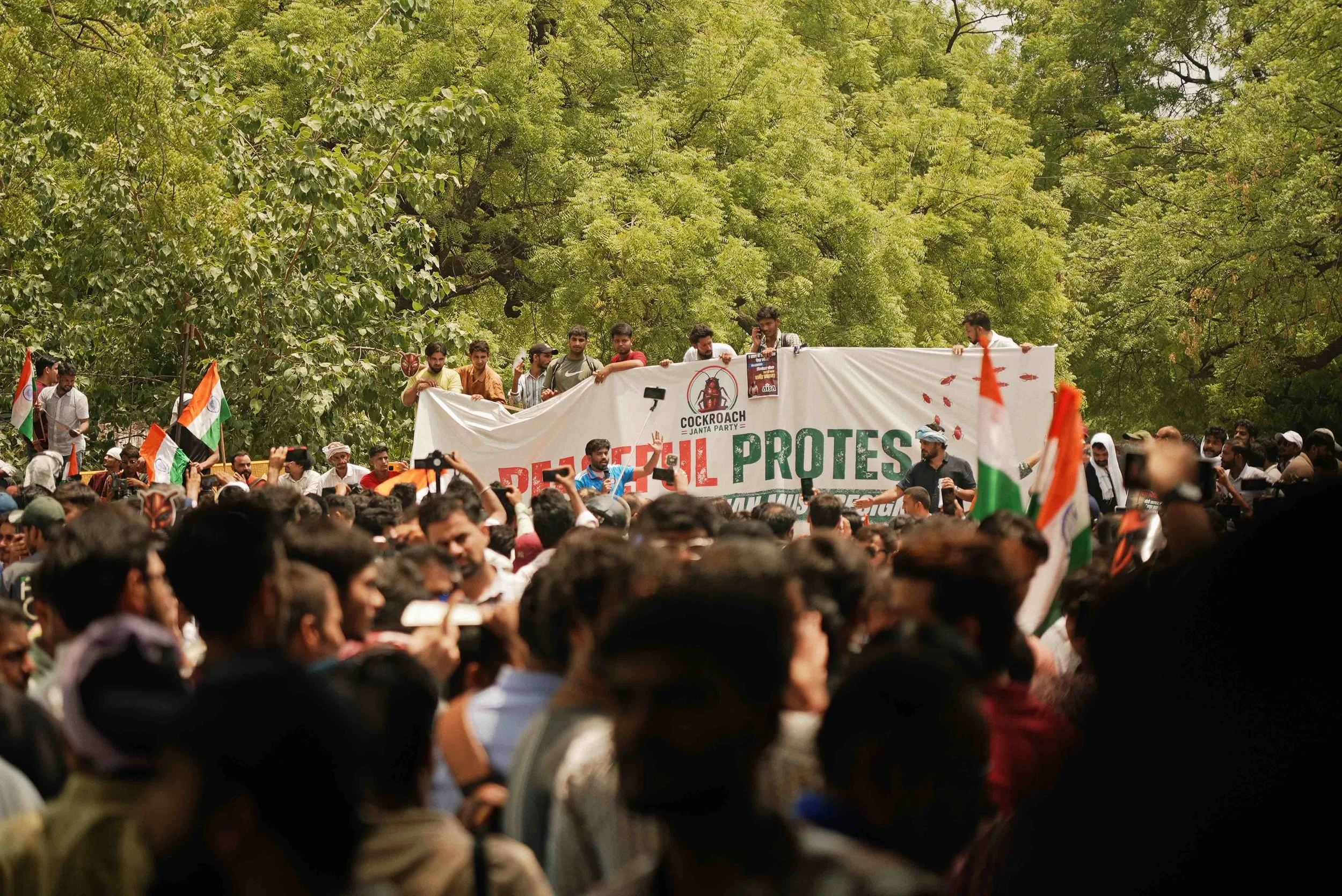
Participants gather at Jantar Mantar during the Cockroach Janta Party protest in New Delhi on 6 June 2026.
Thousands of young people, including students who appeared for recent NEET and CBSE examinations, their parents, student unions, job aspirants, and civil society groups, gathered at Jantar Mantar in New Delhi on June 6 for a protest organised by the Cockroach Janta Party (CJP). Participants demanded the resignation of Education Minister Dharmendra Pradhan following the NEET paper leak controversy and a series of examination-related irregularities reported in recent years.
The movement began as an online political satire created by Abhijeet Dipke, a U.S.-based Indian and a public relations graduate of Boston University, after the Chief Justice of India reportedly compared certain critics, activists and unemployed youth to cockroaches and parasites during a court hearing. On June 6, Dipke travelled to New Delhi and joined the demonstration he had helped organise. Activist and environmentalist Sonam Wangchuk also attended the gathering.
Throughout the day, participants voiced concerns about examination irregularities, unemployment, recruitment delays and accountability in public institutions. Through cockroach masks, slogans, speeches and placards, protesters carried online conversations into a physical public space.
The protest also drew criticism from some supporters who had expected a more confrontational approach and questioned the absence of any assurance from the government. Organisers later said they would mobilise again within a week if their demands remained unaddressed.
These photographs document the people, symbols and demands seen at the demonstration.
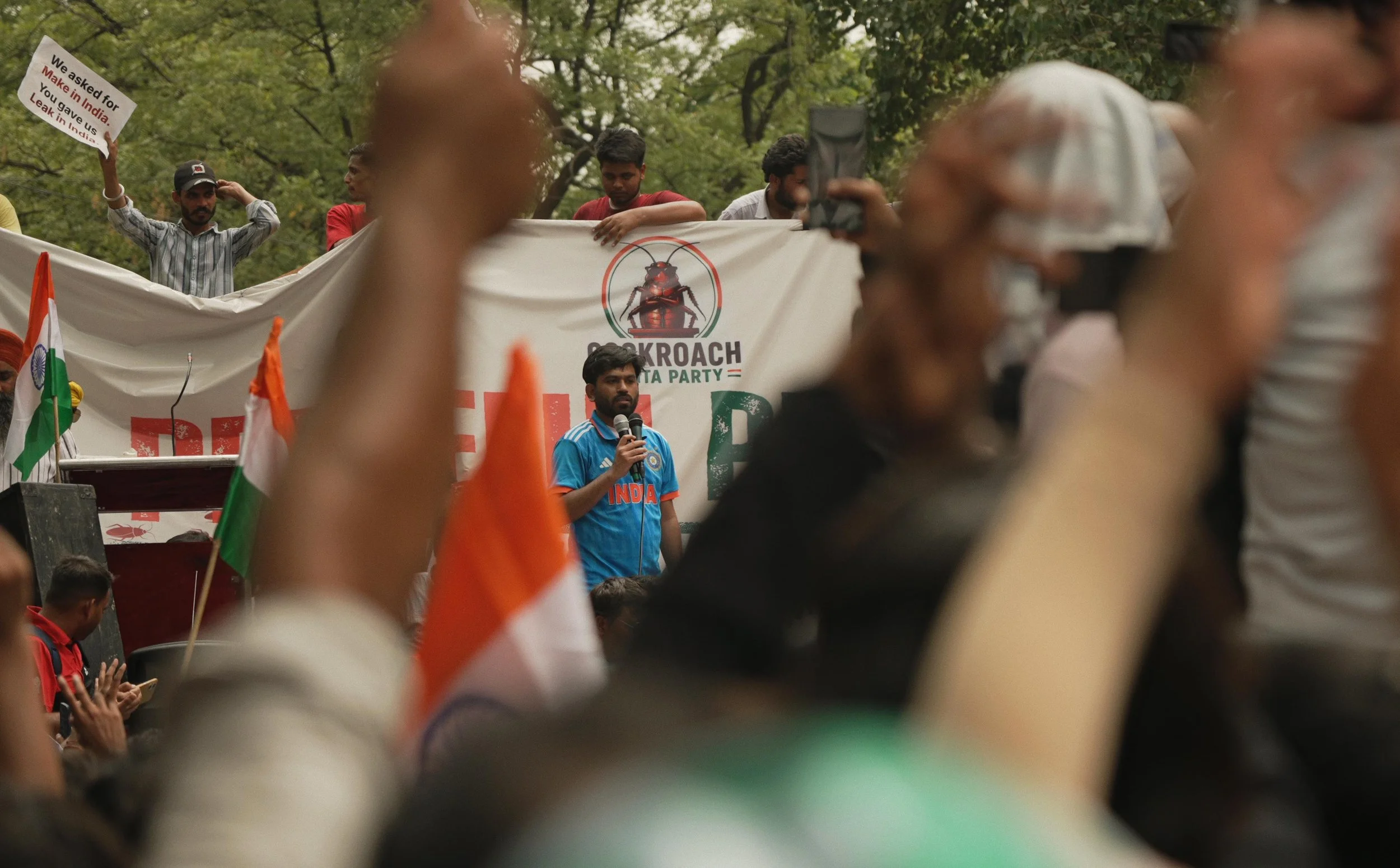
The crowd responds to Dipke’s speech during the protest.
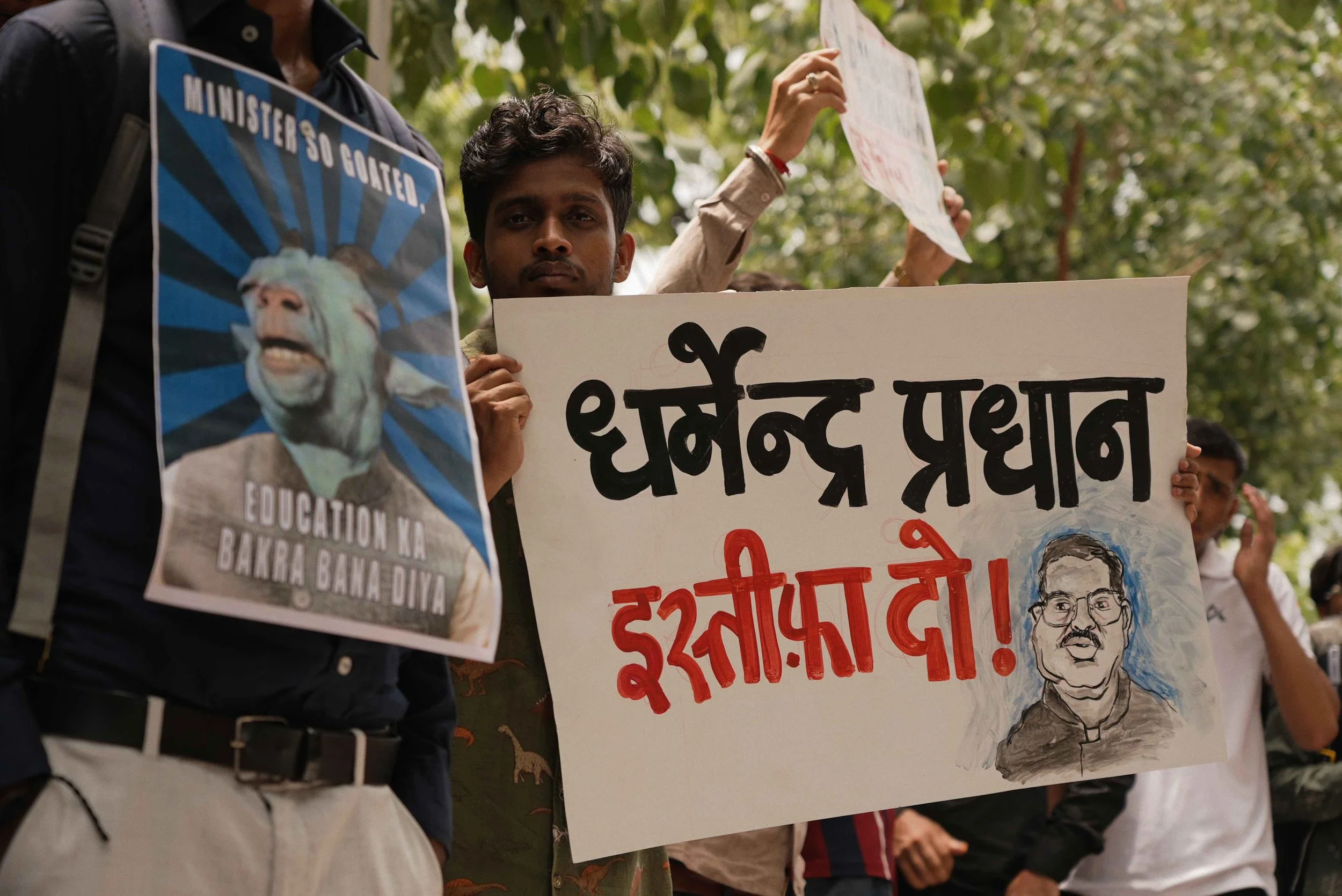
A student holds a poster demanding the resignation of Education Minister Dharmendra Pradhan.
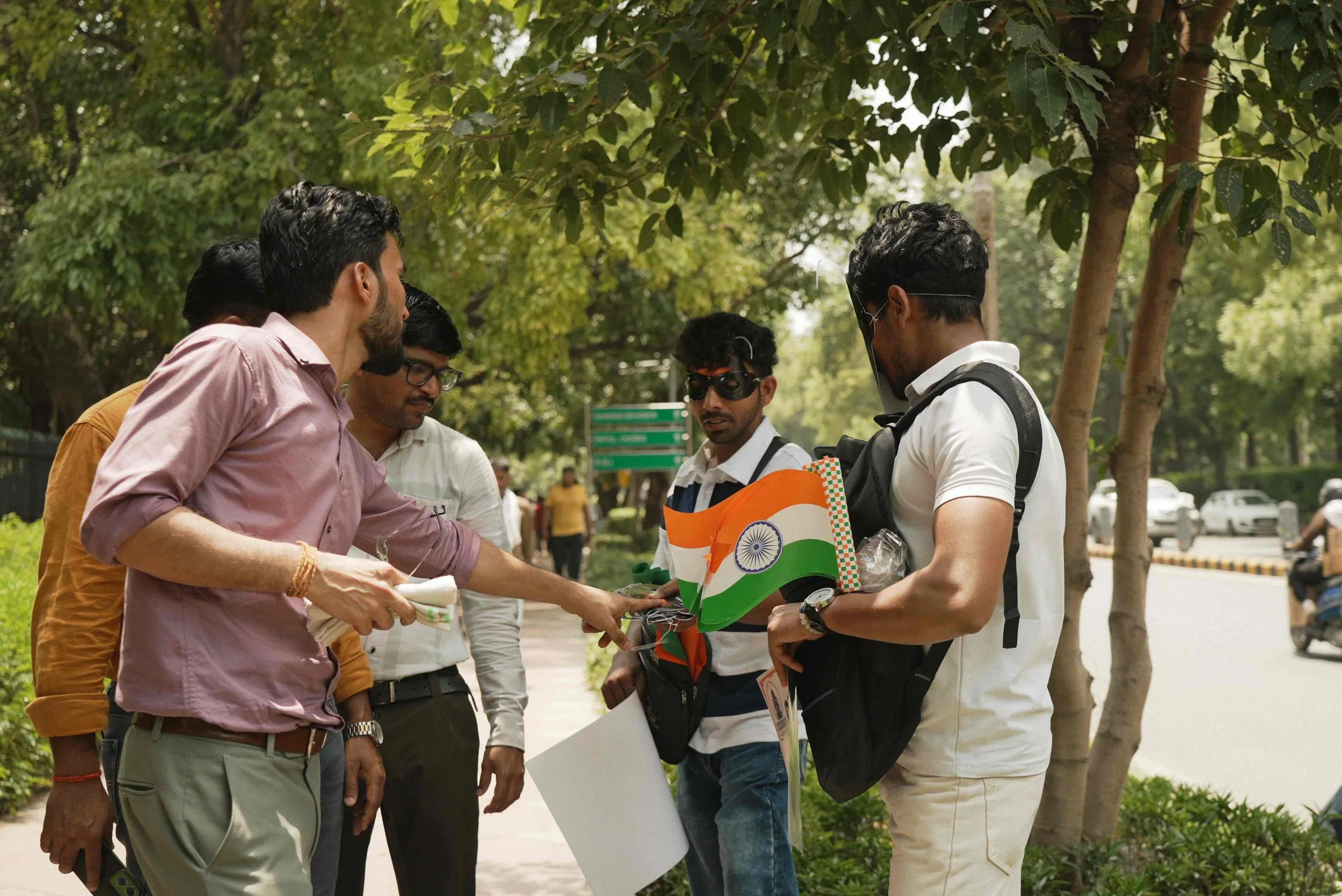
The Indian flag, posters, and protest material remain visible throughout the demonstration.
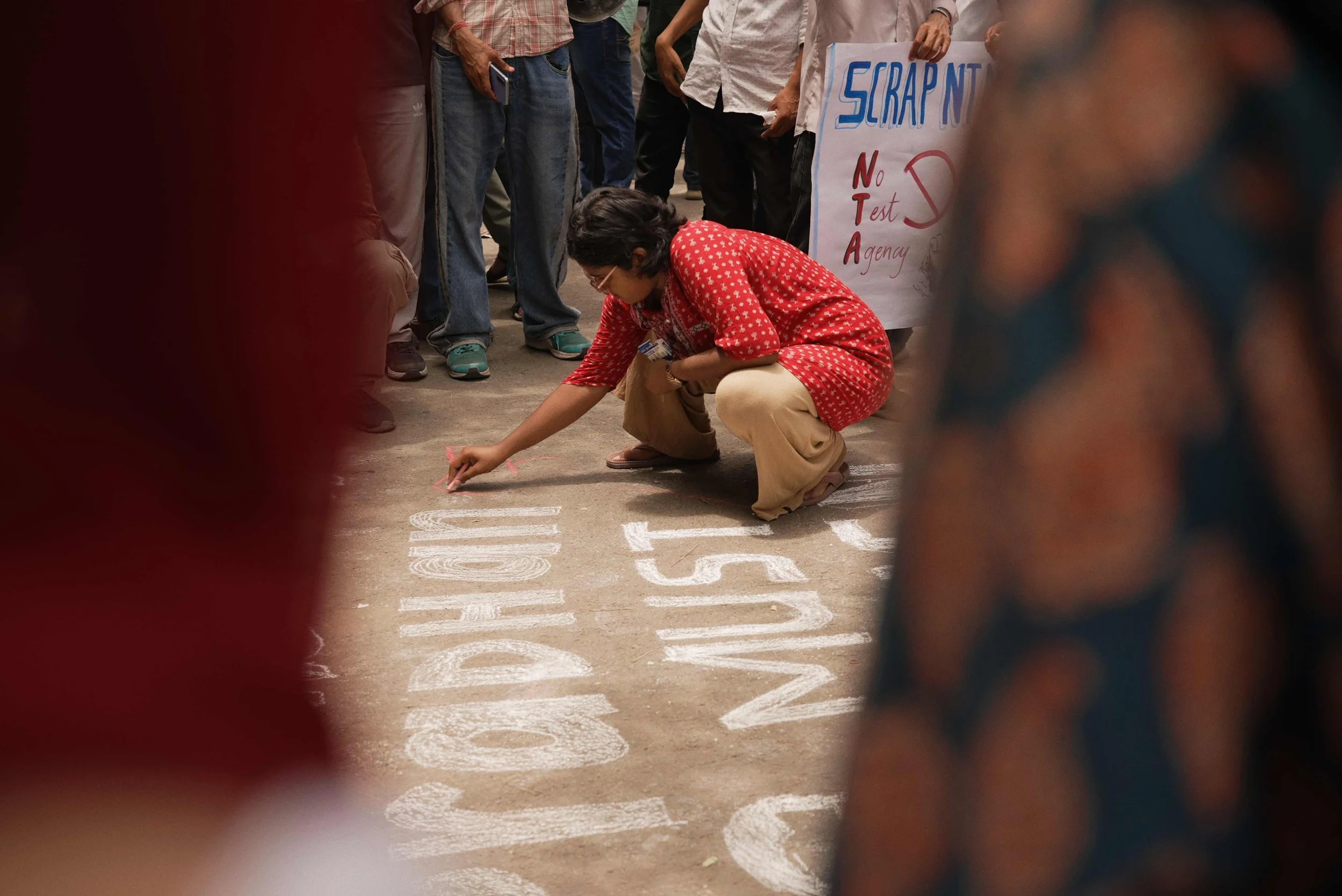
A student writes slogans at Jantar Mantar before the protest begins.
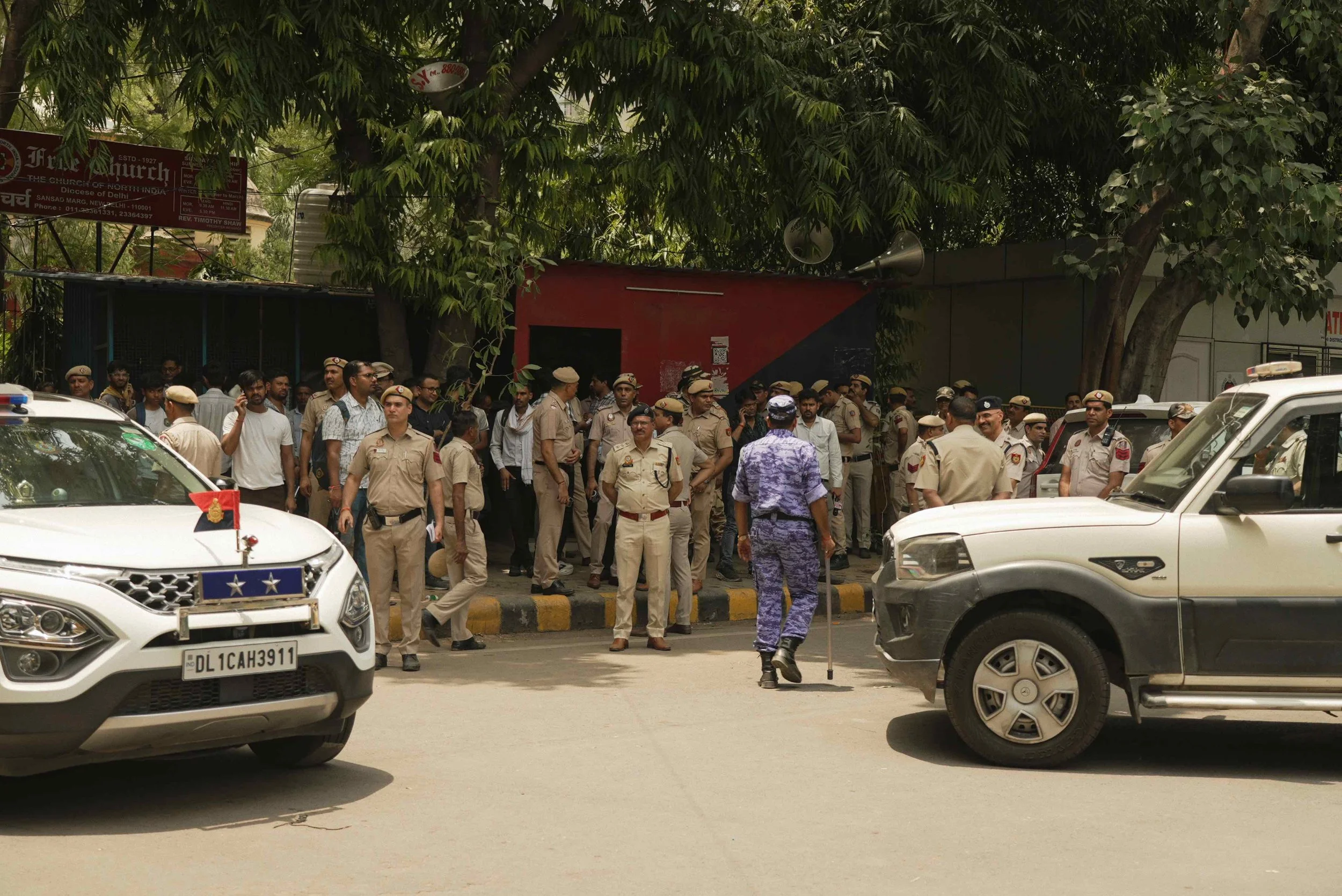
Security personnel remain deployed throughout the event.
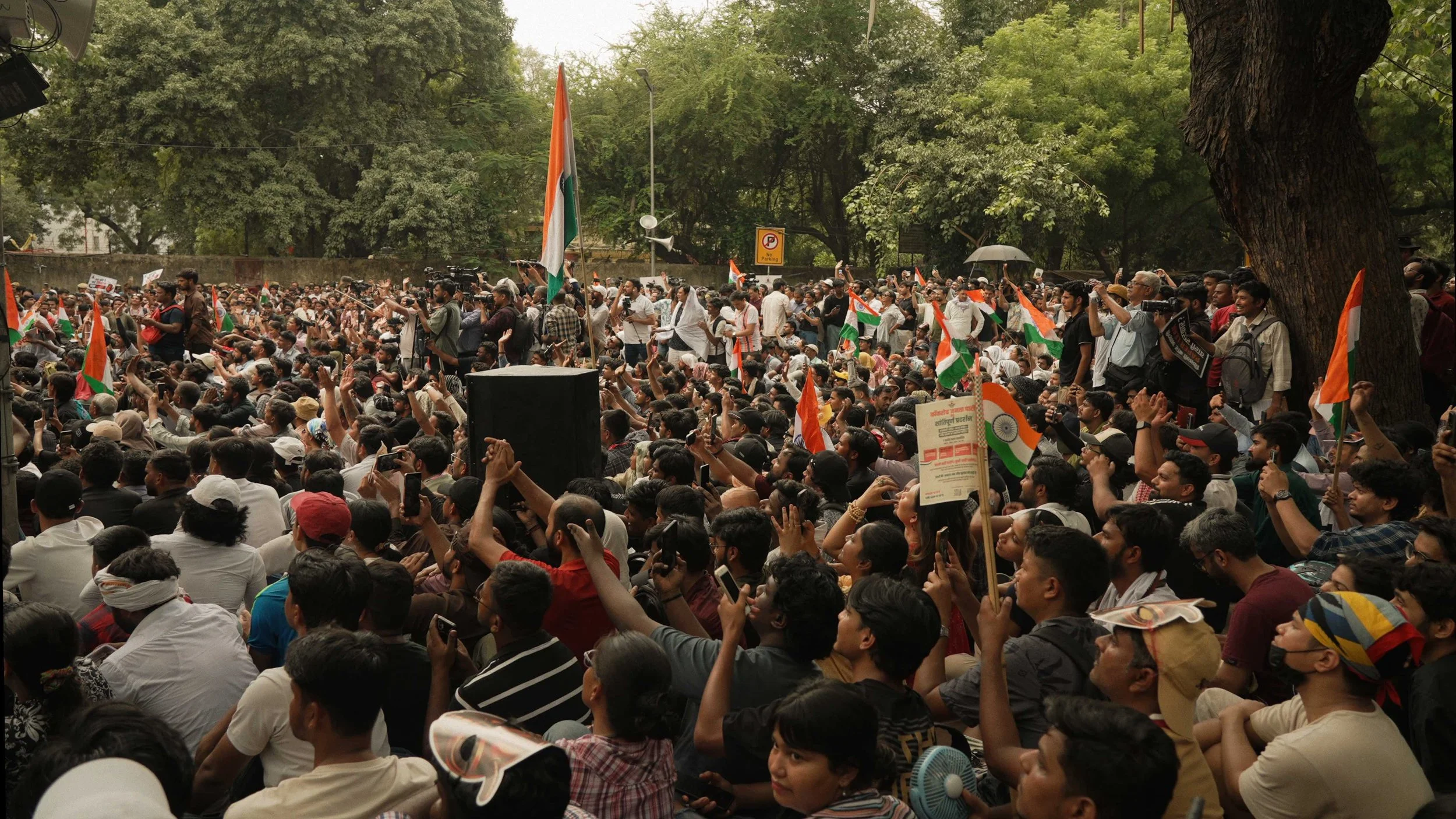
People attended the protest under the summer heat at Jantar Mantar, one of India's known sites for public demonstrations.
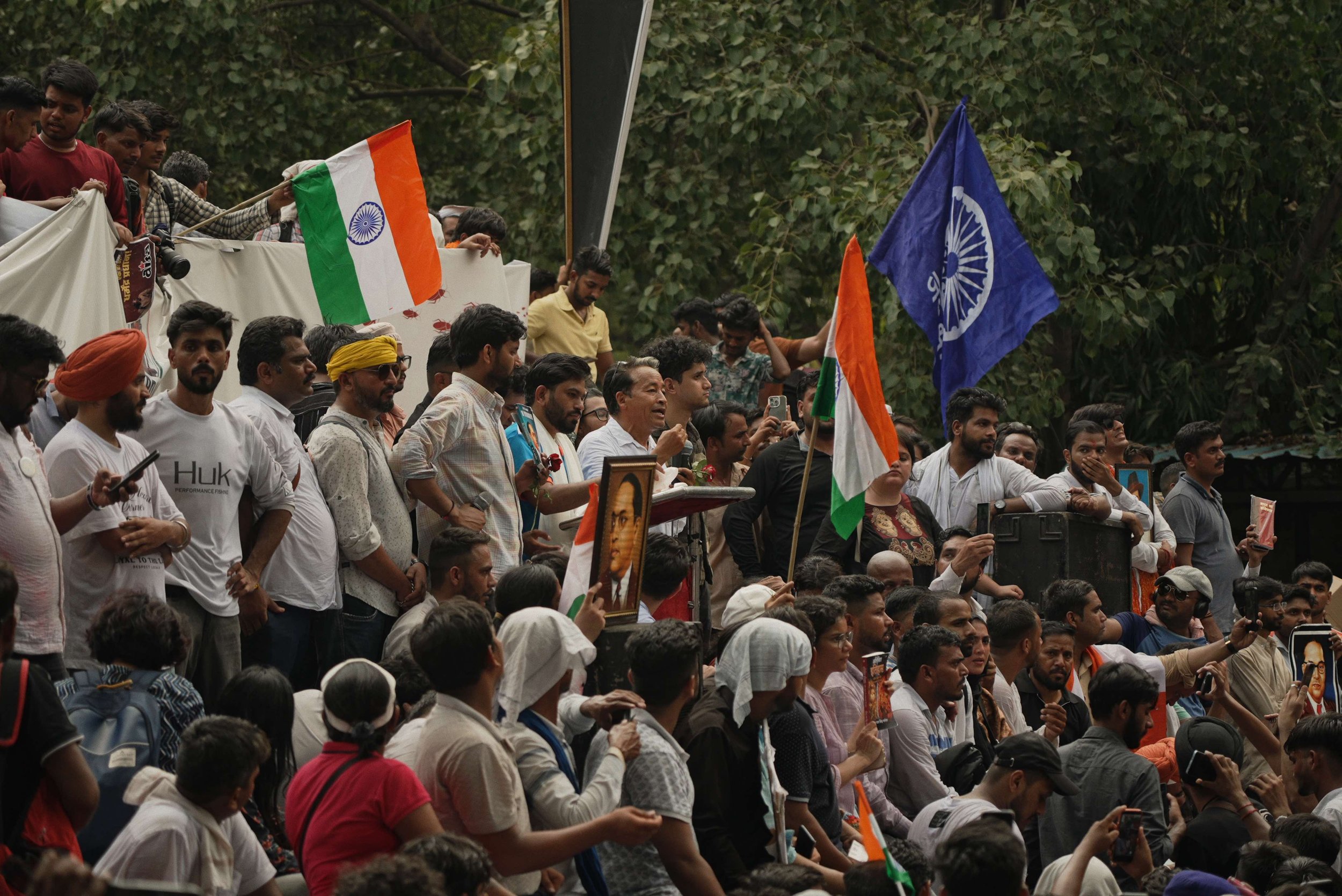
Sonam Wangchuk addresses the gathering and asks for the resignation of the Education Minister, Dharmendra Pradhan.
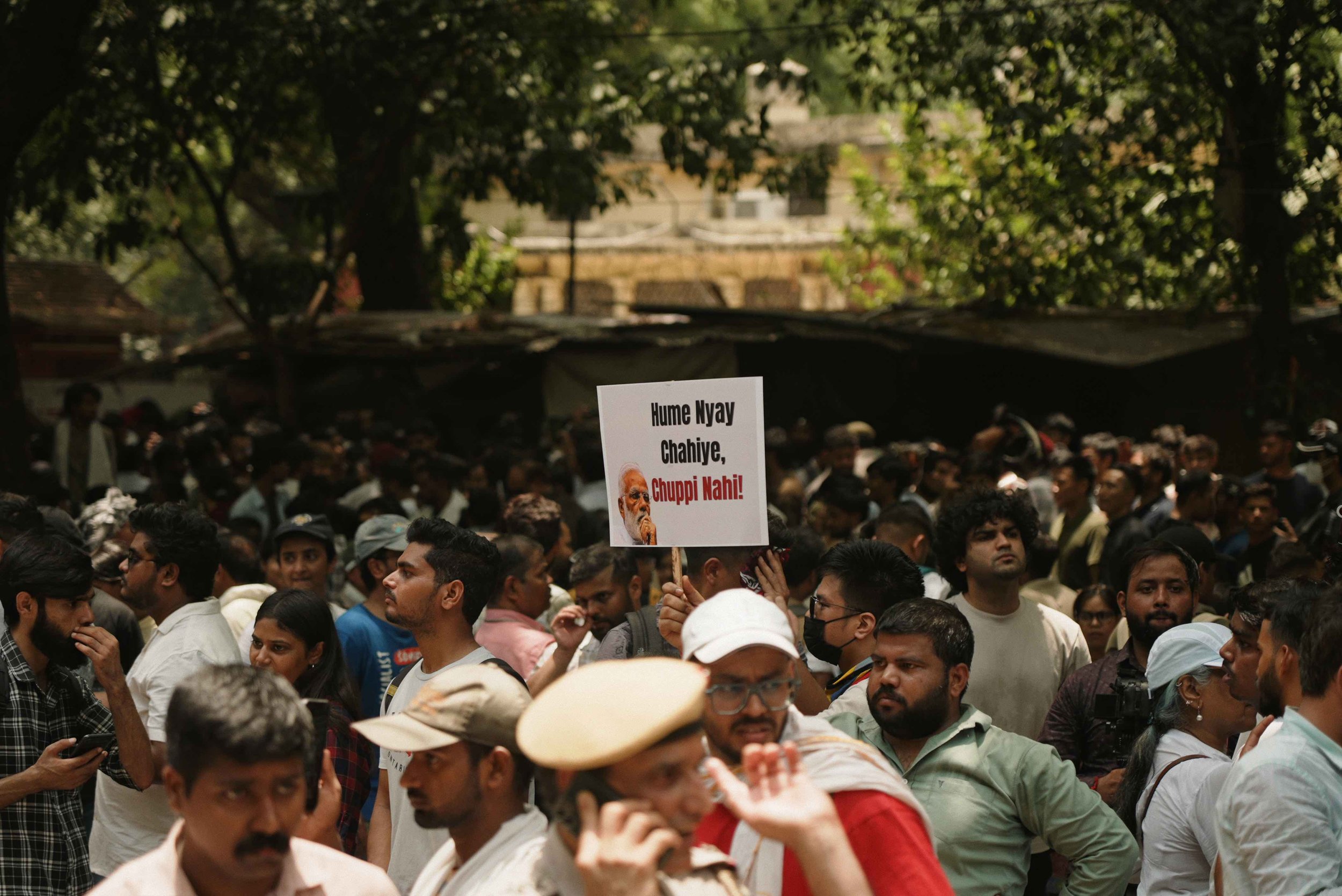
A participant holds a placard questioning Prime Minister Narendra Modi’s silence.
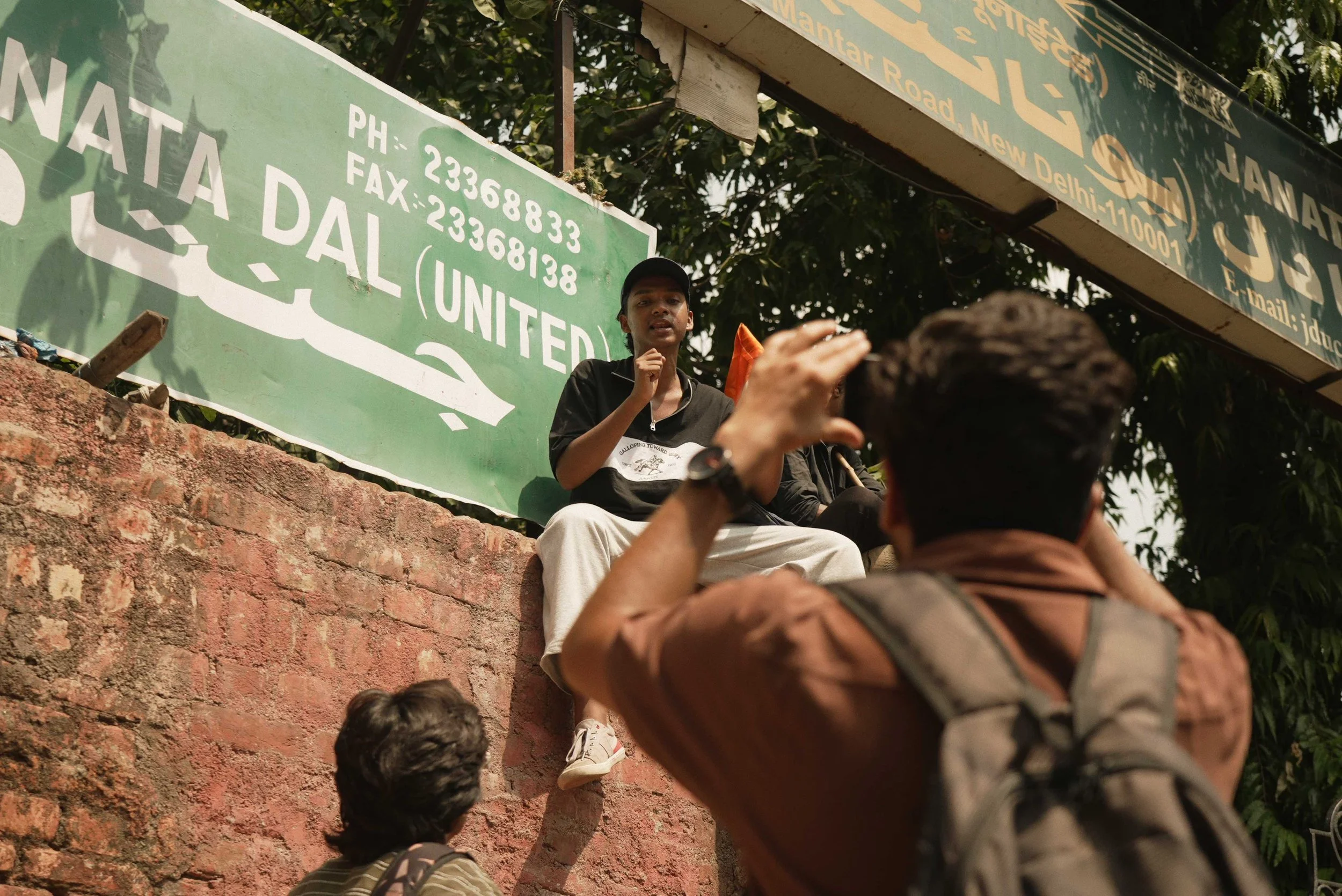
Journalists and social media influencers interview young participants about their views on the protest.
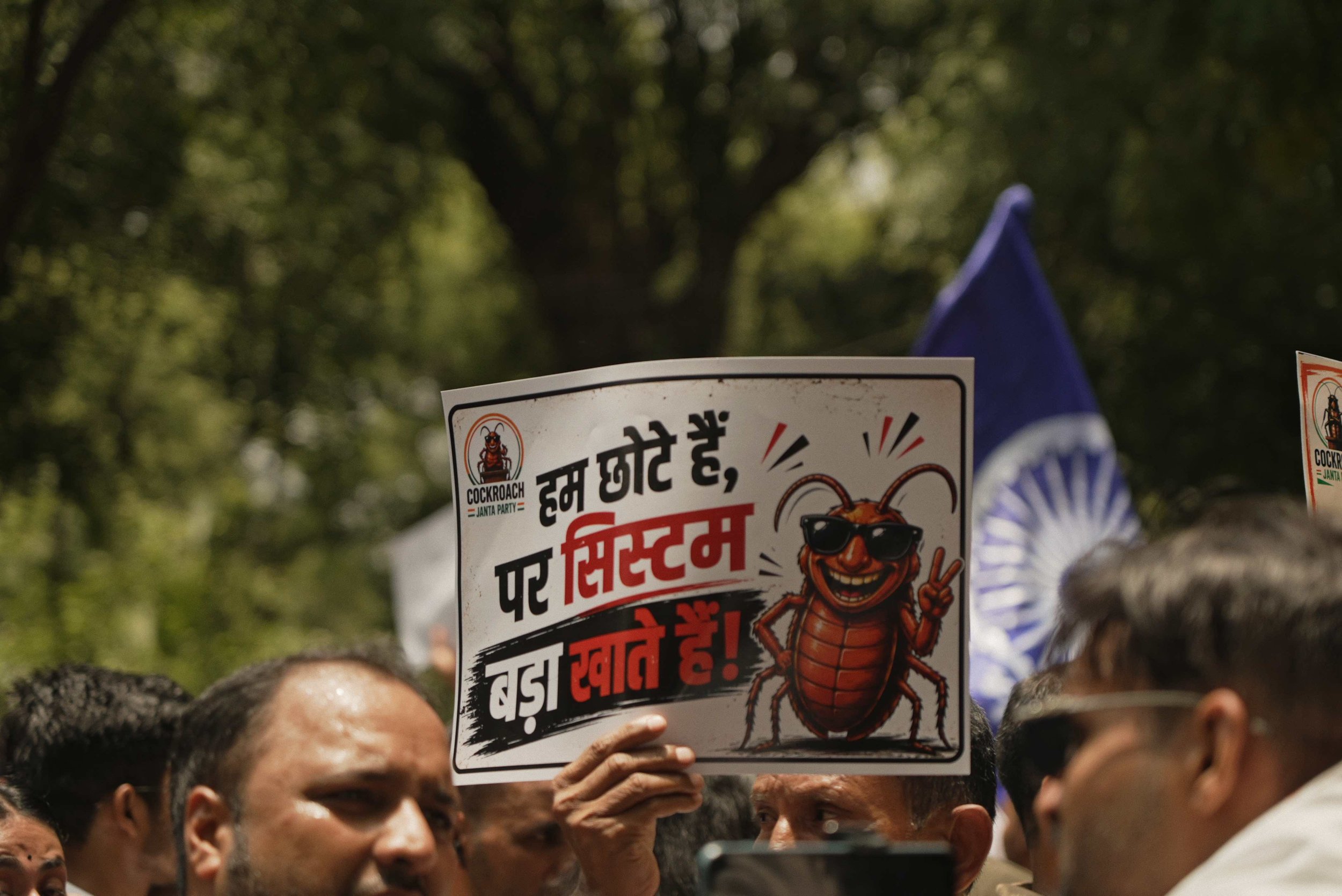
A man holds a placard that says, “We may be small, but we can devour entire systems.”
What happened in Mumbai on October 2 may have been only one day of protest, but the issues behind it are unlikely to disappear with the dispersal of the crowd. The protest was centred around concerns over the Election Commission, electoral rolls and the Special Intensive Revision (SIR) exercise, with protesters demanding accountability from Chief Election Commissioner Gyanesh Kumar. At the same time, similar mobilisation has been taking place across different parts of the country, with student groups, Opposition parties and civil society organisations raising concerns over the electoral process. Newsreel Asia spent the day at Mumbai Protest capturing the preparations, the police presence, conversations with protesters, the atmosphere on the streets and how the day unfolded. The speech of Cockroach Janta Party's leaders and sentiment of protestors seemed larger than the concerns regarding the electoral process. Will this lead to something bigger?