
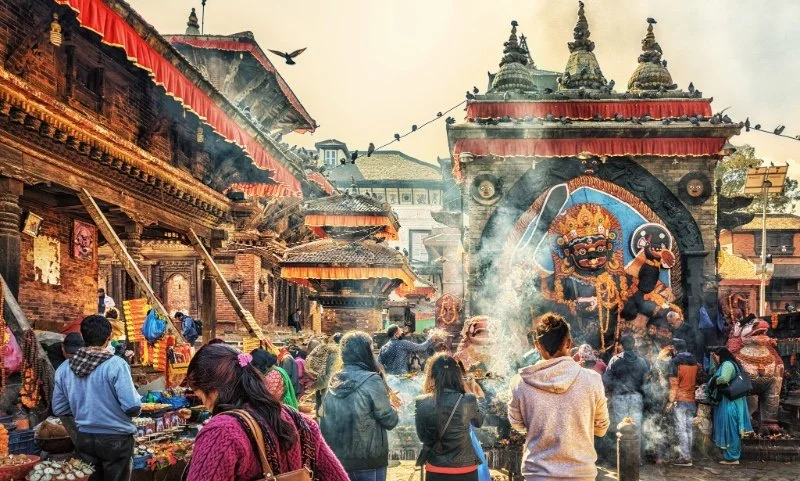
Nepal’s Political Mood Is Becoming Religiously Charged
Nepal underwent an epochal political upheaval just a year ago, toppling the government in a fashion few could have imagined. An even more dramatic development followed. Voters handed a near-supermajority to the Rastriya Swatantra Party (RSP), which was founded only four years earlier. Its senior leader, Balendra Shah, became the youngest prime minister in Nepal’s history and has since been leading the country.
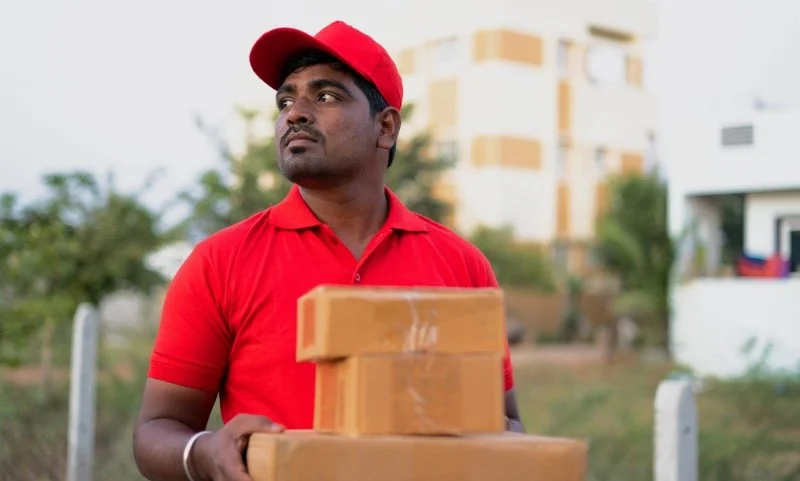
Muslim Gig Workers: His Name Was Bad for Business, So He Buried It
There is a specific kind of humiliation that disguises itself as practicality. Gig workers, especially Muslims, have been changing their names on professional apps, not for amusement, but because their real names cost them customers. The decision has become larger than a personal adjustment, pointing to a larger social reality hidden behind these choices. I have come across this issue at least three times in recent months.
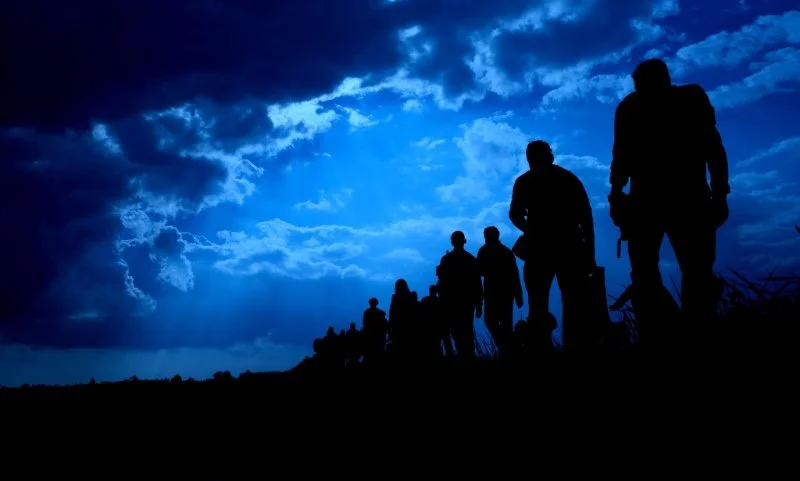
‘We Push Them in the Dark’: Assam CM’s Statements and Their Implications
Assam Chief Minister Himanta Biswa Sarma’s appearance on ABP News on April 15 may have triggered a minor diplomatic row, with Bangladesh formally objecting to offensive remarks and summoning India’s acting High Commissioner, but his answers in the interview point to a much more troubling set of issues.
India’s Dalits, Muslims Live in Isolated Housing With Poor Services: Study
Dalits and Muslims across India live in sharply segregated neighbourhoods that receive weaker access to essential public services. Evidence drawn from nationwide administrative and census data shows that inequality is most severe at the smallest geographic scale of settlement.

Valentine’s Day: The Politics and Psychology of Hating Love
Each year Hindu nationalist groups carry out violent crackdowns on couples in public spaces during Valentine’s Day in India. These incidents show how moral policing, group identity politics and anxiety about social change combine to justify control over private emotion and public behaviour.
India Averaged Over 3 Hate Speech Events Per Day in 2025, Says Report
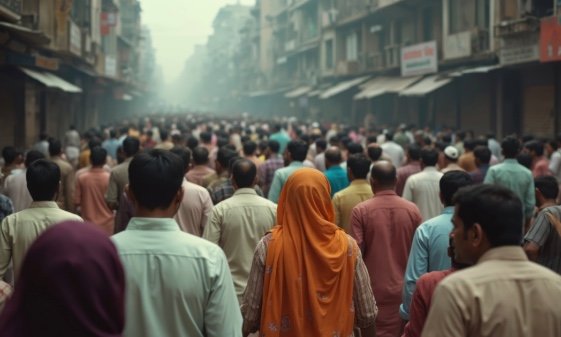
In 2025, India recorded 1,318 in-person hate speech events, averaging more than three per day and overwhelmingly led by Hindu nationalist groups and political actors affiliated with the ruling Bharatiya Janata Party, according to a report by the India Hate Lab. The report supports the inference that a political choice is behind the sustained scale of public incitement, which undermines both the rule of law and the idea of equal citizenship.
Behind the Growing Attacks on Hindus in Bangladesh
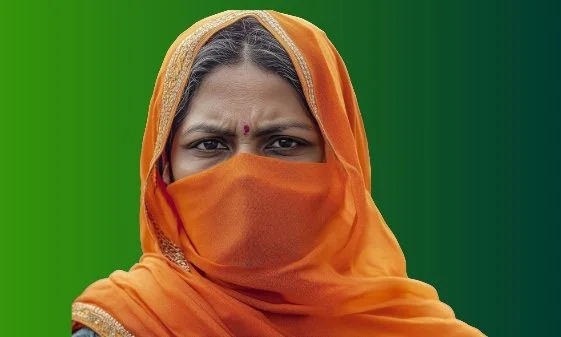
A Hindu businessman was attacked by a mob in Bangladesh’s Shariatpur district on 31 December 2025. He was beaten with sharp weapons, doused in petrol and set on fire. This was the third such attack in a month, part of a larger pattern of violence against religious minorities since the fall of the previous government. The incident shows that the interim administration has failed to enforce the rule of law in cases involving political or communal violence. That failure has left the country’s transition in a dangerously exposed state.
India’s Move Toward ‘Data Nationalism’ and Post-Truth Governance
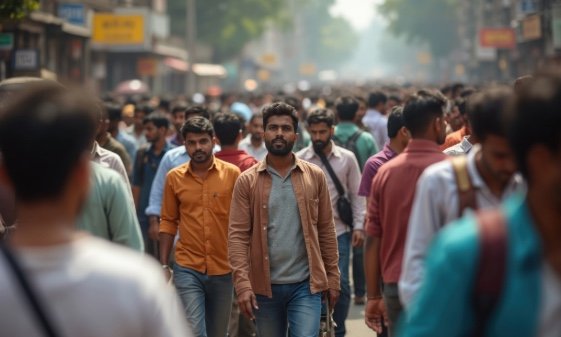
Across three major areas involving climate risk, press freedom and economic reporting, the government is steadily moving away from global benchmarks. It is discarding international assessments and building its own homegrown versions instead. These are managed or overseen by government bodies, which gives it more control over both the data and the story the data tells. The result is a system that does not just measure progress. It also quietly rewrites what progress is supposed to mean.

Do Assam’s People Need Guns—Or Just Better Governance?
The Assam government’s decision to issue arms licences to “indigenous” residents in remote areas, under the pretext of protection from “illegal immigrants,” marks a retreat from the state’s core responsibility to ensure public security. It also legitimises exclusion and replaces public trust and institutional justice with a politics rooted in fear.
Lynching in Mangaluru, a City Haunted by Hate
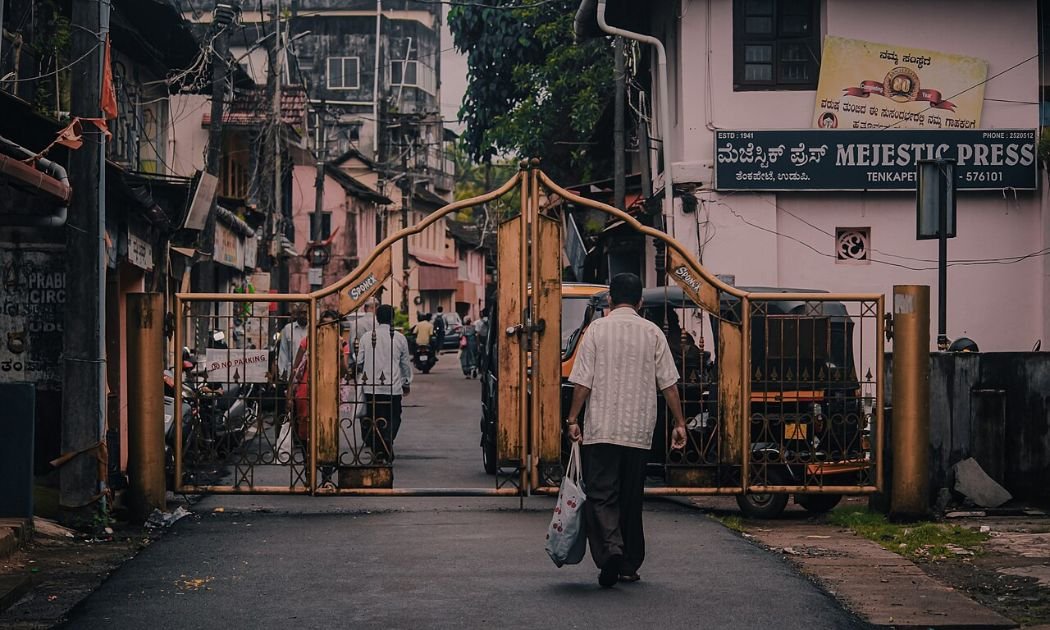
Ashraf, a Muslim and daily wage labourer from Wayanad, Kerala, had arrived in this coastal Karnataka city just weeks earlier. On the evening of April 27, he was found dead near a temple in Kudupu—barely 10 km from Mangaluru city’s centre. Reportedly killed on the sidelines of a cricket match, his death was a brutal act that felt grimly familiar.

Curfew Imposed in Nagpur After Communal Tensions
Curfew was imposed for the second consecutive day in Nagpur, Maharashtra, following communal tensions sparked by demands from Hindu nationalist groups, including the Vishwa Hindu Parishad (VHP) and Bajrang Dal, to remove the tomb of 17th-century Mughal emperor Aurangzeb. The groups argued that Aurangzeb’s legacy was emblematic of historical oppression against Hindus.

Kerala Church Endorses BJP Leader’s Unfounded ‘Love Jihad’ Claims
A Bharatiya Janata Party (BJP) leader in Kerala, P.C. George, who is facing charges of hate speech, made unsubstantiated claims at a public event that around 400 girls from the state’s Meenachil Taluk in Kottayam district were victims of the so-called “love jihad.” The Syro-Malabar Church chose to publicly endorse George’s narrative.
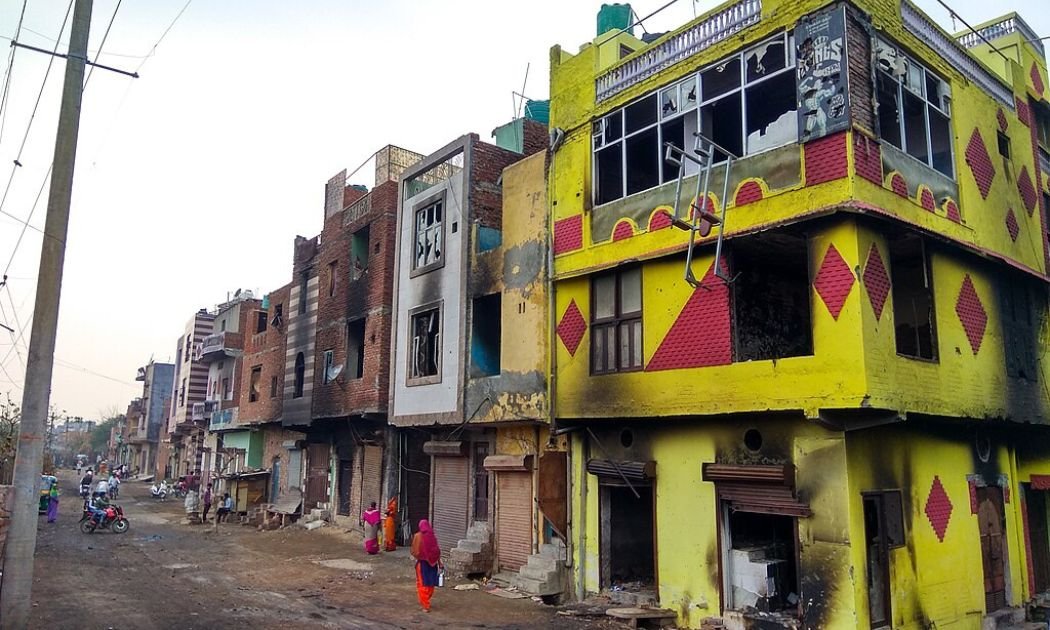
Study: Dainik Jagran’s Coverage of NRC-CAA Protests, Delhi Violence Biased
Hindi-language daily Dainik Jagran’s coverage of the 2020-2021 protests against the National Register of Citizens and the Citizenship Amendment Act (NRC-CAA), as well as the communal violence in Delhi, was “biased,” according to a study featured in the recently published book, “Inclusiveness in Indian Media Coverage.” The reportage predominantly supported the Bharatiya Janata Party’s (BJP) stance, depicting protestors negatively and associating them with violence while allocating minimal space for their perspectives, it suggests.

10 Key Events That Shaped India in 2024
From the general election to the continuation of unprecedented violence in the northeastern state of Manipur, India in 2024 witnessed a series of significant events that shaped its political, social and economic landscape. Below is an overview of 10 major developments.
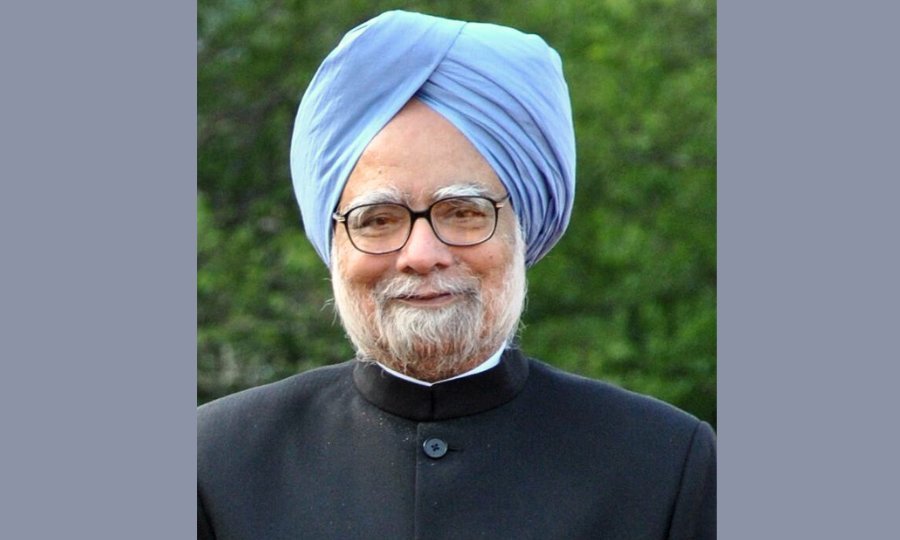
Manmohan Singh: No Hate Despite Losing Grandfather in 1947
Dr. Manmohan Singh, India’s former prime minister who died at age 92 on December 26, left present-day Pakistani Punjab as a young refugee during the 1947 Partition and witnessed the bloodshed of that year’s communal violence; yet he harboured no resentment or hate, unlike many of his fellow refugees who went on to show hostility toward India’s minorities.

UP Chief Minister Criticised for Handling Bahraich Violence
Uttar Pradesh Chief Minister Yogi Adityanath is facing criticism for his handling of recent communal violence in the Bahraich and Sambhal districts. Opposition leaders accuse him of evading responsibility, using diversionary tactics and creating divisions instead of addressing the root causes of the unrest.
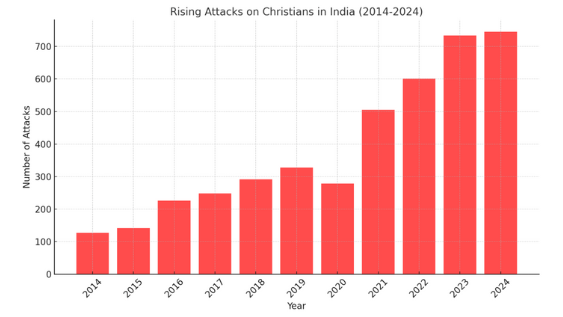
Record 745 Attacks on Christians in India in 2024
The number of violent attacks against Christians in India reached a record high in 2024, with 745 incidents reported – an overage of over two incidents a day – to an independent helpline by the end of November, according to the Delhi-based United Christian Forum (UCF).

Opposition Seeks Impeachment of High Court Judge Over Hate Speech
A six-member opposition delegation in the Rajya Sabha has submitted an impeachment motion against Allahabad High Court Judge Justice Shekhar Kumar Yadav, accusing him of engaging in hate speech and inciting communal disharmony, which is in violation of the Indian Constitution. The motion states that the comments made by the judge were “inflammatory, prejudiced, and directly targeted at minority communities.”

The Politics Around Places of Worship Act
Several petitions were submitted to the Supreme Court on Dec. 11 to defend the Places of Worship (Special Provisions) Act, 1991, on the eve of a hearing where the law’s validity will be scrutinised. The legislation mandates the preservation of the religious character of places of worship as they stood on August 15, 1947, which blocks political mobilisation around the emotive issues concerning perceived “historical wrongs.”
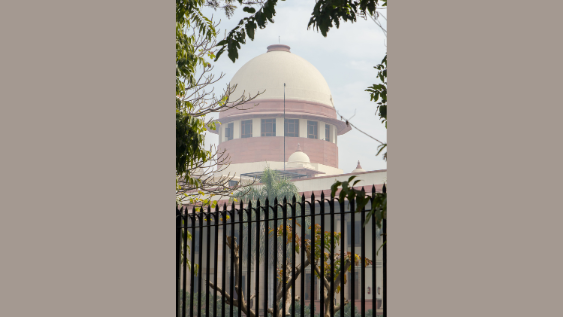
Lawyer Dushyant Dave Accuses India’s Judiciary of Enabling Divisive Religious Politics
Advocate Dushyant Dave has sharply criticised the judiciary for enabling divisive politics by permitting surveys of mosques over claims that they constructed on the remains of temples from the Mughal era. In a media interview, the lawyer directly accused India’s former Chief Justice, D.Y. Chandrachud, of undermining the Constitution and contributing to rising communal tensions.