
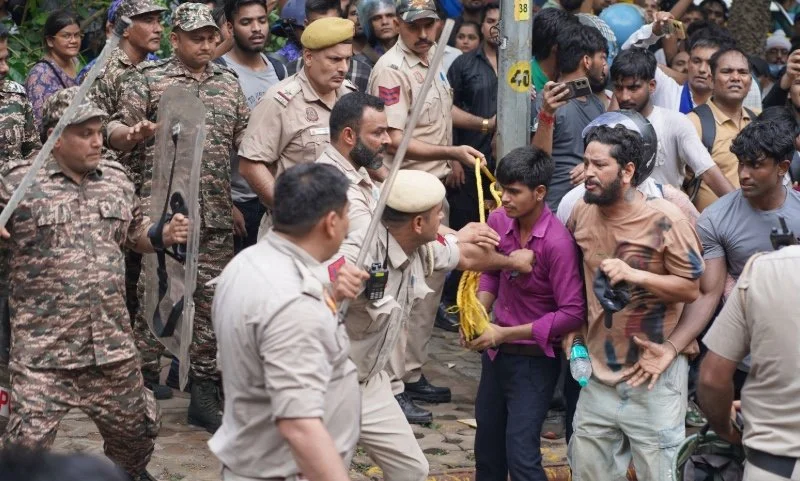
5 Forms of Unlawful, Punitive Force Delhi Police May Have Used Against CJP Protesters
Delhi Police and Rapid Action Force (RAF) personnel used batons and tear gas against thousands of protesters during the Cockroach Janta Party’s (CJP) “Chalo Sansad” march on July 20, leaving scores injured and dozens detained. Eyewitness accounts from journalists covering the protest, including those from Newsreel Asia, and videos circulating on social media point to at least five serious forms of possibly unlawful and punitive force.

‘Satluj’ Ban Erases the Line BJP Drew Against Congress in Punjab
The Bharatiya Janata Party (BJP) has spent years accusing the Congress party of grave human rights failures in Punjab during the militancy period. Every reference to the killings, disappearances, and unmarked cremations of the late 1980s and early 1990s has come from BJP platforms as an indictment of Congress rule. The party has positioned itself as the one willing to name events that Congress preferred to leave unspoken. The recent removal of the film “Satluj” from ZEE5 has undone that position.

Why It’s Legally Correct But Unfair to Say a Passport Doesn’t Prove Citizenship
The Ministry of External Affairs has said that an Indian passport is primarily a travel document and should not be treated as standalone proof of citizenship. While the statement can be legally defended, it appears harsh and potentially unjust to tell citizens that none of their documents could finally protect them from suspicion when the state has treated them as citizens for decades, allowed them to vote, taxed them, issued them identity documents, educated their children, and issued them a passport after official verification.
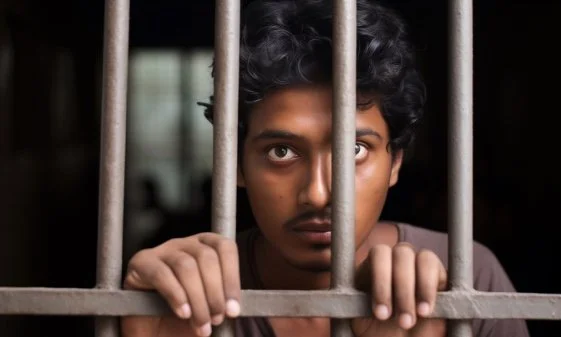
3 in 4 Prisoners in India are Undertrials, Mostly Poor and Marginalised
Over 500,000 people are currently locked up in Indian prisons. Nearly three-fourths of them are undertrials, people who have not been convicted of any crime, as noted by IndiaSpend. Most are poor, young and come from historically disadvantaged castes. The question is not how many, but why they are still there, and who keeps them there.

CBI Arrests Accused in Custodial Death Case Only After Supreme Court’s Pressure
The Supreme Court had to threaten contempt proceedings against the Central Bureau of Investigation (CBI) to get two Madhya Pradesh police officers arrested in a custodial death case. This reveals how state institutions are willing to go to shield their own when ordinary citizens’ rights are violated unless the judiciary directly intervenes and maintains pressure.

Uttarakhand Journalist Dies After Reported Threats, Probe Underway
The body of a journalist, Rajeev Pratap, was found in a river in northern India days after he went missing, prompting calls from his family and press freedom groups for a formal investigation. Police initially said the death appeared to be the result of a car accident, but authorities have since formed a special team to examine the case further.
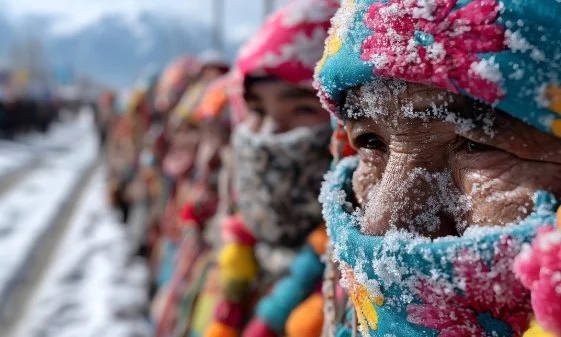
Four Killed in Ladakh Protests After Years of Unanswered Calls for Rights
Four young people were killed and dozens injured in Leh after police opened fire on youth-led protests during a hunger strike on Dept. 24, demanding statehood and constitutional protection for Ladakh, which sits at India’s Himalayan frontier, bordering China. The violence shows a serious failure of governance, where the central government’s refusal to meaningfully engage with six years of peaceful demands has now led to the breakdown of non-violent civic mobilisation.
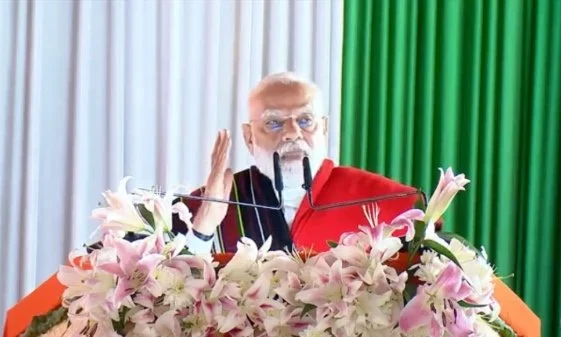
Justice Denied in Manipur, Modi Brings Development Instead
Prime Minister Narendra Modi’s visit to Manipur on September 13, more than 28 months after the outbreak of violence, offered development schemes worth over 73 billion rupees (7,300 crore). What he did not offer was the one thing most needed in the state. Justice. This reveals the Centre’s unwillingness to confront the failures of governance that enabled the violence in the first place.
Indian Citizens Expelled, Foreign Migrants Exempted in Unequal State Action
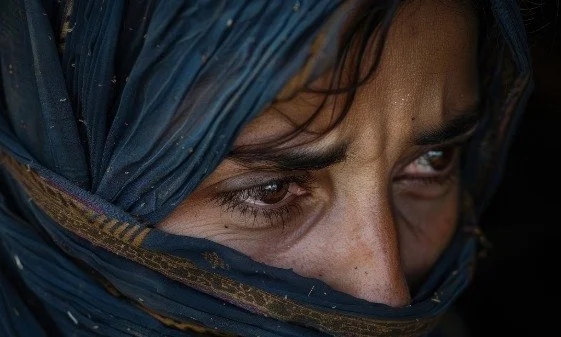
Two contrasting news reports reveal institutional inconsistency in how citizenship rights are identified and protected. A 25-year-old Muslim woman, her husband and child were expelled to Bangladesh from Delhi despite holding multiple documents proving Indian citizenship, while the Ministry of Home Affairs (MHA) exempted undocumented non-Muslim migrants from Pakistan, Afghanistan and Bangladesh from prosecution under immigration laws if they entered India before Dec. 31, 2024.

University in Delhi Expels Bangladeshi Scholar, Harming India’s Academic Culture
South Asian University in New Delhi expelled a Bangladeshi Ph.D. scholar, Sudeepto Das, following an incident involving food restrictions on the Mahashivratri festival. The university’s decision involves far-reaching institutional failure and indicates a shift that will harm India’s academic and civic culture.

Supreme Court Order Shows No Verdict Carrying Death Sentence Can Be Final
The Supreme Court has ordered a fresh hearing on the punishment imposed on a man convicted for the rape and murder of a four-year-old girl, setting aside its 2017 judgment that upheld the death penalty. It sets a much-needed precedent where the top court will be willing to review irreversible penalties in light of evolving legal safeguards and human rights obligations.

Arrest of Dharmasthala Complainant Indicates Legal Overreach
The arrest of C.N. Chinnaiah, a former sanitation worker who alleged multiple murders, rapes and secret burials over two decades in and around the Dharmasthala temple area in Karnataka, appears legally premature. It raises serious concerns about the use of criminal charges against a complainant during an incomplete investigation, and about the conduct of the police and investigative authorities in cases involving powerful religious institutions.

State and Centre Failed to Prevent Manipur Violence: Independent Tribunal
An independent inquiry into the ethnic violence that began in Manipur in May 2023, based on survivor testimonies and first-person accounts, finds consistent failures by state institutions, security forces and political leaders. The report holds both the state and central governments responsible for failing to uphold constitutional protections and deliver justice.

Vigilante Policing: War Veteran’s Family Harassed Over Citizenship in Pune
The family of a Kargil war veteran in Pune has alleged that around 80 members of a Hindu nationalist group stormed their house at midnight and demanded proof of their citizenship, accusing them of being illegal immigrants. Allowing such groups to operate in this manner risks normalising harassment and extra-legal intimidation, which undermines the security and dignity of all citizens, not just those being targeted at the moment.

2006 Mumbai Blast Acquittals Expose Political Abuse of Law Across Governments
Twelve men have been acquitted in the 2006 Mumbai train blasts case after spending nearly 19 years in prison, based on testimony later exposed as fabricated by a repeat witness used in multiple terror cases. From the perspective of citizens, two successive state governments and four political parties appear complicit in the betrayal of justice — first the Shiv Sena and the Bharatiya Janata Party (BJP) for enacting a draconian law, and then the Congress and the Nationalist Congress Party (NCP) for using that law to frame Muslim men.

Another Crime Against Woman, Missing from India’s ‘Development’ Story
Two brothers in Odisha’s Jagatsinghpur district raped a 15-year-old girl, and when she became pregnant, they tried to bury her alive – the latest of several cases of crimes against girls and women that have come to light in recent months from this state. It appears that, as in other parts of the country, these are men’s reactions to girls asserting control over their own bodies, revealing that India’s claimed growth story must include a different dimension of development.

Assam Evictions Demand Relief, Not Interstate Surveillance of the Displaced
The Assam government has launched extensive eviction drives across Dhubri and Goalpara districts, targeting those it labels as “encroachers” and “illegal migrants,” prompting alerts from neighbouring states concerned about possible cross-border movement. The development is being portrayed by the state as a routine law and order measure, but it raises serious questions about whether the evictions are legally justified, whether due process has been followed and whether the government is fulfilling its duty to prevent avoidable harm to people.

UK to Monitor Religious Freedom in India Under New Foreign Policy Focus
Britain has named India among 10 countries it will closely monitor for violations of religious freedom as part of a new foreign policy strategy. The move links the United Kingdom’s international relations more directly with the defence of freedom of religion or belief.

Do Assam’s Demolitions Hold Up to Legal, Procedural and Ethical Scrutiny?
On July 8, the Assam government began a demolition drive to clear land for a proposed thermal power plant in Dhubri district, targeting over 2,000 households of Bengali-origin Muslim families. The timing, method and impact of this operation raise serious questions about legal compliance, procedural fairness and ethical reasoning.

Europe Sets Limits on Artificial Intelligence; India Can’t Afford to Wait
The European Union has decided to go ahead with its Artificial Intelligence Act on time, rejecting requests from some tech companies to delay it. This new law is meant to keep AI under control and protect people’s rights, safety and democracy. Countries in Asia, especially India, need to take this seriously. If they wait too long, AI systems might become common in daily life without any rules, and that can cause irreparable harm.