

Is the Government Combining the Census and the National Population Register?
Is the government using the Census to quietly collect information for the National Population Register (NPR), even though it has not officially announced that the NPR is being updated? Former senior Census official K. Narayanan Unni told a media outlet that some of the 40 questions announced by the Home Ministry appear more useful for the NPR than for a normal Census.
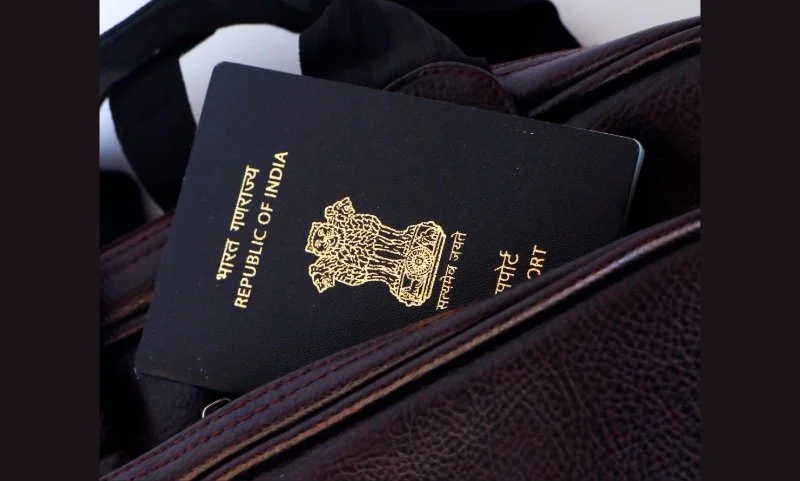
If a Voter List Error Can Cost a Journalist His Passport, What Could It Cost Millions of Others?
R. Rajagopal, a former editor of The Telegraph, says his passport renewal has been held up after police reported that his name had been deleted from the electoral roll during a recent Special Intensive Revision (SIR) of the voter list. Does this mean an exercise built to catch duplicate and inaccurate entries may now begin to decide, in practice, who is a citizen with standing to travel, work or have access to government services?

Why It’s Legally Correct But Unfair to Say a Passport Doesn’t Prove Citizenship
The Ministry of External Affairs has said that an Indian passport is primarily a travel document and should not be treated as standalone proof of citizenship. While the statement can be legally defended, it appears harsh and potentially unjust to tell citizens that none of their documents could finally protect them from suspicion when the state has treated them as citizens for decades, allowed them to vote, taxed them, issued them identity documents, educated their children, and issued them a passport after official verification.
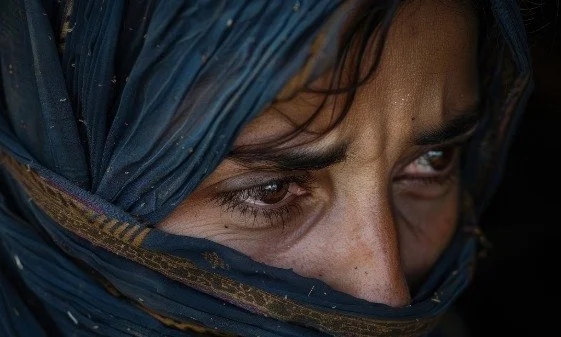
Indian Citizens Expelled, Foreign Migrants Exempted in Unequal State Action
Two contrasting news reports reveal institutional inconsistency in how citizenship rights are identified and protected. A 25-year-old Muslim woman, her husband and child were expelled to Bangladesh from Delhi despite holding multiple documents proving Indian citizenship, while the Ministry of Home Affairs (MHA) exempted undocumented non-Muslim migrants from Pakistan, Afghanistan and Bangladesh from prosecution under immigration laws if they entered India before Dec. 31, 2024.

Vigilante Policing: War Veteran’s Family Harassed Over Citizenship in Pune
The family of a Kargil war veteran in Pune has alleged that around 80 members of a Hindu nationalist group stormed their house at midnight and demanded proof of their citizenship, accusing them of being illegal immigrants. Allowing such groups to operate in this manner risks normalising harassment and extra-legal intimidation, which undermines the security and dignity of all citizens, not just those being targeted at the moment.
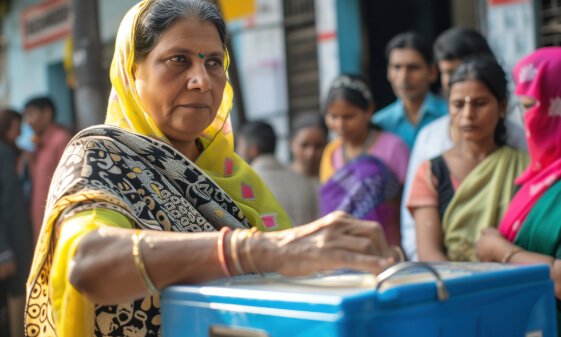
Is Election Commission Turning Voter Verification in Bihar into a Citizenship Test?
Ahead of state elections in Bihar, the Election Commission (EC) has said it will make voters submit proof of their own and their parents’ birth details, including citizenship documents, as part of a special intensive revision of the electoral roll. The move imposes a level of bureaucratic scrutiny that is not only difficult to meet for many citizens, but also raises questions about the intention and timing of such an exercise in a politically sensitive state.
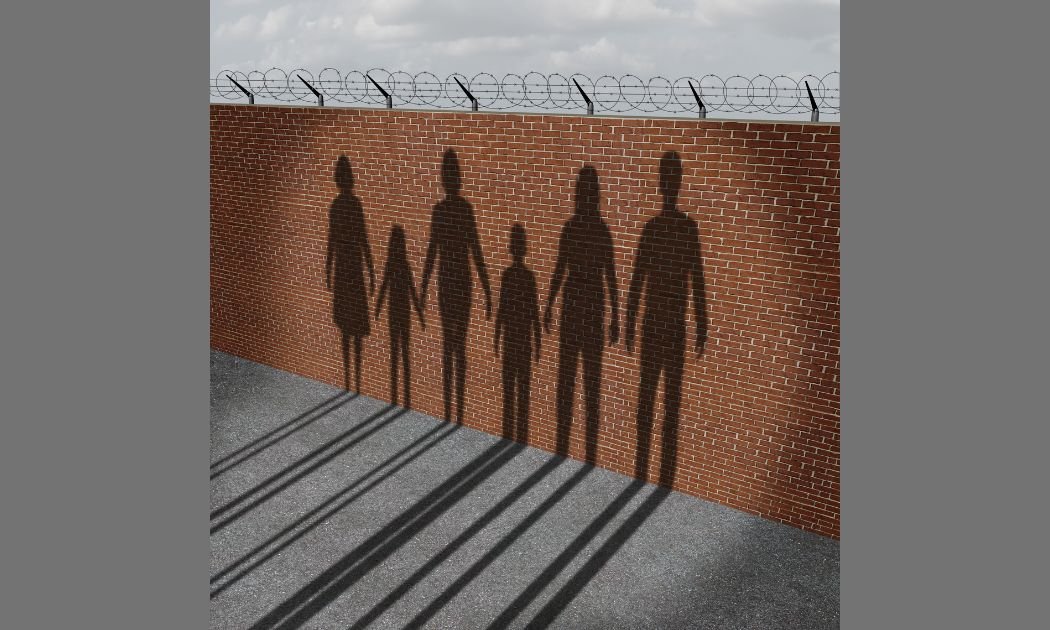
Assam’s NRC Misstep: Court Demands Deportation of ‘Illegal Foreign Nationals’
The Supreme Court has rebuked the Assam government for keeping people it has declared as “foreigners” in indefinite detention and for its slow pace in arranging their deportation. State officials claim they do not know where to send them. It exposes a fundamental problem rooted in the National Register of Citizens (NRC): if individuals are declared foreign solely because their documents are considered insufficient, what happens next?

Republic Day: What’s the Core of a ‘Republic’?
As we, Indians, celebrate Republic Day, it serves as a reminder that our nation is a “republic,” with our Constitution affirming that we, the people, “authorise” the government to govern. Gaining a clear understanding of the essence of a republic can deepen our comprehension of our role in public life.
Study: Dainik Jagran’s Coverage of NRC-CAA Protests, Delhi Violence Biased
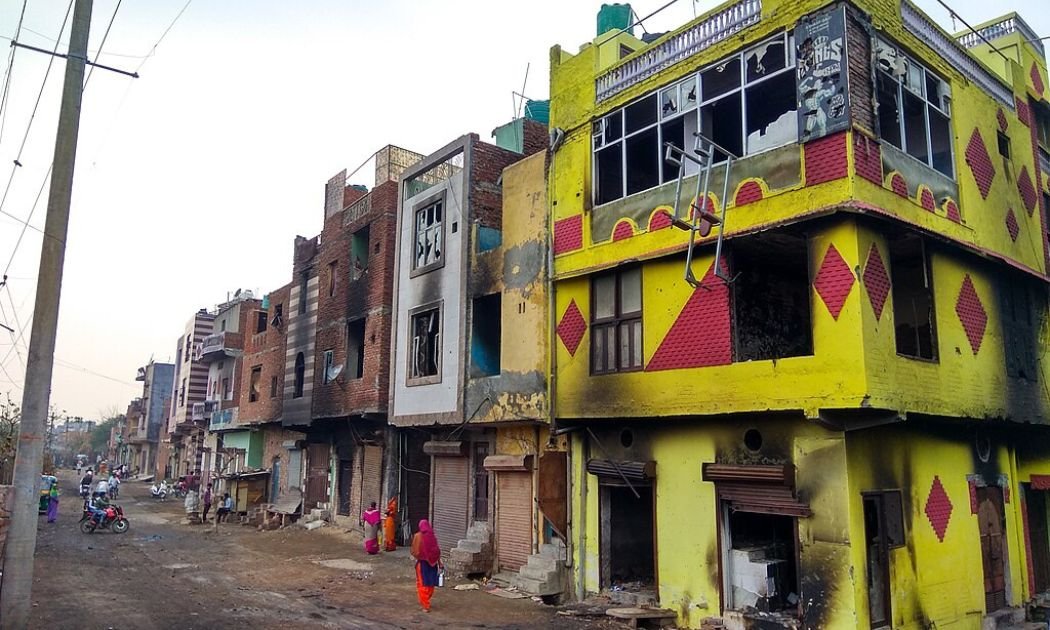
Hindi-language daily Dainik Jagran’s coverage of the 2020-2021 protests against the National Register of Citizens and the Citizenship Amendment Act (NRC-CAA), as well as the communal violence in Delhi, was “biased,” according to a study featured in the recently published book, “Inclusiveness in Indian Media Coverage.” The reportage predominantly supported the Bharatiya Janata Party’s (BJP) stance, depicting protestors negatively and associating them with violence while allocating minimal space for their perspectives, it suggests.

What’s Your Political Responsibility?
Understanding the “social contract” theory, which forms the foundation of government, can shift our perspective on politics. Social contract is the idea that a government derives its power from the consent of the governed. By surrendering some of our rights, we agree to let a governing body enforce laws and maintain social order, so that it protects our other rights and interests.

Indian General Election 2024: Voting Beyond Religion and Caste in National Elections
In a general election, voters must carefully examine how various political parties plan to address major national concerns, including economic policies, national security and international relations. Voters should also critically evaluate whether their lives and those of their family members have improved or worsened, and to determine whether the policies proposed by any political entity prioritise the common good or are mainly self-serving.

Citizenship Amendment Act Ignores South Asia’s Persecuted Muslims
The Citizenship (Amendment) Act, 2019 (CAA), now in effect in India, facilitates citizenship for undocumented non-Muslim migrants from Pakistan, Bangladesh and Afghanistan. The government claims that Muslims are exempt from this provision because these Muslim-majority countries do not subject Muslims to persecution. However, this claim neglects the reality of severe religious persecution of Muslim minorities within these nations.

Our Duty Towards Solidarity, Coexistence and Scientific Temperament
On this Republic Day, let’s take a moment for introspection about our role as citizens. As per the Constitution of India, we are entrusted with certain Fundamental Duties. Among these, three duties – promoting brotherhood or solidarity, preserving our composite culture and developing a scientific temper and humanism – stand out for their relevance in today’s context. Let’s ask ourselves if we actively abide by these values in what we endorse, disseminate or tolerate?

The Weight of a Vote
In the wake of the Bharatiya Janata Party’s (BJP) electoral victories in three out of four states, discussions are rife about its prospects in the upcoming national elections. While political victories are often seen through the lens of party ideologies and leadership charisma, it’s crucial for voters to remember the real stakes: the governance of a nation.