
Why Does the Government Want to Review Journalism Courses?
From the Editor’s Desk
April 7, 2026

The education ministry has reportedly written to all university vice-chancellors, forwarding a suggestion from Prime Minister Narendra Modi that journalism syllabuses be reviewed “to make them more effective.” The ministry offered no specification of what the review should contain or why the current syllabuses fall short. This vagueness, which appears to be deliberate, is concerning.
The University Grants Commission (UGC) secretary, Manish R. Joshi, sent the letter at the ministry’s direction, asking both the UGC and the All India Council for Technical Education (AICTE) to issue advisories to institutions under their jurisdiction, according to The Telegraph.
In the absence of any clear indication of what requires revision, institutions will likely attempt to anticipate the government’s expectations in order to comply. The direction such anticipation may take remains fairly predictable. Given that the directive comes from bodies that exercise both funding control and regulatory authority, the ambiguity is likely to produce the most conservative interpretation.
Periodic revision of syllabuses is a routine academic responsibility, and educators possess the expertise to identify and address curricular gaps. A review led by journalism faculties to assess whether students are adequately trained in digital verification, data analysis or legal literacy would qualify as a professional exercise. However, a review initiated by political authority, without any stated deficiency, carries a political character regardless of how it is presented.
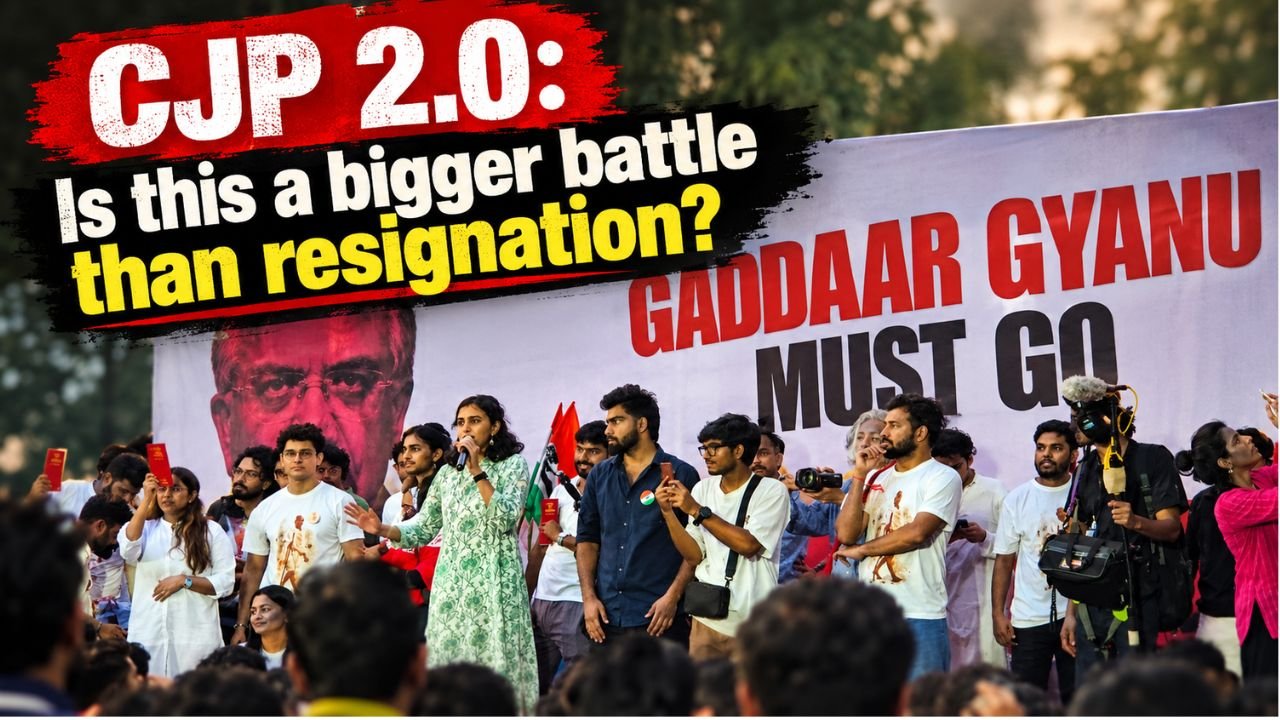

Journalism education, where it functions well, produces professionals whose primary obligation is to the public record. That obligation requires reporters trained to obtain information independently, verify it against multiple sources and publish it without seeking prior approval. A curriculum aligned with the state’s definition of “effective journalism” is likely to operate under pressures of institutional self-preservation, thereby producing graduates who readily accept official narratives and lack the training or inclination to challenge them. Gradually, this process may allow political authority to recast the press as a partner in governance rather than a check on it.
The directive raises the question if the government wants the media to align with its ideology of nationalism rather than examine it. Media has long been seen as a powerful instrument for mobilisation in projects built around religious nationalism.
Irish political scientist Benedict Anderson argued that media helps create “imagined communities,” where people come to see themselves as part of a shared nation through common narratives carried in newspapers. British scholar of nationalism Anthony D. Smith showed that many nations rely on older religious symbols, myths and memories to sustain that shared identity. In this setting, journalism takes on a cultural role, it reproduces a story about the nation that appears continuous and morally grounded. American anthropologist of religion Clifford Geertz defined religion as a system of symbols that guides how people understand reality and act within it. If those symbols become central to national identity, journalism is expected to align with them rather than interrogate them.

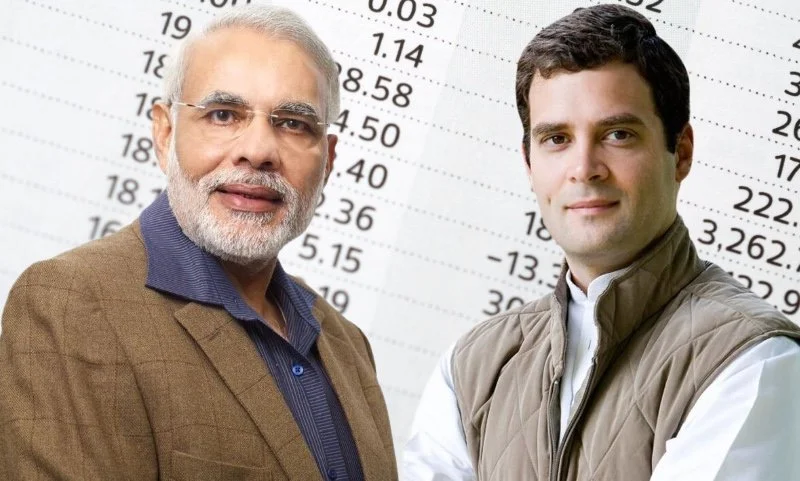
State-aligned media is also a tool for party nationalism, such as in China, where journalism education combines reporting skills with explicit instruction on the role of media in supporting national goals and “social stability.” Institutions such as Renmin University of China train students within a framework where the Chinese Communist Party expects the press to guide public opinion in line with state policy. Journalists are expected to verify and report, though within boundaries that reinforce official narratives and limit adversarial scrutiny.
Critical training is what the government’s directive appears to place at risk. Institutions that depend on state approval for accreditation, funding and recognition are likely to read the signal in a prime ministerial suggestion without needing further detail. The vagueness of the letter may intensify that pressure, because an institution unable to identify the specific change being sought is likely to err on the side of caution, producing graduates who create fewer inconveniences for those in authority.
The appropriate response from journalism faculties and journalists is to state clearly, in public, what journalism education is meant to do, why it requires independence from government direction, and why any review of syllabuses should be led by journalists and educators at a time they consider necessary.
You have just read a News Briefing, written by Newsreel Asia’s text editor, Vishal Arora, to cut through the noise and present a single story for the day that matters to you. We encourage you to read the News Briefing each day. Our objective is to help you become not just an informed citizen, but an engaged and responsible one.
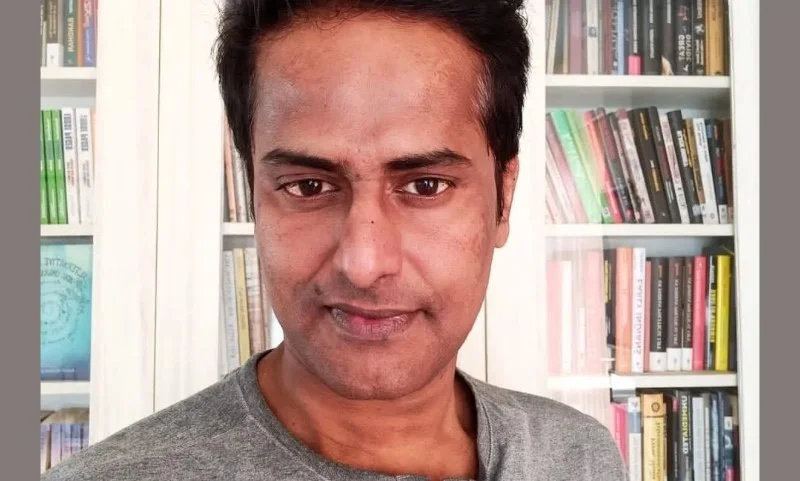

On October 12, opposition leaders, MPs, MLAs, student organisations and political workers came together in a massive march against Chief Election Commissioner Gyanesh Kumar, raising serious concerns over the Special Intensive Revision (SIR) of electoral rolls and the alleged mass deletion of voters’ names. The march brought together a broad coalition, including the INDIA bloc, AISA, SFI and other student unions, as part of a wider nationwide mobilisation against the SIR exercise and concerns surrounding electoral integrity.