

How Fair Is Karnataka Police to Its Minorities?
How two Muslim minority women sisters faced unfair treatment by Karnataka Police. Behind Bengaluru's giant tech offices lies a darker truth of the crimes against minorities of the state. The two Muslim women, both single mothers, now fight for survival every day. What began as a dispute with their landlady turned into a cascade of abuse, threats, and systemic neglect. Their journey — from reporting chemical attacks and violent assaults to being ignored by the very institutions sworn to protect them — reveals not just personal trauma, but a persistent crisis: the failure of India’s democracy to safeguard its minorities.
Their case is not an exception but a pattern. Karnataka’s conviction rate under the IPC in 2022 stood at 23.9%, well below the national average. Between 2020 and 2023, the state dropped 385 criminal prosecutions, including 182 tied to hate speech, cow vigilantism, and communal violence.
Their story asks a difficult question: in a democracy that promises equal justice, why are minorities still forced to beg for protection?

How to Make Sense of News?
In today’s world, making sense of the news can feel overwhelming. Between TV debates, viral headlines, and endless social media feeds, it’s hard to know what’s real, what matters, and what’s just noise. This video is a practical guide to engaging with the news more wisely—without falling into the traps of propaganda, misinformation, or outrage cycles. Here’s what we cover:
Why news often triggers emotions before thoughts
How to spot when you’re being manipulated
The difference between balance and distortion
Why algorithms keep you inside bubbles
Simple steps to cut through the noise

Why Sikkim Has the Highest Suicide Rate
Narsisus was addicted for 27 years and survived multiple suicide attempts. Today, he runs a modest community rehab centre. With no frills, only a few beds, basic meals and peer support, it offers a fragile but vital lifeline for those who walk through its doors. His journey, from the darkest moments to helping others avoid the same brink, unfolds in a state battling one of India’s deadliest mental health crises: Sikkim.

The Hidden Threat To India's Workforce
To investigate if your 9-5 corporate job has labour laws for your safety and well-being, Newsreel Asia producer Jyoti Jangra travels to India’s Silicon Valley—Bengaluru—to find out a quiet crisis unfolding inside corporate cubicles: the crumbling mental health and legal protections of India’s white-collar workforce.

What 9 Communities Taught Me Over Dinner
What do India’s persecuted communities go through behind closed doors? What happens when you sit across a dinner table and truly listen? Over the course of 9 powerful episodes, The Dinner Table, a docu-series by Newsreel Asia, brings together stories from communities who have long been silenced, sidelined, or targeted — simply for their identity, faith, or beliefs.
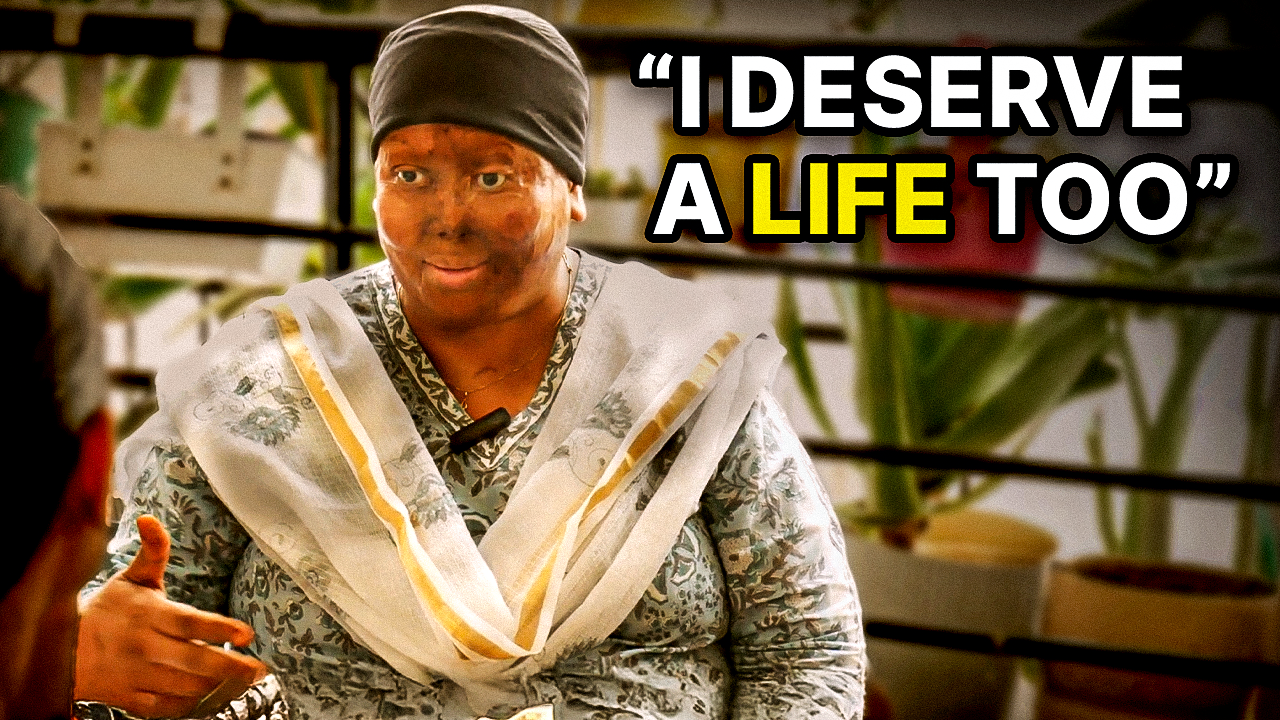
Pragya’s Journey: From Acid Attack Survivor To Activist
In 2006, just 12 days after her wedding, 23-year-old Pragya Prasun was travelling on a train when a man threw acid on her, leaving her with 47% burn injuries. What followed was a long and painful recovery, and a determination to create a support group for acid attack survivors.
Today, she is not just a survivor — she is a fierce activist, working to support and empower other acid attack survivors through her initiative ‘Atijeevan Foundation,’ an organisation that works with acid attack survivors across India, helping them access surgeries, legal aid, mental health support, and financial independence.
In this episode of Stories of Resilience, Host and Producer Mariya Rajan meets Pragya to trace her journey from being an acid attack survivor to an activist. We explore how she rebuilt her identity, challenged social norms, and became a beacon of hope for other survivors.

Sangeetha’s Silent Battle with Mental Illness
Sangeetha's journey with bipolar and borderline disorder, from a suicide attempt to healing. It’s a story of resilience, recovery and mental health awareness. Globally, more than 40 million people live with bipolar disorder, according to the World Health Organisation. It is marked by episodes of mania and depression that can last days, weeks or longer. These “mood swings” can alter a person’s ability to function, make decisions and maintain a sense of self.

Millions Uprooted: Inside India’s Alarming Rise in Climate and Conflict Displacement
Newsreel Asia producer Jyoti Jangra takes us across India – from ghost villages in Uttarakhand to flood-ravaged coasts of Odisha, conflict zones in Manipur and submerged hamlets in Himachal Pradesh – to uncover a silent, growing crisis: distress migration.

Home Is Not a Place: A Young Woman Traces Her Community’s History of Bride Kidnapping
“Home Is Not a Place” is a documentary that began as a personal search. When Nepal-based Lhakpa Choedon, an art director and interdisciplinary creative, discovered that her grandmother had been kidnapped and forced into marriage, she began asking questions about her family’s past, about the women around her and about a tradition many would prefer to forget.
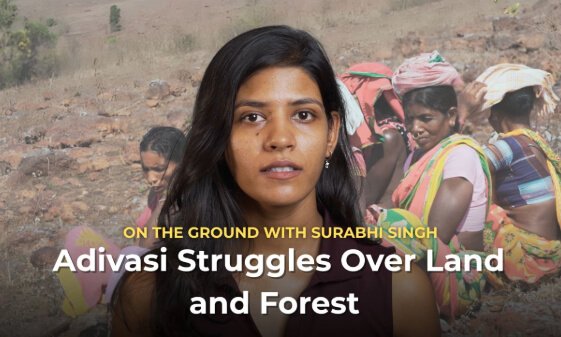
On the Ground with Surabhi Singh: Adivasi Struggles Over Land and Forest
Newsreel Asia producer Surabhi Singh has travelled across parts of central India, reporting from remote tribal areas in Chhattisgarh and Odisha. In this video, she shares what she saw on the ground – the continuing struggle of Adivasi communities to protect their land, forest and natural resources.

Stunted Futures: Malnutrition in Rural Karnataka
Kavitha, a mother in Raichur district, doesn’t follow the nutrition charts or growth tracking numbers. What she understands is hunger. The rice from the public distribution shop lasts less than a week. On some nights, there’s nothing but water and silence. For families like hers, malnutrition isn’t just a report—it’s dinner time.

Exploited Women Workers of Assam’s Tea Industry
Neeta Oraon lives in Nazira, a small town in Assam’s Sibsagar district. At 27, she has already spent more than a decade working in a tea garden. Her dream of becoming a nurse gave way early to the demands of poverty, debt, and family survival. She now works long hours under the sun, earning 250 rupees a day while caring for her ailing mother. Like Neeta, thousands of women in Assam’s tea gardens remain trapped in cycles of generational hardship and unseen labour.

Victims of Rural Karnataka’s Healthcare Neglect
Hanumanthi was in labour for the third time at a small government health facility in Karnataka’s Raichur district when she began to bleed heavily. The centre lacked the equipment to manage the emergency. Her family was told to rush her to a larger hospital. But how does a woman in the middle of childbirth survive a long road journey? Why was the local facility unprepared? Her family is left with questions—questions shared by many across rural Karnataka.

Is Nationalism Splitting Communities in Assam?
In Assam’s Morigaon district, Jamal Uddin, a madrasa teacher from Borbori, still carries the trauma of the 1983 Nellie massacre over alleged illegal immigrants. He lost his mother, brother and sister, who were among an estimated 2,000 to 3,000 people, mostly Bengali-speaking Muslims, who were killed in a matter of hours. The issue of illegal immigration from Bangladesh remains deeply contentious in the state’s politics and society. Successive governments have carried out actions in the name of anti-terror measures, targeting the minority Muslim community and fuelling widespread suspicion against it.
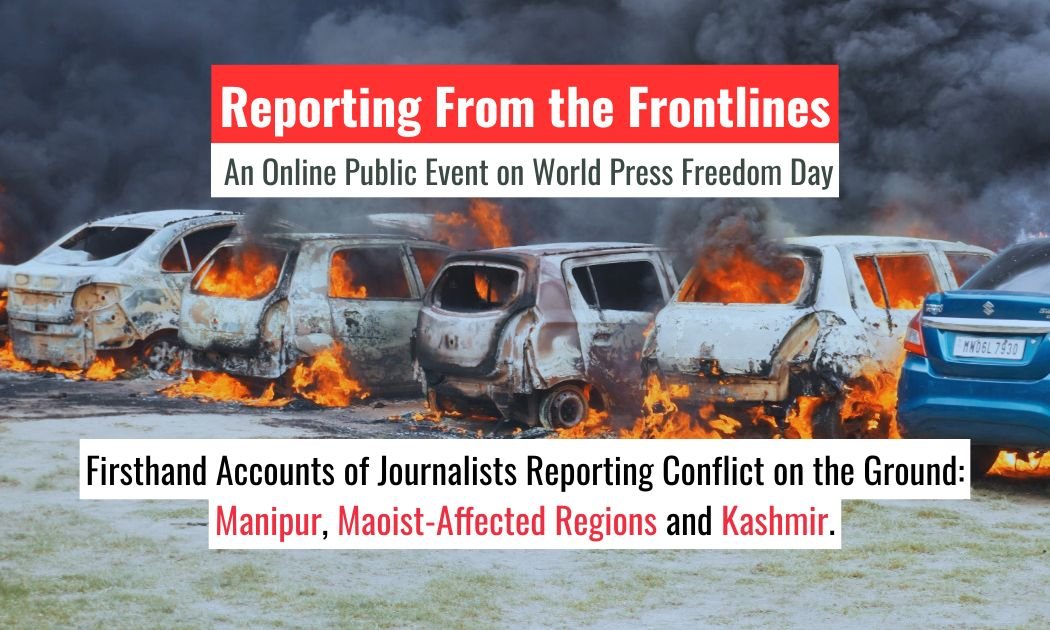
Challenges of Reporting Conflict From the Frontlines
To mark four years since its founding on World Press Freedom Day, Newsreel Asia hosted an online discussion with frontline journalists who have reported from some of India’s most volatile conflict zones. The conversation took place just days before the latest escalation of hostilities between India and Pakistan, which saw the use of missiles, drones and artillery fire along the Line of Control.

Food Insecurity of Odisha’s Uprooted Tribes
Mohanty Soren and Telenga Hasa, belonging to the Ho and Munda tribes, once lived in a region at the heart of the Simlipal Tiger Reserve in Odisha’s Mayurbhanj district. Just three years ago, their lives revolved around cultivation, surrounded by dense forest. Now, after being forced to vacate his land, Hasa lives 180 KM apart. Each time he returns to visit Soren in his former village, he is overcome with reflection and sorrow.

Meet India’s Youngest Journalists: Living and Reporting from the Streets
Among the tens of thousands of newspapers published in India, one stands truly unique — Balaknama (Children’s Chronicle). Curated by street children, the Delhi-based Balaknama brings powerful stories about underprivileged children and their surroundings in several cities across India. These children have lived the hardships they write about, giving their journalism rare authenticity and depth. Through Balaknama, they now have a platform to voice their issues and challenges.

Faith Vigilantism in Odisha
Sadhu Sundar Singh, a Christian pastor in Odisha’s Balasore district, works with Adivasi communities to curb alcoholism, violence and unsafe drinking practices. However, because he also shares his Christian faith with them, he has received death threats. He insists that belief is a personal choice protected by the Constitution, but Hindu nationalist groups see tribal conversions as a threat to indigenous culture and a push toward a “Western” religion. The resulting tension has triggered violence and unrest.

Prema and Her Love for Uniform
Prema, a nurse in Bengaluru, Karnataka, always dreamed of wearing a uniform. Four of her siblings have jobs and wear uniforms. She also aspired to join the police force but despite repeated attempts, she couldn’t clear the exams. Years later, working at a hospital her life took a surprising turn. In male-dominated professions, Prema has made her mark. Despite various challenges, she has managed to get herself a job. Her dream to wear a uniform on a duty has finally come true. In 2010, she became the first woman to be hired as a BMTC driver. For Prema, the uniform was never just clothing. It stood for self-respect, belonging and a dream she had held on to despite many setbacks. Today, she wears it proudly every day. Her resilience to enabled her to get what she always dreamt of.

Exposing West Bengal’s Corruption Crisis
West Bengal has grappled with a deep-rooted corruption crisis for decades—today, at the heart of it lies the School Service Commission (SSC) teachers’ recruitment scam, which has shattered the hopes of thousands of deserving candidates. In this investigative video, we uncover how teaching jobs were allegedly sold for lakhs of rupees, replacing merit with money in one of the state’s most crucial sectors — education.