
News Videos
News Features from India’s States and Union Territories on Democracy, Governance, Economy and Society
Tripura has the highest rate of child marriage in Northeast India and the third highest in India, a state facing severe social issues related to the safety of young girls and trafficking. Among them is Purbita who had to run away from her home at the age of 17 after her parents forced her to marry. She wanted to finish school, become a police officer, and build an independent future. Through the story of a survivor, an interview with a women's rights activist, and conversations with an official who spoke on condition of anonymity, this investigation examines what lies behind the numbers.
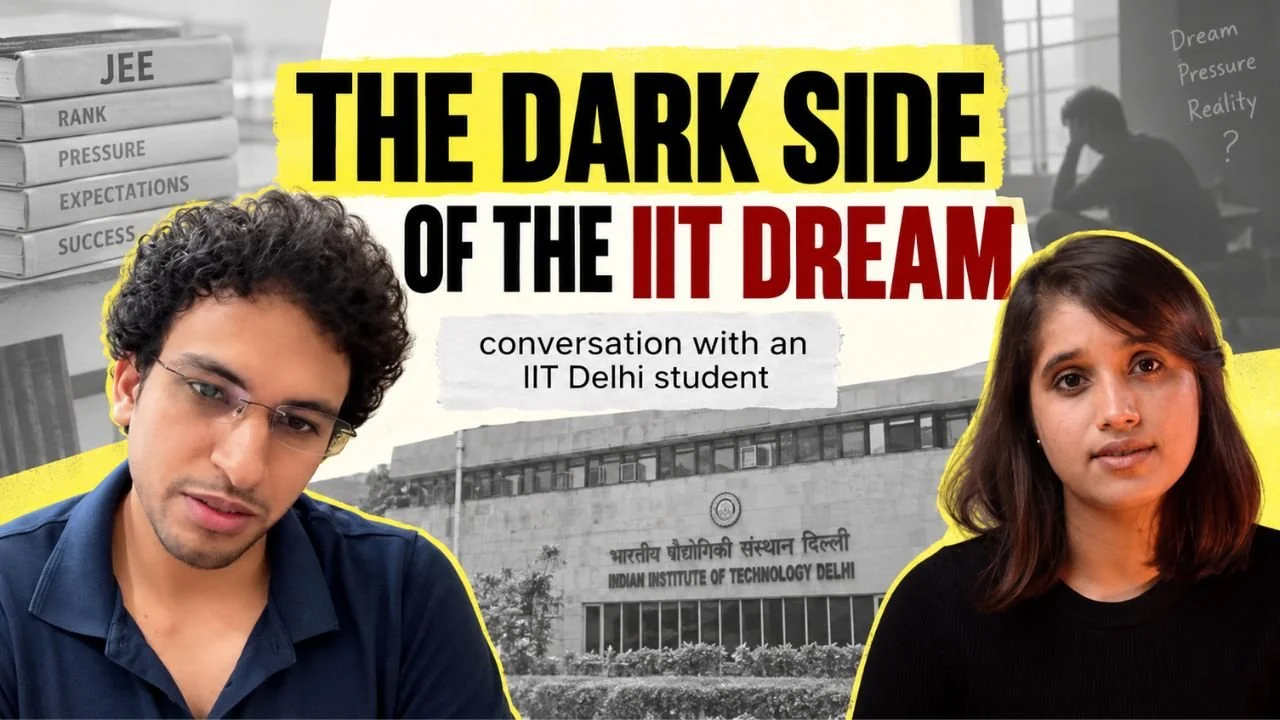
Getting into an IIT is a dream for millions of students in India. But what happens when the dream college becomes a place of pressure, fear and unanswered questions? Following the death of 31-year-old MSc student Rishikesh at IIT Delhi, students took to the campus to protest against the administration. While the authorities have treated the death as a suicide, protesting students have raised serious questions and alleged that there was more to the incident. This is not just about one student. Multiple IIT Delhi students have died by suicide in recent years, raising difficult questions about academic pressure, mental health, institutional support and the culture inside one of India’s most prestigious institutions.
This video looks at the role social media played in the rise of the Cockroach Janata Party and the wider Cockroach Movement in India. From Instagram and short-form videos to memes, satire and real-time responses, CJP and independent creators were able to build a political narrative around education, employment, accountability and governance, while pushing back against attempts to define the movement through communal or anti-national frames.
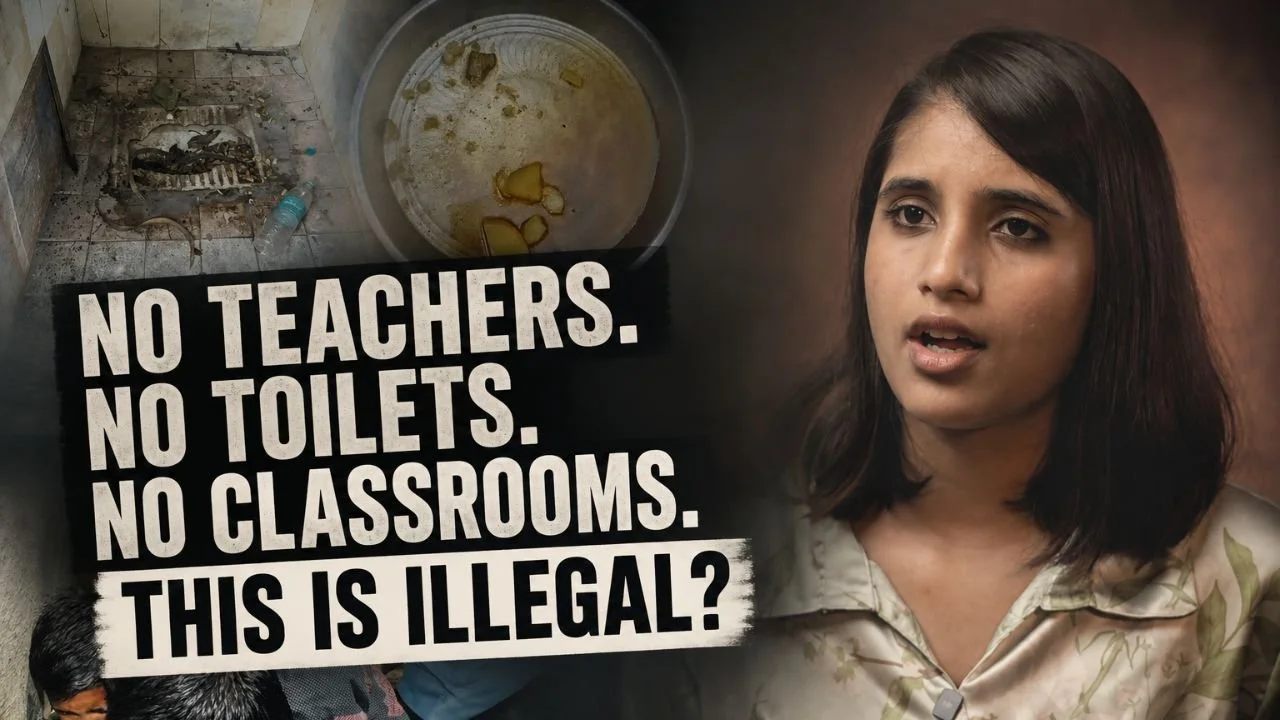
Have you ever actually read the Right to Education Act? From schools and classrooms to teachers, drinking water, separate toilets, barrier-free access and proper infrastructure, the RTE Act lays down clear responsibilities for governments and local authorities. So when children are forced to study in poorly maintained classrooms, when multiple classes are taught by a single teacher, when schools lack basic facilities, or when teacher vacancies remain unfilled, we need to ask: Is this just poor governance—or is the government failing to fulfil obligations already written into law?
Do you need police permission to protest in India? Can you protest anywhere you want? Can the government restrict a protest to a designated site? And how much force can the police legally use to disperse a gathering? India's Constitution protects the right to freedom of speech and peaceful assembly under Article 19. But that right is not absolute. From the Himat Lal Shah judgment of 1972, to the Ramlila Maidan incident of 201, the 2018 Mazdoor Kisan Shakti Sangathan (MKSS) case concerning Jantar Mantar, and the Shaheen Bagh judgment 2020, the Supreme Court has repeatedly had to balance the right to dissent with public order and the rights of other citizens. This video explains what these judgments actually say—and where the constitutional limits lie.
Nineteen days into a protest that began with a single leaked exam paper, Ranchi has become the site of a standoff between students, an indefinite hunger strike, and a state government that says it has met ninety-eight per cent of the demands against it. This episode of The India Report traces the sequence from the JPSC's fourteenth Civil Services exam through Monday's march on the Jharkhand Assembly, where barricades came down, a disputed pellet gun surfaced, and opposition leaders were detained alongside the students they came to support.
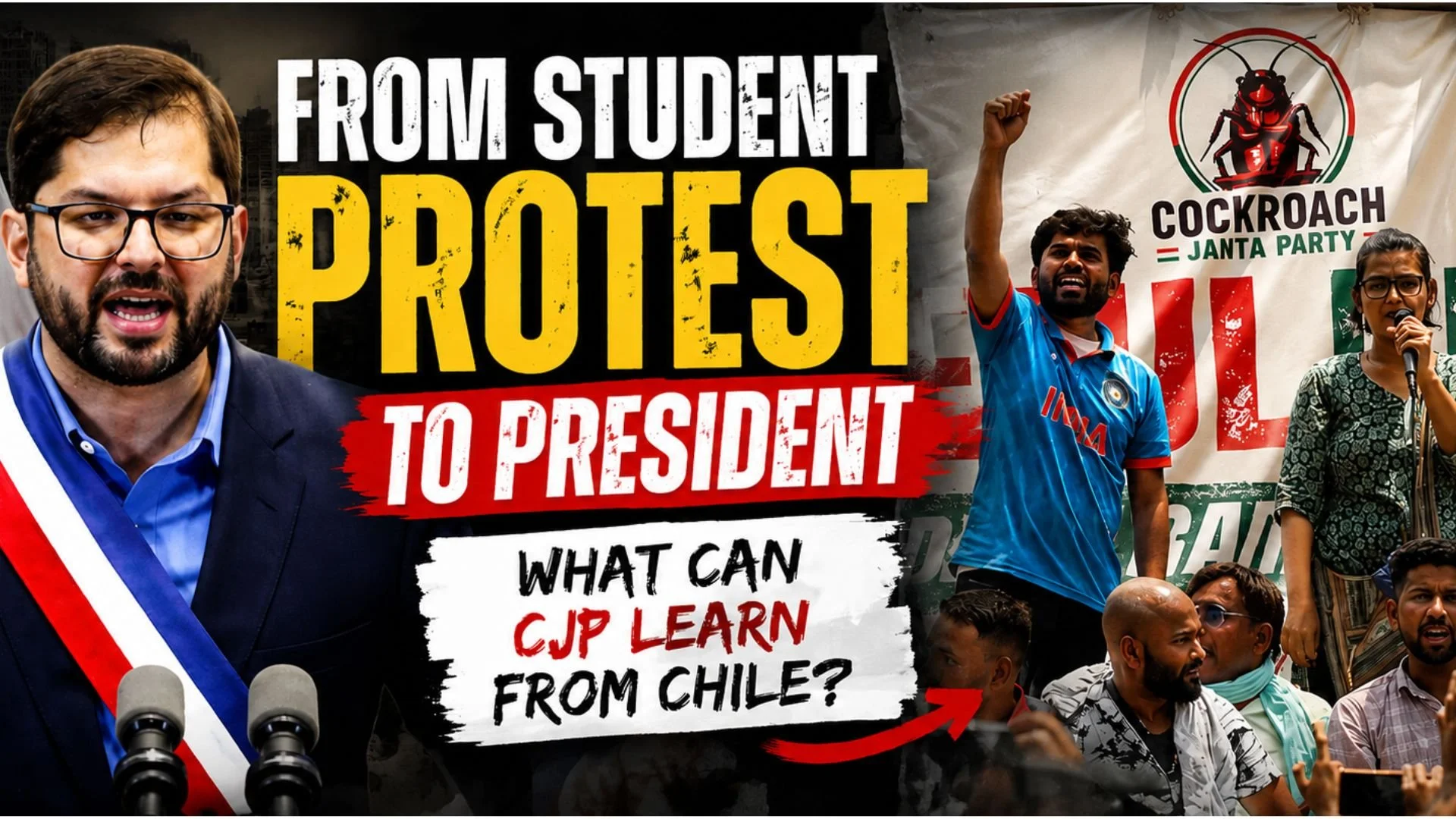
Cockroach Janta Party decided to remain a pressure group and not form a political party. But there is one student movement in the world which led to educational reforms in the country. What can India's student movements learn from Chile’s student protest of 2011? In 2011, thousands of students across Chile took to the streets demanding major reforms in the country's education system. What started as a student protest grew into a massive national movement, forcing education to become a central political issue.
Sonam Wangchuk is in hospital, 25 days into a hunger strike that began at Jantar Mantar, still refusing food, fluids, and medication. Congress has questioned the government's account of Operation Sindoor after six names appeared on the National War Memorial. Meanwhile, inflation has crossed the RBI's target, pushing food prices higher across the country. Three stories. One question: who makes the decisions, and who lives with the consequences?
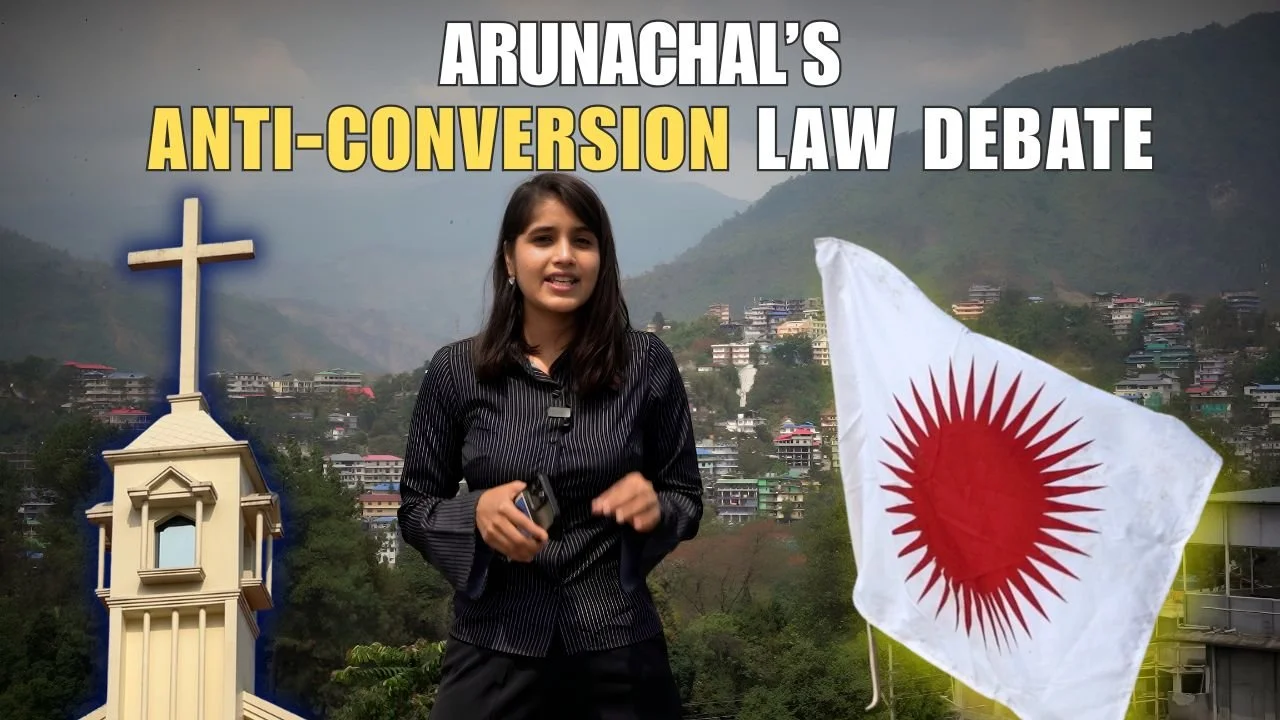
In this documentary, Newsreel Asia producer Harshita Rathore travels to Arunachal Pradesh to understand the decades-long debate surrounding the Arunachal Pradesh Freedom of Religion Act (AFRA), 1978. Through conversations with leaders from the Christian community and the Donyi Polo movement, she explores why the law was introduced, why it remained dormant for 46 years, and why its revival has sparked fresh protests after the Gauhati High Court's 2024 directive. The documentary also examines the history of religious conversion in Arunachal Pradesh, the revival of indigenous faiths like Donyi Polo, and the larger question of whether faith can ever be regulated by law.
This week on The India Report: a new PUDR report counts 607 dead across 27 months of Operation Kagaar in Bastar, most of it outside the Supreme Court's own rules for encounter killings, and a peace offer the government turned down. Then, the BJP spent 30 years using Jaswant Singh Khalra's murder as a weapon against Congress, until a film about him actually got made, streamed for two days, and vanished. And finally, how a ceasefire collapsing 4,000 km away near the Strait of Hormuz already shows up in the Sensex, the rupee, and your cooking gas cylinder.Three stories, one thread: what a state decides to count, remember, and price in, and what it doesn't.
This week on The India Report: MGNREGA has quietly been replaced by VB-G RAM G, with higher wages and more guaranteed days on paper, but a new funding split that could hit UP and Bihar's tightest budgets hardest. Meta has been summoned by the government after Instagram approved ads promoting child sexual abuse material, raising hard questions about whether its safety systems ever really worked. And PM Modi's decision to skip Ayatollah Khamenei's funeral, sending a junior minister while Pakistan's PM attended in person, reveals a careful hedge between India's ties to Iran and its growing closeness with Israel and the Gulf.

A Telegram bot called Hiteckgroop is reportedly selling sensitive personal data of Indians, including Aadhaar, PAN, and passport details, addresses, family records, and location information, for as little as ₹2.50 per search using just a mobile number. The piece traces the data to earlier breaches (BigBasket, Alien Text Base, 1Win, and others) and opens with a case in Bihar where a family used the bot to locate a missing relative. It quotes several users of the bot (for tenant verification, marketing, and curiosity) and cybersecurity expert Rupesh Mittal, who links the tool to institutional data breaches and raises concerns about law-enforcement use without oversight. The article closes by invoking Shoshana Zuboff's surveillance capitalism framework, framing the bot as an illicit, vernacular version of the same data-extraction logic.
This week on our weekly show “The India Report,” we bring together three stories that, at first glance, seem to have nothing in common. One concerns citizenship documents. Another concerns police shootings. The third concerns alleged theft inside one of the most important religious institutions in the country. Although these stories come from very different parts of public life, they all point to the same fundamental question about modern India. What happens when institutions ask citizens to place their trust in them, but the procedures meant to inspire that trust appear uncertain, inconsistent or inadequate?
In this episode of WEE The People, we examine the history and importance of protests—from one of the earliest recorded workers’ strikes in ancient Egypt to the French Revolution, the labour movement, the struggle for universal voting rights and India’s freedom movement. We also explain how protests create change. By bringing people together, they make ignored problems visible, attract public attention, demonstrate collective strength and give people without money or institutional influence the power to negotiate with those in authority.
This week’s episode of The India Report by Asad Ashraf connects three major developments—a US missile strike that killed Indian workers abroad, a Gulf ceasefire affecting global fuel and living costs, and India’s push toward 100% ethanol fuel—to explore a common theme: India’s dependence on global decisions. Through a social science lens, the show goes beyond headlines to ask what the nation owes its citizens abroad and how it can strengthen its energy and economic security in an interconnected world.
India wants to reduce its dependence on imported oil. One of the biggest tools in that plan is already reaching our fuel tanks: ethanol blended petrol. Supporters say it can save billions in oil imports, strengthen energy security, support farmers, and make India less vulnerable to global oil shocks. Critics ask a different question: What happens to engines, water resources, agriculture, and long-term costs? As conflict and uncertainty continue to affect global energy markets—including in West Asia—the debate around fuel is becoming bigger than just petrol prices. In this video, we unpack the economics, science, and trade-offs behind India’s ethanol push.
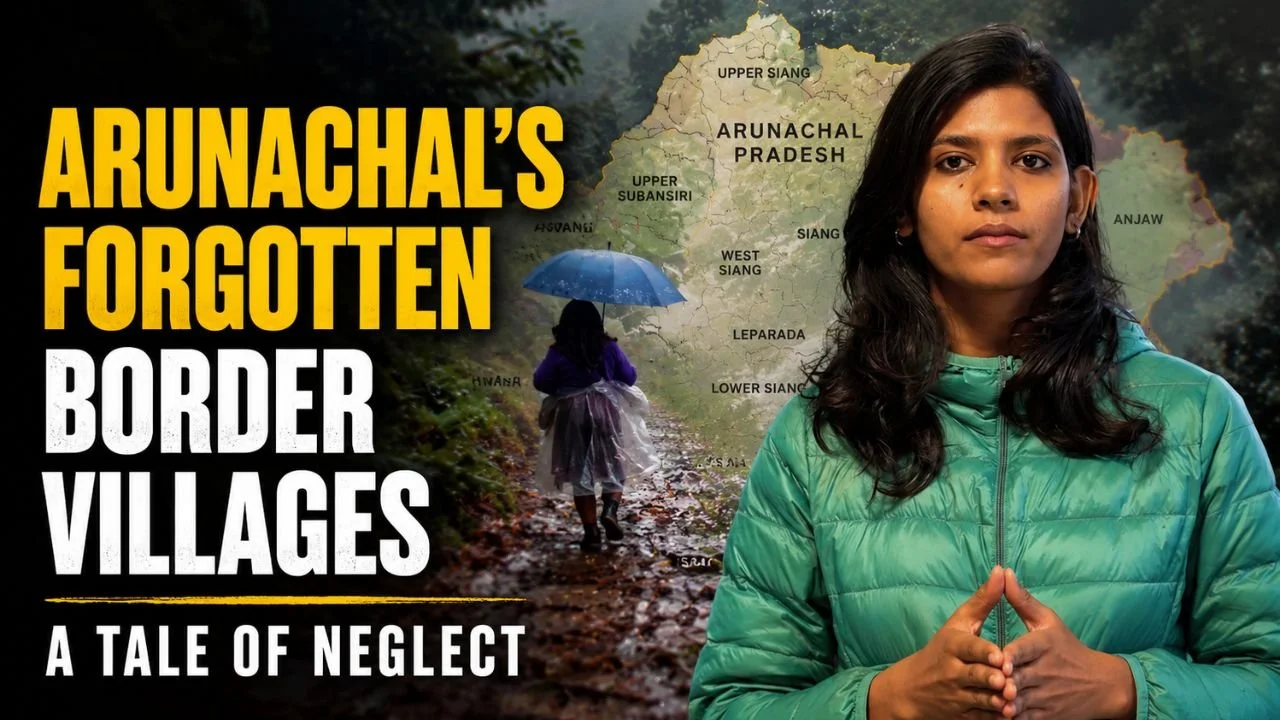
More than 500 villages along Arunachal’s border areas have seen depopulation, with families leaving behind their ancestral homes, ways of life and cultures. With even the most basic facilities missing, many people say they had no option but to move in search of a better future for the next generation. But this migration — not by choice, but because of circumstance — has left deep wounds of neglect.
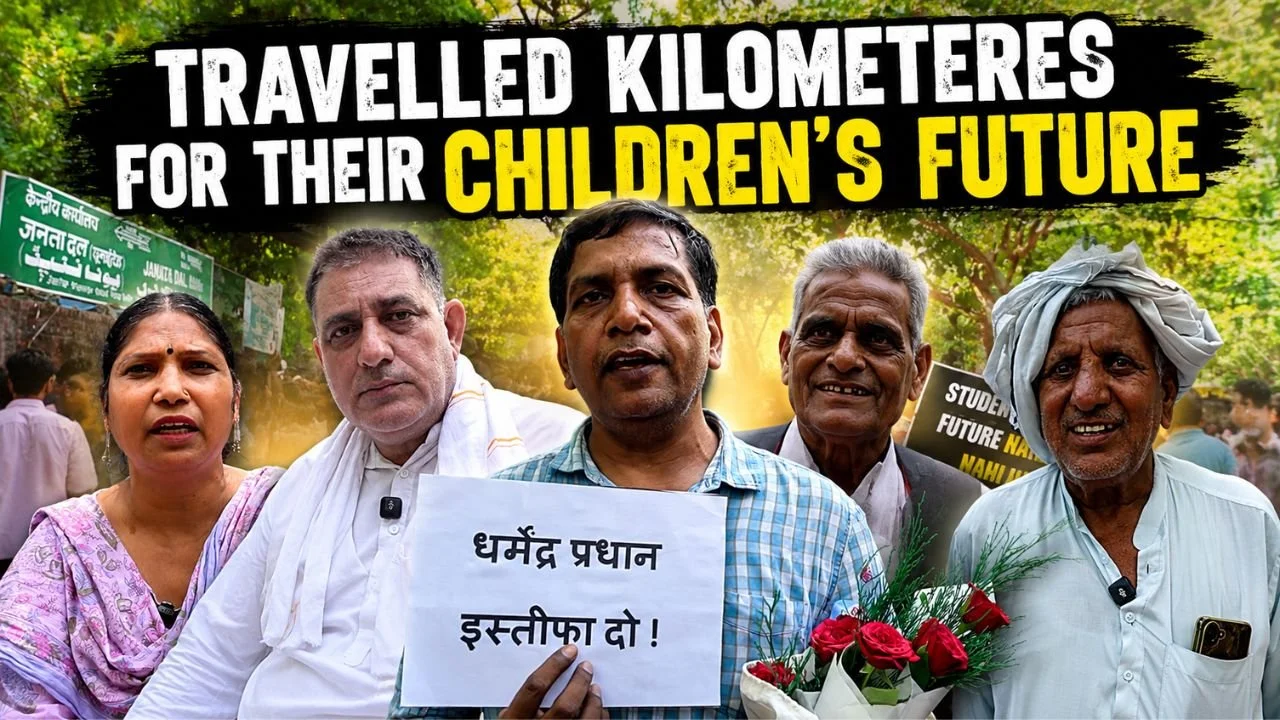
Thousands of protesters gathered at New Delhi’s Jantar Mantar, holding flowers and wearing cockroach masks, demanding the resignation of Education Minister Dharmendra Pradhan and accountability for continued misgovernance in the conduct of examinations. Protesters said repeated failures in the examination system have pushed young people’s futures into uncertainty. At the centre of their grievances was the recent NEET paper leak which has caused widespread distress among aspirants and contributed to several student suicides.
The protest was called by the Cockroach Janata Party (CJP), a newly emerged youth-led satirical movement that began online on social media and has now moved to street demonstrations. The movement was founded by Abhijeet Dipke, a U.S.-based Indian student and strategist, after India’s Chief Justice reportedly referred to critics as “cockroaches” and “parasites” during a court hearing. Dipke and his supporters turned the insult into a symbol of survival, resilience and defiance, arguing that young people may be dismissed or dehumanised, but cannot be erased.
We spoke to participants at the protest site, which included not just the Gen Z but also millennials and older people, to know their motivations for joining this movement.
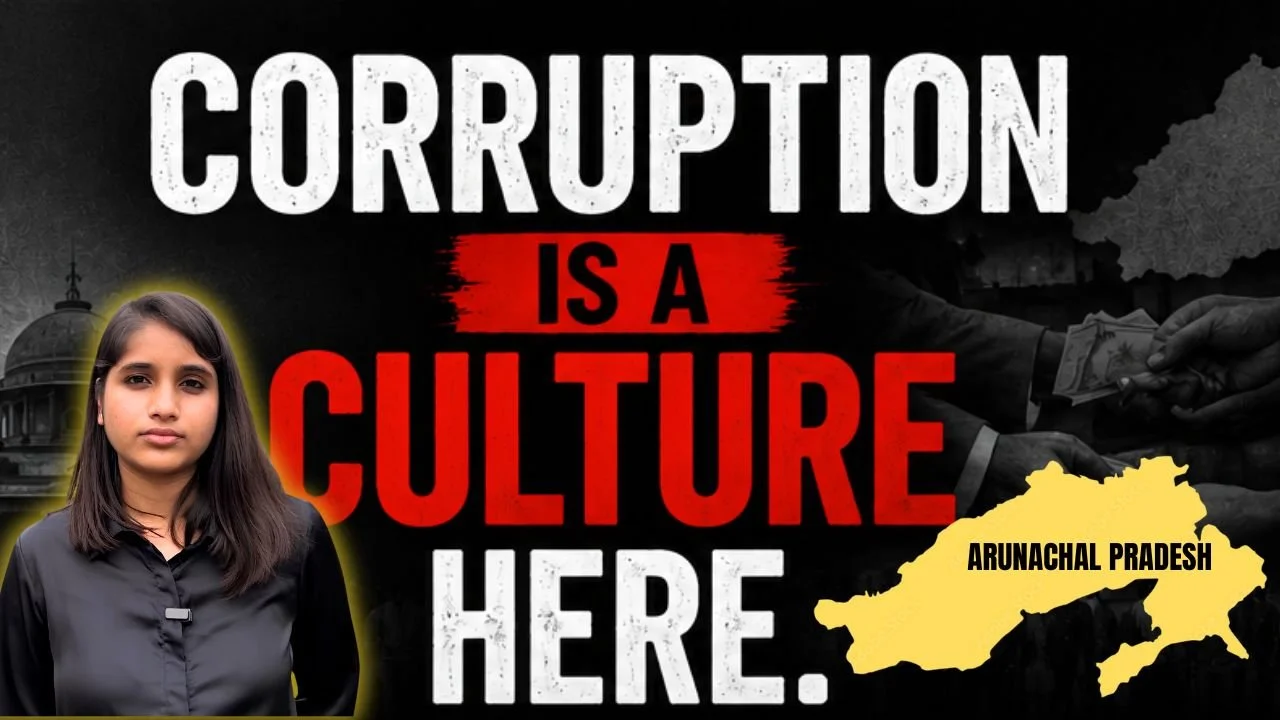
From buying votes with lakhs of rupees during elections to contractors allegedly paying massive commissions to secure government projects, corruption runs deep across Arunachal Pradesh. Because Arunachal Pradesh shares an international border with China, the central government allocates huge funds for infrastructure and development. But where does that money really go?
This documentary explores how corruption in Arunachal is no longer limited to politicians or officials alone — many believe it has evolved into an entire system involving power, money, contractors, voters, and institutions meant to ensure accountability.
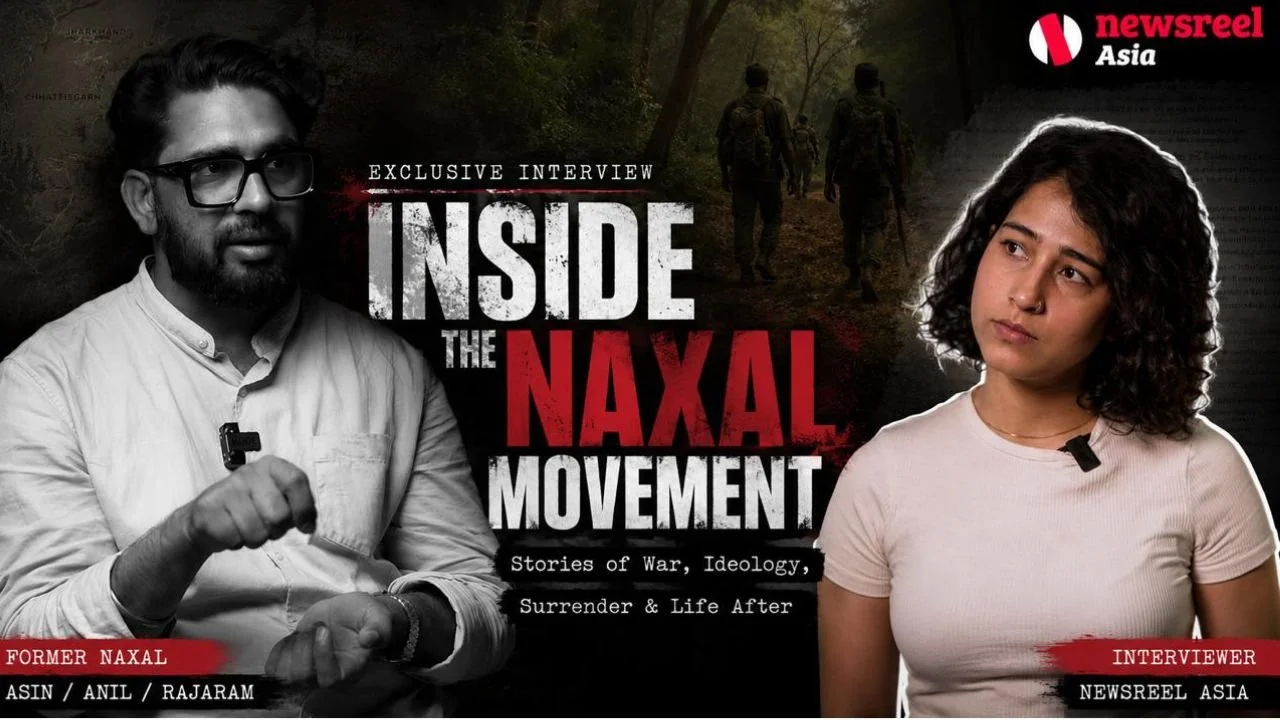
In this interview, Newsreel Asia's producer Gunjan Handa speaks to a former Naxal who once lived under multiple identities — Asan, Asin, Anil, Rajaram — names that were all part of his life inside the movement. As the Indian government claims major success in its mission to end Naxalism, this conversation goes beyond the headlines and statistics to explore the people behind the conflict. Why do individuals join such movements? What does life inside these groups actually look like? And what happens after surrender? From ideology and survival to state operations and rehabilitation, this interview offers a rare glimpse into one of India’s longest-running internal conflicts through the eyes of someone who experienced it from within.
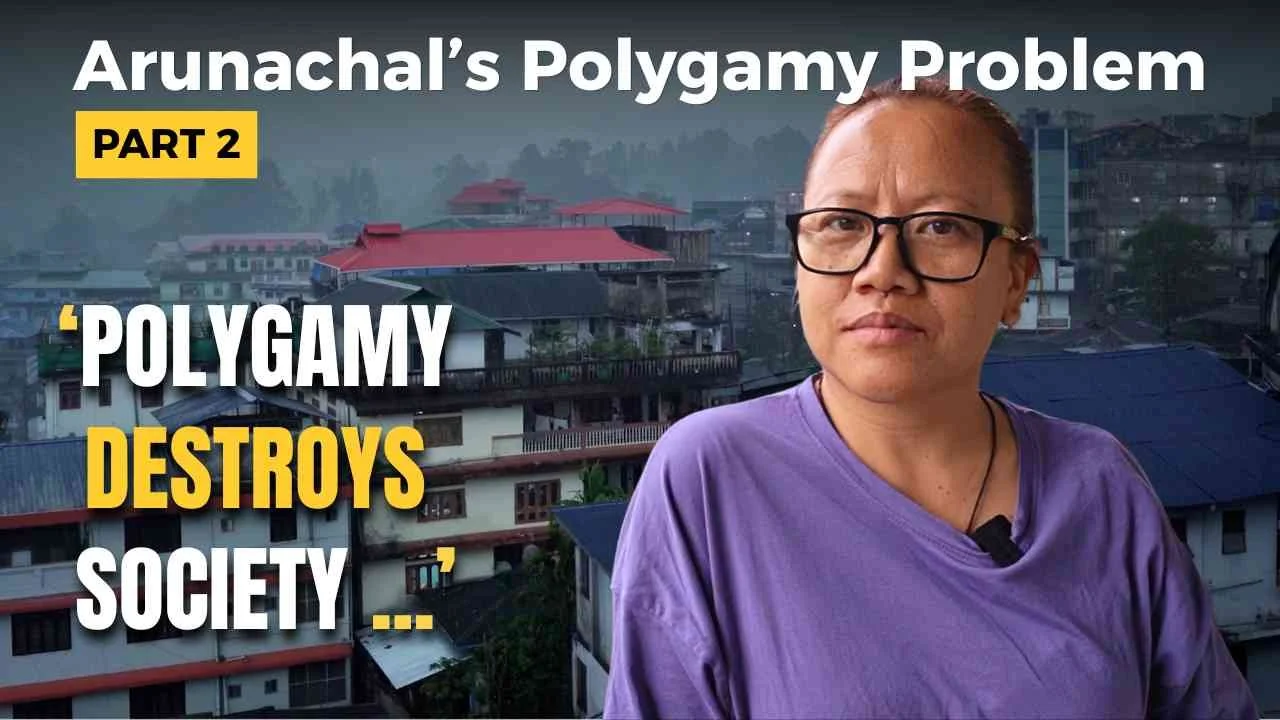
In Part 2 of the story on polygamy among tribal communities in Arunachal Pradesh, Nada Nampi, now an advocate, speaks about the disturbing impact this practice has on women, children, families, and society at large. When she met her husband, who had also grown up in a broken family shaped by similar circumstances, she felt she had found someone who would understand her. But some social customs are inherited in ways that the very patterns people suffer under become the ones they carry forward; and Nampi did not realise when her biggest fear would become her own reality.
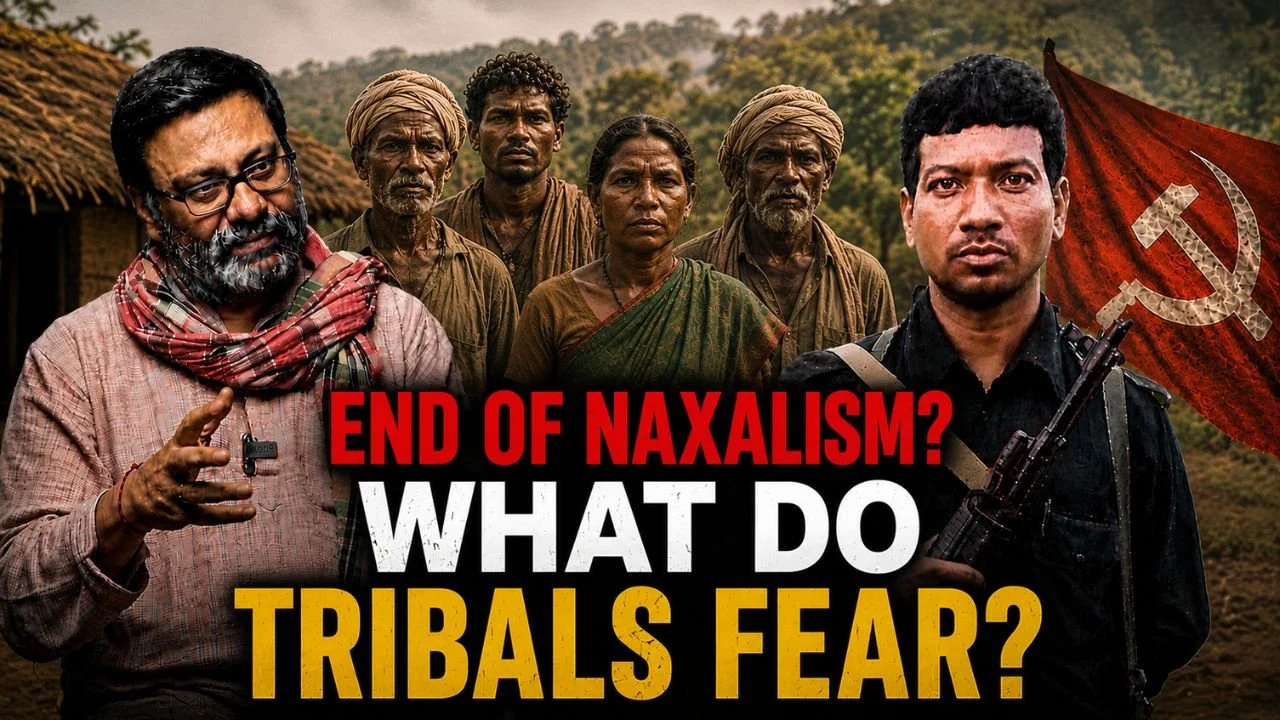
As Amit Shah sets a March 2026 deadline to eliminate Naxalism, Newsreel Asia producer Gunjan Handa sits down with journalist Shubhranshu Choudhary, who has spent decades working in naxal-affected region. The conversation explores the road ahead — from integrating tribal communities into mainstream society to improving their economic conditions.
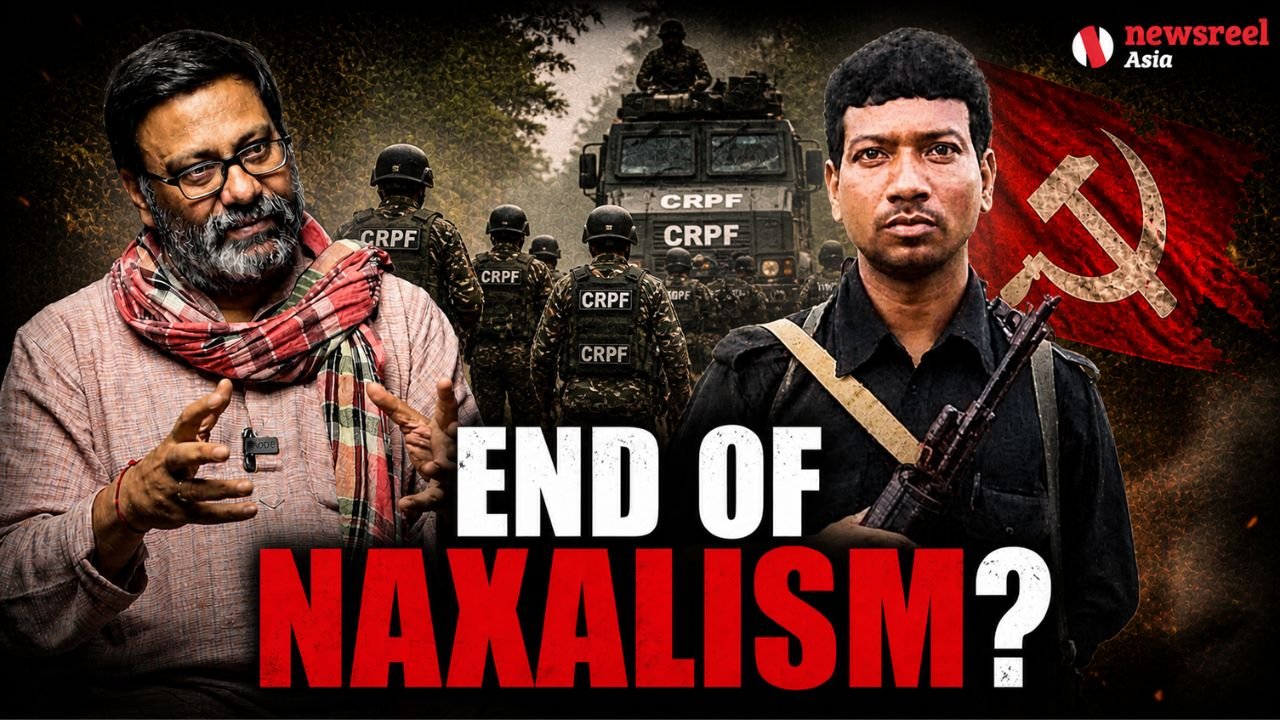
Is Maoism really ending in India? As Amit Shah sets a March 2026 deadline to eliminate Naxalism, journalist Shubhranshu Choudhary questions the narrative. While armed insurgency may be weakening, the deeper politics of land, dignity, and justice remain unresolved. From the Naxalbari uprising to Dandakaranya, Maoists once built trust among tribal communities. The conversation examines Salwa Judum, surrenders, internal fractures, and shifting aspirations.
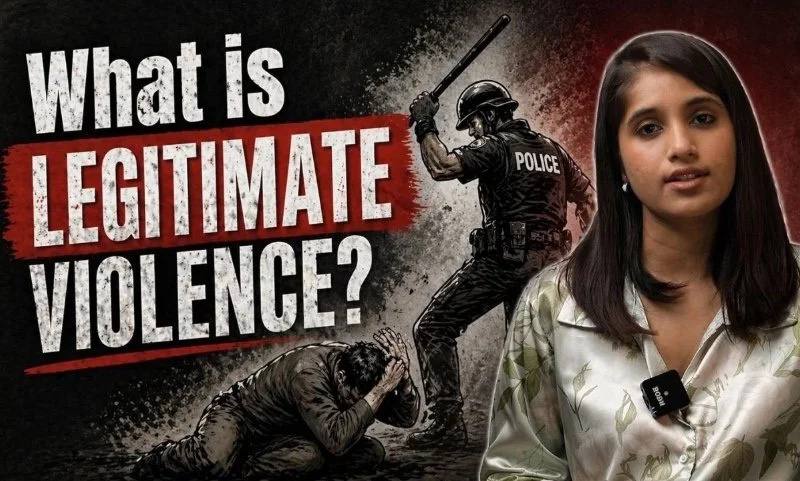
Why do we go to the police instead of taking revenge ourselves? Why does the court decide disputes instead of families settling them through force? The answer lies in the political science concept of “monopoly over legitimate violence.”
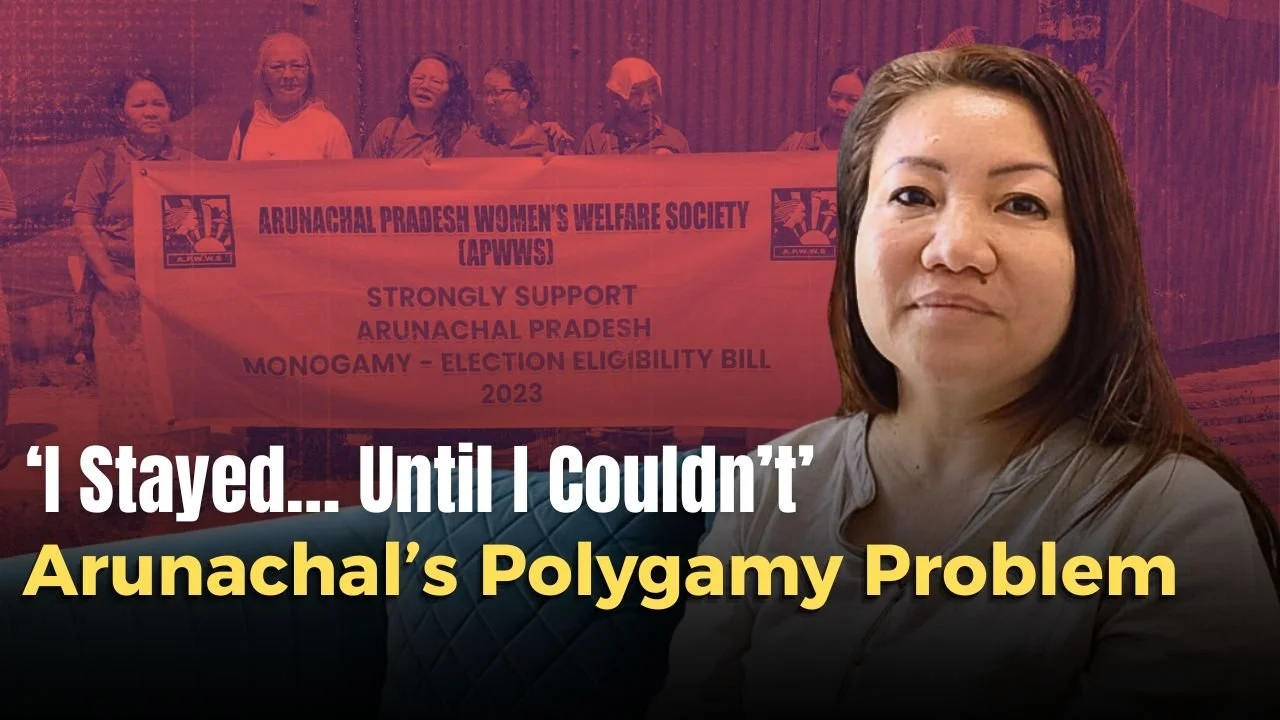
In Arunachal Pradesh, a predominantly tribal state known for its rich cultural heritage, certain traditional practices continue to shape everyday life. However, as conversations around rights, equality, and justice grow, many of these customs are being questioned. One such practice is polygyny—the system where a man can have more than one wife.
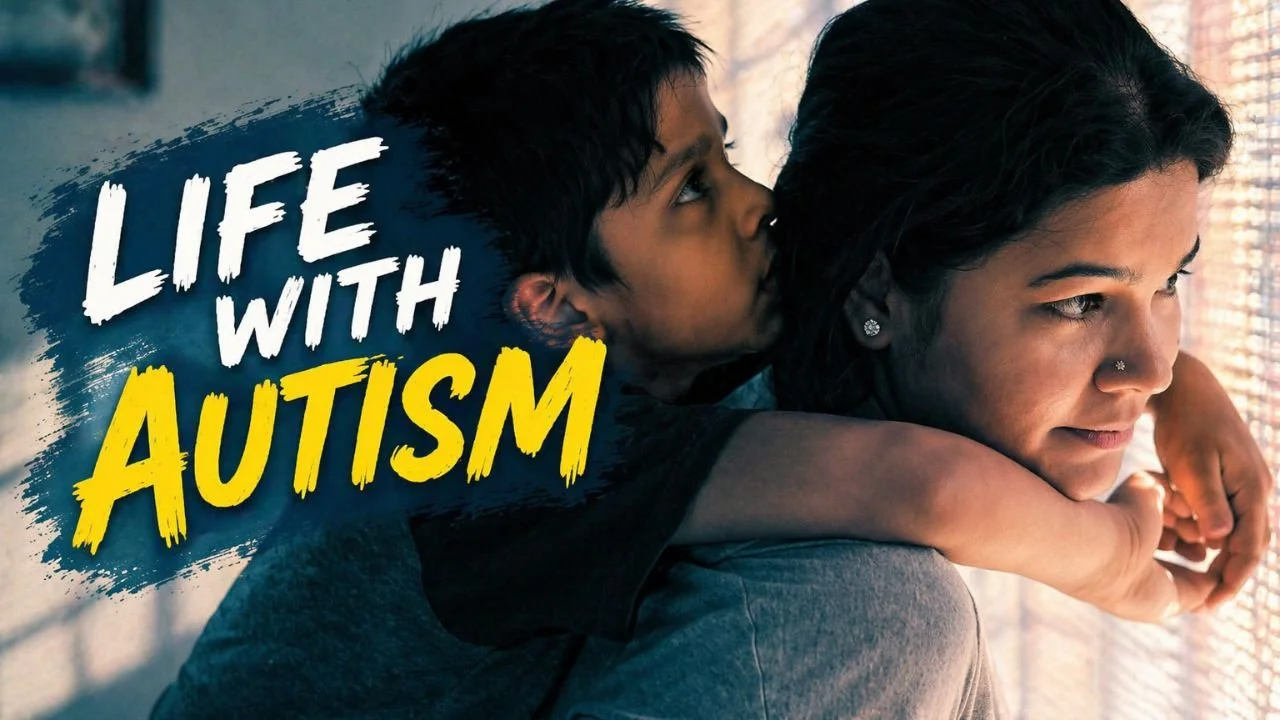
Antara Dey Chowdhury was a Squadron Leader in the Indian Air Force when her life changed course. In 2012, after her son Kabir was diagnosed with autism, she made the difficult decision to leave her military career to care for him full-time.
Do governments really need to limit our freedom to keep us safe? In this episode, we break down the concept of security politics and how states define threats, justify extraordinary measures, and expand their powers in the name of protection.
Why do we all want better public services—clean air, safer roads, good schools, and accountable governance—yet fail to act together to achieve them?
What happened in Mumbai on October 2 may have been only one day of protest, but the issues behind it are unlikely to disappear with the dispersal of the crowd. The protest was centred around concerns over the Election Commission, electoral rolls and the Special Intensive Revision (SIR) exercise, with protesters demanding accountability from Chief Election Commissioner Gyanesh Kumar. At the same time, similar mobilisation has been taking place across different parts of the country, with student groups, Opposition parties and civil society organisations raising concerns over the electoral process. Newsreel Asia spent the day at Mumbai Protest capturing the preparations, the police presence, conversations with protesters, the atmosphere on the streets and how the day unfolded. The speech of Cockroach Janta Party's leaders and sentiment of protestors seemed larger than the concerns regarding the electoral process. Will this lead to something bigger?