
Featured
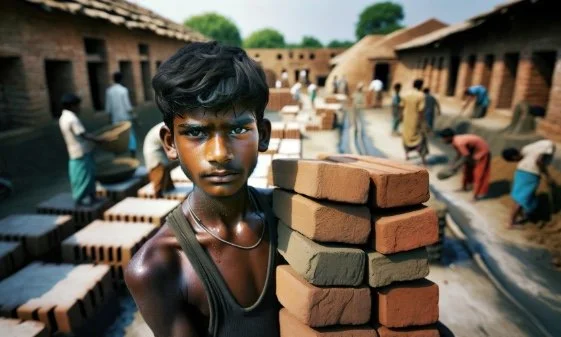







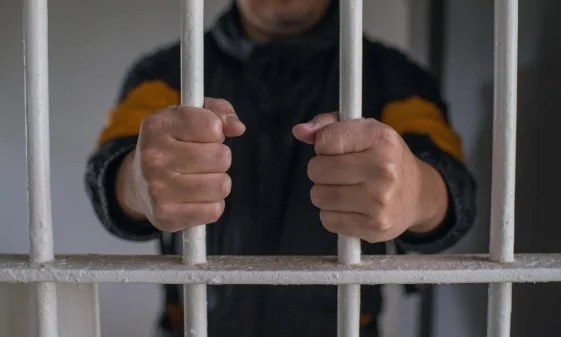
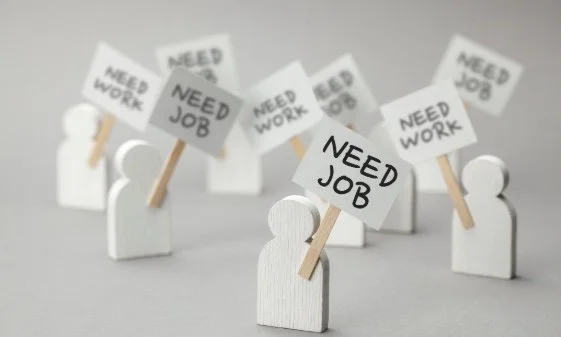

India outlawed bonded labour nearly 50 years ago, but millions remain trapped in exploitative working conditions, according to a new report by a workers’ rights network, which has accused the government of neglecting its legal duty to enforce protections and support victims.
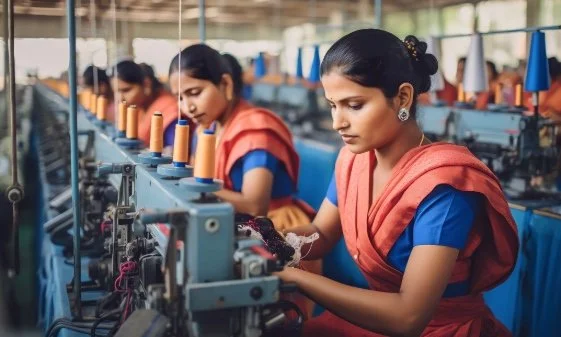
Industrial units with fewer than 300 workers in India no longer need government approval for layoffs under the new labour codes. This change removes key legal protections for most employees, shifting the law’s focus away from security and collective rights in the workplace.
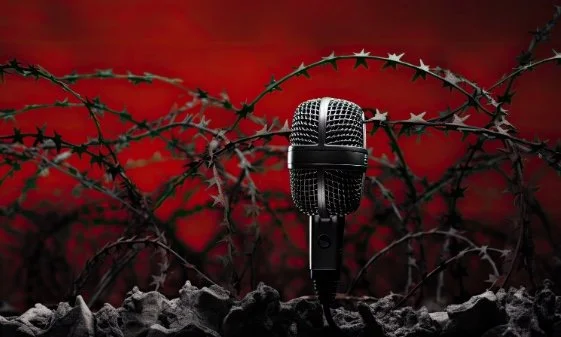
Two Indian entities have been named in Reporters Without Borders’ 2025 “Press Freedom Predators” list, a roster of 34 governments, officials and organisations accused of systematically attacking journalists and the right to independent information.
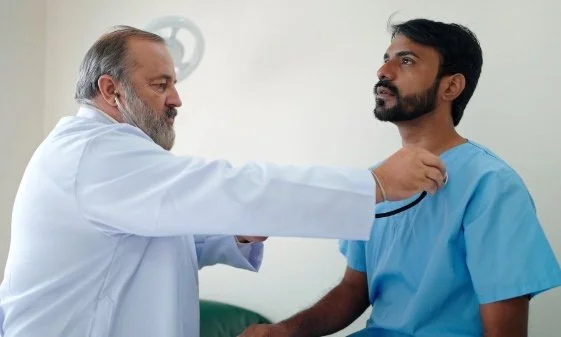
A new study by medical researchers in the United States has revealed a serious limitation in how doctors currently try to predict and prevent heart attacks. It shows that the tools most commonly used by physicians, namely the ASCVD risk score and the newer PREVENT calculator, are failing to identify a large number of individuals who are actually at risk.
A major new study has found that even light smoking dramatically increases the risk of serious heart conditions and early death, with women facing higher risk than men. The study involves decades of data from more than 320,000 (3.2 lakh) adults and offers the clearest long-term evidence to date that there is no safe level of tobacco use.
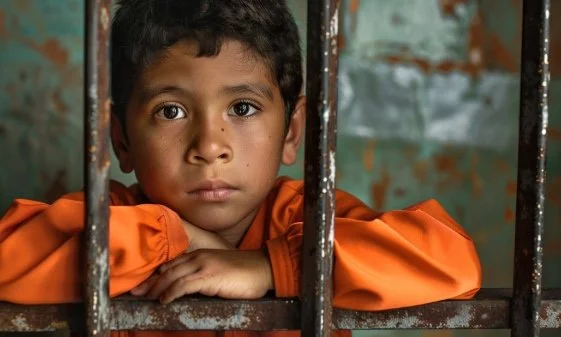
A decade after the Juvenile Justice (Care and Protection of Children) Act, 2015 came into force, a new study shows that its pledges of timely, protective and rehabilitative justice for children have failed in practice. The breakdown has left thousands of children stuck in drawn-out legal processes, exposed to continued harm.
The Centre has proposed to bring Chandigarh under Article 240 and appoint a separate Lieutenant Governor, giving itself full control over a city built as Punjab’s capital. The President could make laws without consulting Parliament or the state, effectively cutting Punjab out. This calculated political move rewrites the existing understanding and serves the ruling party’s interests by sidelining Punjab.
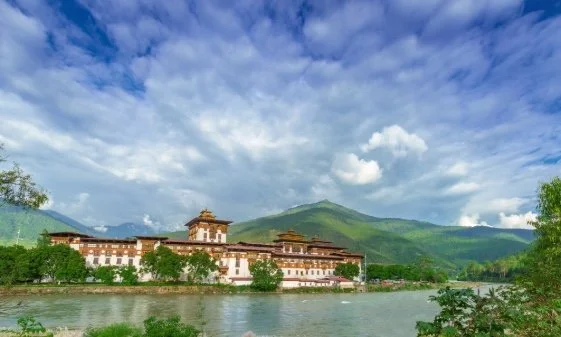
At the 70th birth anniversary of Bhutan’s Fourth King Jigme Singye Wangchuck, Indian Prime Minister Narendra Modi announced a Ngultrum 40-billion (roughly $450 million) line of credit for infrastructure and energy development. While the move signalled strong bilateral ties, an uncomfortable truth lies behind the public warmth. Bhutan’s dependence on Indian-funded hydropower has locked it into an escalating debt trap.
This piece is not an academic or a journalistic write-up; it is my heartfelt narrative for all the students who have internalised fear. I write this not because I want to preach, but because I feel responsible for giving you a kind and better world. It is challenging for me to recount a small (or rather, huge) incident from my life, and that too publicly, but I want all students to read and engage with my lived experience, even if they disagree.
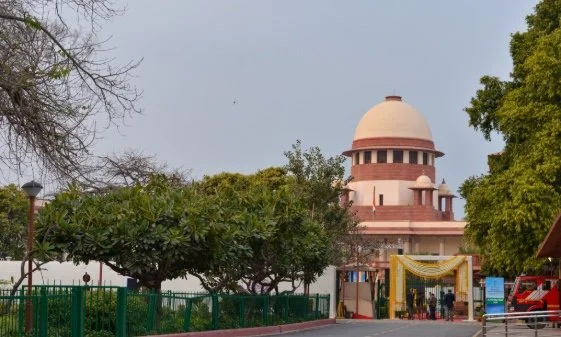
The Supreme Court has ruled that courts cannot impose deadlines on the President or State Governors for granting or withholding assent to bills passed by legislatures. Nor can courts treat inaction as assent. A Constitution Bench held that such directions, issued by a two-judge Bench in April 2024, are unconstitutional and violate the separation of powers between the judiciary and executive.
A new international study reveals that antimicrobial resistance (AMR), which is the ability of bacteria and other microbes to resist the effects of medicines that once killed them, is now one of the most pressing threats to public health worldwide, and this new study places India at the heart of that emergency.
The Supreme Court has revived a mechanism that allows construction or industrial projects to obtain environmental clearance even after they have already started or expanded without approval. This means projects that violated environmental rules can now continue operations without facing legal action or being dismantled.
According to report published in CNN, Delhi University cancelled a long-running seminar on democracy on the same day it issued a directive urging staff and students to attend a summit on cow welfare. The overlap sparked anger among professors and students who said it showed pressure from the government to push Hindu nationalist interests inside public universities.
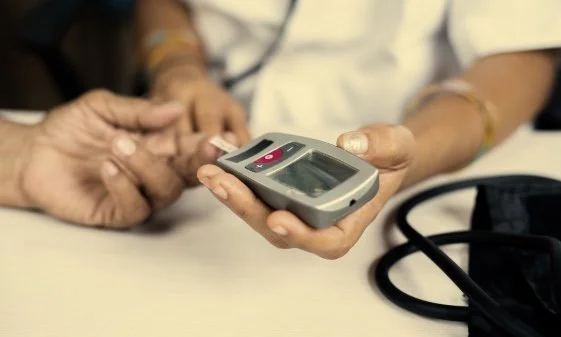
A new nationwide health report has revealed something most people don’t see coming. The body begins to show early signs of diabetes long before sugar levels rise. These warning signs are not picked up during routine checks. They lie in fat imbalances in the blood, especially in younger adults who don’t feel sick and may not look unhealthy.
The Indian workplace is undergoing a major psychological and structural reset, and artificial intelligence is at the heart of it. A new study shows that employees now use AI not only to work more efficiently, but also as a daily companion, career guide and thinking partner. This is especially true for younger professionals who are redefining what success, identity and purpose mean in their careers.
A major research project in the U.K. is studying why serious mental illnesses like schizophrenia and bipolar disorder happen, so that new, safer treatments can be developed. It involves collecting detailed data from 600 people and sharing it with scientists around the world to change how these illnesses are understood, diagnosed and treated.
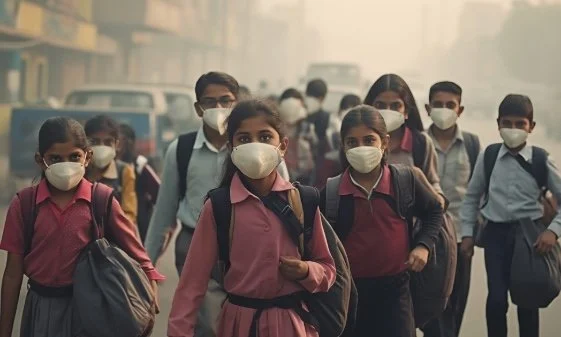
During a hearing unrelated to pollution in Delhi, a Supreme Court judge urged lawyers to avoid attending court in person, warning that the air was so toxic that “even masks are not enough.” The observation came as air quality in Delhi-NCR entered the “severe” category yet again, and at a time when the government is already under scrutiny in a separate case concerning its failure to control pollution.
Over the past two decades, a small group of people, including in India, have taken a much larger share of global wealth, while most of the world has seen little gain, according to a new report that links this concentration of wealth not only to personal effort but also to government policies that boosted financial markets at the expense of public resources.
The idea that India’s large population is the reason for its poverty is still taught in economics classes, but it falls apart under basic scrutiny, says Sauvik Chakraverti, a libertarian thinker and economist, in “Free Your Mind: A Beginner’s Guide to Political Economy.” If wealth is created by humans working, producing and exchanging with each other, how can more humans cause poverty?
The Election Commission of India’s (ECI) Special Intensive Revision (SIR) form sounds like something designed to make democracy feel interactive, but for many voters it is more like a riddle printed on government stationery. While the ECI calls it an exercise to clean up and verify the electoral rolls, it has millions of people staring at a piece of paper and wondering whether their democracy runs on acronyms.
The Union home ministry reportedly held talks with two armed Kuki-Zo groups on November 6 and 7. The groups said they could no longer live under the Manipur government. The Centre said it understood their pain but would not create a new Union territory. That policy now stands at odds with the reality of Manipur.
Chronic kidney disease, or CKD, has become one of the fastest growing health threats in India, with over 138 million adults now affected, according to a major new study published in The Lancet. India ranks second only to China in the number of people living with CKD, making it one of the worst-affected countries in a global crisis that has seen total cases more than double since 1990.
The Supreme Court has ruled that any person who is arrested must be given the reasons in writing, and in a language they understand. The rule now applies in all cases, across all laws, no matter how serious the crime is.
The 2025 assembly election in Bihar is being widely portrayed in the media as a face-off between the National Democratic Alliance (NDA) and the Mahagathbandhan (MGB), with little mention of the state’s long-standing governance failures.
The Leader of the Opposition, Rahul Gandhi, has accused the Election Commission of India (ECI) of facilitating mass voter fraud to benefit the ruling Bharatiya Janata Party (BJP) in the 2024 Haryana assembly election. Speaking at a press conference in New Delhi on November 5, Gandhi alleged that there were 2.5 million fake entries in the state’s voter rolls, saying the figure is significantly larger than the combined margin of BJP’s victories in key constituencies.
The Dravida Munnetra Kazhagam (DMK) party in Tamil Nadu has filed a writ petition in the Supreme Court challenging the Election Commission of India’s (ECI) expansion of a voter list verification drive known as the Special Intensive Revision (SIR). The petition claims that the SIR exercise, now extended to 12 states and Union Territories, threatens the right of citizens to participate in elections and imposes burdens that resemble a citizenship test without legal authority.
The Indian government’s forensic laboratory has told the Supreme Court that audio tapes allegedly implicating Biren N. Singh, former chief minister of Manipur, in ethnic violence were tampered with and cannot be used for voice comparison.
A new report from the government’s think tank NITI Aayog shows that even though services account for more than half of India’s total economic output, they employ less than a third of the country’s workforce. The imbalance signals a deeper structural fault in India’s development model, where growth is accelerating without offering meaningful or secure work to most people.
As Kerala Chief Minister Pinarayi Vijayan prepares to formally declare the state the first in India to be entirely free from extreme poverty on November 1, a group of economists, statisticians and public intellectuals have posed a basic and unavoidable question: how was this conclusion reached?
The government has announced a sweeping rule that will affect how you use apps like WhatsApp, Telegram, Signal and others. These apps will stop working the moment you remove your SIM card, switch phones, or try to access them on a second device without the SIM. The rule gives the government the power to link all your communication activity to your physical identity and location at all times, with no clear safeguards.