
Chhattisgarh: Videos/Mapping India
Featured
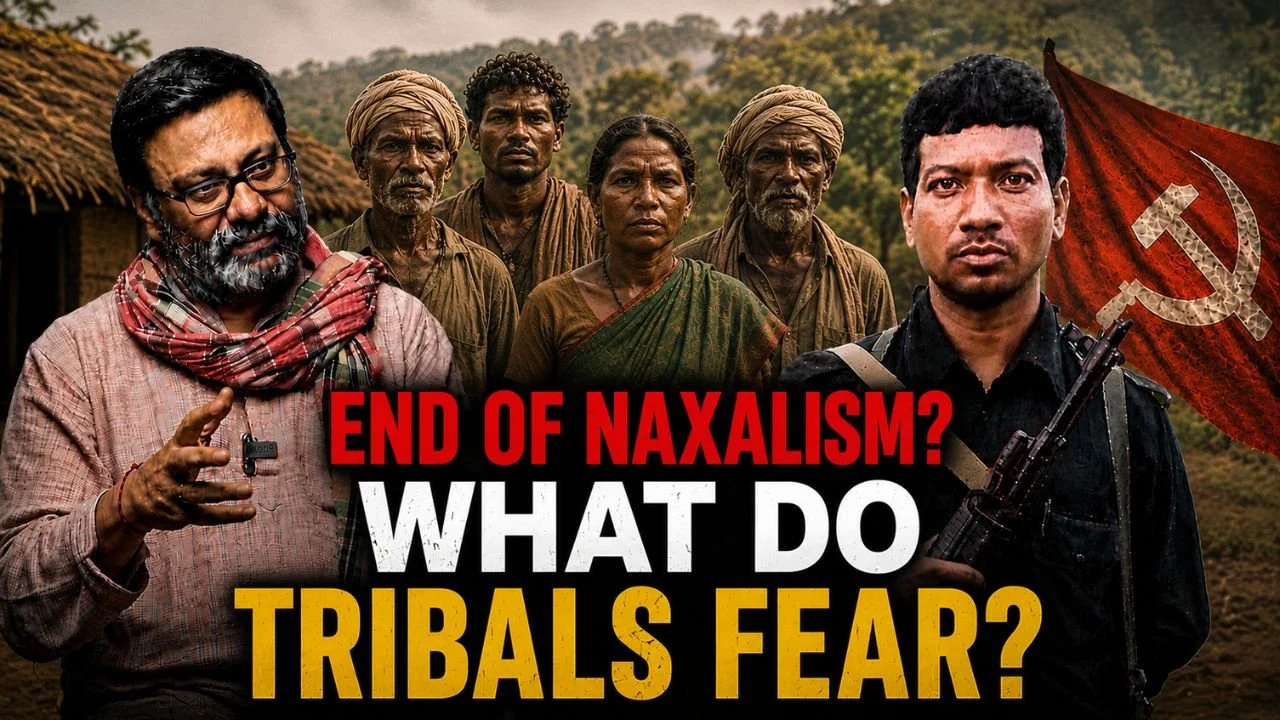
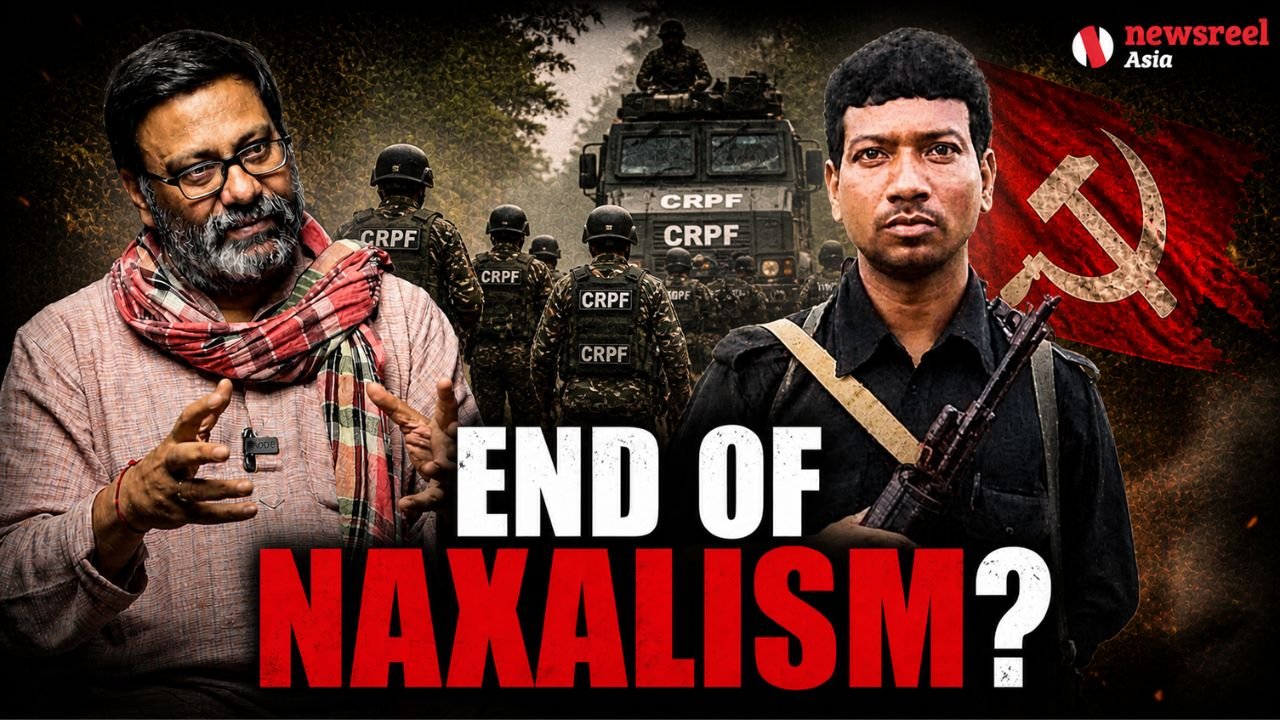
As Amit Shah sets a March 2026 deadline to eliminate Naxalism, Newsreel Asia producer Gunjan Handa sits down with journalist Shubhranshu Choudhary, who has spent decades working in naxal-affected region. The conversation explores the road ahead — from integrating tribal communities into mainstream society to improving their economic conditions.
Is Maoism really ending in India? As Amit Shah sets a March 2026 deadline to eliminate Naxalism, journalist Shubhranshu Choudhary questions the narrative. While armed insurgency may be weakening, the deeper politics of land, dignity, and justice remain unresolved. From the Naxalbari uprising to Dandakaranya, Maoists once built trust among tribal communities. The conversation examines Salwa Judum, surrenders, internal fractures, and shifting aspirations.
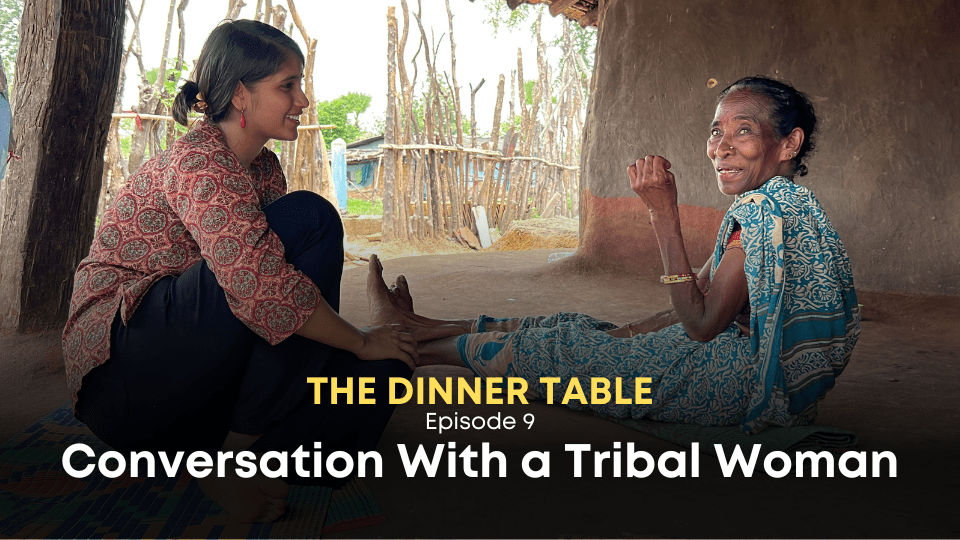
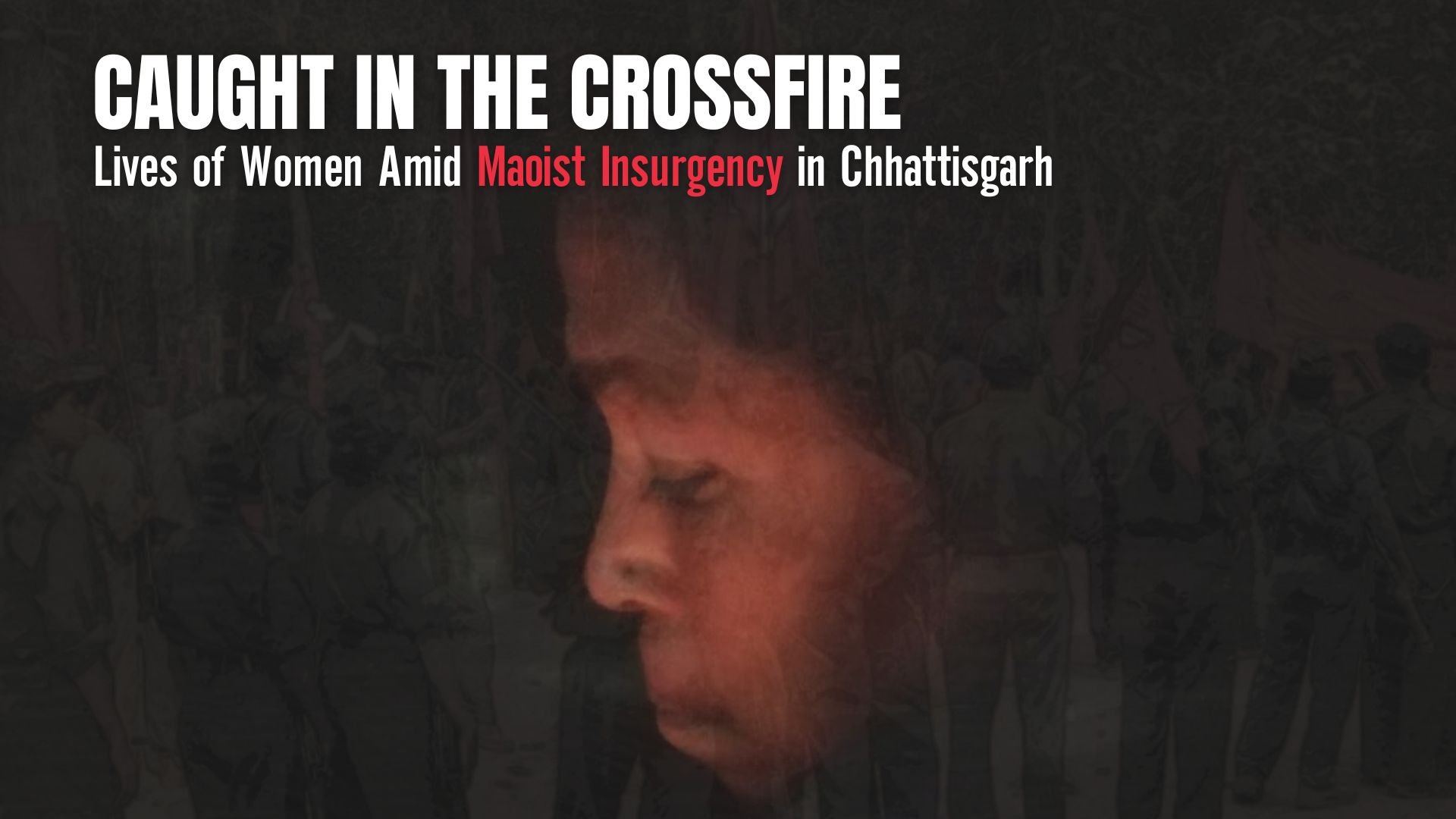
An elderly woman, Shanti Devi, who lost two of her sons in a shootout by security personnel, resides alone in a Maoist-affected region of Chhattisgarh. This episode of The Dinner Table explores her story.
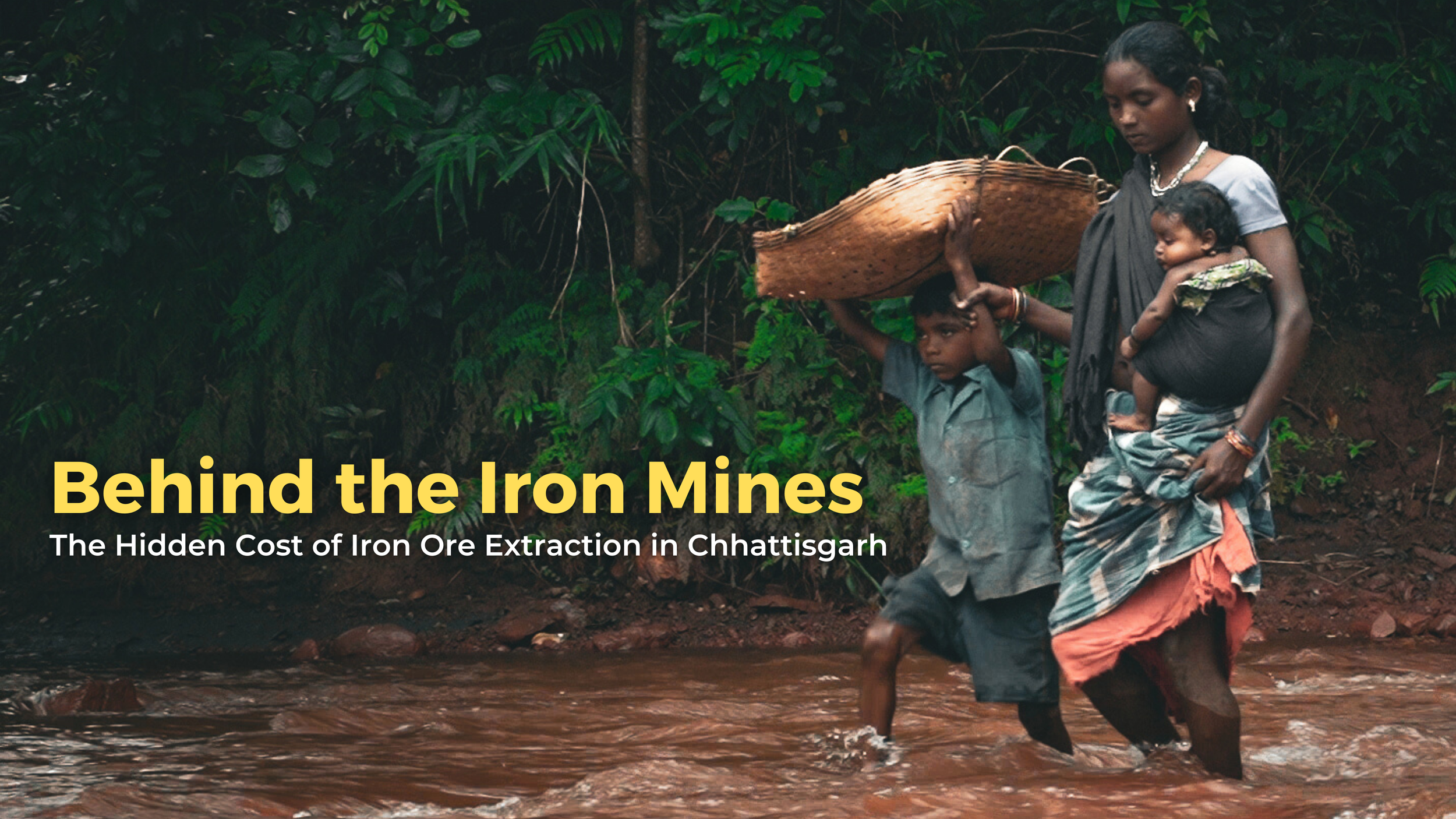
Chhannu Markam lost his wife and four children. He claims that the deaths were a result of health complications arising from a polluted red-water river. He lives in Loha Village in Chhattisgarh, a state heavily reliant on its revenue from iron ore mines.
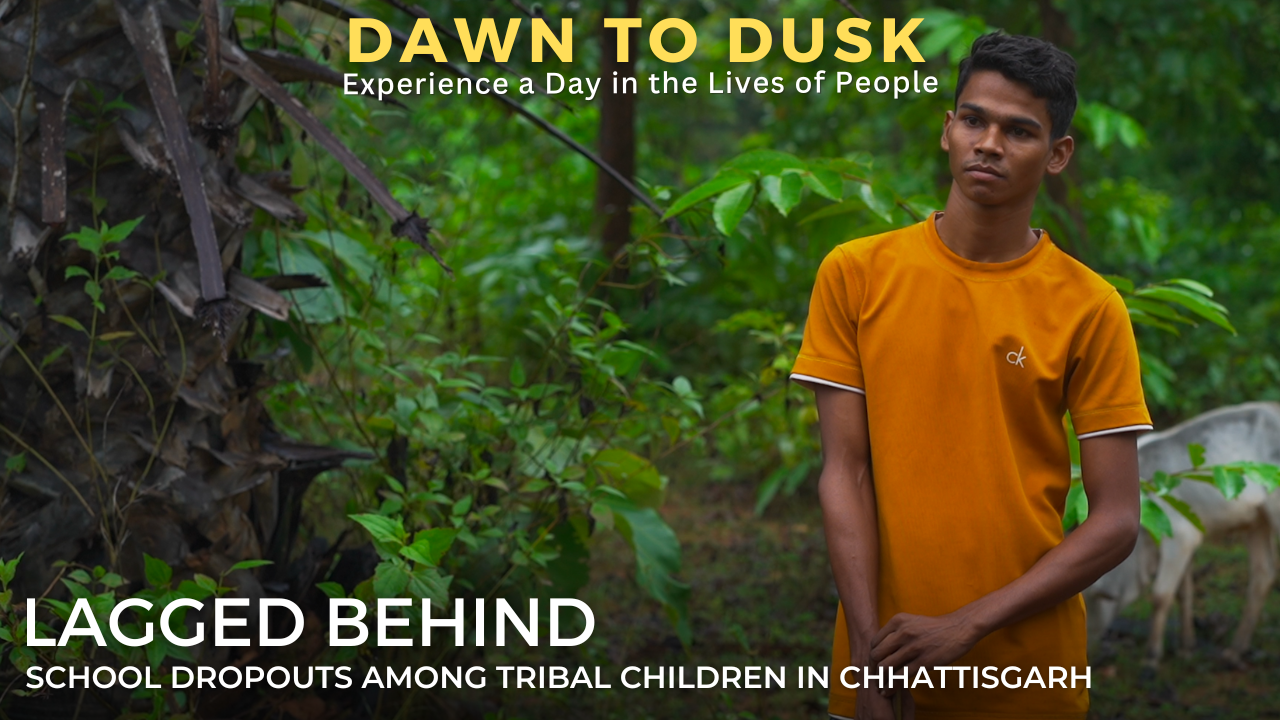
Mangal Markami was the first in his family to pursue education. However, due to an unsupportive school atmosphere and the demands of his tribal culture, he quit school after successfully completing his 10th grade.
Tulsi, a former Naxalite, was forcibly abducted and had no option but to join the Maoist army, suffering greatly under the insurgents. In the same Maoist-State conflict in Chhattisgarh state, Soni Sori, a former educator and tribal rights activist, endured brutality and sexual assault at the hands of the police. In the volatile region of Bastar, often referred to as the "Red Corridor,"…
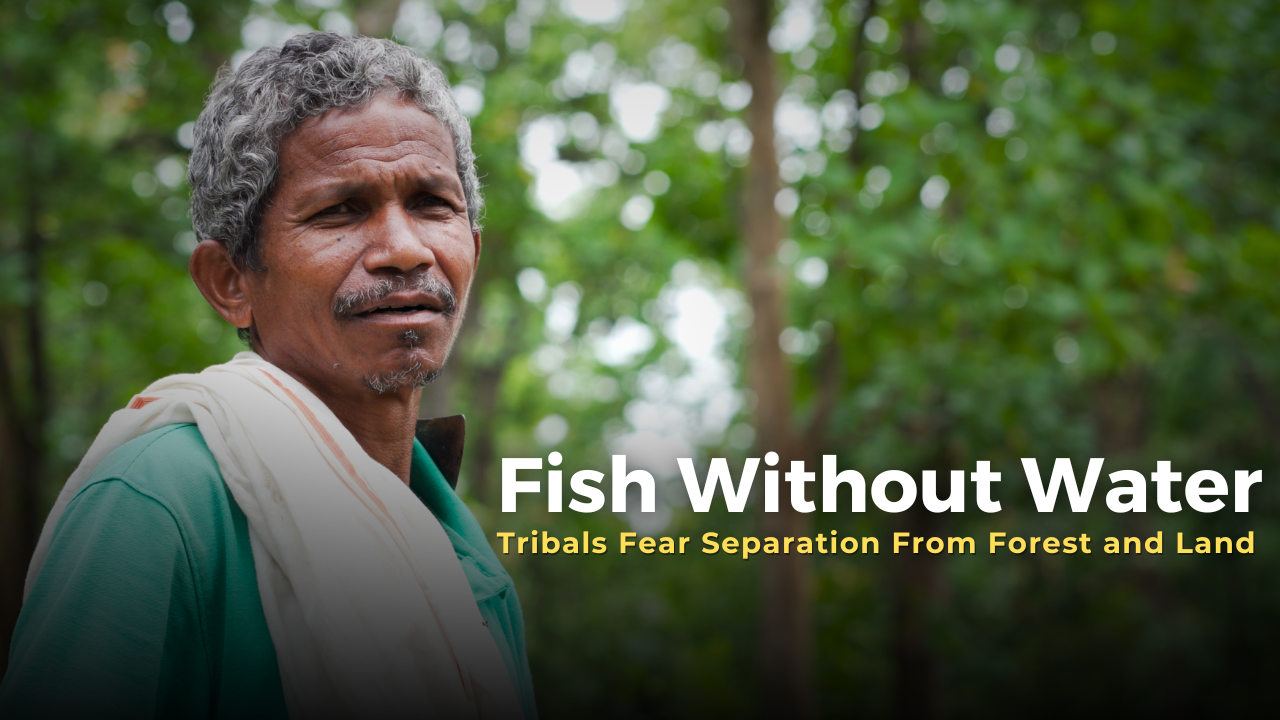
Thakur Ram Orkera is just one of many tribals who depend on the forest for their daily needs. However, their source of survival is at stake. Orkera, along with thousands of other indigenous individuals in Chhattisgarh's Hasdeo forest region, faces the potential loss of both livelihood and cultural heritage due to governmental interventions and a major corporation's coal mining plans. Undeterred, Thakur and the Adivasis are resolute in their stance: enough is enough.
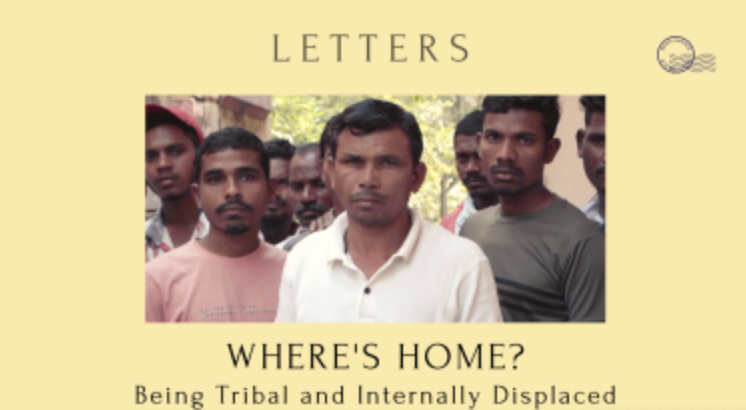
Kartam Kosa, a tribal man from Chhattisgarh state, and his family fled their home in 2005, when fighting between Maoist insurgents and a civilian militia, Salwa Judum, intensified. About 55,000 tribal people left their ancestral homes and found refuge in the forests of neighbouring states.
In this interview, Newsreel Asia's producer Gunjan Handa speaks to a former Naxal who once lived under multiple identities — Asan, Asin, Anil, Rajaram — names that were all part of his life inside the movement. As the Indian government claims major success in its mission to end Naxalism, this conversation goes beyond the headlines and statistics to explore the people behind the conflict. Why do individuals join such movements? What does life inside these groups actually look like? And what happens after surrender? From ideology and survival to state operations and rehabilitation, this interview offers a rare glimpse into one of India’s longest-running internal conflicts through the eyes of someone who experienced it from within.