

U.S.-Israel-Iran War: Will India’s Fuel Prices Rise as Crude Oil Prices Climb?
As the Strait of Hormuz remains shut for nearly two months due to the Israel-U.S.-Iran war, crude oil prices have climbed by over 80%. India’s four-year freeze on domestic fuel prices may no longer be sustainable, with the state-owned companies mandated to hold those prices down already recording losses at a scale that points to a deepening profitability crisis.
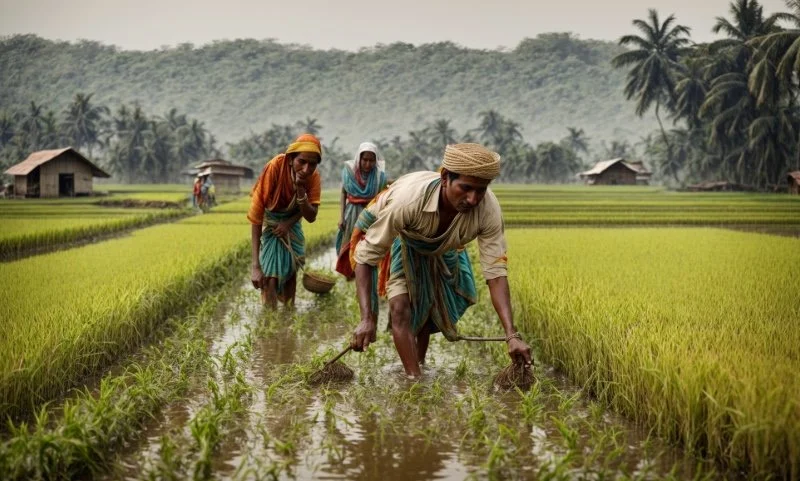
India Pays Double for Fertiliser Imports as Middle East War Disrupts Supply
India has agreed to import 2.5 million metric tons of urea at prices ranging from $935 to $959 per ton, nearly double the $508 to $512 per ton paid in its previous tender just two months ago. For ordinary Indians, a near-doubling of urea import prices will eventually translate into higher food costs.
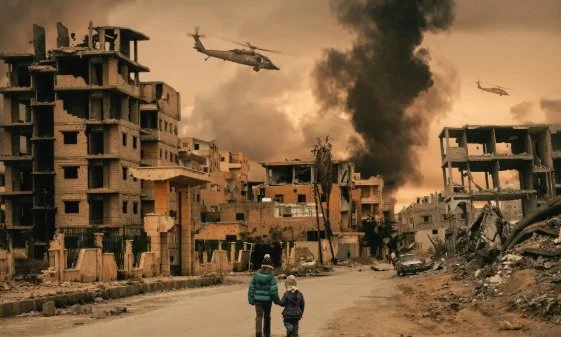
UN Issues Fresh Warning of Widespread Starvation in Gaza
Amid renewed Israeli military operations in Gaza City on Aug. 29, UN aid agencies repeated their warning that the territory is heading toward large-scale famine. A top UN humanitarian official said at least half a million people are already facing the worst levels of food insecurity, and 160,000 more could soon fall into the same category, as hunger and disease rise across the devastated enclave.

How Wars Use Simplified Narratives to Justify Violence
In international conflicts, we often treat entire countries as if they share a single belief or intention. It makes it seem like all of America and Israel want to bomb Iran and Palestine, or that every Iranian threatens Israel and the U.S. This “monolith” thinking distorts our responses and fuels misdirected anger. It divides ordinary people as observers and lets those in power claim to speak for entire nations, even when many disagree within their borders.
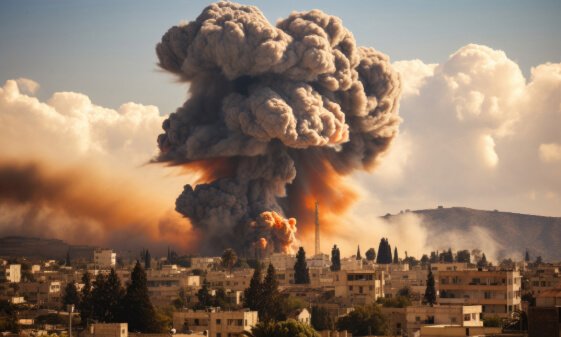
Israel and Iran in Open War, the World Remains Deeply Divided
Israel and Iran are engaged in direct military confrontation, following an Israeli air and drone assault on June 13 targeting critical nuclear and military installations deep inside Iran. Let’s look at the roots of this confrontation and examine why public opinion on this conflict around the world, including in India, remains deeply divided.

What Would Tagore Say About Today’s India-Pakistan War Rhetoric?
As India and Pakistan exchanged fire recently, Indian media turned the conflict into a nationalist spectacle—fuelling misinformation, stirring up communal identity and drowning out voices of reason. In moments like these, warnings by poet-philosopher Rabindranath Tagore—who wrote India’s national anthem—about nationalism read less like history and more like a diagnosis.

Amid India-Pakistan Tensions, What International Law Says About War
As tensions rise between India and Pakistan, questions about what constitutes a lawful war are once again in focus. International law makes a clear distinction between jus ad bellum (the right to go to war) and jus in bello (the rules governing conduct in war). These are framed by the United Nations Charter, customary international law and treaties such as the Geneva Conventions, all of which define what states and their leaders can—and cannot—do during conflict.

India Strikes Pakistan with Missiles; First in Over 5 Decades
India launched a major military strike deep into Pakistan and Pakistan-occupied Kashmir early on May 7, saying it targeted sites used by terror groups responsible for the April 22 attacks on civilians in the Kashmir region. Pakistani Prime Minister Shehbaz Sharif called the attack a “blatant act of war,” promising that it “will not go unpunished” and claiming that a “resolute response is already underway.”

Is an India–Pakistan War Likely?
The April 22 terror attack in Pahalgam, Kashmir, which killed 26 civilians, has pushed India and Pakistan into one of their most dangerous standoffs in recent years. Daily gunfire is being reported across the Line of Control (LoC), diplomatic ties have been cut off and military activity is intensifying. Though there has been no formal declaration of war, the present situation carries all the signs of a serious military escalation between two nuclear-armed neighbours.