

Nepal-Led Coalition Seeks UN Endorsement for Dignified Menstruation Day
An international advocacy network is pressing the United Nations to formally endorse December 8 as International Dignified Menstruation Day, an observance it has held for seven years without official recognition from the world body.

The ‘Politics of the Unprotected Body’: Why Women From Northeast India Remain Vulnerable to Violence
Repeated racial and gender-based abuse against women from Northeast India points to a deeper structural failure of the Indian state to provide equal protection to all citizens. Law enforcement agencies, courts and policymakers often acknowledge such incidents, yet their racial dimension frequently disappears from legal and institutional responses, producing a pattern of unequal citizenship. Women from the Northeast thus occupy what may be called the “unprotected body,” formally included within the republic but repeatedly denied the full protection of its institutions.

Targeted Attacks on Christians Rising in Odisha, Say Fact-Finding Teams
Three independent fact-finding missions conducted in Odisha between March and April 2025 have pointed to an alarming rise in targeted attacks, coercion and violations of constitutional rights against Christians—especially Adivasi and Dalit communities.
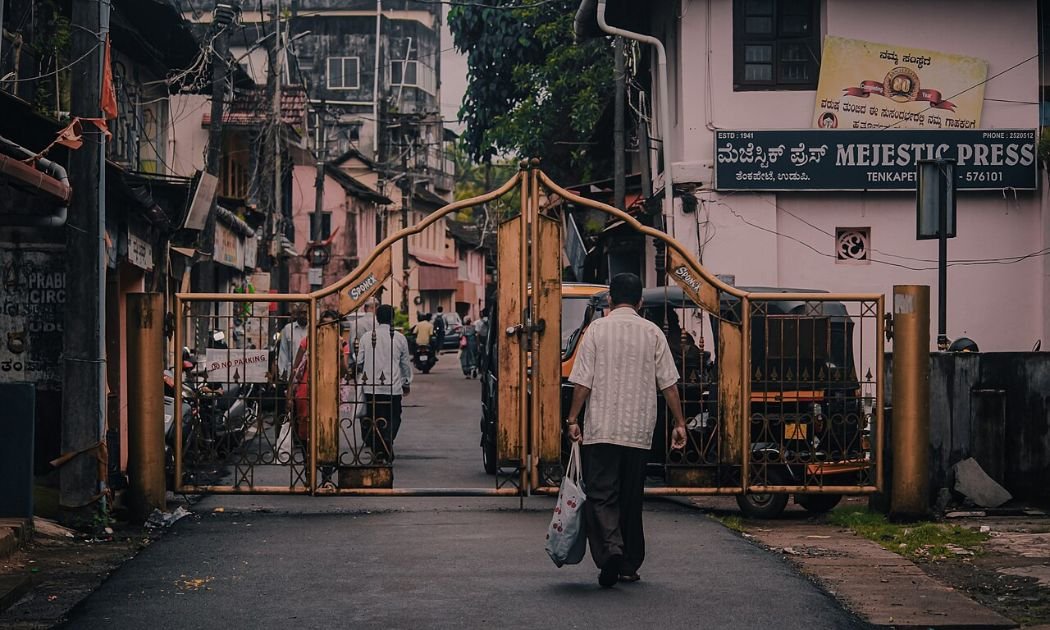
Lynching in Mangaluru, a City Haunted by Hate
Ashraf, a Muslim and daily wage labourer from Wayanad, Kerala, had arrived in this coastal Karnataka city just weeks earlier. On the evening of April 27, he was found dead near a temple in Kudupu—barely 10 km from Mangaluru city’s centre. Reportedly killed on the sidelines of a cricket match, his death was a brutal act that felt grimly familiar.

BJP Workers Beat Journalist for Raising ‘Security Lapse’ in Kashmir Terror Attack
Rakesh Sharma, 58, a senior correspondent with the Hindi daily Dainik Jagran, was recently beaten by Bharatiya Janata Party (BJP) workers in Kathua, Jammu and Kashmir, while covering a roadside protest over the April 22 terror attack in Pahalgam. They attacked him for a simple reason: he had asked someone at the rally why the party kept burning effigies of Pakistan instead of addressing what he called a “security lapse.”

Curfew Imposed in Nagpur After Communal Tensions
Curfew was imposed for the second consecutive day in Nagpur, Maharashtra, following communal tensions sparked by demands from Hindu nationalist groups, including the Vishwa Hindu Parishad (VHP) and Bajrang Dal, to remove the tomb of 17th-century Mughal emperor Aurangzeb. The groups argued that Aurangzeb’s legacy was emblematic of historical oppression against Hindus.