
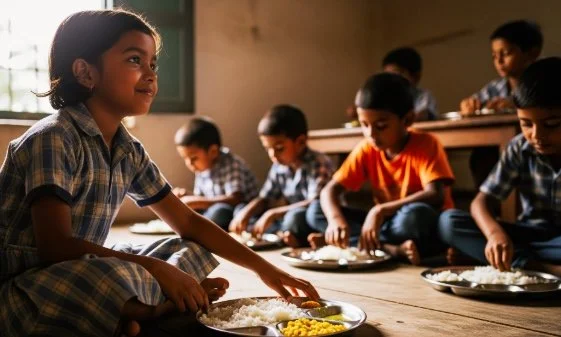
Why Indians Consume Low-quality Protein and How It Affects Their Health
Indians are consuming enough protein by the numbers, but much of it comes from poor-quality sources that do not meet the body’s nutritional needs, a pattern documented in recent dietary analysis by a national policy research body. This dietary imbalance is contributing to both childhood malnutrition and a growing epidemic of non-communicable diseases among adults.
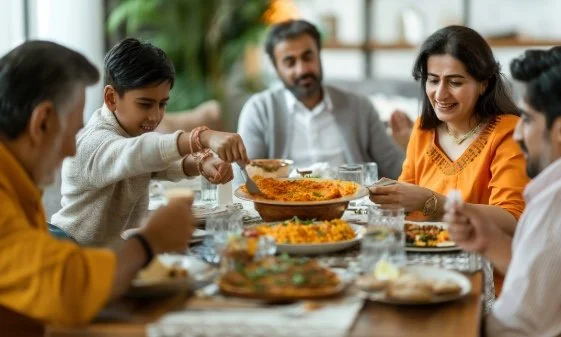
National Survey Finds Indian Diets Too Heavy on Refined Carbs
India’s largest-ever nutrition and metabolic health survey has found that 62% of daily calories in Indian diets come from carbohydrates, most of them of poor quality. The finding suggests that the country’s food systems, policies and poverty conditions are pushing people toward diets that increase their risk of diabetes and obesity, not protect against them.
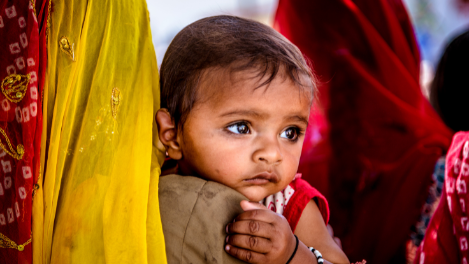
India’s GDP Growing but Amid Serious Hunger: 2024 Global Hunger Index
India shows serious levels of hunger, reports the 2024 Global Hunger Index, despite its GDP continuing to grow. In the 2024 Global Hunger Index (GHI), India ranks 105th out of 127 countries, with a GHI score of 27.3, indicating a serious level of hunger, despite GDP growth averaging 6.33%.

Have Indians Been Eating Well?
A detailed analysis of the food and nutrition security situation in India over a decade has found discrepancies between government claims and actual outcomes. “Food Security and Nutrition 2014-24 Report Card” by the Financial Accountability Network India recalls that the Bharatiya Janata Party (BJP) has always held that “universal food security” is integral to national security.

India has 6.7 Million ‘Zero-Food’ Children, Study Says
India’s battle with child malnutrition has reached a critical juncture, positioning the country alongside West African nations notorious for high levels of food deprivation among infants. A recent study, drawing on government data, has placed India’s prevalence of so-called “zero-food” children at an alarming 19.3%. Zero-food children are defined as infants or toddlers aged between six months and 24 months who have not consumed any milk or solid or semi-solid food over a 24-hour period.
Madhya Pradesh’s New Meat Ban: A Step Back in Fighting Malnutrition
Madhya Pradesh’s new Chief Minister, Mohan Yadav, has declared a ban on the open sale of meat and eggs, stirring up serious concerns about its effects on public health, especially in a state already battling high malnutrition levels.
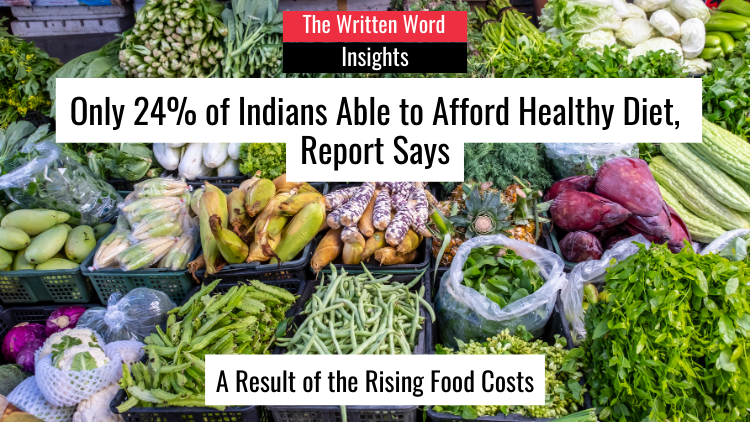
Only 24% of Indians Able to Afford Healthy Diet, Report Says
In India, as public discourse predominantly revolves around identity and ideology, crucial issues of significant importance often remain quietly simmering, receiving scant visibility. For instance, a recent UN report reveals that only one quarter of the country’s population can afford a healthy diet, and over 50% of women suffer from anaemia.

India Has the World’s Highest Child ‘Wasting’ Rate
While India is on a path to rapid economic growth and has a burgeoning technology sector, the Global Hunger Index (GHI) 2023 report has ranked India 111th among 125 countries in combating hunger and malnutrition. The country has slipped four positions compared to last year, with only 17 nations faring worse, among them Timor-Leste, Afghanistan and Somalia.