

In Tamil Nadu, the Right to Pray Without Permission Is Slowly Eroding
Tamil Nadu’s courts appear to have quietly narrowed a constitutional right over the last seven years without ever admitting they were doing so. Every order still cites the same protection for peaceful prayer, but the burden to prove that prayer is harmless has effectively moved from the state to the worshipper. That change is invisible in any single ruling, and becomes clear only when the rulings are read one after another, in the order they were made.

Waqf Amendment Bill Passed: Why Muslims Are Concerned
The Waqf (Amendment) Bill, 2025, passed in Parliament on April 4, has raised significant concerns among Indian Muslims regarding its potential implications on religious autonomy and minority rights. Despite assurances from the government that the amendments aim to improve governance and transparency, critics argue that the changes could undermine the independence of Waqf institutions and jeopardise the management of historical Islamic endowments.

Supreme Court Halts Tree Felling in Telangana
Days after protesting students of University of Hyderabad were lathi-charged, the Supreme Court on April 3 ordered the State of Telangana to halt all developmental activities in the Kancha Gachibowli area of Hyderabad, citing large-scale felling of trees and environmental concerns.

What’s Behind the BJP’s Interest in Sufism?
The Bharatiya Janata Party (BJP) has recently intensified its outreach to Sufi Muslims, following engagements with the economically and socially marginalised Pasmanda Muslims. The effort seemingly aims to counter the influence of other Islamic sects and to solidify political support within some Muslim communities. But one might ask why it hasn’t embraced a very similar spiritual tradition known as Bhakti.
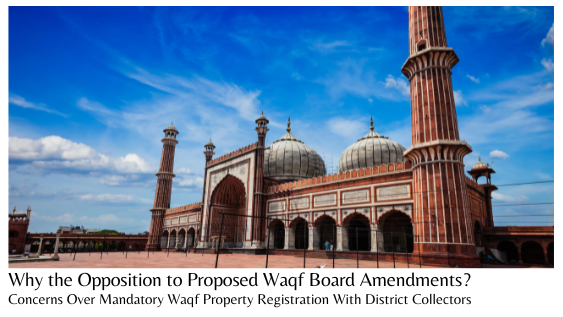
Why the Opposition to Proposed Waqf Board Amendments?
The central government is reportedly set to introduce a bill aimed at changing how the Waqf Board operates. This body, established by the government, oversees properties donated by Muslims for religious, educational, and charitable uses. According to reports, the bill would require Waqf properties to register with district collectors to verify their true value. Many are concerned that this could reduce the board's autonomy and increase government control.