
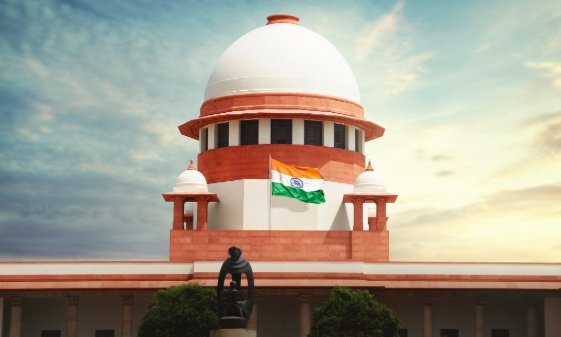
States Can Now Prosecute Central Officials for Corruption, Says Supreme Court
The Supreme Court of India has ruled that state governments have full legal authority to prosecute central government officials for corruption through their own police forces or Anti-Corruption Bureaus (ACBs), without needing any permission or involvement from the Central Bureau of Investigation (CBI). This is a welcome development for state governments, especially those run by opposition parties, and for citizens, because it strengthens legal accountability and curbs the Centre’s ability to delay or block investigations by claiming that only central agencies can act.
What to Expect as States’ Debt Rises to Record Levels
Indian states are likely to borrow an unprecedented 5 trillion rupees between January and March 2026 to meet their routine government spending, the largest amount ever raised by state governments in a single quarter in India’s history, according to the Reserve Bank of India (RBI). This record debt may push up interest rates on home and business loans, delay government-funded work like school repairs, road construction and public healthcare, and leave less money for job schemes, rural wages and welfare payments.
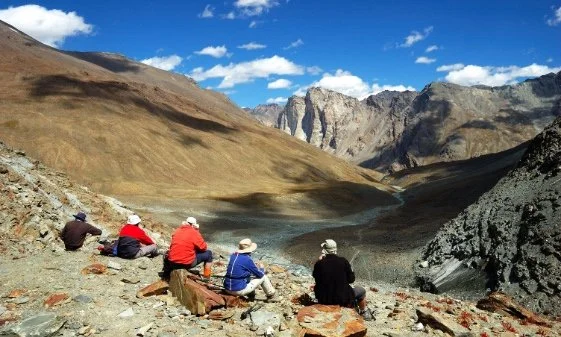
Centre Hinders Local Decision-Making in Ladakh by Withdrawing Financial Powers
The Ministry of Home Affairs has withdrawn all financial sanctioning powers from Ladakh’s local administration and elected councils, centralising them in Delhi. The move is likely to disrupt local decision-making and delay essential development in a region where planning and execution must match a narrow seasonal window.
Kerala High Court Questions Centre’s Bias in Disaster Relief Allocation
The Kerala High Court has criticised the Union government for refusing to waive the loans of survivors of the devastating Wayanad landslides, citing the Centre’s past disaster relief to Bharatiya Janata Party (BJP)-ruled states as evidence of selective treatment. The criticism appears to question whether the Union government is applying its powers to distribute financial relief in a politically biased and arbitrary manner, rather than upholding the neutrality expected in a federal system.

Indian States Are Drowning in Debt, Says CAG Report
A report released by the Comptroller and Auditor General (CAG) shows that India’s states have accumulated around 60 trillion (60 lakh crore) rupees in debt by 2022–23, more than three times what they owed a decade ago. It shows that many states are no longer borrowing mainly for development, but are now depending on loans just to fund their basic governance.

Sidelining English in India’s Governance Isn’t a Good Idea
The central government has launched the Bharatiya Bhasha Anubhag (Indian Languages Section) to free the administration from the influence of foreign languages and promote decision-making in Indian mother tongues. At first glance, it may look like a step toward inclusivity. But it raises several fundamental concerns—both practical and political—that cannot be brushed aside under the guise of cultural revival.

Tamil Nadu’s New Panel to Challenge Alleged Central Overreach
Tamil Nadu Chief Minister M.K. Stalin has announced the formation of a high-level, three-member committee tasked with reviewing the status of state rights under the Indian Constitution and recommending ways to preserve them. The committee, formed in response to alleged overreach by the Centre, will be chaired by retired Supreme Court judge Kurian Joseph.

School Textbooks Now Have Hindi Titles for English-Medium Students
The National Council of Educational Research and Training (NCERT) has reportedly started assigning Hindi titles to textbooks meant for English medium students. Kerala’s Education Minister V. Sivankutty has described the decision as “irrational” and demanded an immediate review, criticising it for being in conflict with India’s constitutional and federal principles.
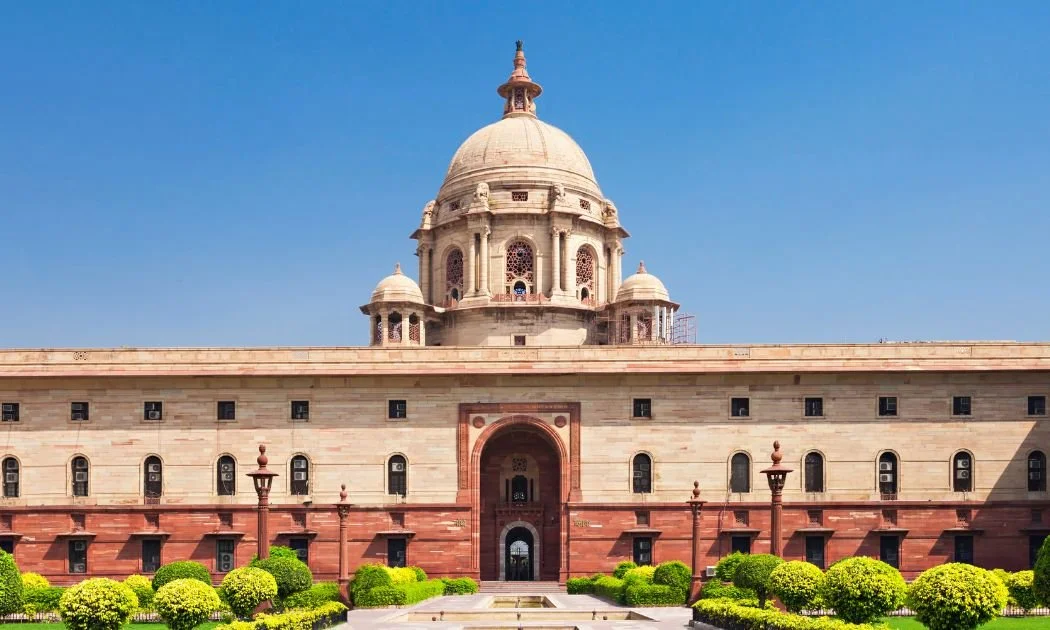
Supreme Court Sets Timelines for Governors, President on State Bills
The Supreme Court has ruled that governors and the President must adhere to specific timelines when deciding on state bills, affirming its power of judicial review to prevent political obstruction in legislative processes.

Tamil Nadu Chief Minister Urges Couples to Have Children Soon
Tamil Nadu Chief Minister M.K. Stalin has urged the people of the state to have children immediately after marriage, arguing that the state’s success in family planning has put it at a disadvantage in terms of political representation. The call comes amid concerns over the upcoming delimitation exercise, which will redraw parliamentary constituencies based on population.
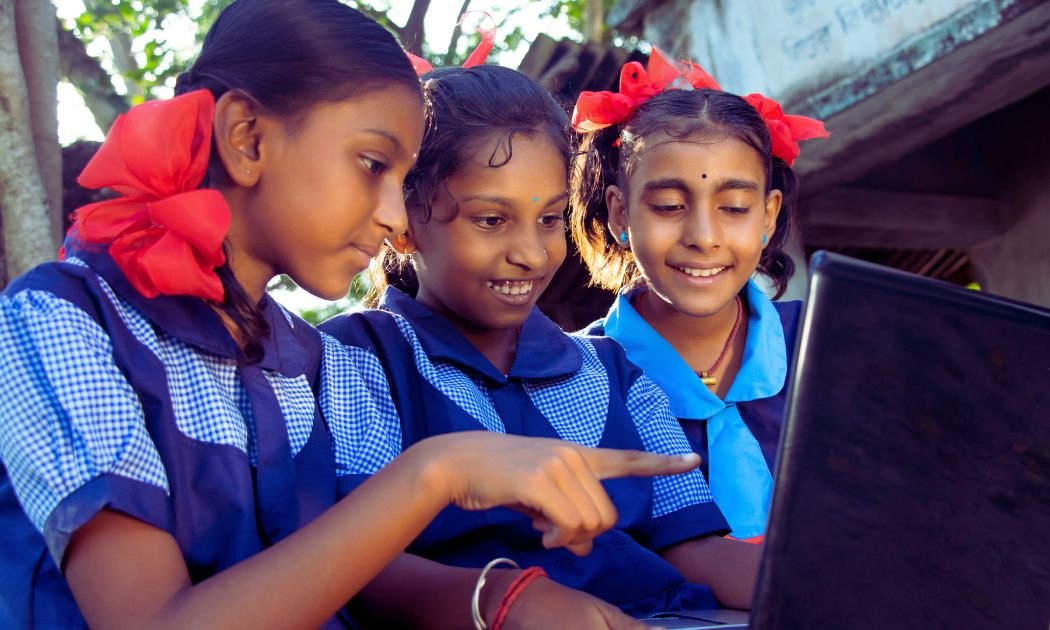
Why Tamil Nadu Rejects Centre’s Three-Language Policy in Schools
A renewed language conflict has erupted between the DMK-led Tamil Nadu state government and the BJP-led central government over the National Education Policy (NEP) 2020 and its three-language policy. The DMK believes that enforcing a third language in Tamil Nadu’s education system is unnecessary, would burden students and would indirectly push Hindi.
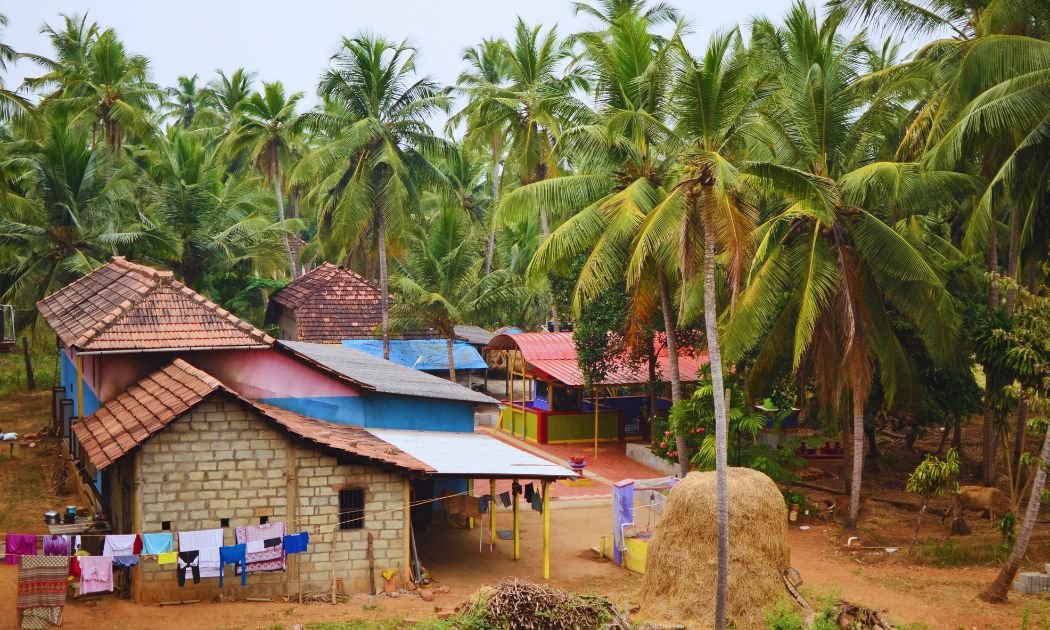
South India Leads in Local Self-Governance: Karnataka, Kerala, Tamil Nadu
The south Indian states of Karnataka, Kerala and Tamil Nadu have been ranked at the top in the country’s Panchayat Devolution Index, which measures how well state governments transfer powers, responsibilities and resources to local governing bodies called Panchayats.
Tamil Nadu Govt. Tells Court Governor Acting as a Political Opponent
The Tamil Nadu government told the Supreme Court that Governor R.N. Ravi behaved like a political opponent by withholding assent on multiple bills, arguing that his actions blocked duly passed legislation and undermined the authority of the state assembly. The court questioned the Governor’s decision to keep some bills pending for three years before declaring his intention to withhold assent and refer them to the President.

Kerala, Tamil Nadu Oppose UGC’s Proposed Regulatory Changes
The state governments of Kerala and Tamil Nadu have objected to the University Grants Commission’s (UGC) proposed new regulations, arguing that these rules limit state authority in higher education and breach federal principles by centralising power in the appointment of vice-chancellors. They also reportedly fear that this could be an attempt to further an ideological agenda.

Why ‘One Nation, One Election’ Is a Problematic Idea
A constitutional amendment bill aiming to hold Lok Sabha and state assembly elections simultaneously is set for introduction in the Lok Sabha on Dec. 17, a week after the Cabinet approved it. Critics, however, warn that “one nation, one election” could weaken the ability of local constituencies to have their interests accurately represented, among several other issues.
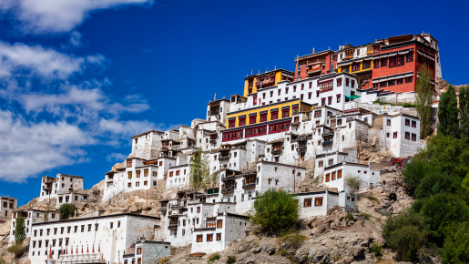
Ladakh’s Case for the Constitution’s Sixth Schedule
On Oct. 21, Ladakhi climate activist Sonam Wangchuk concluded his 16-day hunger strike after the Union Ministry of Home Affairs agreed to resume discussions on the four key demands made by local leaders. The most crucial demand of the people of Ladakh is for greater autonomy through statehood and inclusion under the Sixth Schedule of the Indian Constitution. Speaking to Newsreel Asia, a leading Ladakhi activist elaborates on the rationale behind these demands.

Ladakh Spokesperson Opens Up About Fears of Remaining a UT Without Legislature
Having traveled 1,000 kilometers on foot, a group is now on a 21-day hunger strike in Delhi, advocating for statehood for their homeland, Ladakh, in the Himalayas in India. On the sixth day of their fast, Oct. 11, I spoke with Mehdi Shah, a key member of the group, to understand why they are so passionate about statehood and fearful of remaining a Union Territory after four years of direct governance by a distant central authority.
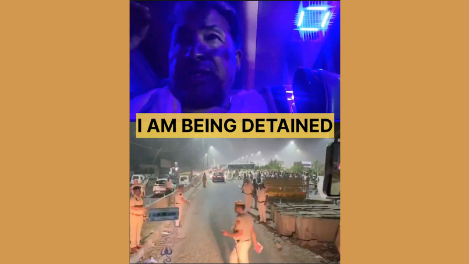
Activist Sonam Wangchuk, 120 Others Detained After Walking 1,000 KM from Ladakh
“I am being detained... along with 150 padyatris (marchers),” tweeted climate activist Sonam Wangchuk on Sept. 30. Wangchuk also posted a video showing hundreds of police officers blocking their path at the Delhi’s border as they proceeded towards the capital. Police claim the detainees, who had peacefully walked 1,000 kilometres from Ladakh to advocate for Ladakh’s autonomy, violated “prohibitory orders” amid a sensitive climate.
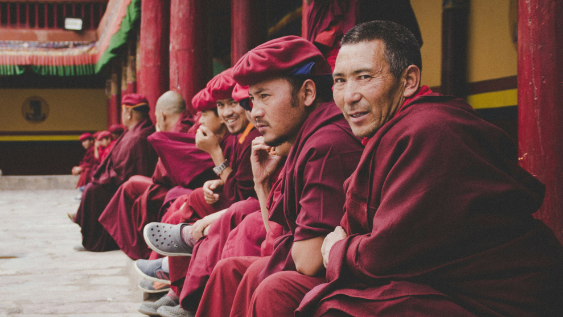
Activist Sonam Wangchuk’s 1,000-KM Walk for Ladakh’s Autonomy
More than 100 volunteers, led by climate activist and innovator Sonam Wangchuk, are part of a month-long 1,000-kilometre walk from Ladakh to Delhi. The journey, called the “Delhi Chalo Padyatra” and which started on Sept. 1, aims to revive discussions on Ladakh’s four-point agenda after talks with the central government stalled in March.

Is Uttar Pradesh Govt Acting as if It Is the Central Authority?
The Uttar Pradesh government has reportedly enacted a new digital media policy aimed at regulating content classified as “anti-national, indecent, or harmful” on social media platforms. The policy outlines severe penalties, including potential life imprisonment for violations, despite the fact that regulation of telecommunications and broadcasting is a central prerogative and a “policy” cannot introduce new penalties.