

Anti-Conversion Laws Are a Question of Citizens’ Rights and Freedoms
Maharashtra becoming the 13th state to enact an anti-conversion law once again raises a legal question that goes further than the protection of Christian and Muslim minorities, as the issue is often portrayed. Laws regulating conversion from one religion to another should be assessed by how they affect every citizen’s freedom of conscience and religious expression, rather than by which religious community they appear to protect or threaten.
Supreme Court Rejects Timelines for Governor’s Assent
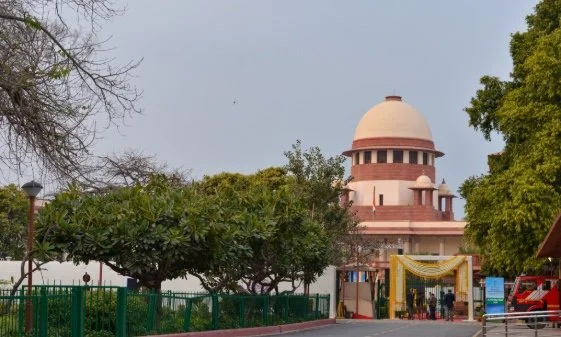
The Supreme Court has ruled that courts cannot impose deadlines on the President or State Governors for granting or withholding assent to bills passed by legislatures. Nor can courts treat inaction as assent. A Constitution Bench held that such directions, issued by a two-judge Bench in April 2024, are unconstitutional and violate the separation of powers between the judiciary and executive.
Nepal’s Gen Z Show People Hold Power Above the Constitution
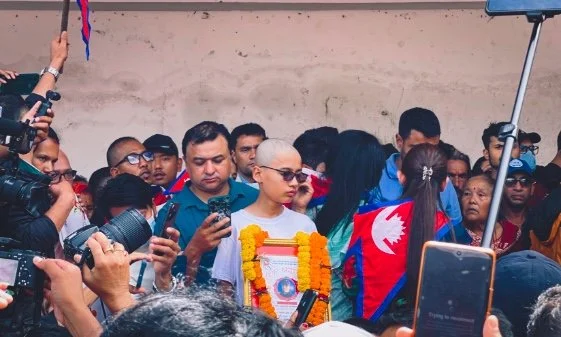
In Nepal, a Gen Z movement recently brought down the government and demanded that Sushila Karki, a former Chief Justice of the country, be appointed interim Prime Minister. Although the Constitution bars anyone who has held that office from becoming head of government, the state agreed. This agreement demonstrated a core idea in political theory that the people, not the written text, are the true source of authority. It also stands as a warning to governments everywhere.
Vice Presidential Contest is About Constitutional Values, Not Ex-Judges’ Opinions
The opposition’s Vice Presidential nominee, Justice B. Sudershan Reddy, has been accused of supporting Naxalism, or Maoism, for delivering a 2011 Supreme Court verdict that declared Chhattisgarh’s Salwa Judum militia unconstitutional. The charge has led to a public exchange between retired judges, but the real question is whether that ruling and the standards for selecting a Vice President align with constitutional principles and democratic theory.
Three New Bills Seek to Allow Removal of PMs and CMs
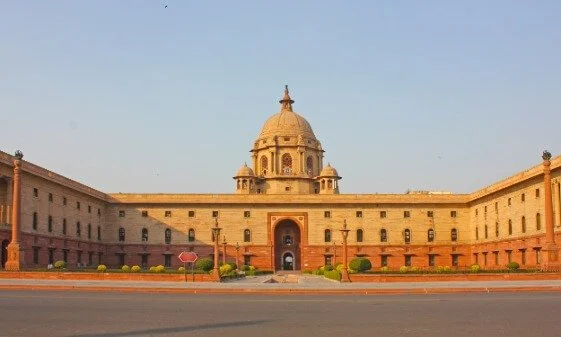
Union home minister Amit Shah has tabled three bills in the Lok Sabha that empower the removal of the prime minister, chief ministers and other ministers if they remain in jail for 30 consecutive days on serious criminal charges. The move appears to be an attempt by the government to expand executive powers over elected offices, including in Jammu and Kashmir where statehood had been expected.

Independence Means Democracy That Respects Citizens’ Dignity
We mark every August 15 with flag hoisting ceremonies, parades and speeches to remember the day India ceased to be under British colonial rule in 1947. These rituals have value, but the greater focus should be on the intended culmination of independence, which is a system of government that safeguards the dignity and autonomy of those it serves. It must be understood that democracy is inseparable from independence.

Supreme Court Shields The Wire, Addresses Legal Threat to Free Press
The Supreme Court has ordered that the Foundation for Independent Journalism, which owns The Wire, and its founding editor Siddharth Varadarajan must be protected from any police action that could involve arrest, detention, or other measures intended to compel compliance in connection with an FIR filed by the Assam Police. The order puts the law’s constitutional validity before the court and concerns press freedom and the state’s power to act against journalists.

Tamil Nadu’s New Panel to Challenge Alleged Central Overreach
Tamil Nadu Chief Minister M.K. Stalin has announced the formation of a high-level, three-member committee tasked with reviewing the status of state rights under the Indian Constitution and recommending ways to preserve them. The committee, formed in response to alleged overreach by the Centre, will be chaired by retired Supreme Court judge Kurian Joseph.
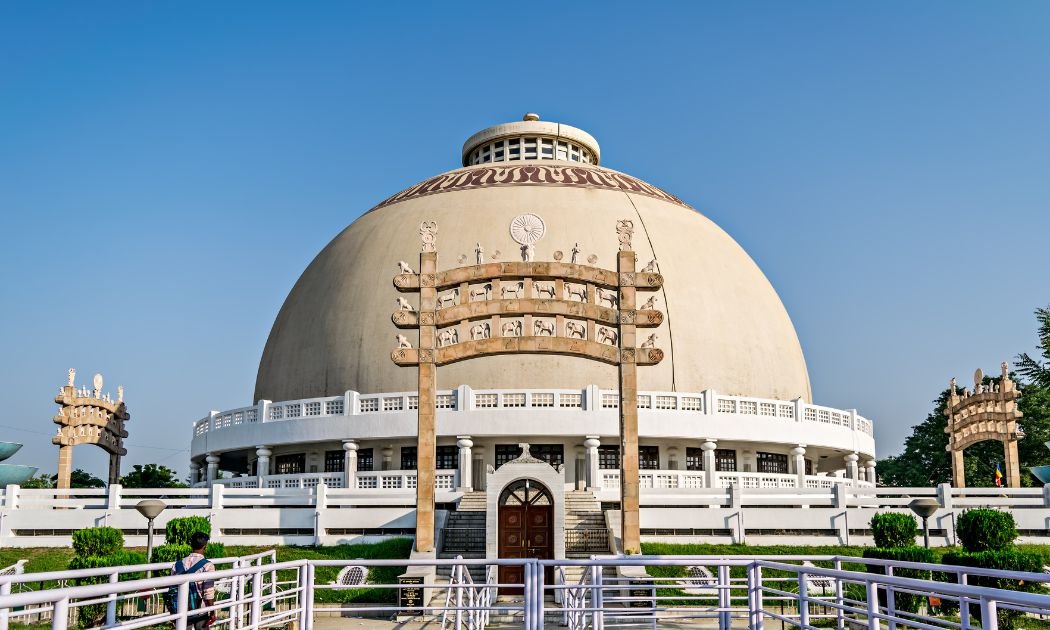
Ambedkar’s Blueprint for Justice, Dignity and Equality
As India marks Ambedkar Jayanti today, citizens would do well to revisit B.R. Ambedkar’s vision for the country—as a scale by which to measure the conduct of governments and political parties.
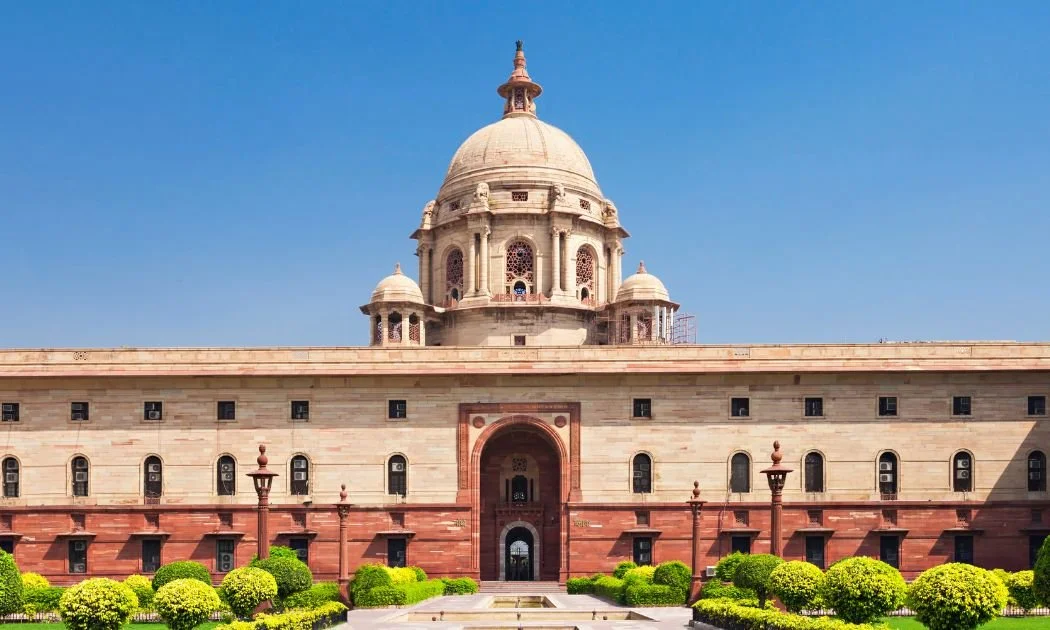
Supreme Court Sets Timelines for Governors, President on State Bills
The Supreme Court has ruled that governors and the President must adhere to specific timelines when deciding on state bills, affirming its power of judicial review to prevent political obstruction in legislative processes.

Constitutionality of Waqf Amendment Challenged
Multiple petitions challenging the constitutional validity of the recently enacted Waqf (Amendment) Act, 2025, have been filed before the Supreme Court. The petitioners, including the Dravida Munnetra Kazhagam (DMK) party, argue the Act infringes upon religious freedom and property rights.
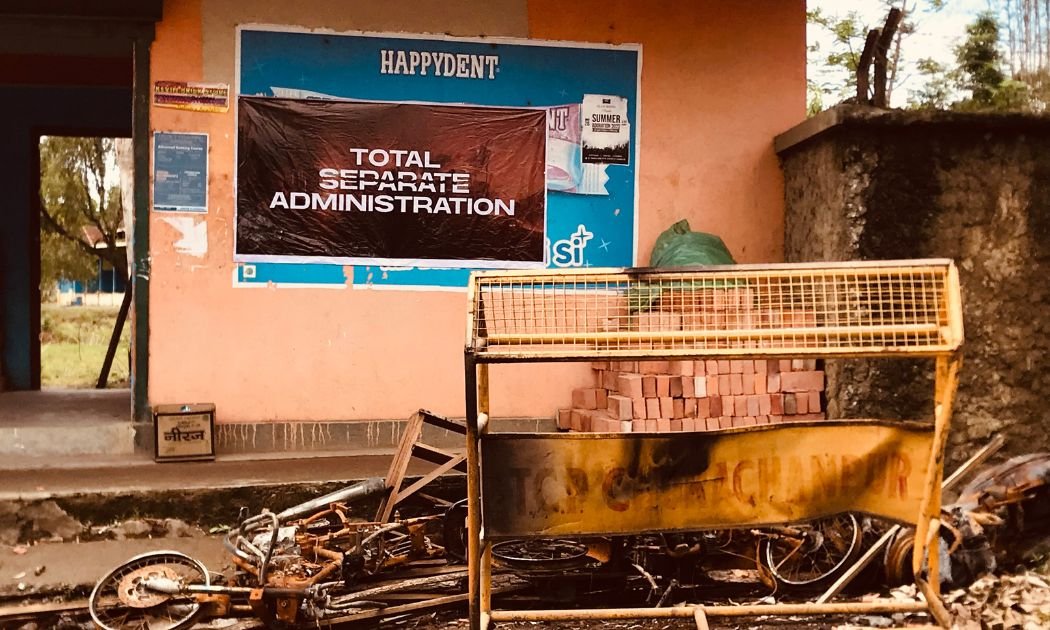
Manipur’s ‘Territorial Integrity’ Is a Risky Narrative
In his resignation letter, former Manipur Chief Minister N. Biren Singh urged the Central government to protect the state’s “territorial integrity.” And then days after President’s Rule was imposed, his BJP colleague Sambit Patra gave the same assurance. Both politicians seem to have ignored the risks of refusing to consider state reorganisation, which is not the same as separatism.
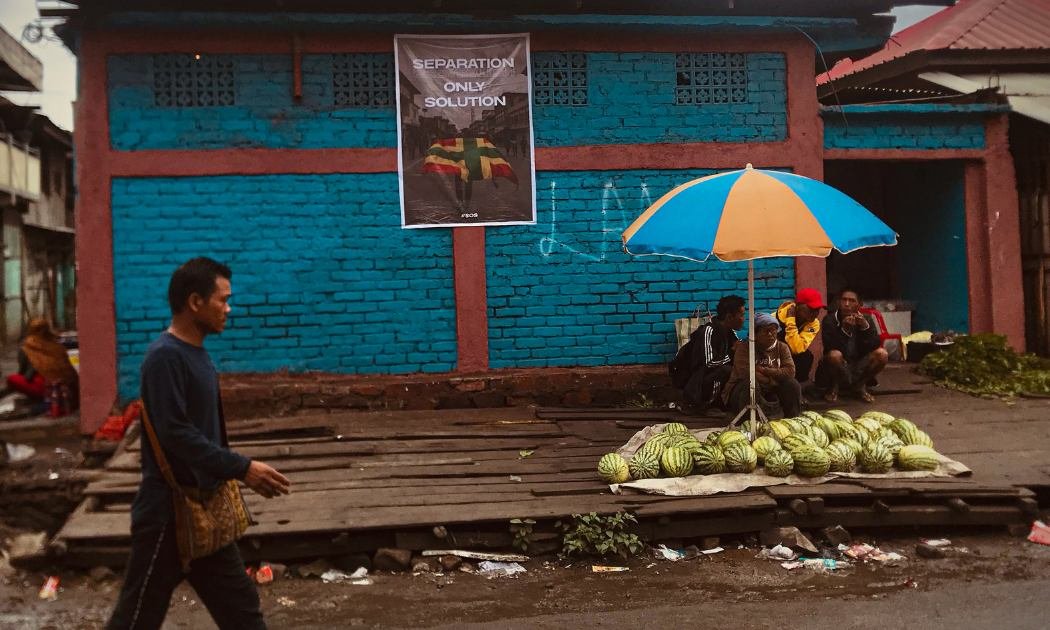
President’s Rule Alone Can’t Resolve Crisis in Manipur
Manipur’s Governor has imposed President’s Rule days after N. Biren Singh resigned as the Chief Minister – a belated official acknowledgment that the state government could not function according to constitutional provisions. The critical issue now is whether President’s Rule can ensure that Manipur will be able to operate within the constitutional framework within its maximum allowable period of three years.
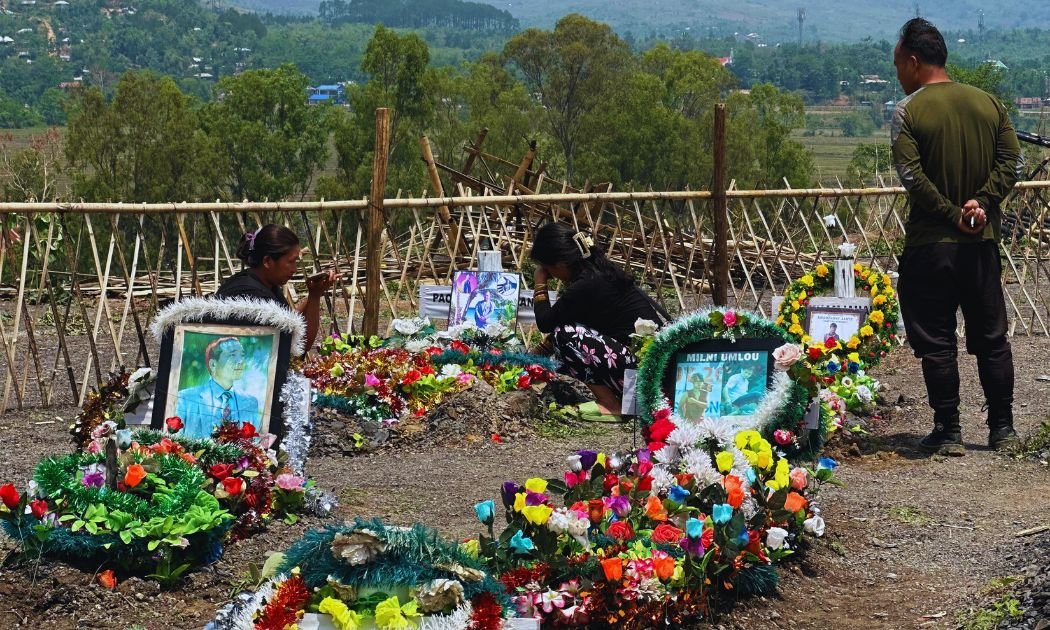
Manipur Chief Minister’s Resignation: What Next? How Soon?
The February 9 resignation of Manipur Chief Minister N. Biren Singh, which conveys little remorse or admission of failure, must at least be followed by swift and constitutionally sound action from Governor Ajay Kumar Bhalla to ensure that this potential first step toward resolving the prolonged conflict is effective.
Tamil Nadu Govt. Tells Court Governor Acting as a Political Opponent
The Tamil Nadu government told the Supreme Court that Governor R.N. Ravi behaved like a political opponent by withholding assent on multiple bills, arguing that his actions blocked duly passed legislation and undermined the authority of the state assembly. The court questioned the Governor’s decision to keep some bills pending for three years before declaring his intention to withhold assent and refer them to the President.

Republic Day: What’s the Core of a ‘Republic’?
As we, Indians, celebrate Republic Day, it serves as a reminder that our nation is a “republic,” with our Constitution affirming that we, the people, “authorise” the government to govern. Gaining a clear understanding of the essence of a republic can deepen our comprehension of our role in public life.
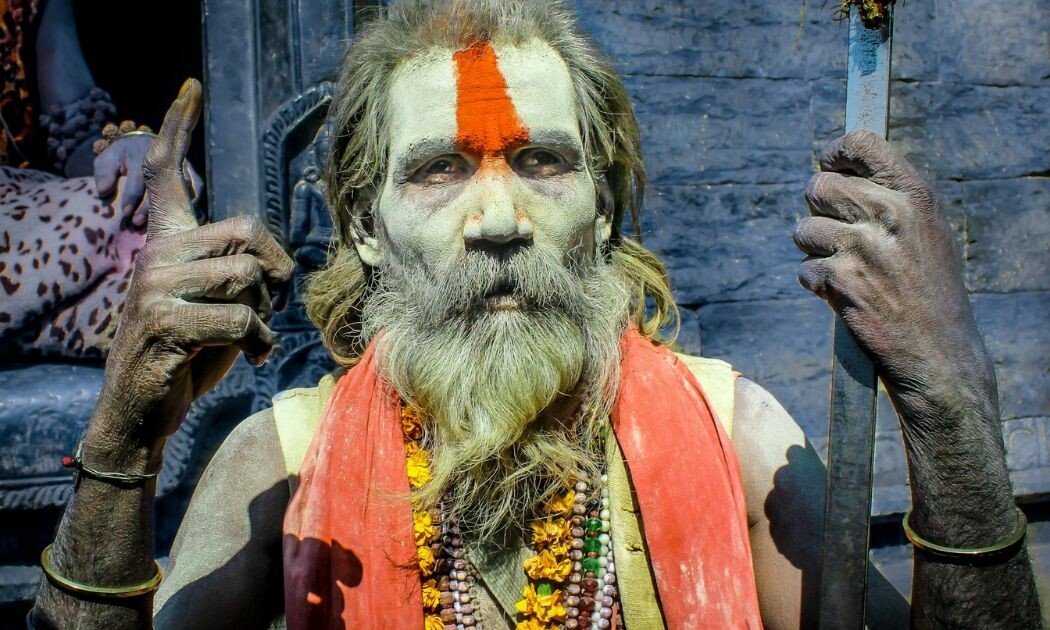
RSS Takes 8,000 ‘Vulnerable’ Dalit Students to Maha Kumbh
The Rashtriya Swayamsevak Sangh (RSS) is reportedly hosting around 8,000 students, who are underage, from Dalit and disadvantaged communities at the ongoing Maha Kumbh in Prayagraj, Uttar Pradesh. The aim is to familiarise them with Hindu traditions and Indian culture, preventing them from becoming vulnerable to religious conversions. However, this move undermines the autonomy and sovereignty of the Dalit community and contravenes the Indian Constitution.

Why ‘One Nation, One Election’ Is a Problematic Idea
A constitutional amendment bill aiming to hold Lok Sabha and state assembly elections simultaneously is set for introduction in the Lok Sabha on Dec. 17, a week after the Cabinet approved it. Critics, however, warn that “one nation, one election” could weaken the ability of local constituencies to have their interests accurately represented, among several other issues.

The Politics Around Places of Worship Act
Several petitions were submitted to the Supreme Court on Dec. 11 to defend the Places of Worship (Special Provisions) Act, 1991, on the eve of a hearing where the law’s validity will be scrutinised. The legislation mandates the preservation of the religious character of places of worship as they stood on August 15, 1947, which blocks political mobilisation around the emotive issues concerning perceived “historical wrongs.”
Lawyer Dushyant Dave Accuses India’s Judiciary of Enabling Divisive Religious Politics
Advocate Dushyant Dave has sharply criticised the judiciary for enabling divisive politics by permitting surveys of mosques over claims that they constructed on the remains of temples from the Mughal era. In a media interview, the lawyer directly accused India’s former Chief Justice, D.Y. Chandrachud, of undermining the Constitution and contributing to rising communal tensions.