
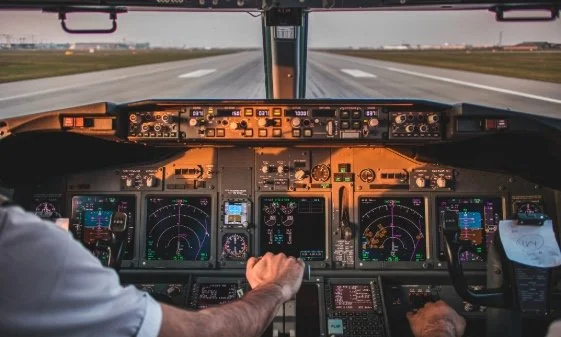
Another Fuel Switch Issue on Air India Boeing 787, Still Departs on 10-Hour Flight
An Air India Boeing 787-8 aircraft departed from London and completed a 10-hour flight to Bengaluru despite the pilot encountering a fuel control switch malfunction during engine start. This indicates a decision was made to proceed with a long-haul international flight even after a critical cockpit control exhibited abnormal behaviour before takeoff, and less than a year after a Boeing 787 Dreamliner crash near Ahmedabad caused by a similar issue.
Why India’s Charter Aviation Rules Need Urgent Institutional Reform
A fatal plane crash near Baramati on January 28 killed Maharashtra’s Deputy Chief Minister Ajit Pawar and four others during a chartered flight operated by a private aviation company. The incident demands an examination of whether India’s aviation system contains the structural safeguards found in more developed regulatory environments.
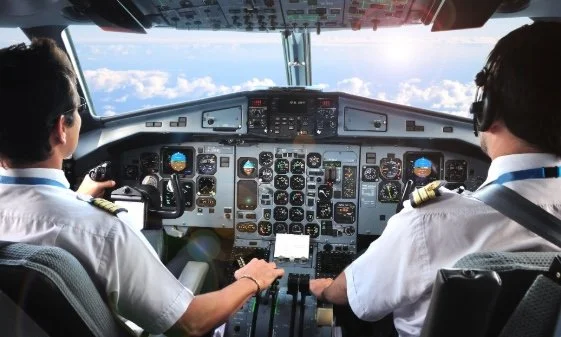
Can Long-Haul Flights Be Safe With Fewer Pilots and Longer Shifts?
The aviation regulator’s decision to extend duty hours for pilots flying the Boeing 787 Dreamliner, a wide-body aircraft used for long international flights, has direct safety implications for passengers. The decision ignores key fatigue-related risks that global regulators and airlines are actively trying to reduce, and it does so at a time when the aircraft in question already has limitations affecting pilot rest during flight.
Air India Crash Report Out: What’s Clear and What Still Isn’t
India’s Aircraft Accident Investigation Bureau has released its preliminary report on the Air India flight that crashed shortly after takeoff from Ahmedabad on 12 June 2025, killing 241 people on board – leaving a lone survivor – and 19 more on the ground. The most shocking revelation is that both engines shut down within seconds of liftoff because the fuel control switches had moved to the off position. But what caused the switches to move remains unexplained.

Airlines in India Must Address Global Safety Issues With Boeing 737 Max
Akasa Air has announced it is purchasing 150 Boeing 737 Max jets, a model also operated by SpiceJet and Air India Express. The 737 Max has been under intense scrutiny and embroiled in controversy following two fatal crashes that precipitated its global grounding in 2019. Presently, renewed safety concerns regarding the aircraft have emerged.