
Why Governments Limit Freedom in the Name of Security
Do governments really need to limit our freedom to keep us safe? In this episode, we break down the concept of security politics and how states define threats, justify extraordinary measures, and expand their powers in the name of protection.
Why We Don’t Act Together | The Collective Action Problem
Why do we all want better public services—clean air, safer roads, good schools, and accountable governance—yet fail to act together to achieve them?
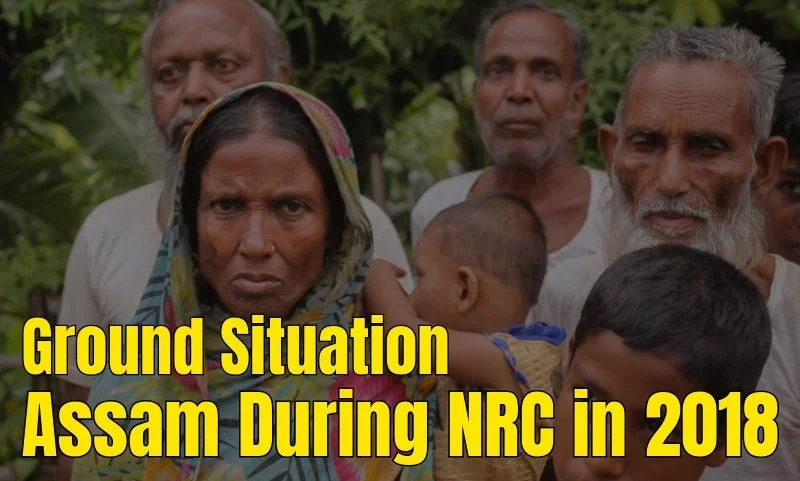
Suffering in Silence: A Visual Retrospective of NRC in Assam
More than seven years after the National Register of Citizens (NRC) exercise concluded in Assam, the issue continues to appear in political debate across the country. The Election Commission (EC)’s ongoing Special Intensive Revision (SIR) of electoral rolls has drawn comparisons with the NRC, although the Commission rejects those claims. This mini-documentary, filmed in Assam in 2018, captures the effects of the NRC on people living through the process at that time.
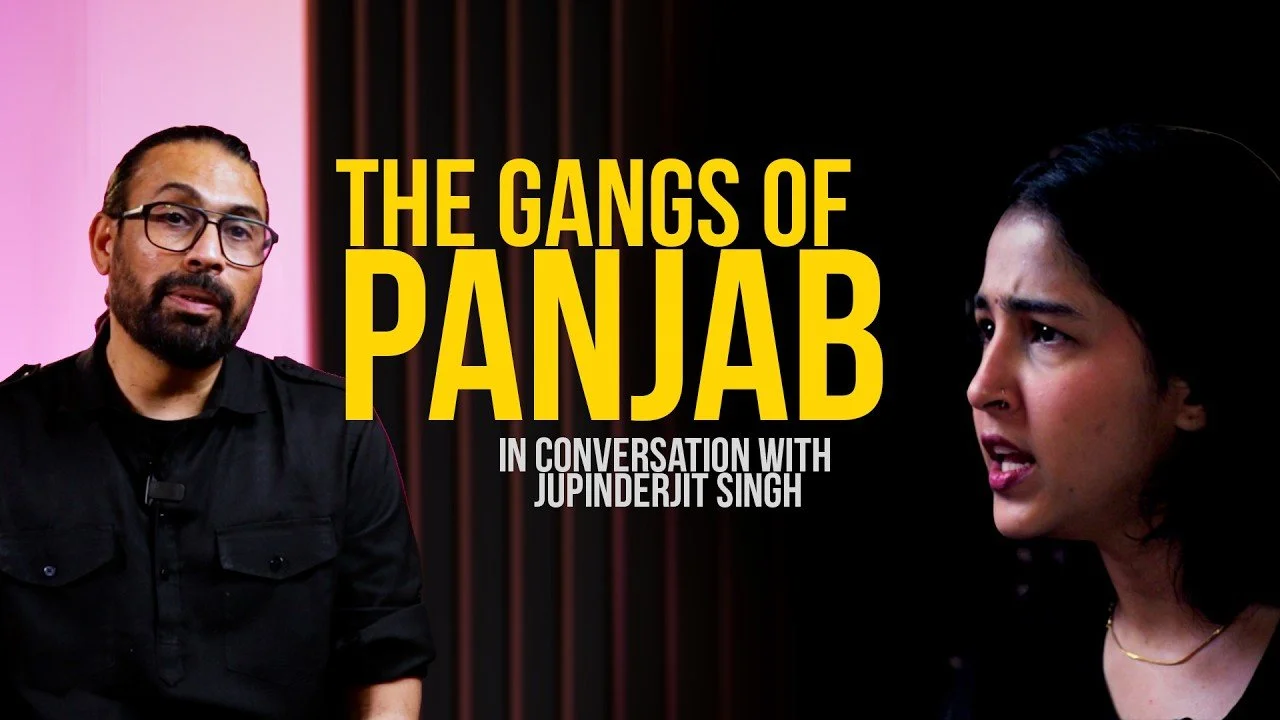
Why Is Punjab Becoming a Gangster Haven? Crime Journalist Answers
Punjab has long been known for its rich culture, music, and resilience. But in recent years, another narrative has been growing: the rise of gang culture. Newsreel Asia’s journalist Gunjan Handa interviewed Jupinderjit Singh on his new book, Gangs of Punjab: Guns, Greed and Girlfriends. In this interview, senior journalist and author Jupinderjit Singh joins us to unpack how and why this transformation has happened. He has also written the book 'Who Killed Moosewala?,' which investigates the murder of Punjabi singer Sidhu Moosewala. Drawing from decades of reporting on crime and policing in Punjab, Jupinderjit Singh explains how gangs evolved in the state, how social media and diaspora networks have changed the dynamics, and why young men are increasingly getting pulled into this world. He also talks about the role of drugs, politics, policing challenges, and the influence of gangsters on Punjabi pop culture.
What Is a Constitution and Why It Matters
What is a Constitution, and why must every citizen understand it? In this episode of We the People by Newsreel Asia, we explain the meaning of a Constitution, how constitutionalism evolved from ancient law codes to modern democracy, and why the Indian Constitution remains central to protecting our rights, liberty and equality.
When Politicians Become Rulers in Democracy
In a democracy, power is meant to belong to citizens. Elected leaders and public officials hold authority only as a trust — to serve the public and remain accountable to it. But over time, that relationship can begin to feel reversed. In this episode of “We the People,” Surabhi Singh examines how a system built on representation can gradually start to feel like control.
Why Millions Stay Poor Despite Working Hard
If hard work alone could end poverty, the poorest people in the world would be the richest. Yet millions remain trapped in poverty for generations. Why? In this episode of Newsreel Asia’s explainer series “We the People,” Harshita Rathore examines why poverty cannot be reduced to individual effort or personal choices.
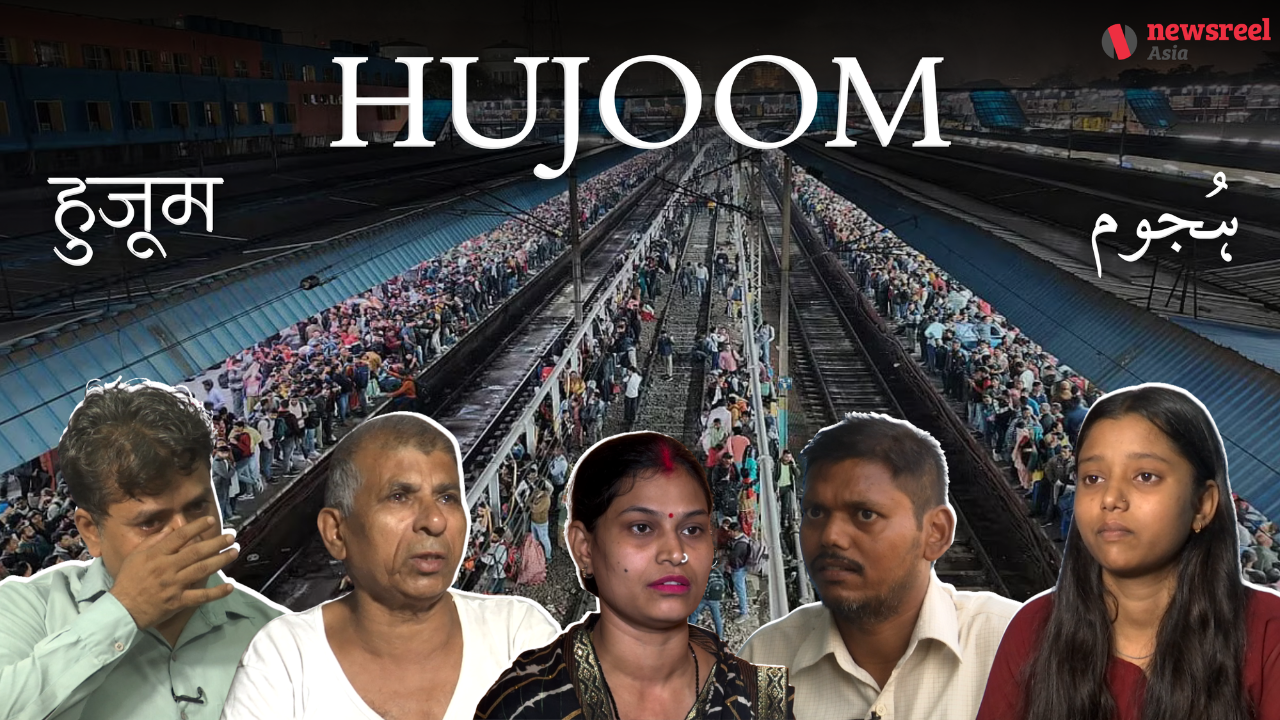
A Mother Who Lost Her Life: One Year of New Delhi Railway Station Stampede
On February 15, 2025, a deadly stampede took place at the New Delhi Railway Station. It was triggered by a sudden surge of passengers, fueled by delays to three trains, including a special train bound for the Maha Kumbh mela - projected as the world's biggest religious congregation - that was being held in Uttar Pradesh's Prayagraj. One year on, students of Jamia Milia Islamia University revisit the family of Pinki Devi, who was one of the 18 victims who lost their lives in the tragic incident.
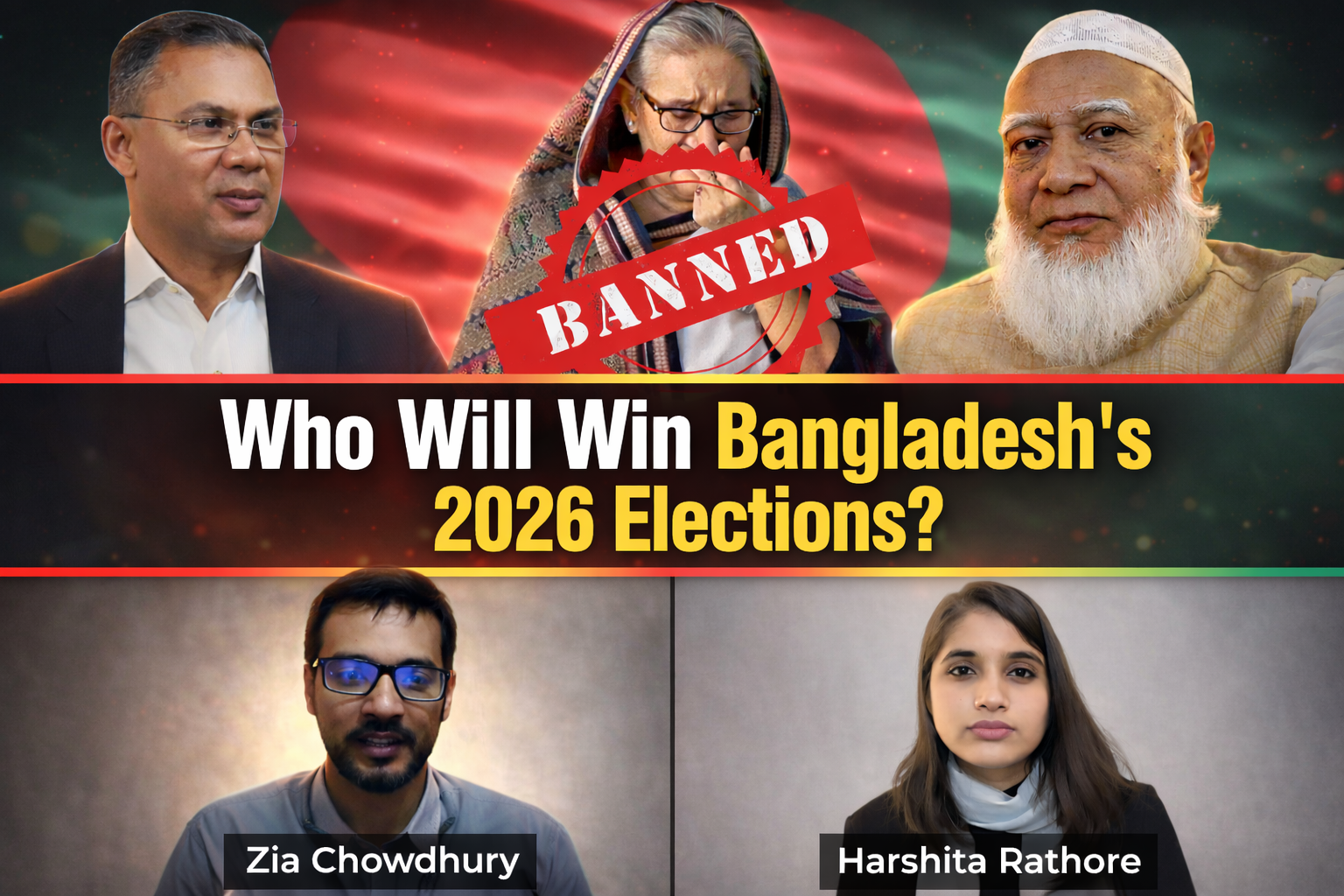
Bangladesh Elections 2026 | Issues, Fears and Islamic Radicalisation
On 12 February 2026, the country will vote in its first national parliamentary election since the July 2024 student protests, which began over government job quotas and quickly escalated into a nationwide movement demanding political change. The unrest ultimately led to the ouster of Prime Minister Sheikh Hasina after 15 years in power and the formation of an interim government under Nobel laureate Muhammad Yunus. This election is being closely watched not just within Bangladesh, but across South Asia and beyond.
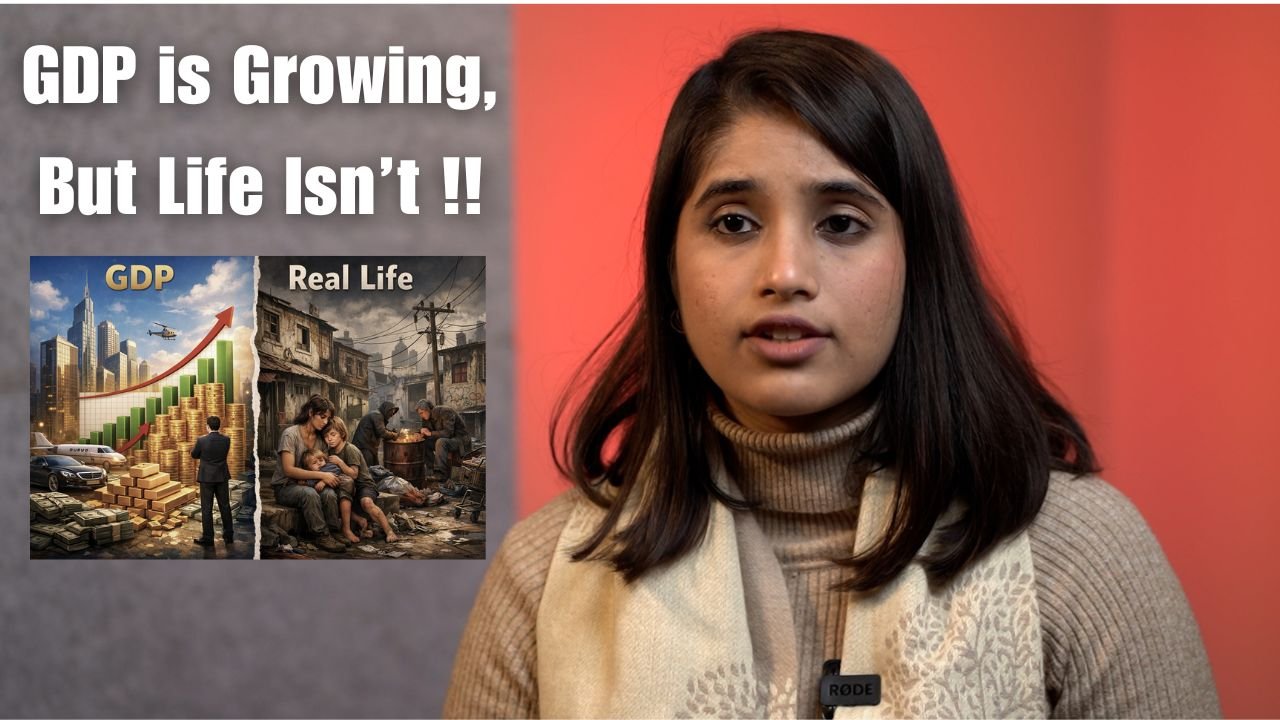
What GDP, Rankings & Statistics Don’t Tell You About Real Life
Governments often point to rising GDP, higher per capita income, and global rankings to claim that the economy is doing well. But do these numbers actually reflect how ordinary people live? If GDP grows by five percent, does life really improve by five percent for everyone? In this episode of We the People, we look beyond headline statistics to understand what economic “growth” truly means for people on the ground. Using simple examples—from wages and employment to gig work, nutrition, and cost of living—this video explains why commonly used economic yardsticks can be misleading.
Rights Are Recognised, Not Granted
In this episode of We the People, Surabhi Singh breaks down a powerful but often misunderstood idea: rights are recognised, not granted. Using everyday examples and insights from political philosophy and constitutional law, this video explains why freedoms like speech, conscience, equality, and dignity don’t come from the state — they belong to us simply because we are human.
A Country Can't Grow Without Dignity of Labour
Surabhi Singh explains why the dignity of labour is not just a moral idea, but an economic necessity. From caste and class hierarchies in India to global examples like Germany’s vocational education system, this video explores how respect, fair wages, and legal protection shape productivity, skill-building, and economic growth. Drawing on ideas from thinkers like Émile Durkheim, George Akerlof, Gary Becker, and Dr B. R. Ambedkar, this explainer shows how undervaluing manual and skilled labour weakens economies.
How Governments Use Law to Take Away Your Rights
In democracies, we expect rights to disappear loudly — through bans, crackdowns, or open repression. But in reality, freedom is often taken away quietly, through laws, procedures, and paperwork.
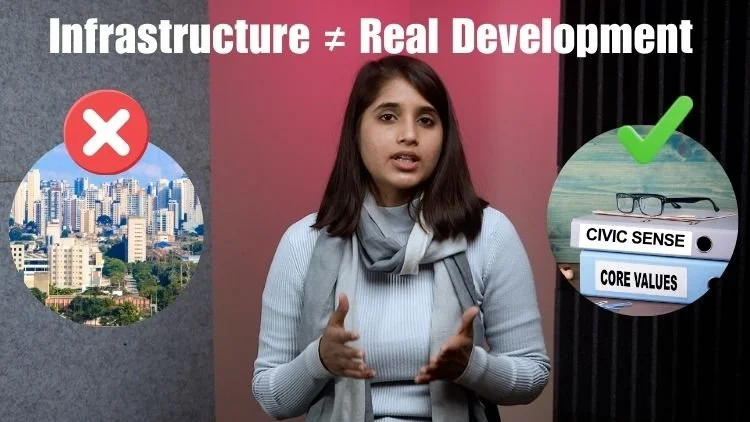
Know the Real Meaning of Development Beyond Roads and Buildings
When we think of development or vikas, we often picture highways, airports, metros, and tall buildings. But do these visible symbols really tell us how well a country is doing? In this explainer, Newsreel Asia looks beyond concrete and steel to ask a deeper question: does development only mean infrastructure, or does it also mean freedom, trust, and dignity? Drawing on ideas from thinkers like Amartya Sen, Robert Putnam, and Douglass North, this video explores why real progress is about expanding people’s choices and improving the quality of public life.
You Can Care About Politics Without Supporting a Party
Political engagement is not the same as political loyalty. Yet in today’s hyper-polarised world, many of us confuse supporting democracy with supporting a political party. In this episode of Newsreel Asia’s Explainer Series, Harshita Rathore breaks down what political engagement really means—and why being politically aware does not require blind loyalty to any party or ideology.
How Government Distracts you from Important Issues
Why does bad governance continue even when problems are clearly visible all around us? In this episode, Newsreel Asia producer Surabhi Singh breaks down how distraction politics allows those in power to escape accountability. From unemployment, healthcare failures, and broken public services to culture wars, identity politics, and manufactured controversies, this video explains how attention is deliberately shifted away from real governance issues.
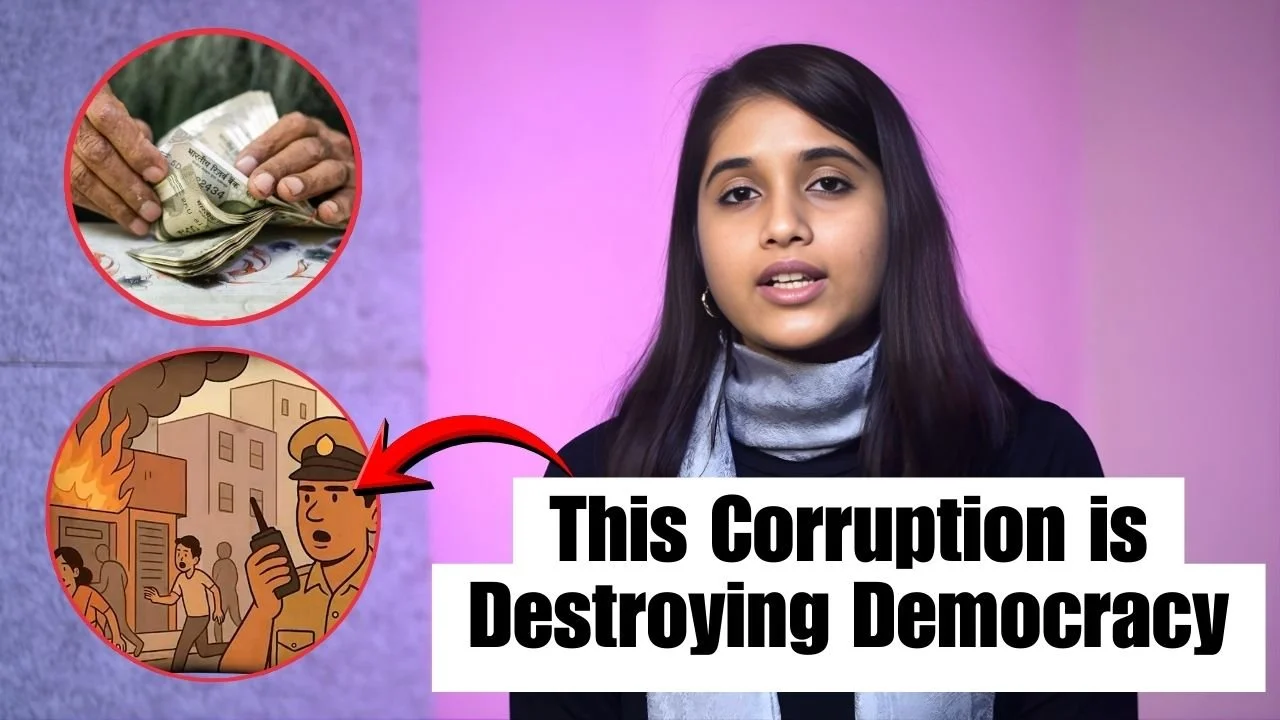
You’re Not Aware of This Corruption — It’s Not About Money
Corruption is often imagined as bribes, cash-filled envelopes, or stolen public funds. But today, scholars, legal experts, and real-world events are forcing us to rethink this definition. Corruption is no longer just about money — it also includes deliberate inaction, selective enforcement, and the betrayal of public duty. In this explainer, we unpack how a new idea has quietly entered the meaning of corruption and why it matters for every citizen.
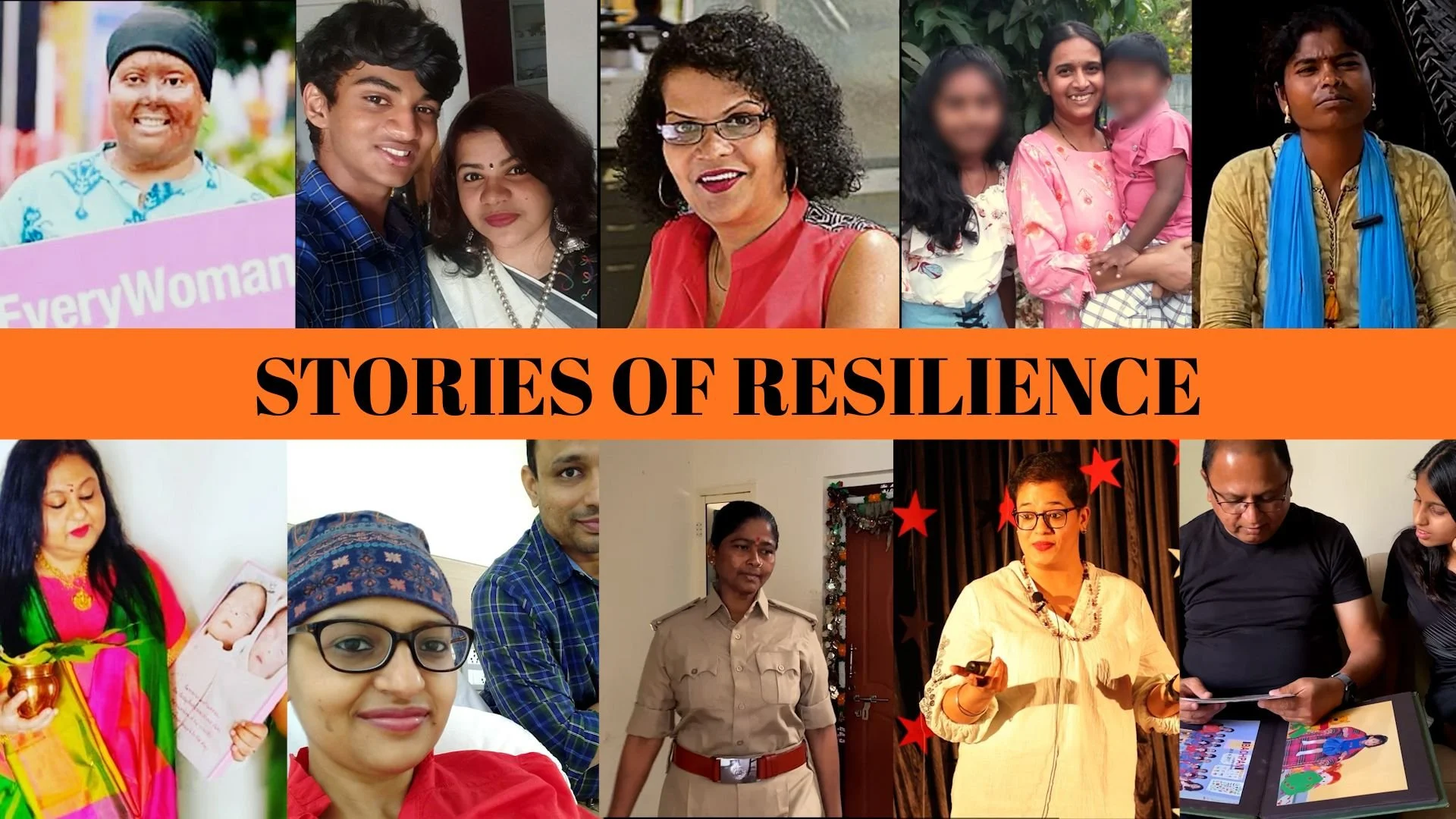
What These 10 Powerful Stories Teach about Resilience
This video is a powerful summary of Stories of Resilience — featuring an acid attack survivor, a cancer fighter, a bipolar disorder survivor, a single father, a trans woman reclaiming dignity, a domestic abuse survivor, a woman freed from bonded labour, a mother who rebuilt life after loss, a widow raising her child alone, and Bengaluru’s first woman BMTC driver.
Ten lives. Ten journeys.
One message: resilience.
Watch to get inspired and find strength against all odds.

Is India’s RTI Under Threat? DPDP Act 2023 Explained
India’s new Digital Personal Data Protection Act, 2023 (DPDP 2023), is reshaping the landscape of transparency and accountability—especially when it comes to the Right to Information (RTI). While the law promises stronger privacy protections, it also gives government offices sweeping power to reject RTI requests by simply categorising information as “personal data.” This shift could make it even harder for activists and journalists to expose corruption, investigate misuse of public funds, or track the implementation of welfare schemes.
In this episode, Gunjan Handa speaks with RTI activist Amrita Johri to unpack what the DPDP Act truly means for citizens, democracy, and the future of transparency in India. Together, they explore how privacy—meant to empower citizens—could instead become a tool for government secrecy, and why this raises serious concerns about holding those in power accountable.
Watch to understand the risks, loopholes, and realities of India’s first full-fledged data protection law—and what it could cost our democracy.

What's REALLY Driving Your Voting Decisions in Elections?
What are elections really for? Every election season turns into a spectacle — banners, slogans, TV debates, strategy talk, poll math. But beneath all the noise, we often forget the core purpose of voting in a democracy. This film takes you beyond the drama and deep into the true meaning of elections. It asks a simple but powerful question: Are we choosing performers… or public servants?