By Tej Bahadur
27 November 2026
“I didn't want to get married. So I ran away from home. Now my parents have disowned me.” After saying this, Purbita, whose name has been changed to protect her identity, falls silent for a long moment. Purbita is a survivor of child marriage. She left her home after learning that her family had arranged her marriage when she was just 17 years old. Purbita lives in a women's shelter home in Tripura's Gomati district, a northeastern Indian state. She grew up in the state and comes from a family where earning enough for the next meal often took priority over everything else.
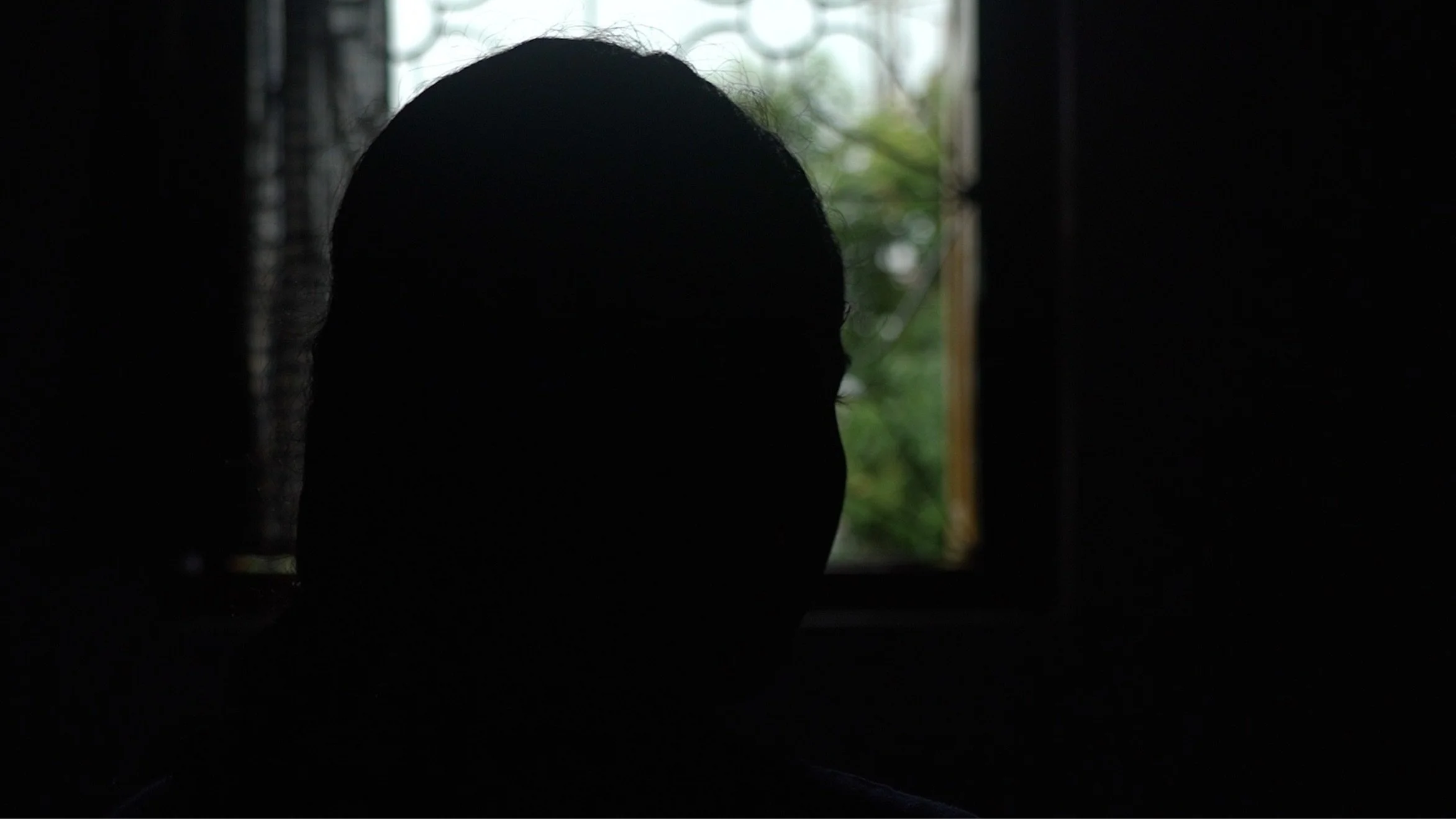
Purbita, whose name has been changed to protect her identity, was 17 when she left home to avoid a marriage her family had arranged. She now lives in a women’s shelter in Tripura’s Gomati district.
Currently, Purbita is sharing a room in the shelter with another child marriage survivor. Her school shoes are lying in front of the door. Clothes are hanging from the walls. Her school uniform hangs neatly behind the door. A few textbooks lie stacked beside her bed.
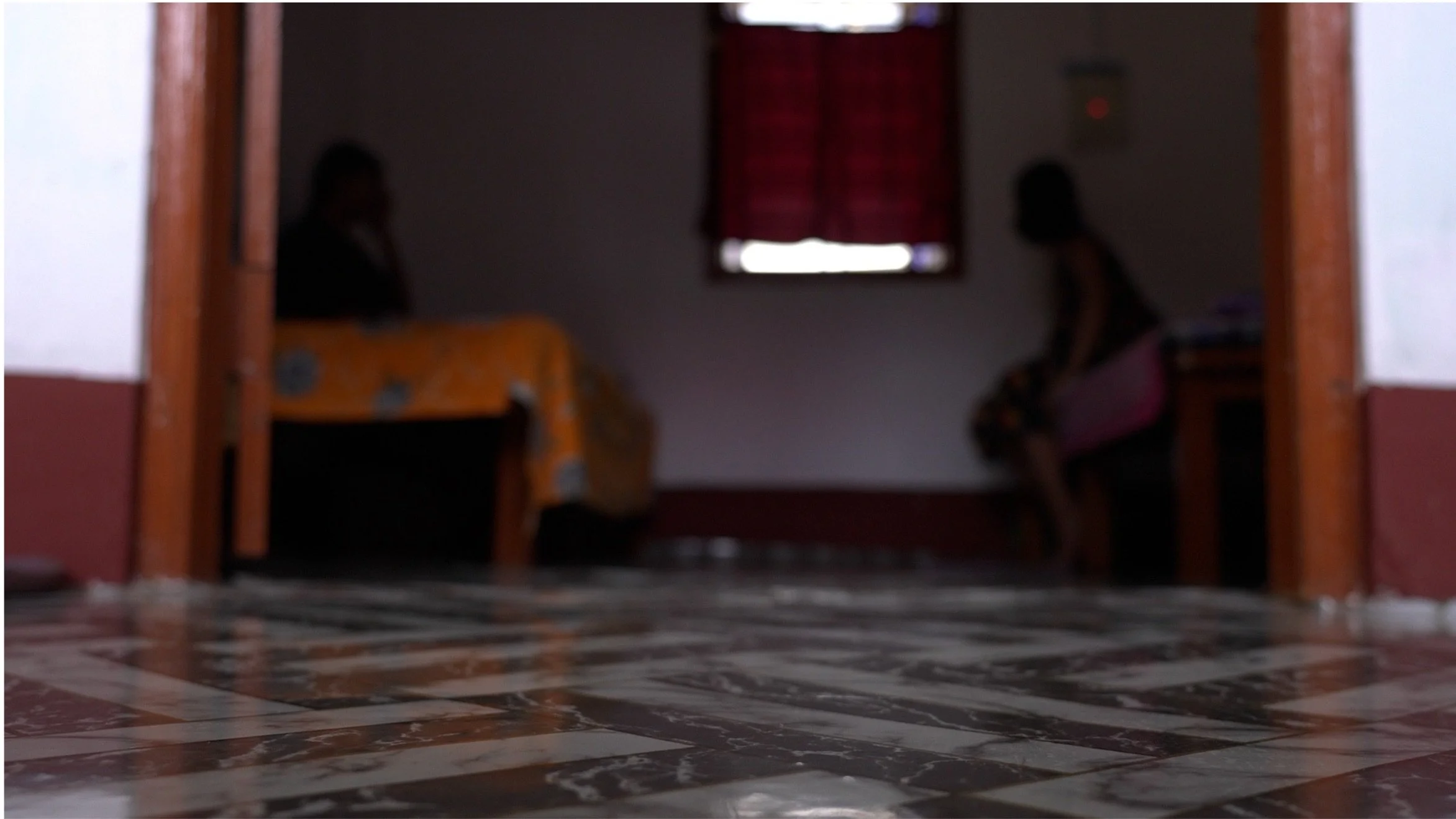
Purbita and her roommate sit across from each other in the room they share at a women’s shelter in Tripura’s Gomati district. Both are survivors of child marriage.
ONE IN THREE WOMEN MARRIED BEFORE 18 IN TRIPURA
Tripura is dealing with the serious issue of child marriage. Thousands of girls in Tripura are facing similar pressures. Many are married before turning eighteen. Many leave school early. Some become pregnant or mothers while still in their teens. According to the National Family Health Survey-6 (NFHS-6), about one in three women aged 20-24 in Tripura were married before they turned 18. That means about 34% of women in this age group were married before the legal age of 18. Among northeastern Indian states, Tripura records the highest rate of child marriage. The Tripura government also claims that a high number of child marriages have been prevented. According to recent government data, nearly 10,000 child marriages were prevented across the state during the 2025-2026 financial year. However, the government does not have exact data on child marriages that actually occurred. That also shows the scale of the problem. These figures raise further questions about child marriage in the state and how much of the problem is being captured in official data.
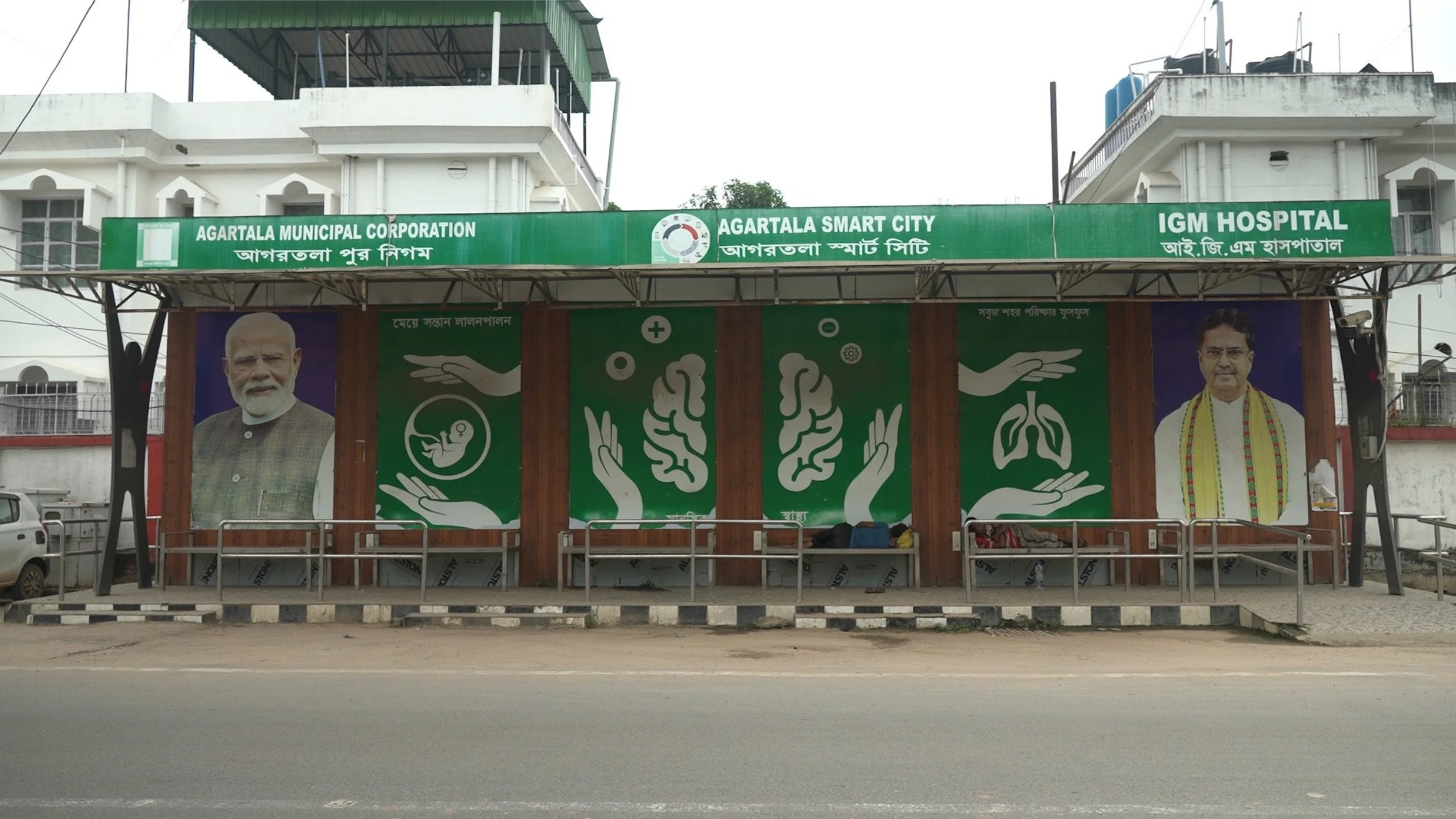
Health messages line a roadside shelter by IGM Hospital in Agartala, Tripura. About one in three women aged 20 to 24 in the state married before turning 18, according to the sixth National Family Health Survey.
THE DREAM OF BECOMING A POLICE OFFICER
Purbita has settled into this life of shelter home. But It was not always this way. Until recently, she lived with her family in Udaipur, a town in Gomati district of Tripura. She went to school every day, played with her younger sister and lived the sort of life many girls her age would recognise. Her family survived on the income her father earned through masonry work, while her mother occasionally worked as a labourer when needed.Purbita loved studying and never needed to be forced to attend school. As a child, she dreamed of becoming a police officer because she wanted to help people. “I really like police work,” she says. “As a police officer, you can help people in many ways. That is what attracted me.” At the time, she had no idea that one day she would need the police's help herself.
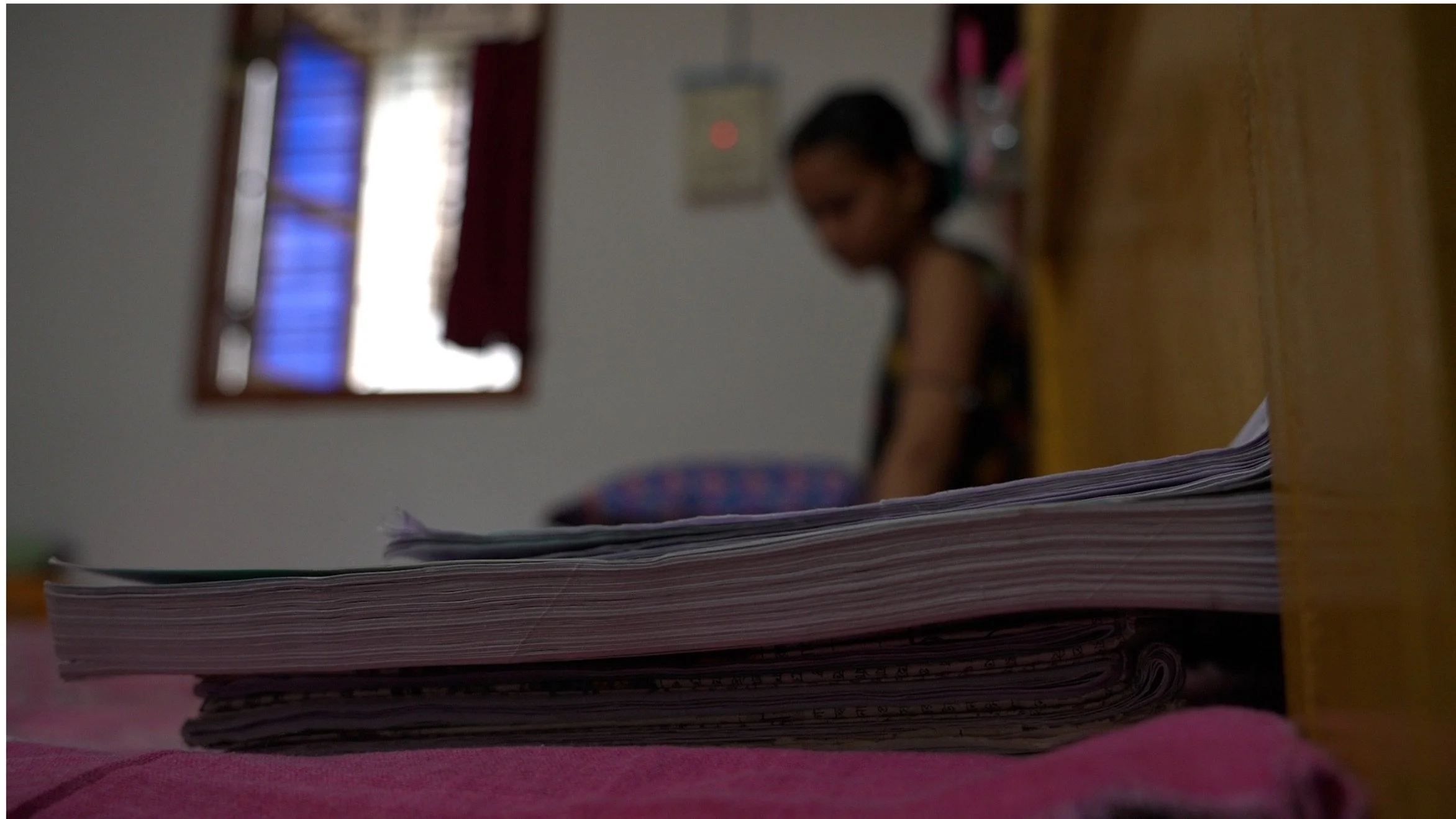
Purbita’s schoolbooks lie beside her bed at a women’s shelter in Tripura’s Gomati district. As a child, she dreamed of becoming a police officer. “As a police officer, you can help people in many ways,” she says.
THE QUESTION OF MARRIAGE BEFORE 18
Even then, life was far from easy.
“As far as I understood, my parents were quite strict,” she says. “Like many parents.”
As Purbita grew older, the atmosphere at home began to change. She says her family wanted her to marry early. She cannot remember exactly how old she was when the conversations began, but recalls that by the time she was in Class 8 or 9, pressure to marry had already entered her life. Looking towards the books stacked near her bed, she says, “My family wanted me to stop studying after Class 10. But I wanted to continue. I fought with them and studied until Class 11 against their wishes. I had even secured admission to Class 12.” The expectations surrounding girls in her family and community followed a familiar pattern. Education often gave way to marriage. For Purbita, those expectations were no longer distant possibilities. They were becoming immediate. “My family wanted me to marry early,” she says. “I wanted to study, get a job and achieve my dream first. But my parents would say, ‘Do whatever you want after going to your husband's house.’ They believed a girl's real home was her husband's home and that daughters should eventually be sent away through marriage.”
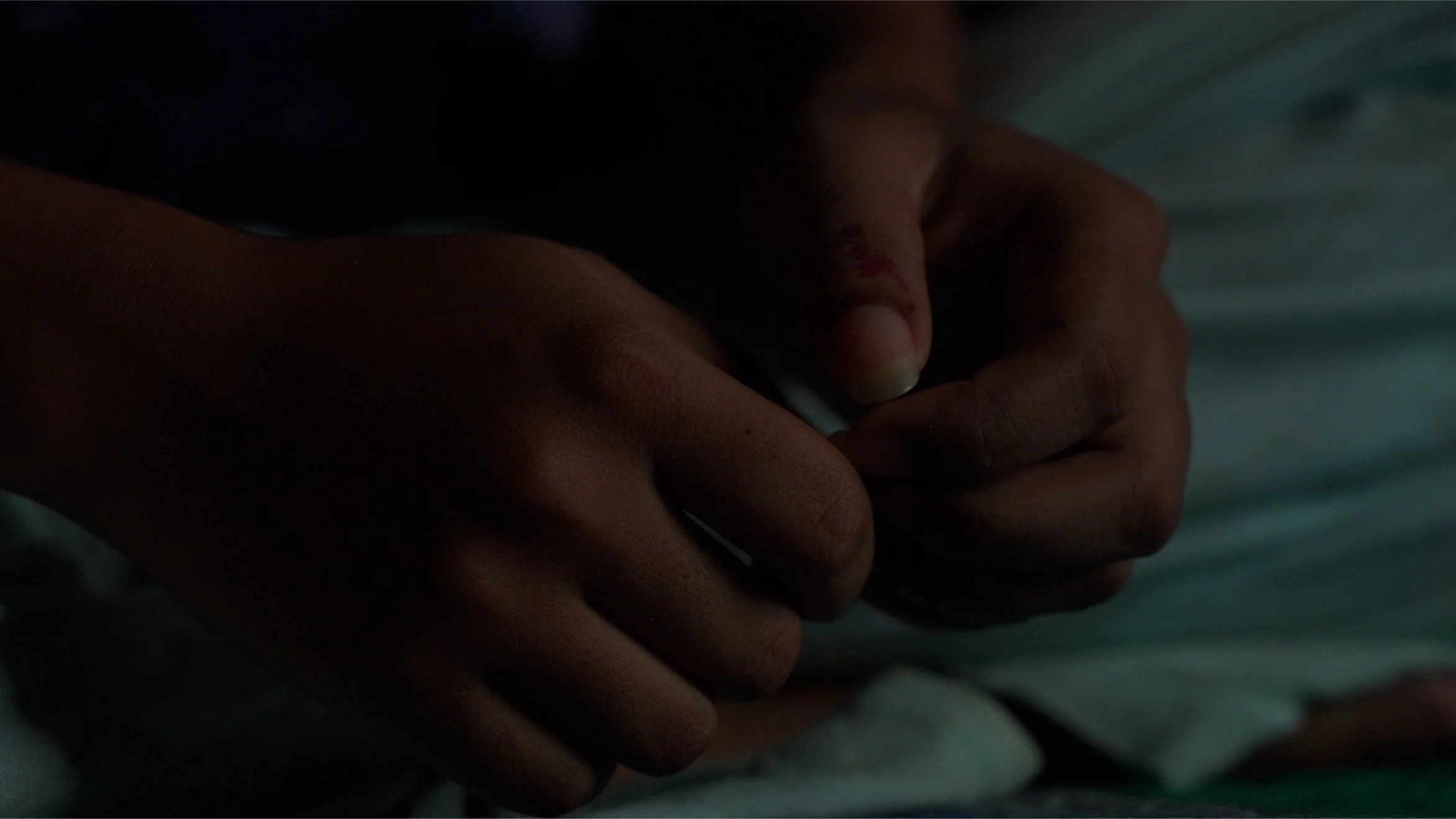
Purbita rests her hands in her lap at a women’s shelter in Tripura. She says her family wanted her to leave school after Class 10 and marry. She kept studying and earned a place in Class 12.
FROM NORTHERN TO NORTHEASTERN INDIA
The expectations Purbita encountered are not limited to her family. Ideas that place marriage at the centre of a girl's future continue to influence decisions in many parts of India, including Tripura. Among northeastern Indian states, Tripura records the highest rate of child marriage. Across India, Tripura ranks third, after West Bengal (36.4%) and Bihar (34.6%). This is well above the national average of 20.1%. For girls like Purbita, the consequences can be significant. Educational opportunities may disappear, ambitions can become harder to pursue, and choices about the future may narrow. Something similar happened in her life.
THE CONTINUING PRESSURE TO GET MARRIED
Purbita’s family and relatives expected her to accept a match chosen for her. “As I grew older, the pressure kept increasing, Purbita says, looking down at her folded fingers. When she was 17 and in Class 11, another marriage proposal came. Her family had received proposals before, but this time they became determined to make her agree. When she refused, they began forcing her, beating her and repeatedly asking whether the boy should be called to a temple or whether they should go to his house for the wedding. "I stayed silent because anything I said could lead to more violence. They also knew what they were doing could create trouble because they knew I was underage,” she said. She says photographs of her were sent to prospective grooms without her knowledge.“Many times, I didn't even know that the people sitting in front of me had come to see me for marriage,” she says. “My parents would tell them I had agreed and I knew nothing about it.”
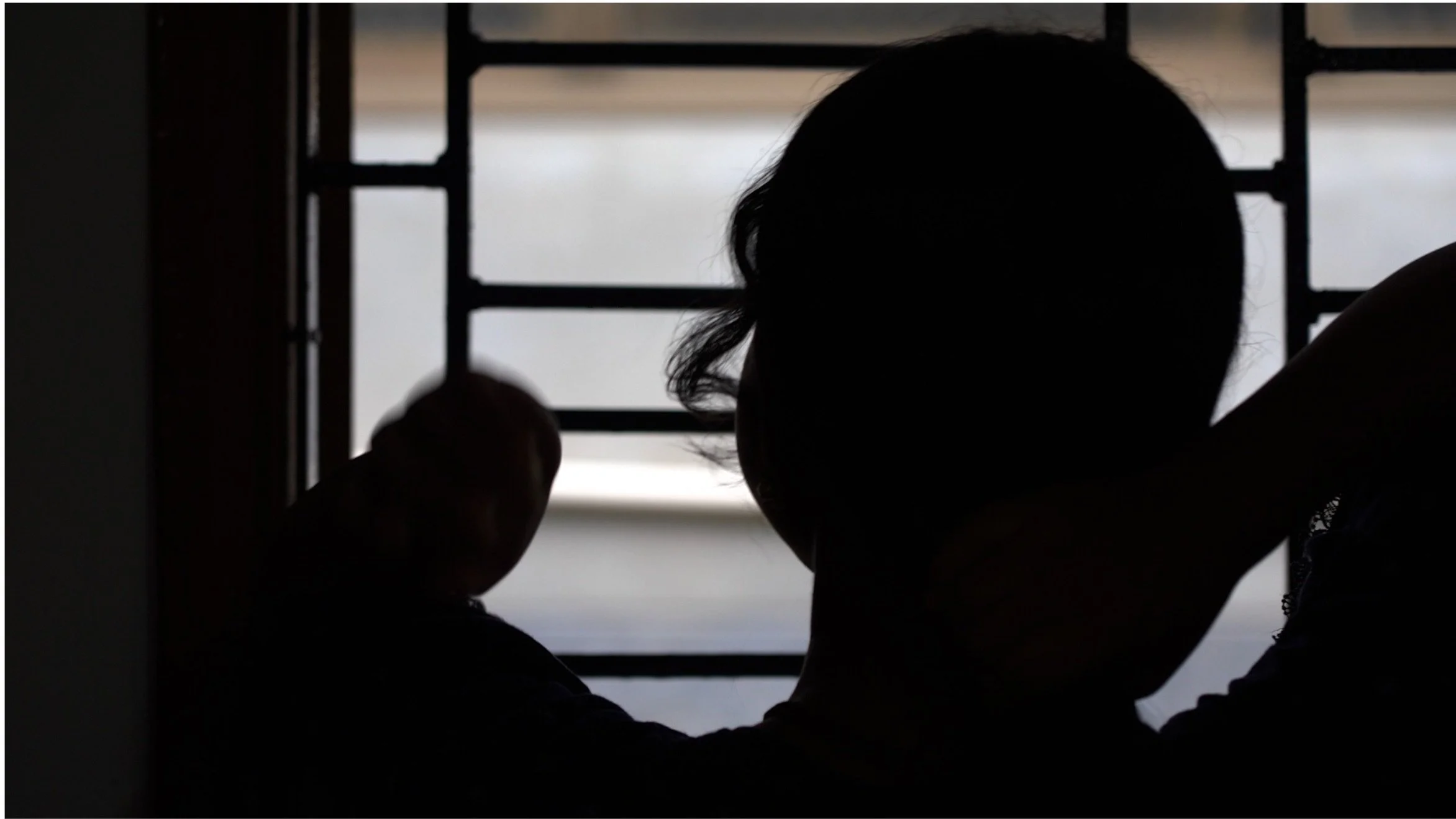
Purbita is silhouetted against a window at a women’s shelter in Tripura. She says she was 17 and in Class 11 when her family beat her for refusing a marriage proposal.
LEAVING HOME BEHIND
Her family had already planned to marry her before she turned eighteen. As the pressure became unbearable, Purbita decided one day before leaving for tuition that she would not return home. She wanted to complete her education and pursue her dreams, even if it meant leaving home.
Leaving behind the home where she had spent her childhood was not an easy decision. She says she repeatedly tried to persuade her parents to cancel the marriage plans. But nothing has changed.
Eventually, she felt she had no other option. Purbita left for tuition one day and never returned.
“I walked out after class without telling anyone,” she recalls. “I was afraid people around me would ask questions if I stayed there. I had some money with me. I paid a driver and travelled some distance away. Then I borrowed a phone from a man standing nearby and called 1098, the child helpline number. People from the Child Welfare Committee came and took me to a One Stop Centre. They called my parents, but they refused to come. Later, when they arrived for paperwork, they signed the documents and disowned me.”
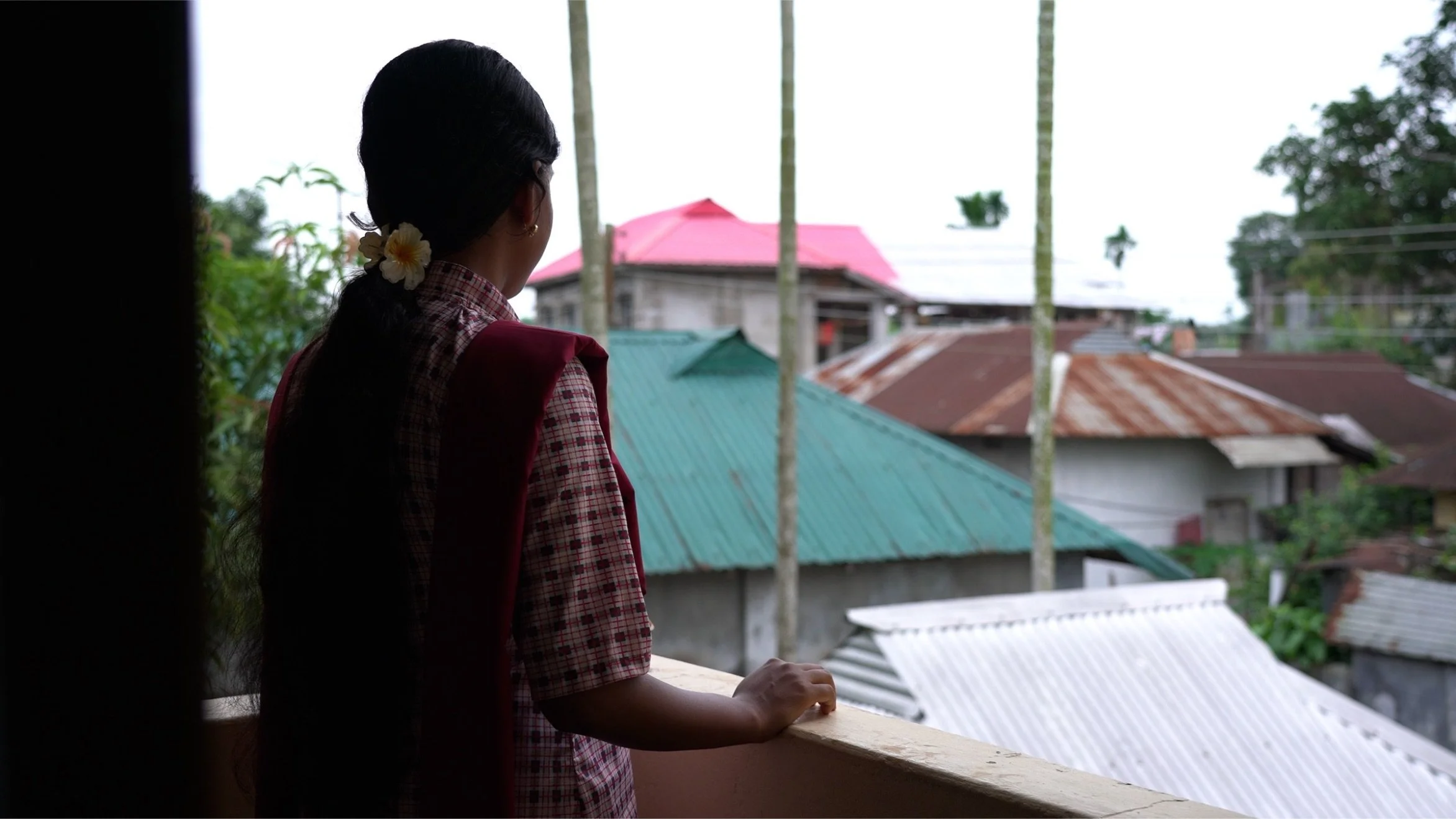
In her school uniform, Purbita looks out over the rooftops in Tripura. She was 17 when she left home to avoid a marriage her family had arranged. After class that day, she borrowed a phone and called the child helpline.
THE STRUGGLE FOR CONTROL OVER HER OWN LIFE
Running away was about far more than avoiding an early marriage. It was a struggle for control over her own life.
Her voice grows heavy as she speaks. She pauses several times before continuing. “My parents didn't want to take me back,” she says. “They told the Child Welfare Committee that I was no longer their daughter. They said, 'She came to you, so you keep her.' Hearing that was difficult. But leaving home felt like the only path left to me.”Purbita is like many other girls. She has dreams. She wants to continue her education and build a better future. But she had to leave her home. She did not leave her home by choice. She was forced into a difficult decision to escape child marriage.
Today, she lives in a women’s shelter home called Shakti Sadan in Tripura. “My parents are not here,” she says. “But other people are. I have friends now.”
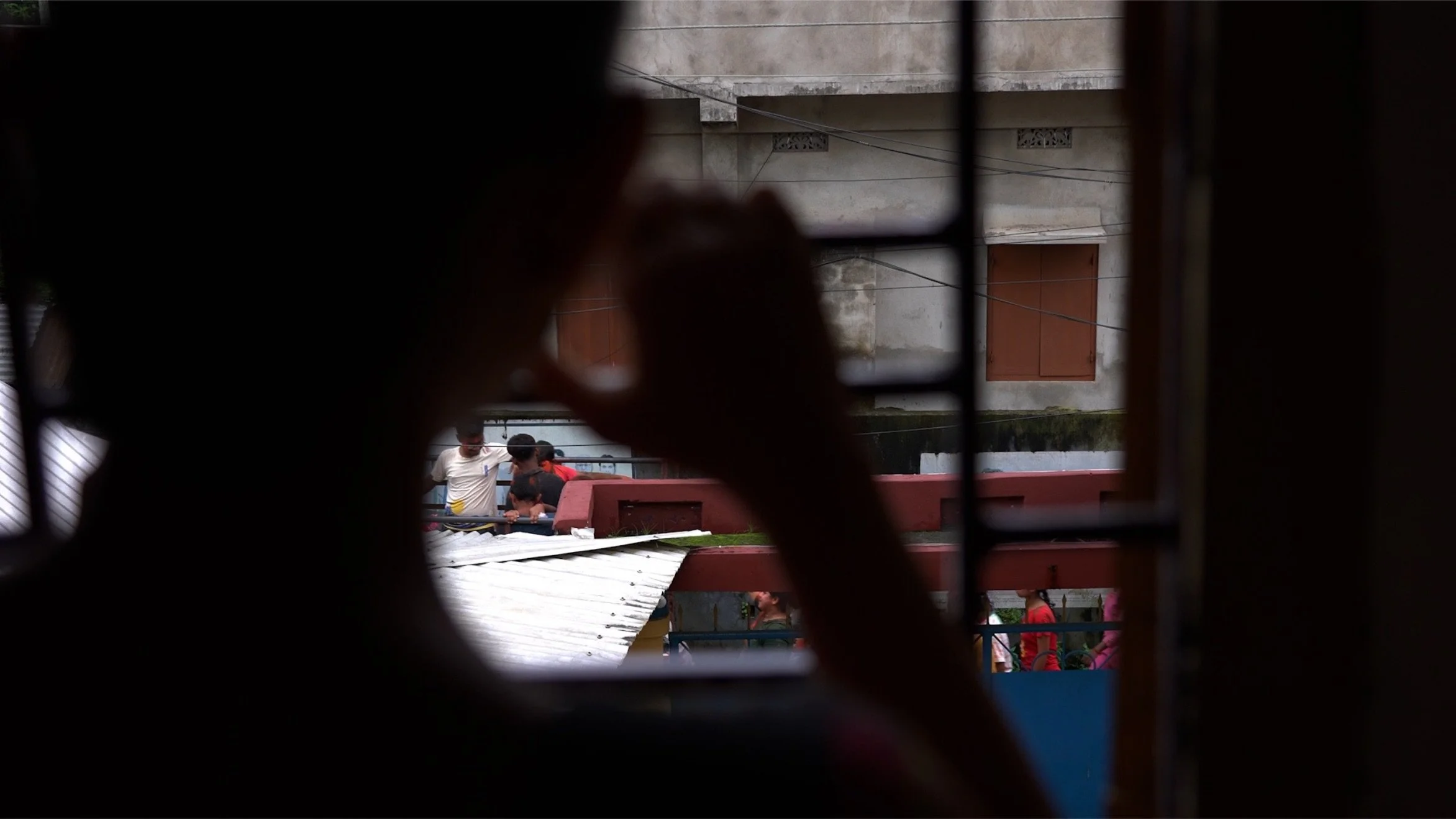
From a window at a women’s shelter in Tripura, Purbita watches people prepare for a wedding nearby.
A LARGER ISSUE IN THE STATE FOR YEARS
The path that led Purbita to a shelter home had started long before she left her village. Her story raised a larger question. If girls were willing to leave their families, homes and communities to avoid marriage, what was pushing them to such decisions? Through our initial research for this story, Newsreel Asia found that beyond these numbers, there is something more serious. This issue is not as simple as it appears.Through our conversations with child marriage survivors, we found that Purbita's story is not an isolated case.To understand what was happening beyond individual cases, Newsreel Asia spoke with Fulan Bhattacharya, a women's rights activist who has worked with women and girls in Tripura for many years. She runs two Shakti Sadans in the state, where survivors of child marriage and other vulnerable women take safe and secure shelter.For Fulan, child marriage is not an isolated problem.
“If you allow any woman to live with dignity, you are allowing her to enjoy her rights,” she says. “Child marriage is not new. It is common in our country. There are government laws and constitutional rights. Even so, it continues.”She says Tripura has struggled with the same issue for years. “It is a very small state with a population of more than 40 lakh people. In some communities, there is still a preference to marry daughters at a young age,” she says. “If you read local newspapers, you will regularly find reports about parents or guardians trying to marry off underage girls.”
The consequences, she argues, extend far beyond the wedding itself.
To make that point, Fulan recalls a remark made by Tripura's Social Welfare Minister, who publicly referred to child marriage as a “cancer” in society.
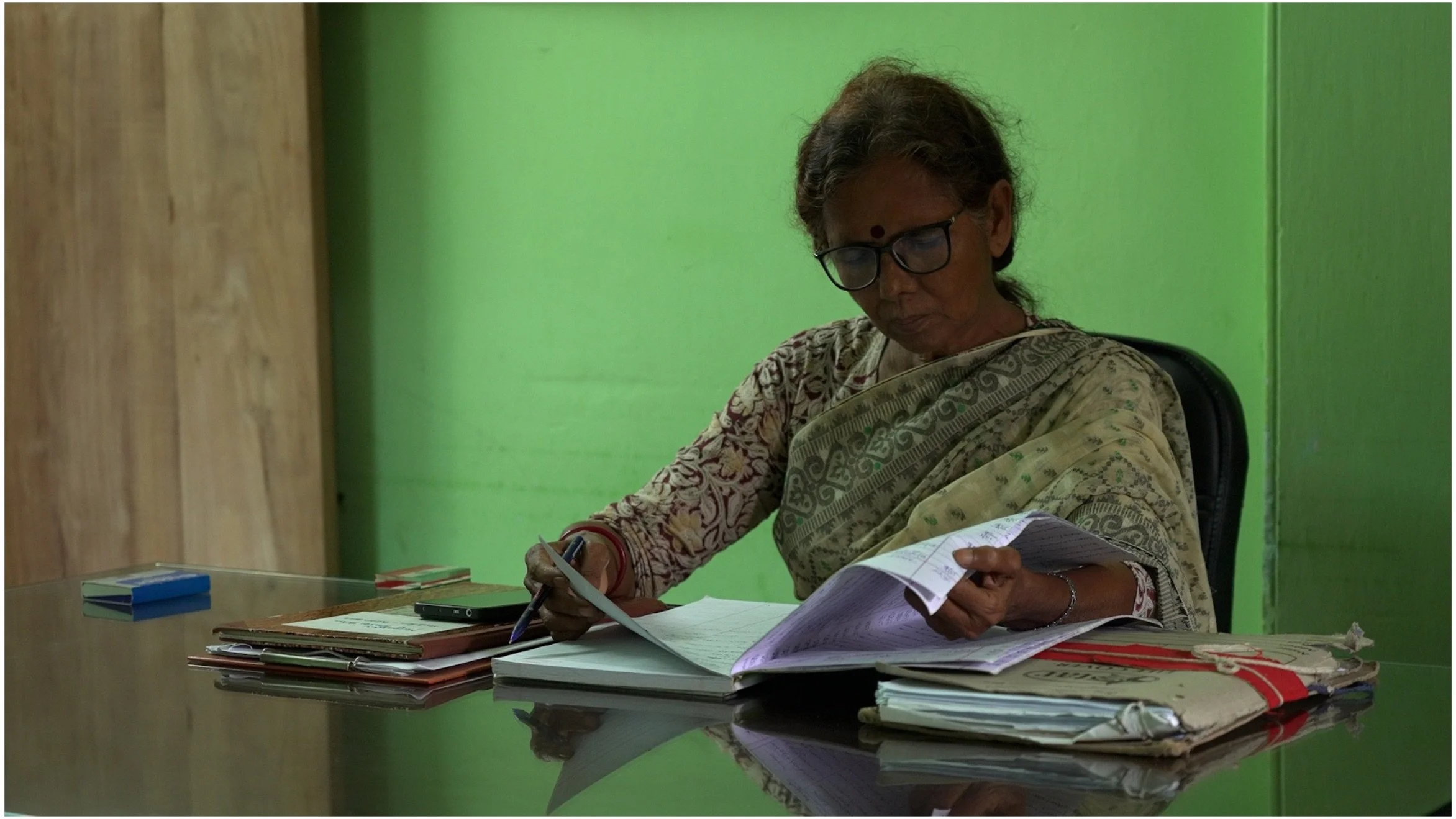
Fulan Bhattacharya, a women’s rights activist, reviews paperwork in her office in Tripura. She runs two Shakti Sadan shelters in the state for women and girls, including survivors of child marriage.
A LARGER PATTERN BEHIND THE CASES
Fulan’s assessment echoes what Purbita experienced. The teenager's story may feel deeply personal, but Fulan says it fits a pattern she has encountered repeatedly while working with girls from different parts of the state.
When asked why child marriage continues, Fulan points first to concerns around safety and survival.
“In Tripura, security is one reason families give,” she says. “Many mothers work outside the home. Their daughters remain alone for long periods. When you ask why they want to arrange a marriage for a girl who is only 13 or 14, they often give the same answer. They say they have to work and earn. They cannot stay home. They feel they cannot ensure her safety.”
In those circumstances, marriage becomes a coping mechanism for families struggling with insecurity and poverty.
LINKS TO TRAFFICKING NETWORKS
Fulan says another trend has emerged in some cases. She has encountered situations where families accepted money and arranged marriages between teenage girls and much older men. She says, “Sometimes mothers take money. They arrange the marriage of a 15-16 year old girl to a much older man. This kind of marriage never happens. And the family will never trace where the girl has gone.” According to Fulan, some of these marriages have links to trafficking networks.“The man may be older than her father,” she says. “In our society, we have never seen an elderly man marry a young girl. We have not seen such cases earlier. Now they are appearing, and trafficking is part of that conversation.”
BEYOND PARENTAL DECISIONS
According to Purbita, her parents often linked marriage to the family's financial hardship. They believed they could no longer support her and also had to care for her younger sister. She says they could still have allowed her to continue studying for a few more years. But Fulan’s account points to a problem that extends beyond parental decisions alone. Poverty, educational access and economic insecurity frequently appear in the stories she hears. “When a girl leaves school, where does she come from?” Fulan asks. “She often comes from a family that cannot afford further education or the rising cost of studies.” Those pressures can narrow a girl's options long before marriage discussions begin. “If you look closely at these cases, you will find a connection between school dropout and child marriage,” she says. “Poverty also plays a major role.” Several of Purbita's own friends were married soon after completing Class 10, even though they wanted to continue their education. The available data also points in a similar direction. According to NFHS-6, in Tripura, only 32.9% of women aged 15–49 have completed 10 or more years of schooling. This means only about one in three women in this age group completed 10 or more years of schooling. Roughly 67 out of every 100 women did not complete 10 years of schooling. At the same time, the state government claims a secondary-school dropout rate of 10.4%. So if the state government claims a dropout rate of 10.4%, which does not include a gender breakdown, why are so many girls still not completing their education? And why are one in three, around 34% of young women, married before the age of 18? Then there is another concern. About 18% of girls aged 15–19 in Tripura are already mothers or pregnant. These numbers again raise an important question. What happens to a girl's education after marriage and pregnancy? Are girls leaving school because they are getting married and becoming mothers while still in their teens?
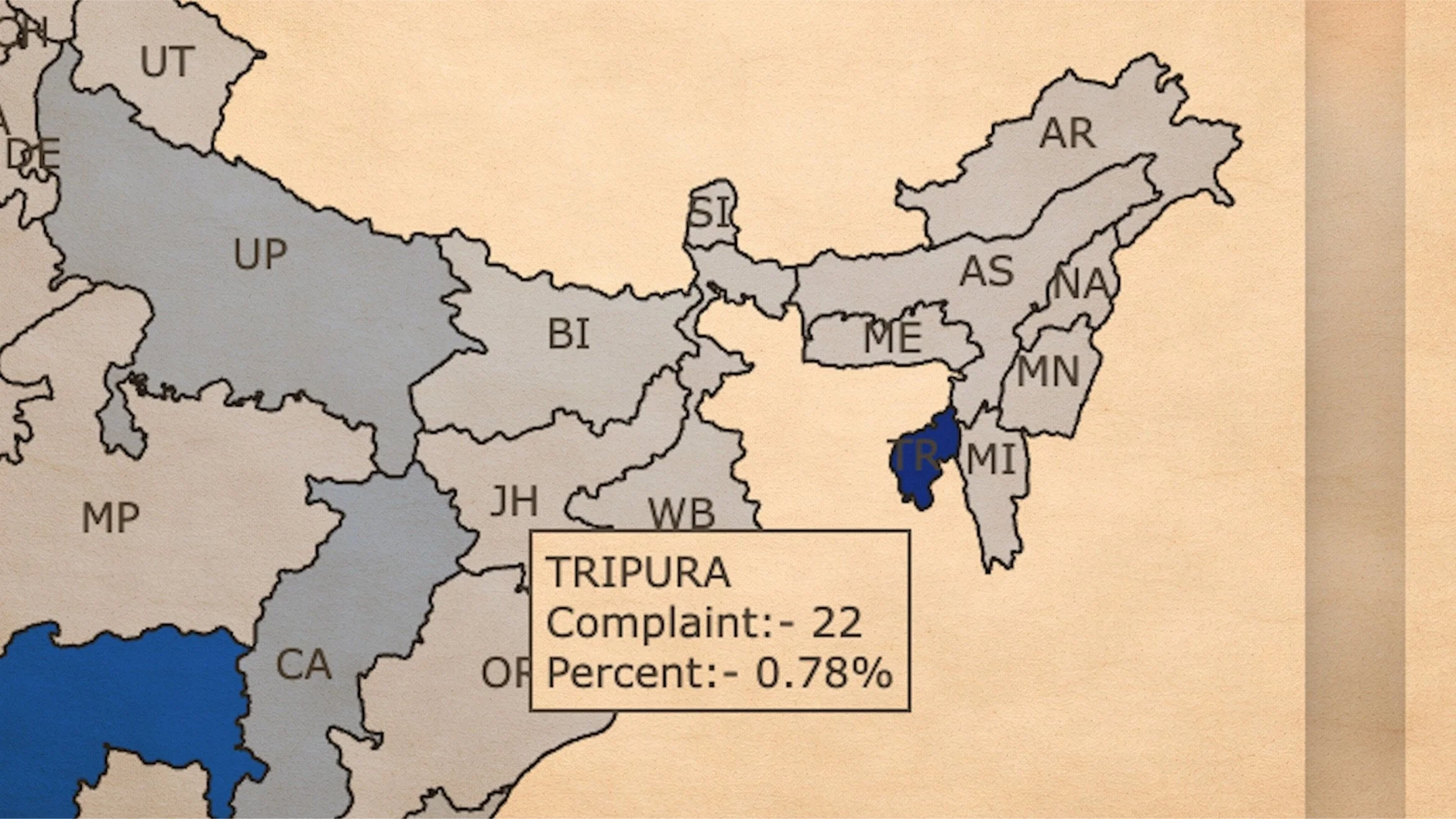
Tripura is highlighted in dark blue on the map of northeastern India. In the state, about one in three women aged 15 to 49 had completed at least 10 years of schooling, according to the sixth National Family Health Survey.
THE ROLE OF SCHOOL DROP-OUTS AND POVERTY
According to UNICEF's child marriage analysis, ‘Ending Child Marriage: A Profile of Progress in India’, child brides face challenges in continuing their education. Fewer than 2 in 10 married girls remain in school, and the vast majority of young women who married during childhood gave birth before they completed adolescence. On the other hand, poverty also plays a role. UNICEF's analysis states that girls from poorer households, rural areas, and those with little or no education face a greater risk of child marriage. For girls like Purbita, these figures carry consequences that reach far beyond a wedding ceremony. They can mean leaving school, losing opportunities and having little say over decisions that affect the rest of their lives. Purbita had the opportunity to leave home and seek help. Many girls facing child marriage may not get the same opportunity.
THE QUESTION OF RESPONSIBILITY AND THE PREVENTION NUMBERS
The Tripura government says it is taking strong action against child marriage. But the prevention data it has released creates confusion and raises questions.In February 2026, the Social Welfare and Social Education Department of Tripura said 723 child marriages had been prevented between April and December 2025. Four months later, in June, Social Welfare and Social Education Minister Tinku Roy said that 9,982 child marriages had been prevented during the entire 2025–26 financial year. That means more than 9,000 additional preventions were reported during the remaining three months of the financial year. The figures are difficult to reconcile. Why did the number increase so dramatically in the last three months of the financial year? Was there a change in how these cases were counted or reported? This raises a serious question about the reliability of the child marriage prevention data given by the state government. If the government is reporting nearly 10,000 prevented child marriages, what do these numbers actually tell us about the scale of child marriage in Tripura? At the same time, the government says it does not have exact data on how many child marriages actually took place. So how can it give such a precise figure for the marriages it claims to have prevented? To get answers to these questions, Newsreel Asia tried to speak with Asmita Banik, Chairperson of the Child Welfare Committee in West Tripura. She initially agreed to an interview, but later did not provide a time and stopped responding to our calls and messages.
THE UNDERREPORTED NUMBERS
Fulan Bhattacharya, however, points to another possible reason for the gap in the figures. She believes many child marriage cases in Tripura may never reach the official records. “Lots of cases are underreported. If rape cases are underreported, how can we expect all child marriage cases to be reported?” she says.She questions who would report such cases when the marriage takes place within a family or community. She asks, “Who will report them? This kind of crime cannot be addressed if the police encourage underreporting. The police just want to show that the number of cases is coming down.”Fulan says some cases may be handled informally instead of being formally registered."That is why they are more interested in not registering the case and handling it at their own level. It is possible that it is underreported,” she added
LOOKING BEYOND THE NUMBERS
Newsreel Asia wanted to look beyond the numbers and understand what happens on the ground after a child marriage is reported. We reached out to officials in the Social Welfare and Social Education Department and the district administration offices of Tripura. One officer who is closely monitoring child marriage cases agreed to speak on the condition of anonymity.He explained what happens after a girl, or someone on her behalf, contacts a helpline to report a child marriage. He also pointed to several loopholes in the system.
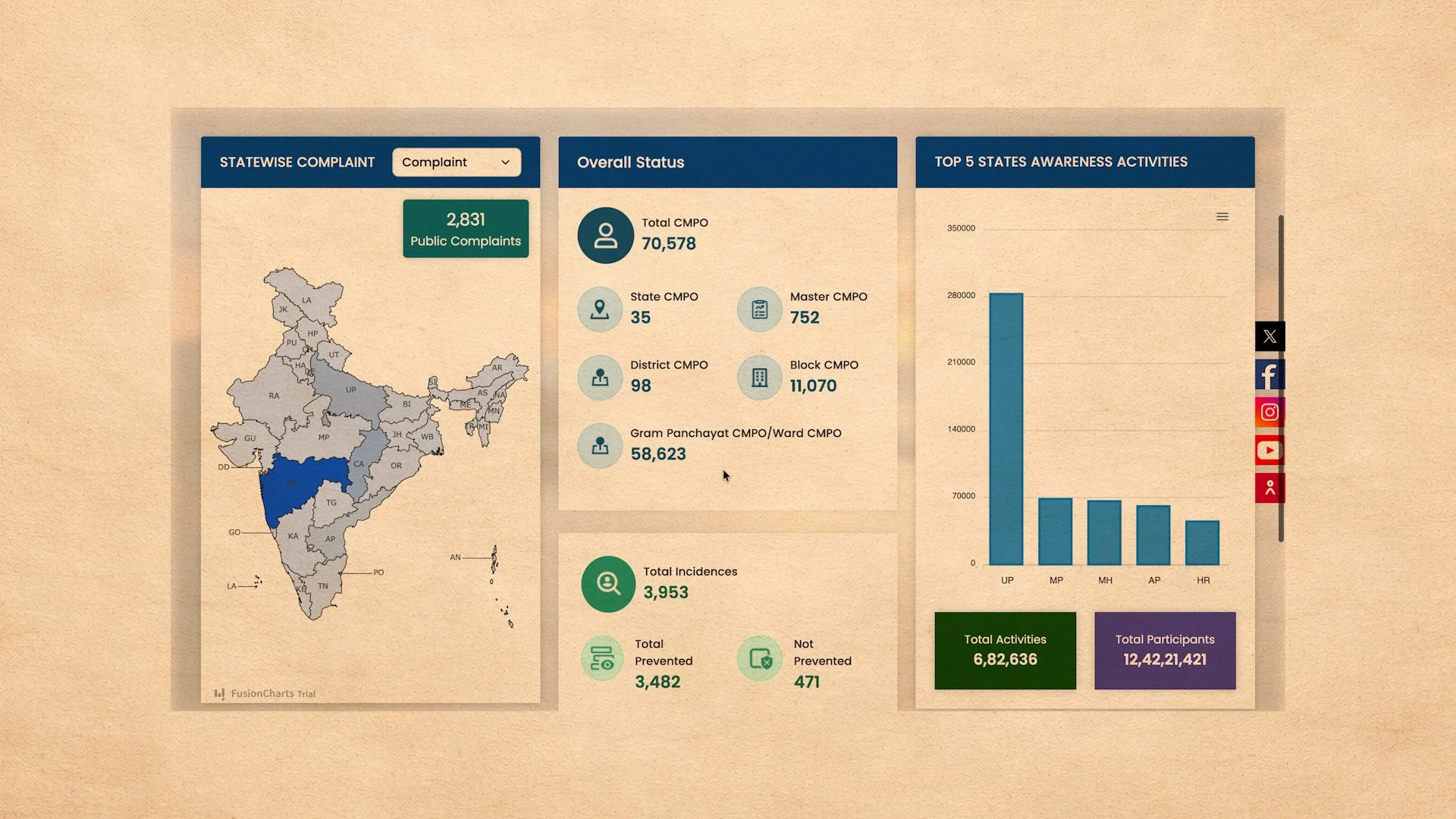
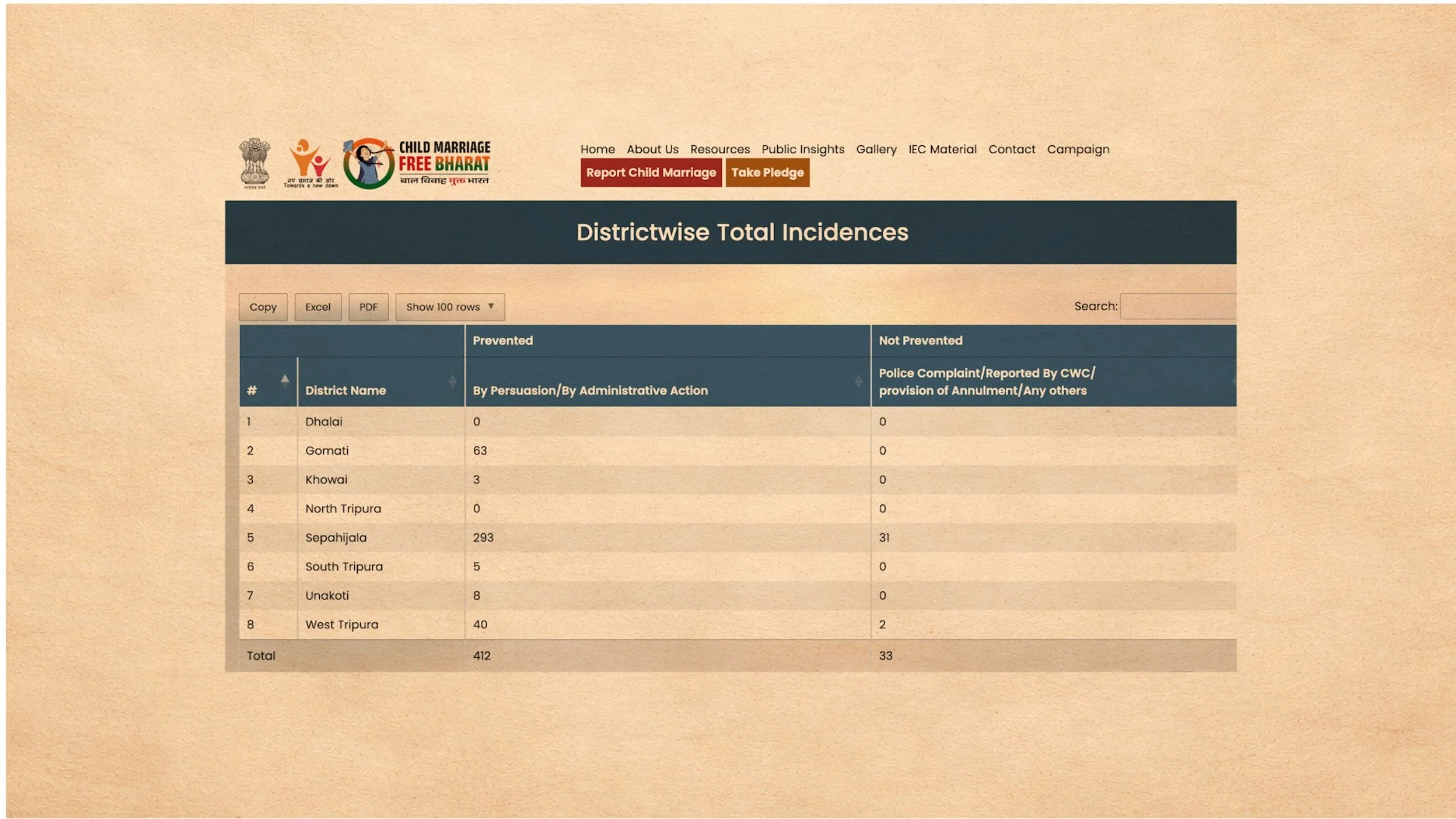
India’s child marriage dashboard lists 2,831 public complaints nationwide. Fulan Bhattacharya, a women’s rights activist in Tripura, says many child marriages in the state may never reach official records.
THE PROCESS THAT SHOULD BE FOLLOWED
The officer explained how the system is supposed to work and what often happens in practice.When information about a child marriage reaches the authorities, it can come through Child Helpline 1098, the District Child Protection Unit, local officials or members of the public. The information is first verified. If the complaint is found to be genuine, Child Helpline, DCPU staff, the Child Marriage Prohibition Officer and the police are informed and asked to respond. On paper, District Magistrates and Sub-Divisional Magistrates serve as Child Marriage Prohibition Officers. In practice, much of the work is handled by officials at the local level, along with Child Helpline staff, DCPU teams and the police. According to the officer, there can be three situations. The marriage has not yet taken place, the ceremony is underway, or the marriage has already taken place. In all three situations, authorities have the power to intervene, produce the child before the Child Welfare Committee and seek legal orders such as injunction orders to stop the marriage and protect the child. The Child Welfare Committee then decides where the child should stay. Depending on the circumstances, she may be placed in a Children's Home, an Open Shelter, a One Stop Centre or a Shakti Sadan. According to the officer, this is the process that should be followed.
THE LOOPHOLES IN THE SYSTEM
The officer said there are serious gaps between the rules and what happens in practice.One important legal tool is an injunction order. Under Section 13(1) of the Prohibition of Child Marriage Act, 2006, a Judicial Magistrate can issue an order to stop a child marriage that has been arranged or is about to take place. Section 14 states that a child marriage conducted in violation of such an order is void from the beginning. An injunction can also allow authorities to continue monitoring the case. According to the officer, injunction orders are often not sought. Officials may instead rely on counselling and informal intervention. He also pointed to poor coordination between departments and weak documentation. When no injunction is issued, girls may be sent back to their families. This can leave them vulnerable to renewed pressure to marry. According to the officer, such cases may still be counted as prevented child marriages even when long-term monitoring and legal protection are limited. If that is the case, the prevention figures may tell only part of the story. This becomes particularly important because the state government reported that nearly 10,000 child marriages were prevented during the 2025-26 financial year, while also saying it does not have exact data on how many child marriages actually took place. However, the officer disputed these figures. According to him, the prevention numbers do not accurately represent what is happening on the ground. He said he handled around 60 child marriage cases in one district of Tripura in June 2026 alone. About 90% of the girls were sent back to their parents, and no injunction orders were issued in those cases “This approach can make administration easier, but it may leave unresolved questions about long-term protection and monitoring,” he added. Limited shelter capacity adds another problem. Tripura has nine One Stop Centres, five Shakti Sadans with a total capacity of 150 people, and 44 Child Care Institutions housing around 950 children. One Stop Centres normally provide temporary shelter for up to five days. The limited number of places can make it difficult to keep girls away from their homes after an intervention.
‘PROVIDING LIMITED SHELTER AND FOOD IS NOT ENOUGH’
Fulan Bhattacharya says shelter alone cannot give a girl the support she needs to rebuild her life. A girl placed in a One Stop Centre may have to leave after five days. If her parents refuse to take her back, she may be moved to a shelter home. “Providing shelter and food is not enough for a dignified life. She is a young girl, and we have to ensure that she can build a life where she can live with dignity and support herself,” she says.
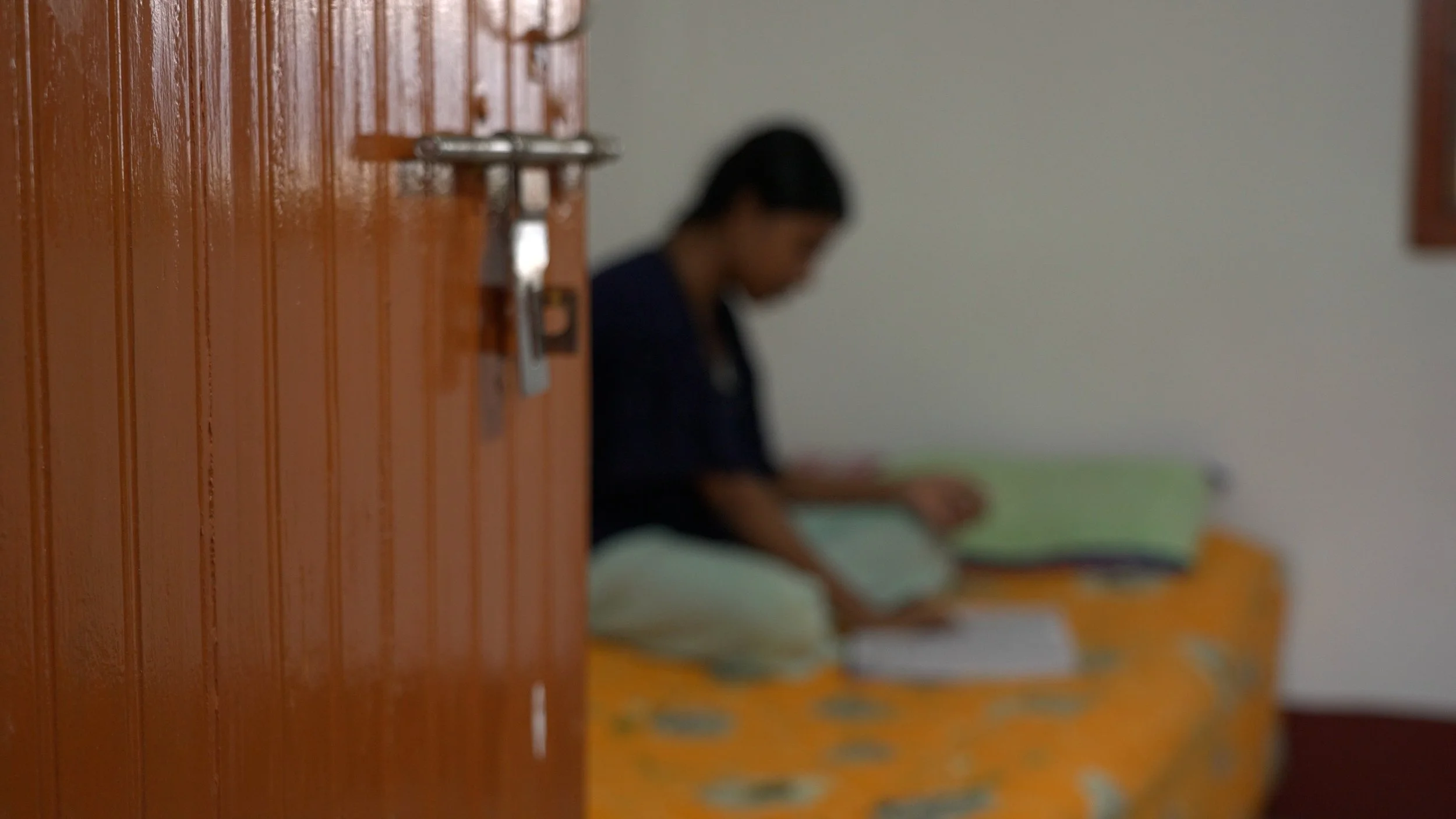
A resident sits cross-legged on a bed at a women’s shelter in Tripura. Fulan Bhattacharya, who runs two shelters in the state, says girls who leave home to avoid child marriage need support to earn a living of their own.
BACK TO THE SAME RISK
The problems can continue after a girl leaves a protective facility. According to the officer, follow-up is often limited to maintaining case records and registers. Anganwadi workers and Child Marriage Reporting Officers are responsible for follow-up in many cases. The officer claims that in many cases, this responsibility falls on the parents or the person who reported the child marriage. This leaves limited information about what happens after girls return home. A girl who has resisted a child marriage may face the same pressure again within her family or community.
NO CLEAR PUBLIC RECORD OF PREVENTION FIGURES
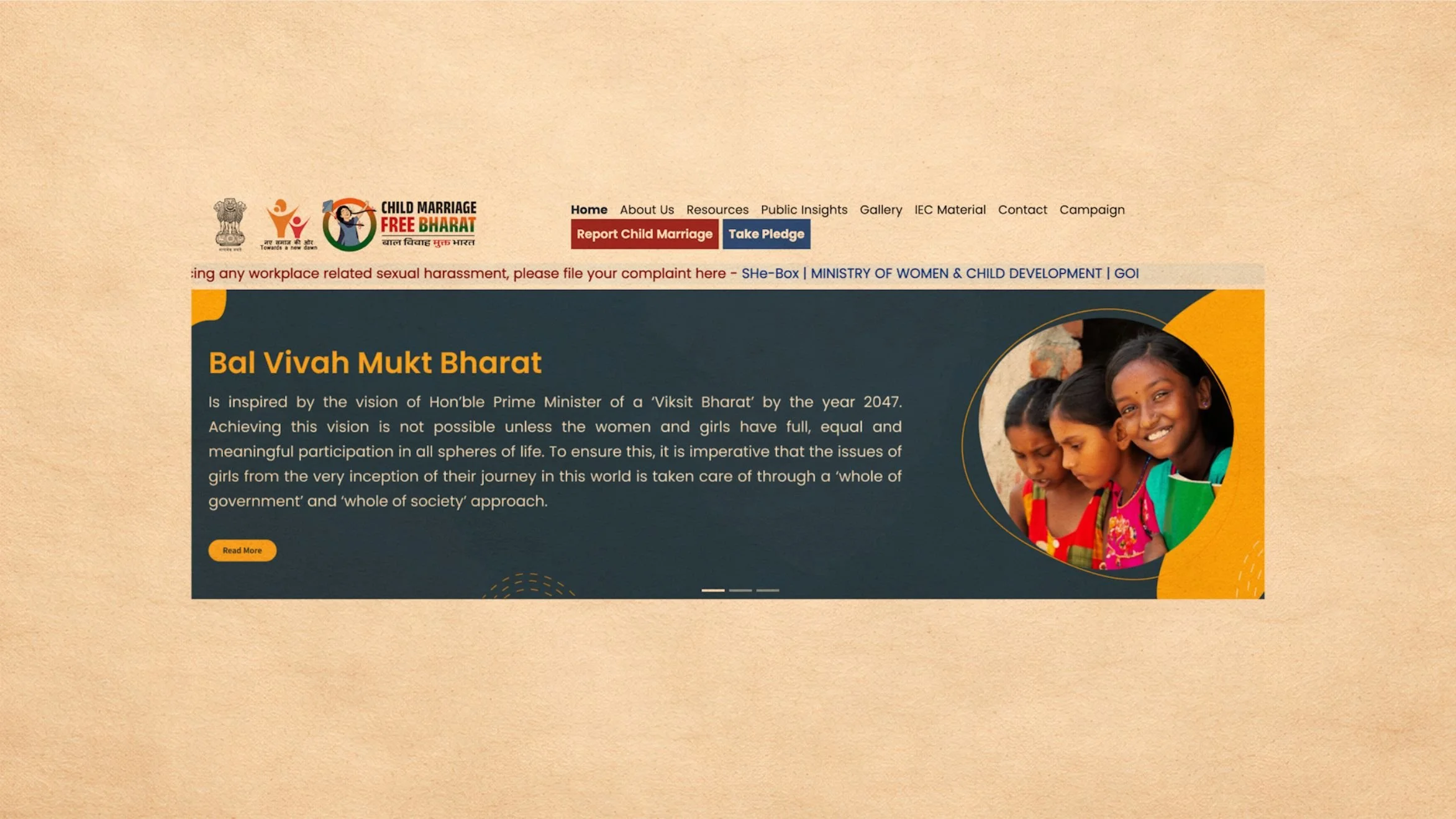
There is also no clear public record that allows the prevention figures reported by the state to be followed consistently. The Bal Vivah Mukt Bharat portal currently shows figures that do not match those released by the state government, and the period covered by the portal figures is unclear. According to the officer, Child Helpline teams in each district send their reports to the state helpline, which then forwards the information to the central government for entry. This raises a basic question. If the figures are being compiled through this system, why is there no clear public record showing how the numbers were calculated?
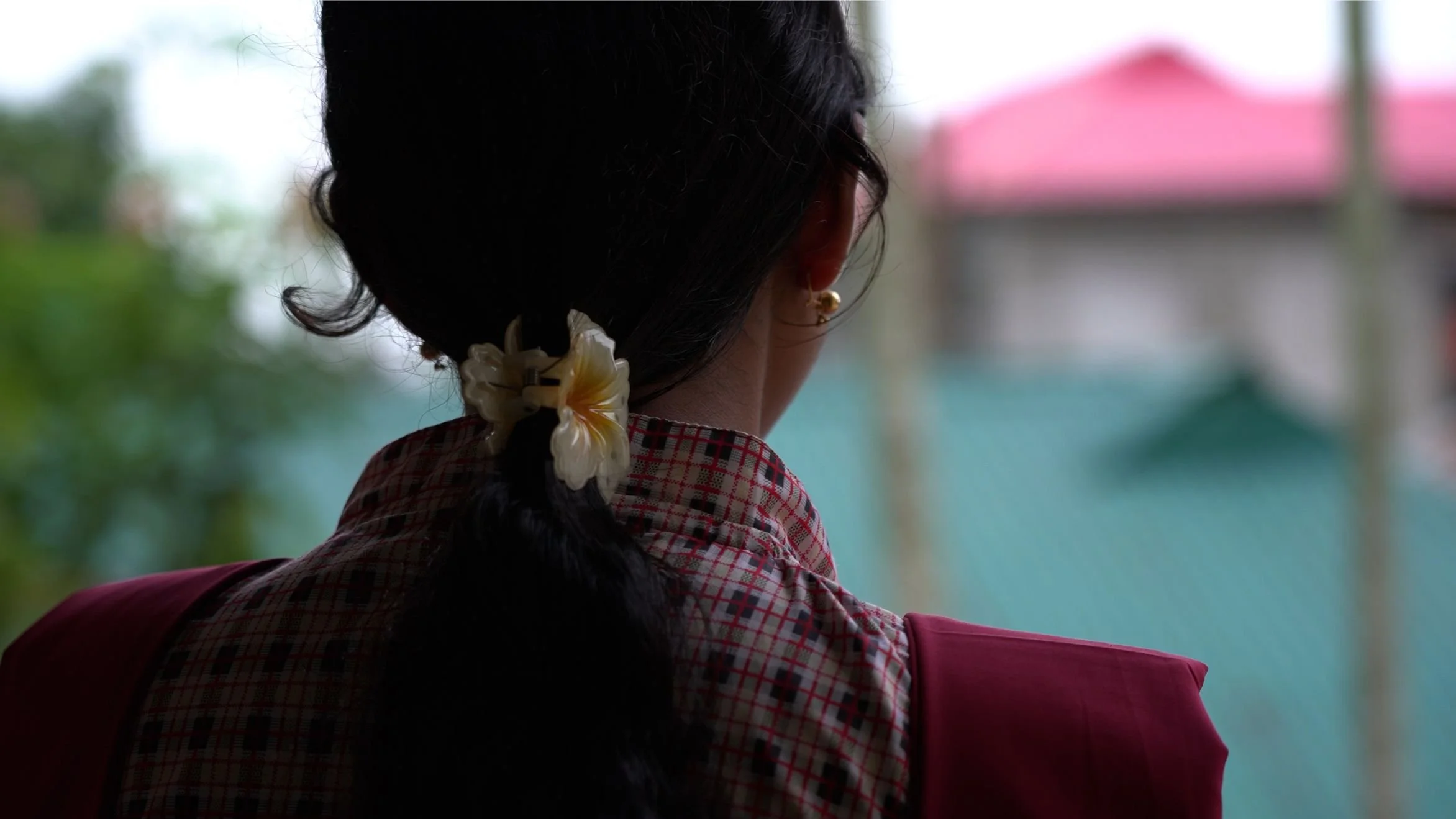
Purbita, pictured in her school uniform at a women’s shelter in Tripura, is back in school after leaving home at 17 to avoid a marriage her family had arranged. “I still dream of becoming a police officer,” she says.
STILL FOLLOWING THE DREAM
Purbita still has ambitions. She wants to continue her education and build a future on her own terms. With happiness clearly visible on her face, Purbita says, “I am now living in a women's shelter home, a Shakti Sadan. I am being sent to school from here. I am allowed to continue my education. I am doing well here. I have friends now. Life here is better than life was at home. My parents are not here, but there are many people around me.”She added, “I still dream of becoming a police officer. I enjoy going to school. When I study, I feel that maybe one day my dream will come true.”
‘NOT EVERYONE GETS A CHANCE AS I DID’
Purbita believes her own future would have looked very different had she stayed.I don't think my husband's family would have allowed me to study,” she says. “If my own parents would not support my education, I could not expect that from strangers. I would have depended on them for everything. Only if they provided something would my needs be met. In that situation, I would have had to obey whatever they said.” The possibility still troubles her. Around her, she had already watched other girls follow that path.“There are many girls like me,” she says. “Some of them were my friends. They were married off too. I got an opportunity, but not everyone gets a chance as I did.” For Purbita, escaping the marriage allowed her to remain in school and continue pursuing the future she had imagined for herself. Many other girls, she says, never get that opportunity.
THE QUESTION REMAINS ABOUT LEGAL SAFEGUARDS
Today, Purbita is back in school and working towards the future she chose for herself.
But the question remains. What happens to girls who are sent back home after a child marriage is prevented, without an injunction order or proper follow-up? An injunction order can provide legal protection if there is another attempt to conduct the marriage, with police action and criminal proceedings possible if the order is violated. So, if these safeguards are missing, what do the government's high numbers of prevented child marriages actually tell us? few days before this story was published, I spoke with Fulan Bhattacharya over the phone. She told me that another girl had recently arrived at the same shelter home where Purbita now lives. She too had left home to escape a child marriage. The details were different, but the destination was the same.