
MARIYA RAJAN
Bureau Chief- South India
When I was in Class VII at school, I learned about the Indian political system and its functioning. That’s because I knew even at that young age that I wanted to be a journalist – using my right to vote once every five years after I would turn 18 was not enough for me. I wanted to be part of the “fourth pillar" to fully exercise my right to the freedom of expression.
Having a bachelor’s degree in journalism from Madras Christian College in Chennai in southern India, and knowing where the press was going, I wanted to work only with a media house that had an independent editorial policy and stood by the needs of the common people. Thus, when Newsreel was coming to life, I knew this is where I belonged.
I always believed in being heard, and wanted to be the voice to those who were looking for it. Issues related to women have always been close to my heart. Also the need to undo the practices that are unfair, that have over time been normalised. I have always strongly felt the need to talk and discuss these issues, doing my bit to bring change.
I can be contacted at Mariya@Newsreel.Asia.
Video Features by Mariya Rajan
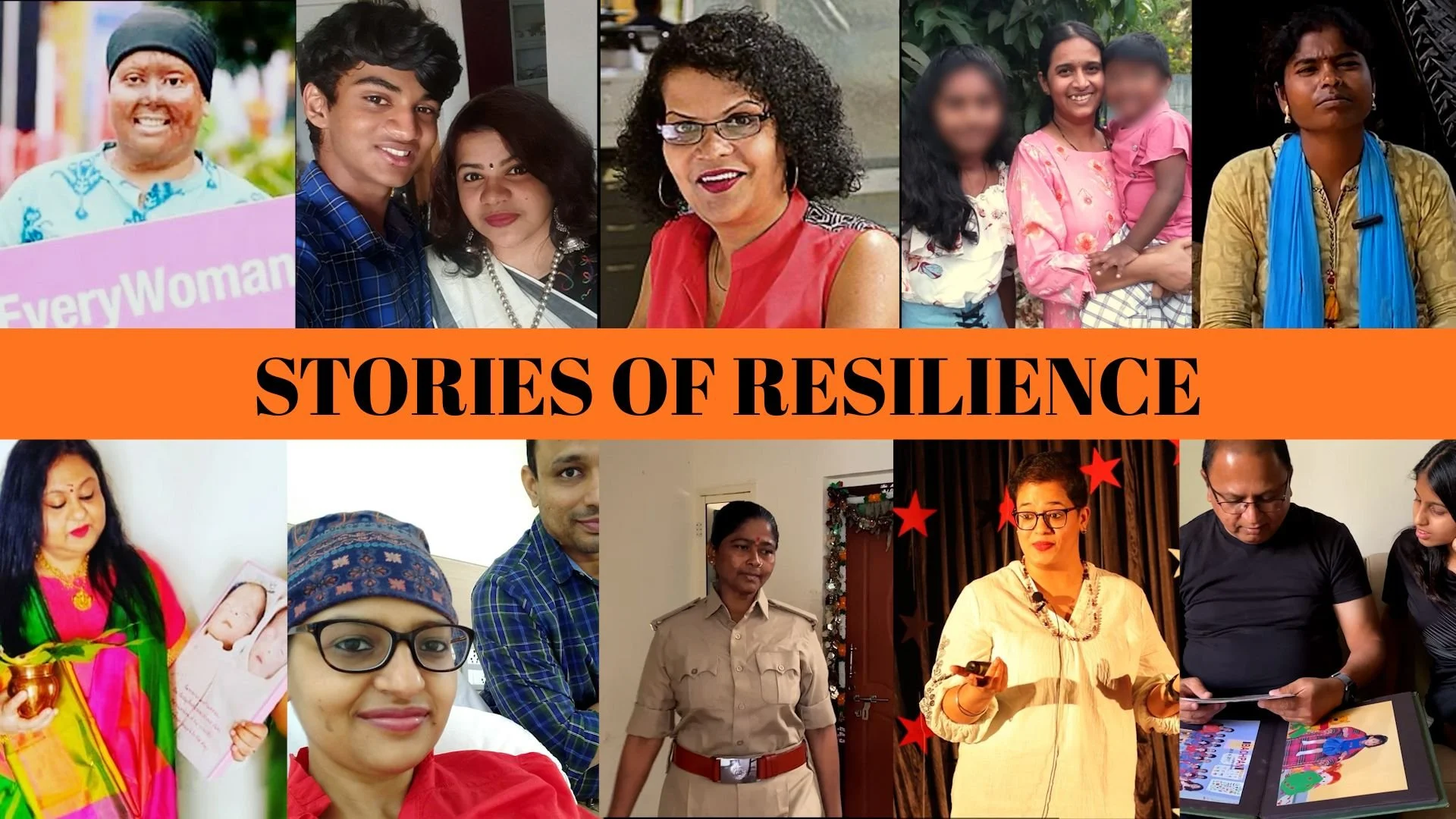
This video is a powerful summary of Stories of Resilience — featuring an acid attack survivor, a cancer fighter, a bipolar disorder survivor, a single father, a trans woman reclaiming dignity, a domestic abuse survivor, a woman freed from bonded labour, a mother who rebuilt life after loss, a widow raising her child alone, and Bengaluru’s first woman BMTC driver.
Ten lives. Ten journeys.
One message: resilience.
Watch to get inspired and find strength against all odds.
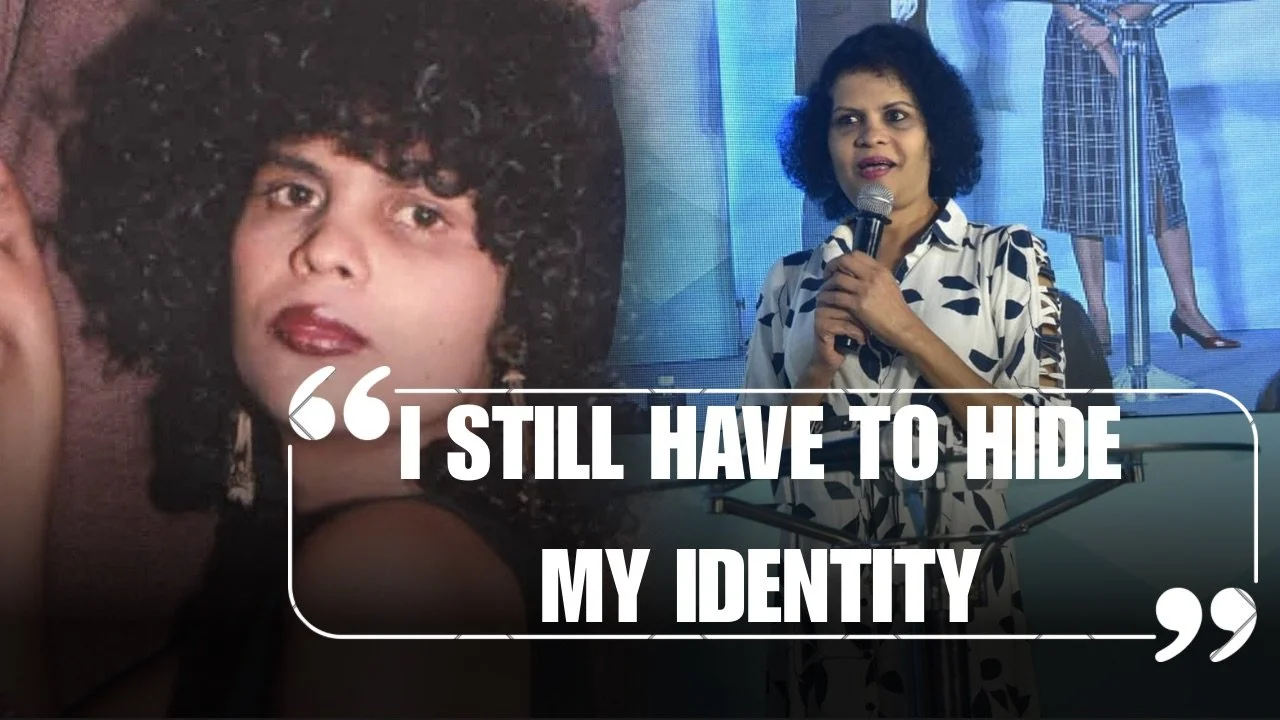
Transgender people in India have long faced exclusion and stigma. From concealing their identities to being judged and discriminated against, their lives continue to be marked by struggle. According to the 2011 Census, India recorded over 4.8 lakh transgender individuals, though activists say the actual number is much higher due to widespread underreporting and social invisibility. Even today, despite the 2014 Supreme Court judgment recognizing trans people as the “third gender” and the Transgender Persons (Protection of Rights) Act, 2019, many continue to face barriers in education, employment, housing, and healthcare. Yet, Nayana’s journey stands out as a story of resilience and hope. Born as a boy, she transitioned to become a trans woman—overcoming immense hardship to transform her life. Once forced into sex work for survival, today she works as a marketing associate at an IT company in Bengaluru, proving that determination can rewrite one’s destiny. Born in Udupi to a modest family, Nayana always knew she was a woman at heart. But growing up, she faced relentless bullying and was branded with hurtful slurs reserved for the “third gender.” She moved to Pune and joined a transgender community, surviving for years through begging and sex work — a reality for nearly half of India’s transgender population, as per a 2018 National Human Rights Commission study, which found that 96% of trans people are denied jobs and 60% are forced into sex work or begging. Eventually, Nayana resolved to rebuild her life. Returning to Bengaluru, she took computer and multimedia courses, connected with NGOs, and began administrative work supporting sexual minorities. Her journey from exclusion to empowerment mirrors the broader struggle of India’s transgender community - a fight not just for acceptance, but for dignity, opportunity, and equality.

How two Muslim minority women sisters faced unfair treatment by Karnataka Police. Behind Bengaluru's giant tech offices lies a darker truth of the crimes against minorities of the state. The two Muslim women, both single mothers, now fight for survival every day. What began as a dispute with their landlady turned into a cascade of abuse, threats, and systemic neglect.

To investigate if your 9-5 corporate job has labour laws for your safety and well-being, Newsreel Asia producer Jyoti Jangra travels to India’s Silicon Valley—Bengaluru—to find out a quiet crisis unfolding inside corporate cubicles: the crumbling mental health and legal protections of India’s white-collar workforce.
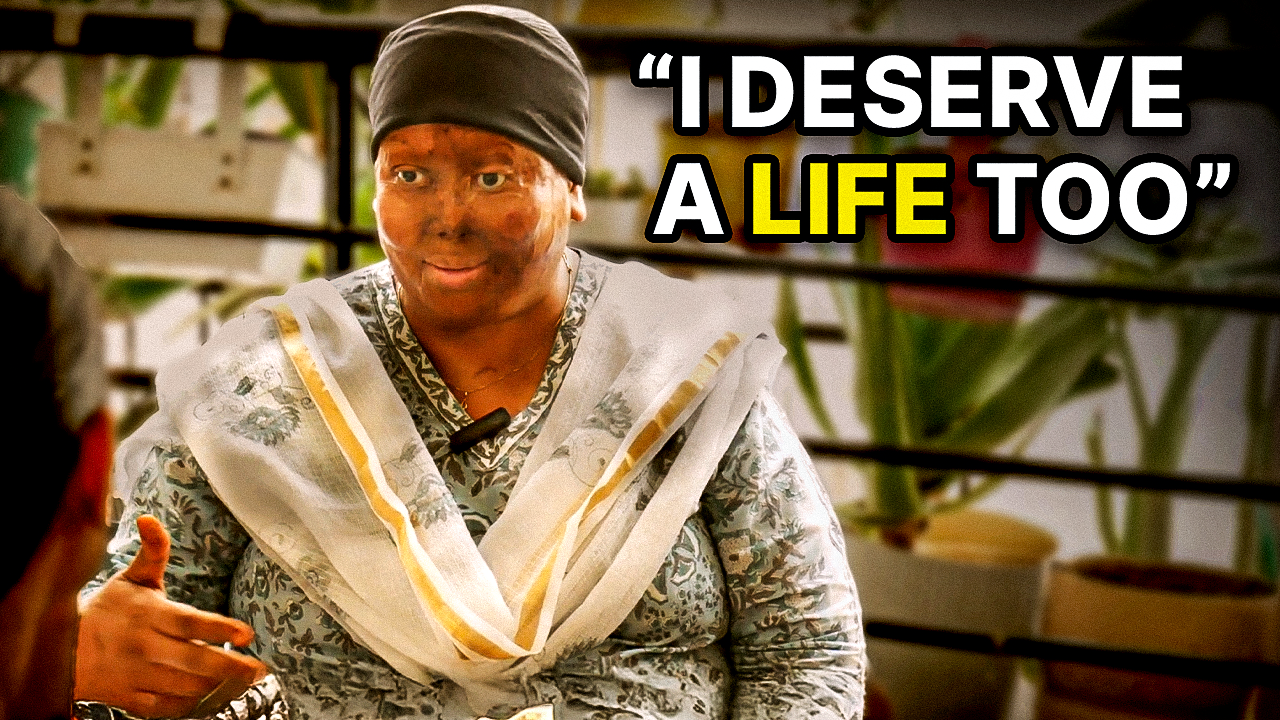
In 2006, just 12 days after her wedding, 23-year-old Pragya Prasun was travelling on a train when a man threw acid on her, leaving her with 47% burn injuries. What followed was a long and painful recovery, and a determination to create a support group for acid attack survivors.
Today, she is not just a survivor — she is a fierce activist, working to support and empower other acid attack survivors through her initiative ‘Atijeevan Foundation,’ an organisation that works with acid attack survivors across India, helping them access surgeries, legal aid, mental health support, and financial independence.
In this episode of Stories of Resilience, Host and Producer Mariya Rajan meets Pragya to trace her journey from being an acid attack survivor to an activist. We explore how she rebuilt her identity, challenged social norms, and became a beacon of hope for other survivors.
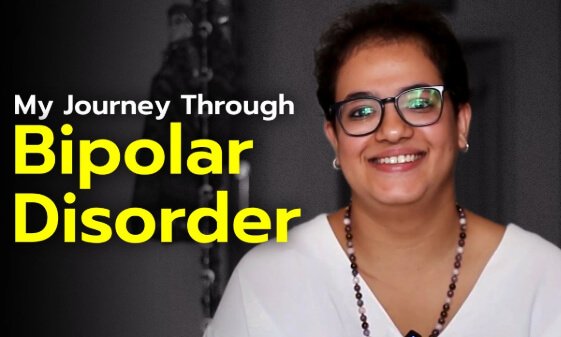
Sangeetha's journey with bipolar and borderline disorder, from a suicide attempt to healing. It’s a story of resilience, recovery and mental health awareness. Globally, more than 40 million people live with bipolar disorder, according to the World Health Organisation. It is marked by episodes of mania and depression that can last days, weeks or longer. These “mood swings” can alter a person’s ability to function, make decisions and maintain a sense of self.

Kavitha, a mother in Raichur district, doesn’t follow the nutrition charts or growth tracking numbers. What she understands is hunger. The rice from the public distribution shop lasts less than a week. On some nights, there’s nothing but water and silence. For families like hers, malnutrition isn’t just a report—it’s dinner time.

Hanumanthi was in labour for the third time at a small government health facility in Karnataka’s Raichur district when she began to bleed heavily. The centre lacked the equipment to manage the emergency. Her family was told to rush her to a larger hospital. But how does a woman in the middle of childbirth survive a long road journey? Why was the local facility unprepared? Her family is left with questions—questions shared by many across rural Karnataka.

Prema, a nurse in Bengaluru, Karnataka, always dreamed of wearing a uniform. Four of her siblings have jobs and wear uniforms. She also aspired to join the police force but despite repeated attempts, she couldn’t clear the exams. Years later, working at a hospital her life took a surprising turn. In male-dominated professions, Prema has made her mark. Despite various challenges, she has managed to get herself a job. Her dream to wear a uniform on a duty has finally come true. In 2010, she became the first woman to be hired as a BMTC driver. For Prema, the uniform was never just clothing. It stood for self-respect, belonging and a dream she had held on to despite many setbacks. Today, she wears it proudly every day. Her resilience to enabled her to get what she always dreamt of.
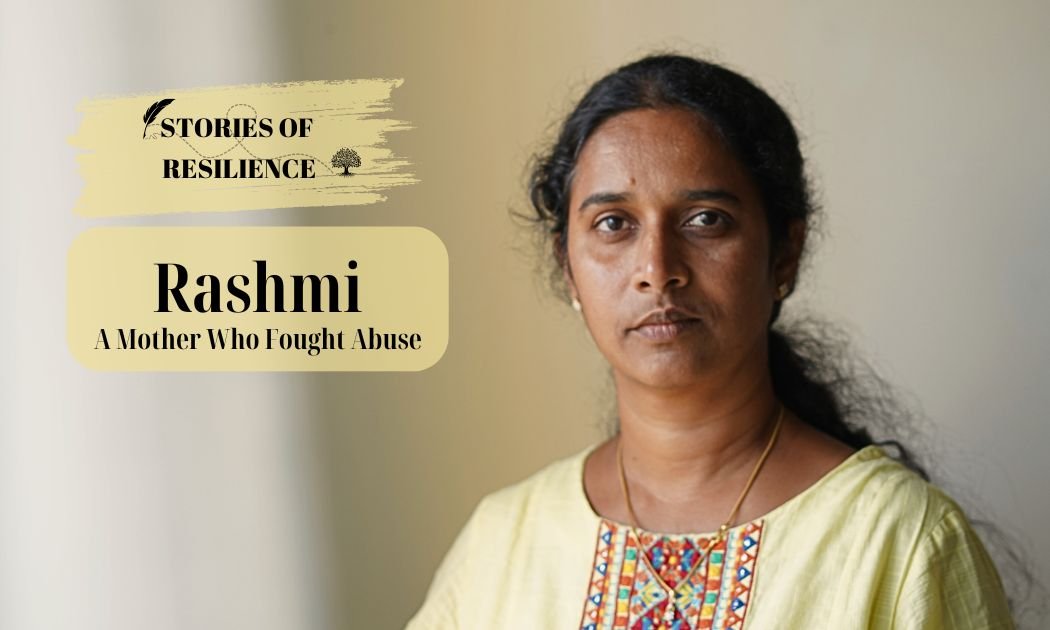
Rashmi D’Souza, a software professional in Bengaluru, Karnataka, never imagined her husband would become abusive. In the presence of her two daughters, he continued his abusive behavior until a "guardian angel" intervened. This person offered her sound advice, but ultimately, it was Rashmi's own courage that led her to accept and act upon it.
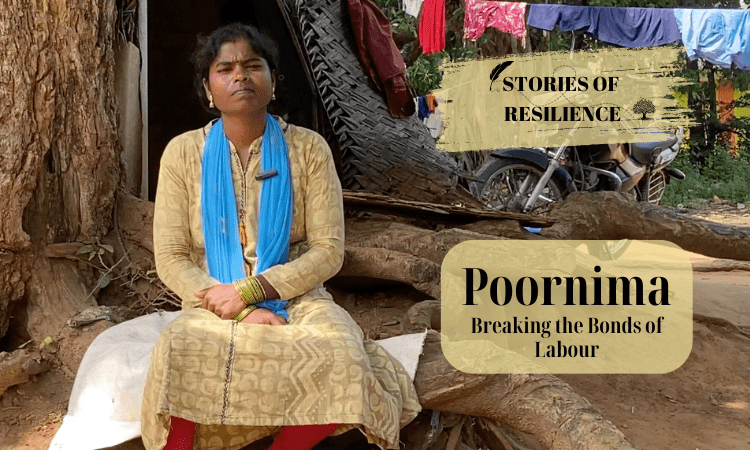
Poornima was liberated from bonded labour in 2014, but she immediately faced the formidable challenge of rebuilding her life. She needed to secure employment, find accommodation and obtain essential documents. With determination, she returned to her village to acquire the skills necessary for self-sufficiency. Demonstrating both courage and perseverance, Poornima and her husband set up a small tailoring business. This initiative not only sustained their family but also provided employment opportunities for other freed bonded laborers in their community. By converting her adversities into a platform for financial independence and empowerment, Poornima has exemplified how resilience can drive transformative change, offering a future filled with dignity and hope for herself and others.
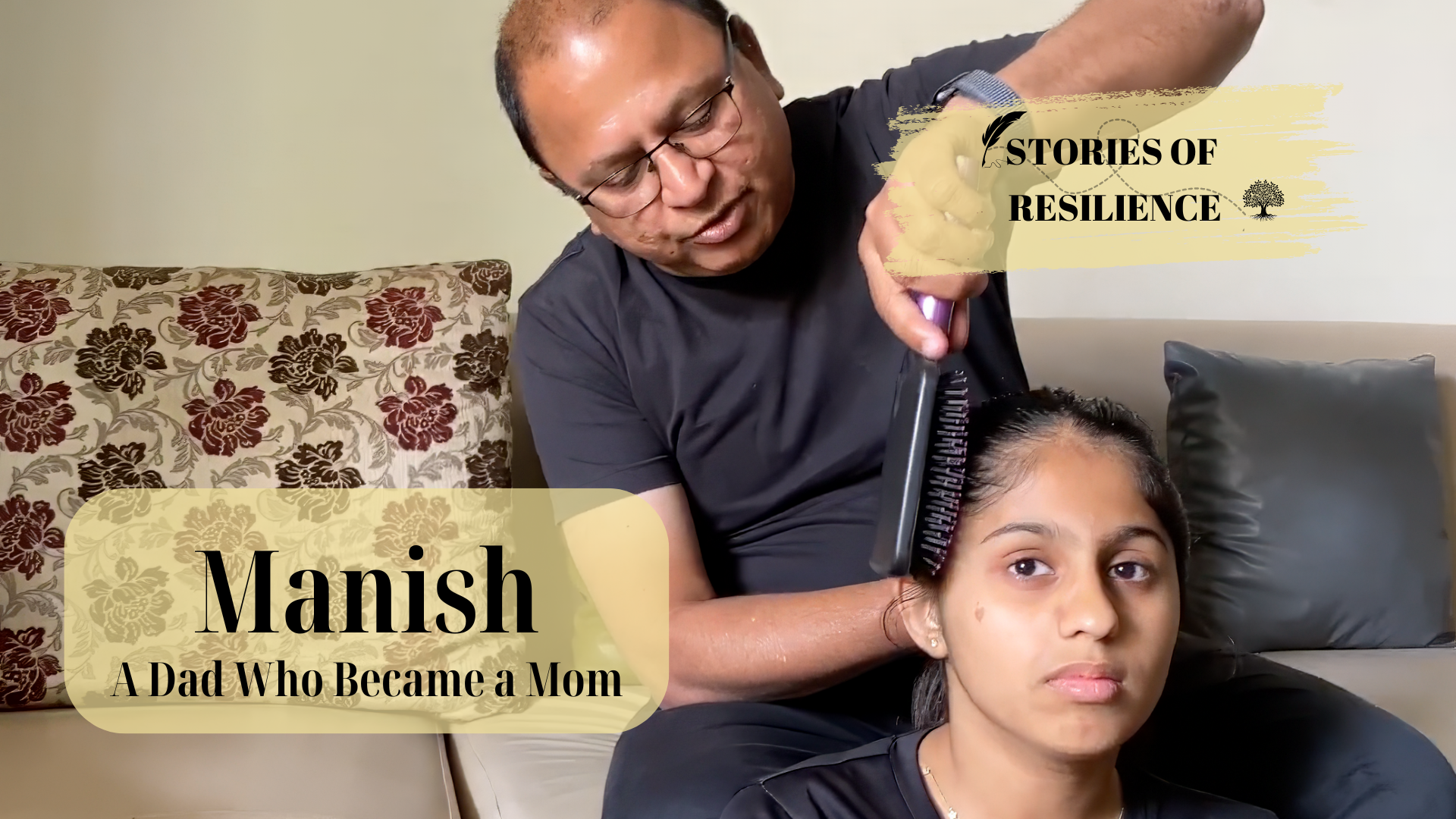
Manish, a resident of Bengaluru, Karnataka, has been raising his daughter alone since she was eight months old. To nurture her effectively, he has taken on the roles of both father and mother, overcoming numerous challenges—deciding where to leave his daughter when he goes to the office, choosing which washroom—men's or women's—to use when they are in a market area, determining the right amount of food to give her, what to say to her about periods, among other things. What truly demonstrates his resilience is his consistent willingness and cheerful attitude in doing everything necessary for his daughter’s upbringing.
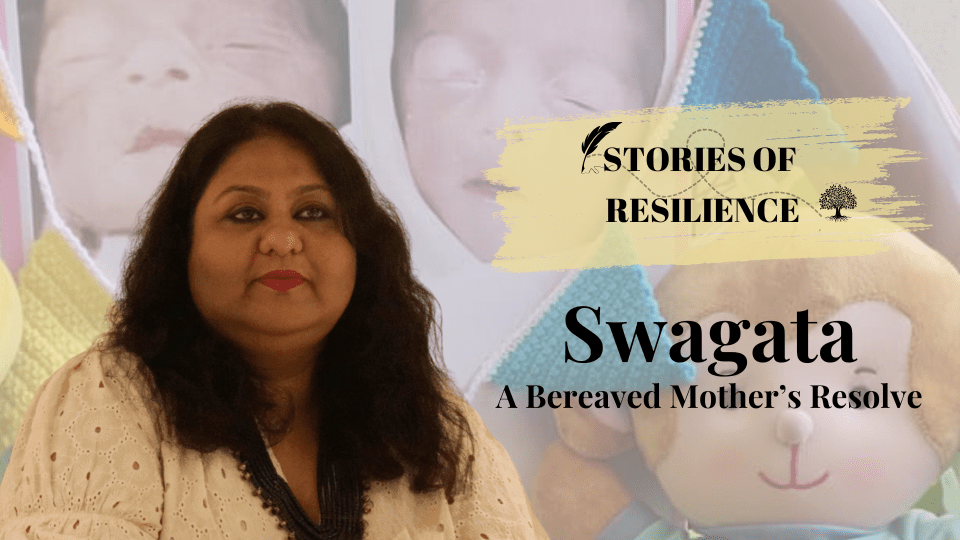
In January 2020, Swagata Majumdar faced the unimaginable grief of losing her twins. The grief of losing her children became overwhelming. She also realized that child loss is a significant taboo in India, leading to the isolation of bereaved mothers. Determined to challenge this stigma and support others, Swagata, along with her friends, started a support group for mothers who have lost a child. Today, Swagata has found healing and is now living with a happy family.
Swati, a young mother, faced immense challenges after being diagnosed with cancer, a diagnosis that changed her life forever. She spent months battling the disease, enduring painful treatments and the emotional toll of being separated from her young child. Despite the overwhelming hardships, Swati's journey through illness became a turning point, revealing her inner strength and determination. Her resilience not only helped her overcome the illness but also empowered her to take charge of her life and her child's future.

Benjamin, a Kuki-Zo man and father of five in Manipur’s Churachandpur district, struggles daily to meet his family's needs amid ongoing ethnic violence. The unrest, which began over a year ago, has severely impacted the state's economy, with retail inflation soaring to 11.63% in November 2023, compared to the national average of 5.55%. The prices of essential goods have skyrocketed in this border district, which remains cut off from the commercial hub of the Meitei-dominant Imphal region, about 60 km away. All goods now come through mountainous terrain, covering a distance of over 800 km. How is Benjamin’s family – and other residents – surviving this economic crisis?
Divya, a single mother, encountered significant challenges following a car accident, an event that altered her life forever. She endured nearly a year of being bedridden, isolated from her son and struggling with uncooperative home nurses. Little did she know that these hardships would lead her to discover herself and take control of both her life and her son's, a fruit of her resilience.

Sucheta Tomar, a farmer and housewife in Uttarakhand state's Lohari village, is one of the many residents who lost their ancestral homes due to a hydropower project by the state government. Their home submerged in flood water, Sucheta and her husband now live in a classroom of an abandoned school.
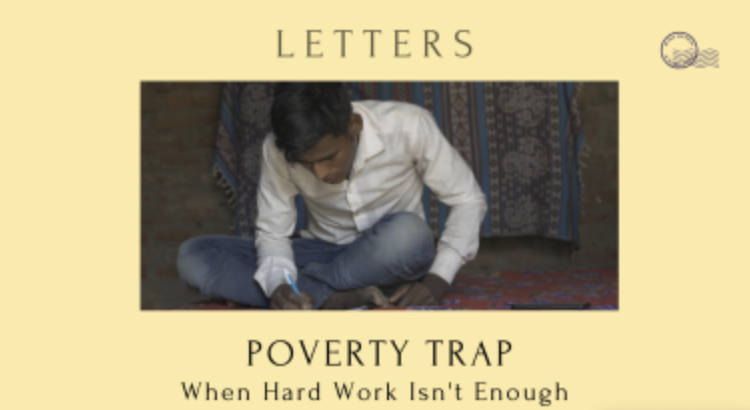
The story of Satish Kumar, a young man who lives in a small village in Uttar Pradesh state’s Chandauli district, shows how tens of millions of people in India are trapped in the cycle of poverty, with no fault of their own. Through the story he shares in this visual, open letter, Kumar points to a critical, but unaddressed…
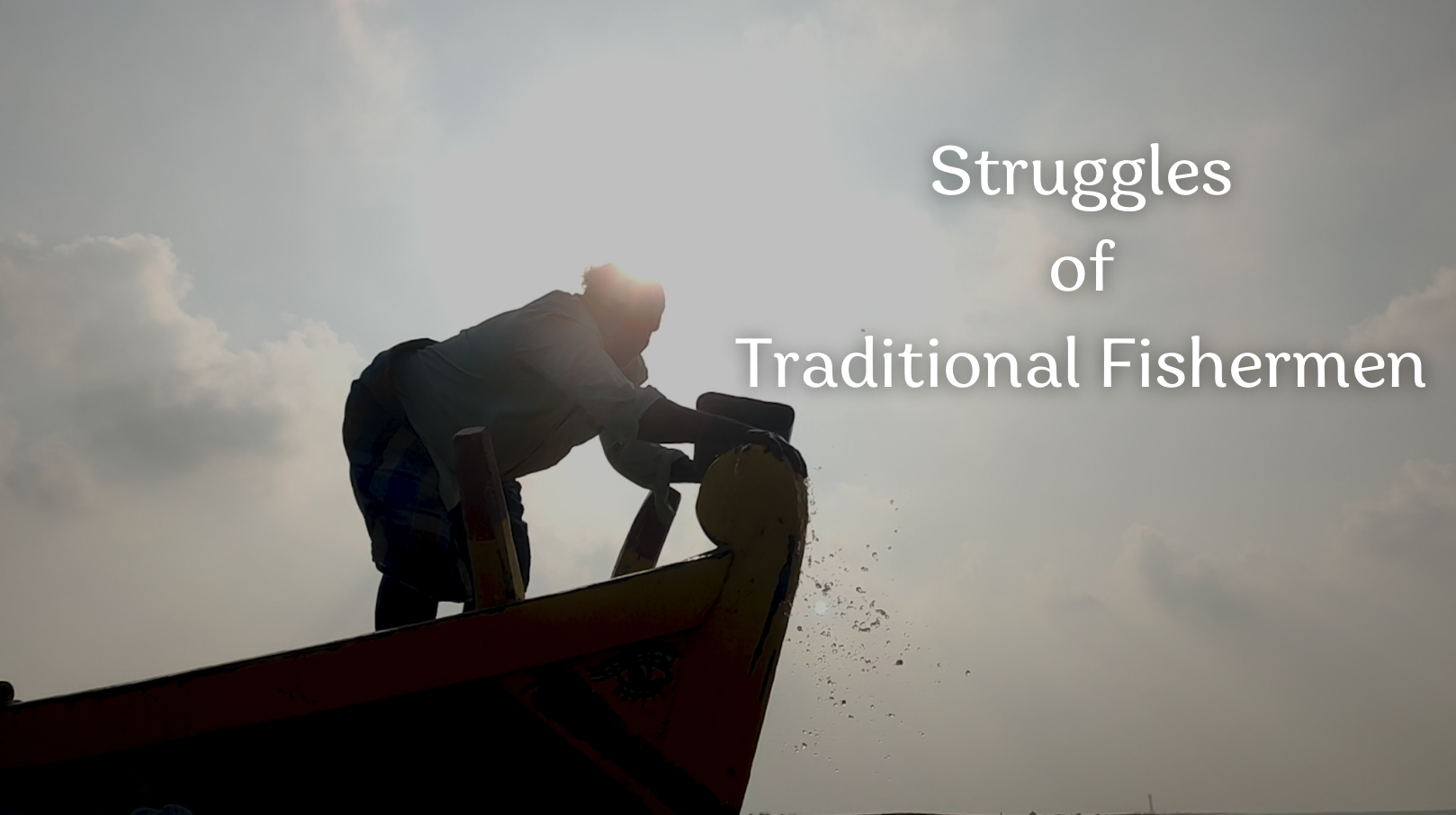
Dhanushkodi is a southeast Indian coastal town abandoned during a deadly cyclone in 1964. But this ghost town awakens at dawn to the call and response songs of fishermen dragging at their fishing nets at the shore practicing the centuries-old shore seine fishing method.
This video was produced by the participants of the 'Video Literacy Workshop for Coastal Communities' alongside UNESCO, Wildlife Institute of India, Surbhi foundation and others with Newsreel Asia as a publishing and training partner.

Fisherman M. Lakshmi Nivash asks his fellow fishermen why they are not using life jackets while fishing. What they explain goes against the notion that fishermen don't like to use such gear.
This video was produced by the participants of the 'Video Literacy Workshop for Coastal Communities' alongside UNESCO, Wildlife Institute of India, Surbhi foundation and others with Newsreel Asia as a publishing and training partner.
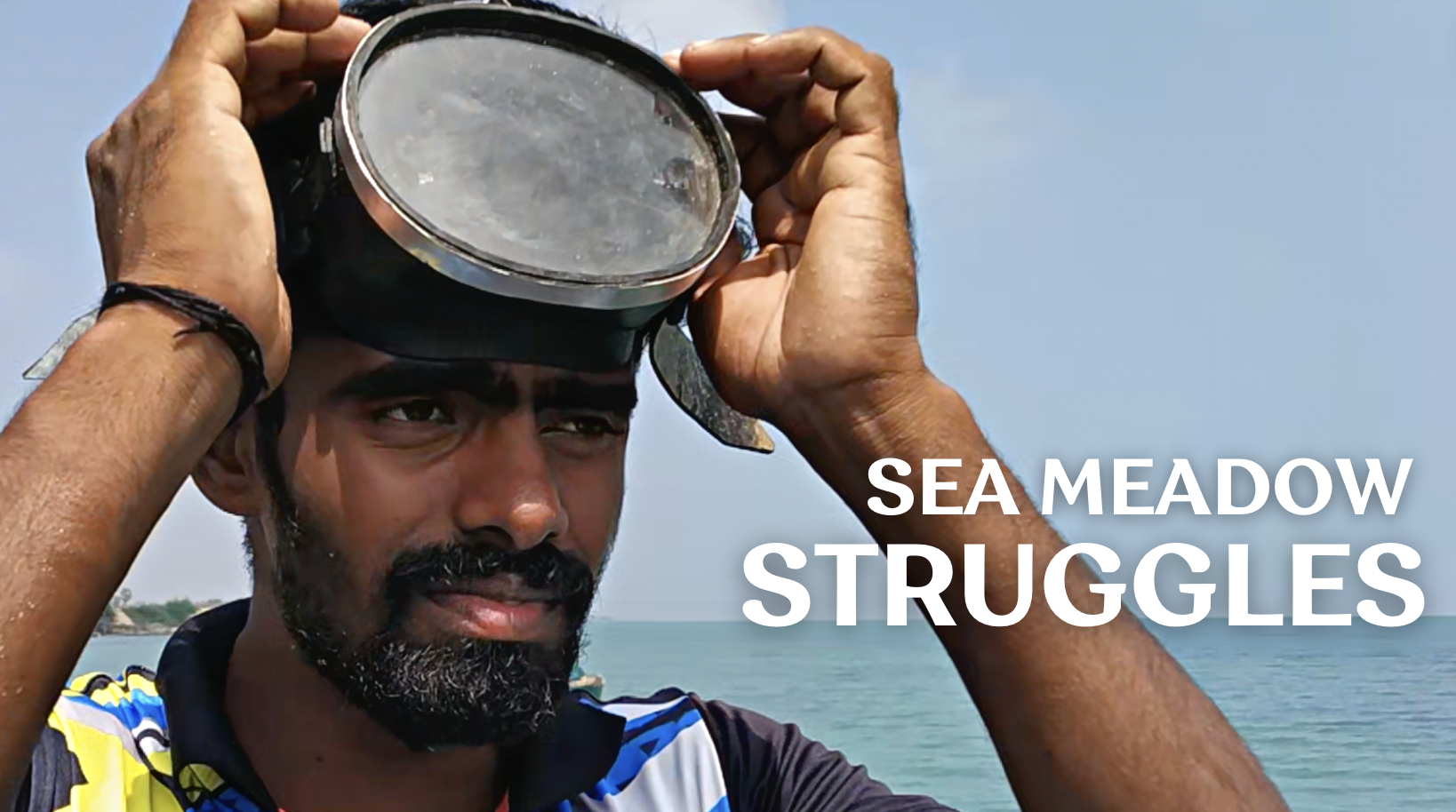
Raj Kumar Rana, a Dalit Sarpanch from Nurpur Village in Punjab, has been committed to the development of his community. Despite his earnest efforts, state-level party politics have significantly hindered his progress. The Panchayati Raj system, designed to empower local communities and promote responsive governance, faces challenges when state politics intrude. In the case of Sarpanch Rana, his firm stance leads to unforeseen consequences for him and his family.
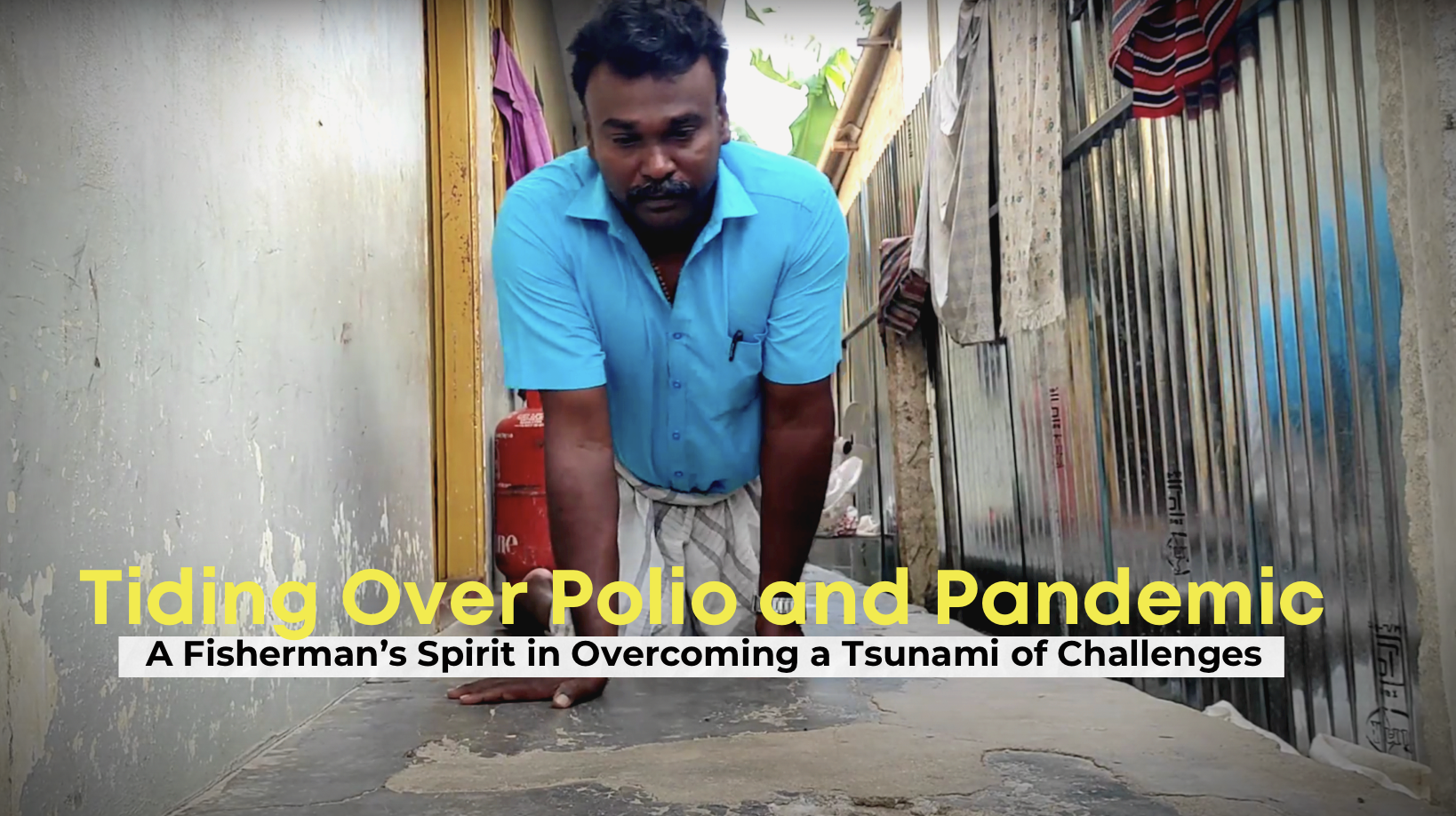
Anthony Thina's has fought his debilitating childhood ailment of polio with a smile. So when Thina who comes from a fishing family saw his dried fish business evaporating during the pandemic, he found a solution in an unlikely space - his YouTube channel and Facebook Page.
This video was produced by the participants of the 'Video Literacy Workshop for Coastal Communities' alongside UNESCO, Wildlife Institute of India, Surbhi foundation and others with Newsreel Asia as a publishing and training partner.
Host Mariya Rajan's quick visit to three hamlets near lush green tea gardens in Siliguri city and surrounding areas reveal that at least one child has gone "missing" in each of them. Was it just a coincidence, or is something changing in that region - which, being a gateway to the northeast India as well as the neighbouring countries …

Shama (name changed) and her underage daughter are brought from West Bengal state to Mumbai city by human traffickers with the promise of a job. Soon they find themselves in separate brothels. Their stories reflect what many of the more than 1,600 girls and women in Mumbai …
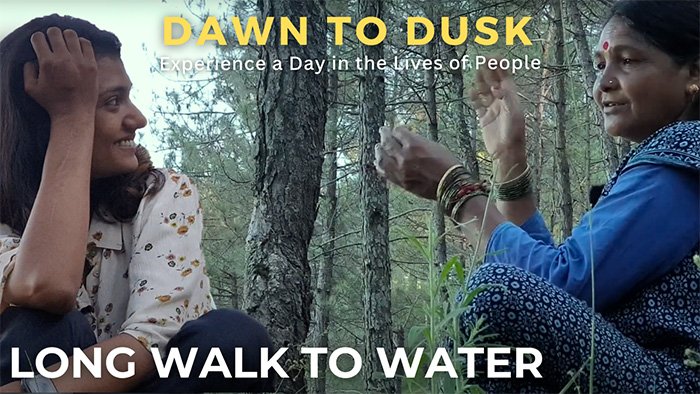
Series host Mariya Rajan goes for an arduous walk on the mountains of Almora district of Uttarakhand state with a local resident, Janaki Devi, who fetches water three times a day from the nearest stream that is kilometres away.
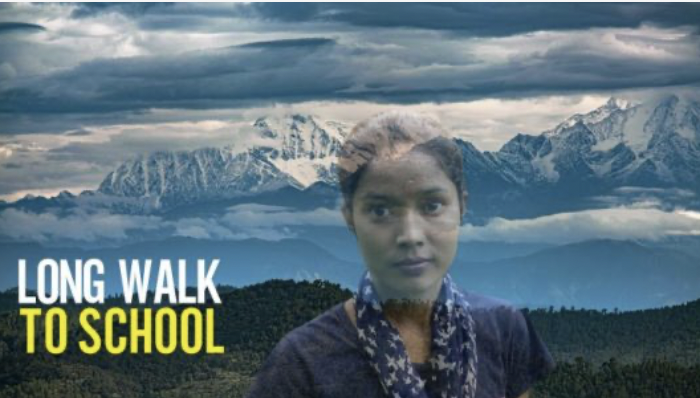
Nikita Mehra treks for half an hour every day to reach the nearest road above her house in Almora district of the northern state of Uttarakhand, only to walk six more kilometres to attend school. Many other girls, however, have dropped out of school due to safety concerns.

A young woman, Barkha (not her real name), goes through discrimination and sexual abuse at home, which, an activist says, may serve as anecdotes about what many girls and women in the north Indian state of Rajasthan experience due to a high level of gender inequality.
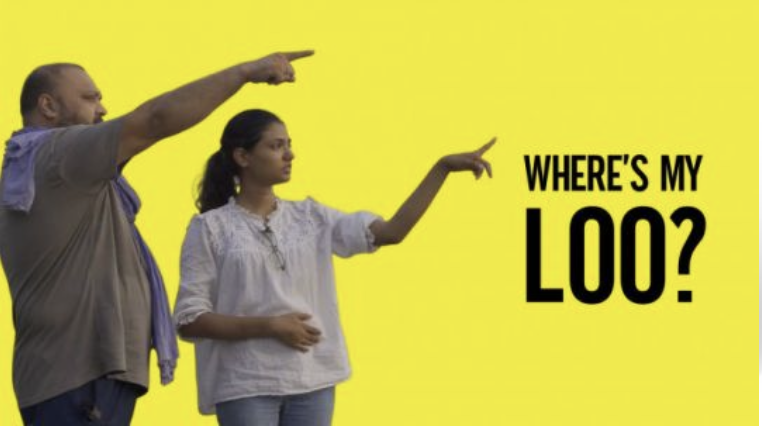
Kusum and Pinki are just two of the millions of women in rural India who do not have access to a toilet. The two live in a village in the northern state of Haryana, which according to the Indian government, is open-defecation free. Local activist Sameer Bakshi?s family raises the issue.
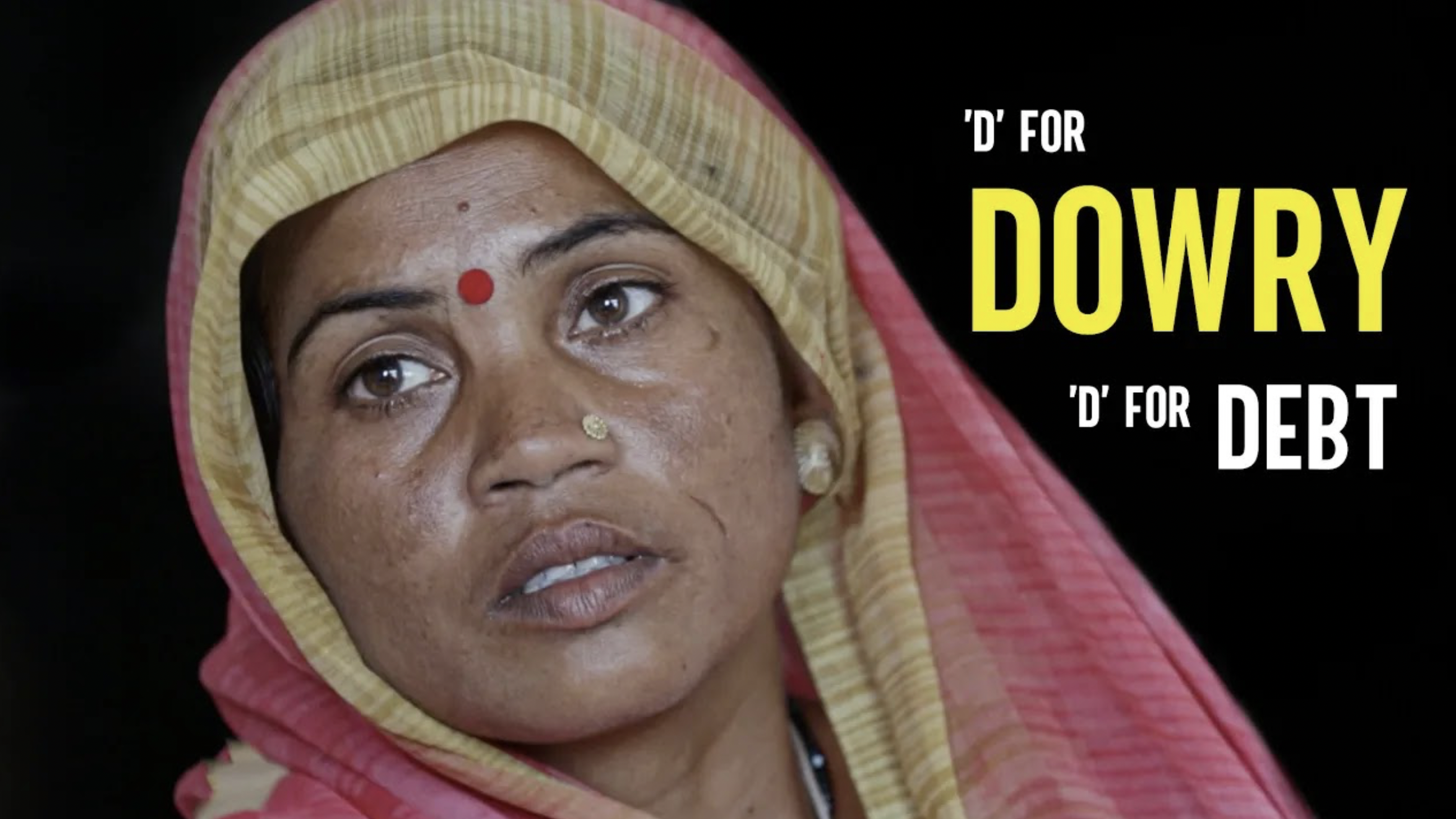
Awadh Kishore and Draupadi Kumari, a couple from northern India’s Bundelkhand agricultural region, are not only unable to sustain their family financially but also need to arrange large sums of money for the marriage of their four young daughters.
Text Features by Mariya Rajan

Abdul Rahim, a Keralite migrant worker who had been on death row in Saudi Arabia, returned home on May 28 after nearly 20 years in prison, freed only after a community fundraising campaign collected 340 million (34 crore) rupees in blood money. The case exposes how completely a migrant worker’s life can come to depend on a foreign legal system that their family cannot navigate, and how the resilience of Kerala’s diaspora networks, genuine as it is, has come to substitute for protections the state was never equipped to provide.
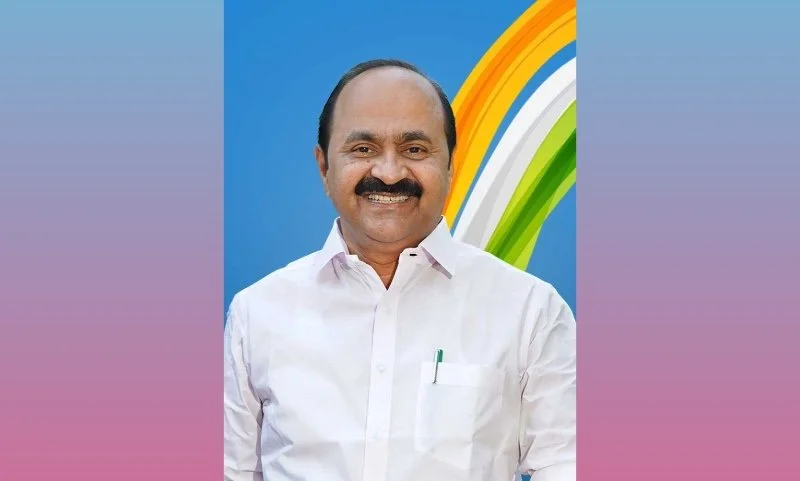
Kerala Chief Minister V.D. Satheesan took oath as “Vadasseri Damodara Menon Satheesan,” unlike earlier occasions where he had dropped “Menon,” an upper-caste surname. Days later, he went to the Guruvayur Sri Krishna Temple and offered thulabharam (ritual weighing) with butter, a ritual in which a devotee is weighed against an offering made to the deity. Coming within a week of the formation of a Congress government, the two decisions have triggered unease in the state because the party had projected itself as secular and inclusive.
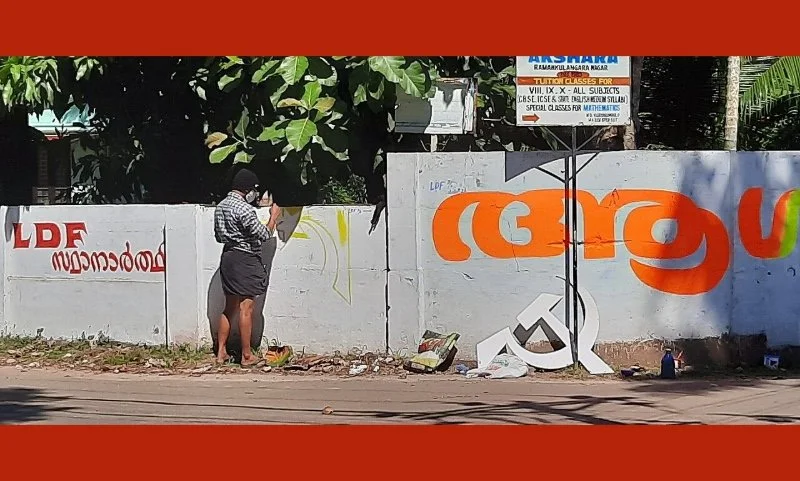
The Congress-led United Democratic Front (UDF) has won 102 seats in Kerala’s 140-member Assembly, ending 10 years of Left Democratic Front (LDF) government. The defeat of the LDF also means that no communist party now leads a state government anywhere in India. In Kerala itself, the scale of the result suggests that something more than a usual swing between two evenly matched alliances was underway.
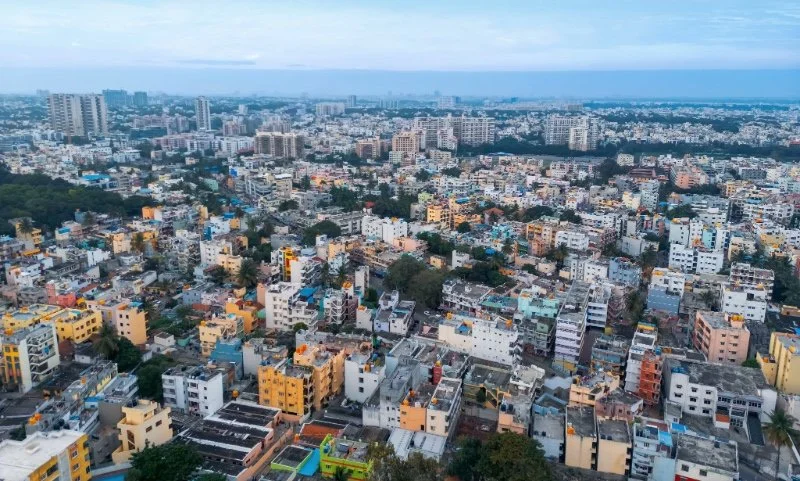
Bengaluru is no longer the Bengaluru many of us remember, or the one we still speak of with nostalgia. This was once the city people came to for its weather, its trees and lakes, and an easier pace of life. Today, summer feels harsher, water has become uncertain, and ordinary life has become more expensive and more exhausting.
Antara Dey Chowdhury was a Squadron Leader in the Indian Air Force when her life changed course. In 2012, after her son Kabir was diagnosed with autism, she made the difficult decision to leave her military career to care for him full-time.