
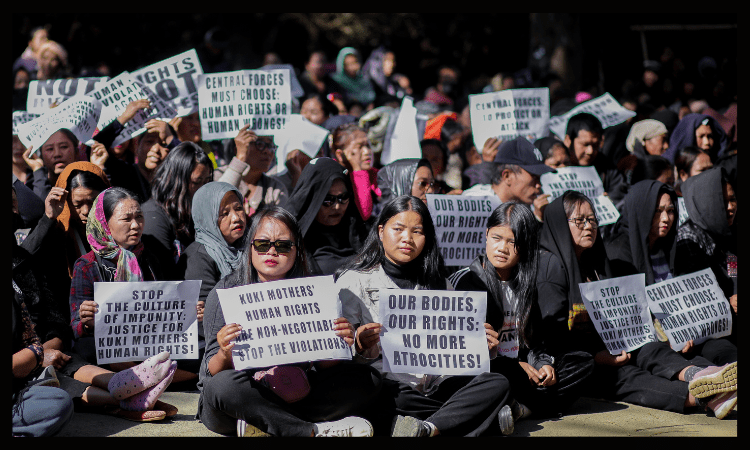
Manipur’s Women Describe CRPF ‘Assault’: Lost Eye, Head Trauma, Broken Bones
At least 75 tribal girls and women were injured, some grievously, in the Dec. 31 clash with personnel from the Central Reserve Police Force (CRPF) and the Border Security Force (BSF) in Manipur, according to representatives of the Kuki-Zo Women Forum in Delhi. They accuse the central forces of violating operational guidelines by targeting women protesters above the waist. This “mistreatment,” they say, has left them disillusioned with the central authorities.
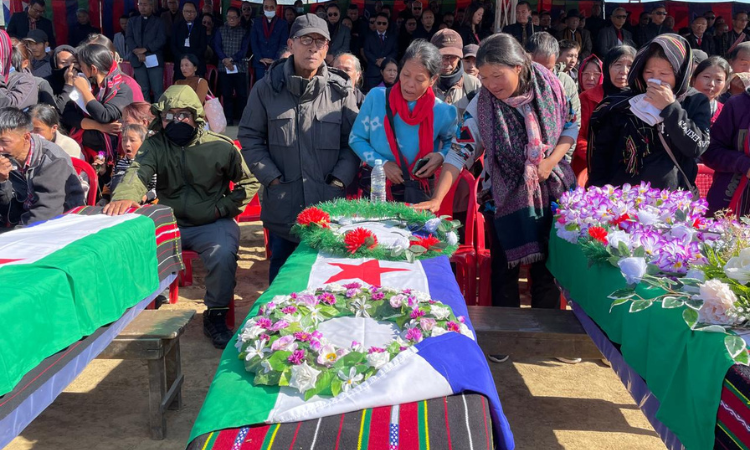
Manipur Autopsy Reports: 10 Kuki-Zos Killed in CRPF Firing
A thorough analysis of the autopsy reports for the 10 Kuki-Zo “village volunteers” killed in Manipur during an alleged gunbattle with the Central Reserve Police Force (CRPF) suggests that the young men were shot from behind or from multiple directions and at close range. Some of them also sustained injuries that cannot solely be attributed to gunfire.
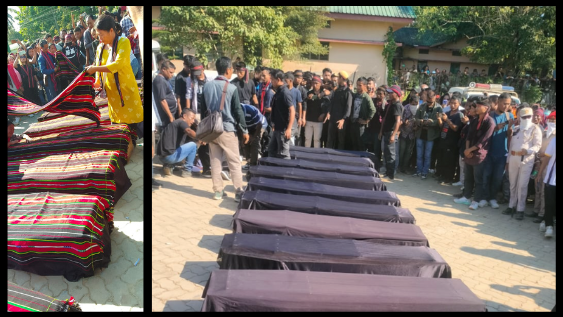
Autopsy Reports Indicate CRPF Misconduct in Manipur
Ten young men from the Kuki-Zo community in Manipur's Jiribam district recently lost their lives in what's been reported as a gunfight with personnel from the Central Reserve Police Force (CRPF). The CRPF claims these individuals, labelled as “militants,” had attacked a local police station and a nearby CRPF camp. However, subsequent post-mortem reports, seen by Newsreel Asia, cast doubt on the legality and ethics of the actions taken by the paramilitary force.

Meitei Insurgents, Central Forces Accused of Killing 2 Kuki-Zo ‘Village Volunteers’ in Manipur
Violence escalated in Manipur on April 13, just days before the Lok Sabha election, as two Kuki-Zo village volunteers were killed in attacks involving gunfire and mortars, allegedly by central forces, as claimed by a local tribal organisation. Following this, Meitei insurgents and extremists entered the area, where they dragged, mutilated and stomped on the bodies, as per videos that circulated on social media.

3 Protesting Farmers Lose Eyesight After Being Hit by Pellet Guns
During the ongoing farmers’ protests, three farmers have lost their vision due to the Haryana police’s use of pellet guns, according to a media report. Given that pellet guns are considered less lethal than firearms yet can cause internal organ damage and blindness, is it permissible for law enforcement officials to employ such weapons?

Human Rights Group Condemns India’s ‘Bulldozer Injustice’
A report by the human rights group Amnesty International has documented the alleged targeted demolition of at least 128 properties, including homes, businesses and places of worship, largely belonging to Muslims in the Bharatiya Janata Party (BJP)-ruled states and the Aam Aadmi Party (AAP)-governed state of Delhi in a span of 15 days between April and June 2022.

Human Rights Watch 2024 Report Released
A comprehensive report from the U.S.-based organisation Human Rights Watch underscores persistent human rights challenges in India. It asserts that the central government’s policies are discriminatory against religious minorities, Dalits and tribal groups, leading to a rise in communal violence and “state-sponsored” abuses.

Indian Army Accused of Killing Civilians in Kashmir
The recent civilian deaths in Kashmir, allegedly at the hands of the Indian Army following a rebel attack, require a critical evaluation against the backdrop of the “human security” approach. This framework, adopted to varying extents by many countries, can serve as a crucial reference point to gain a deeper understanding of the core issues behind the tension between national security and human rights.
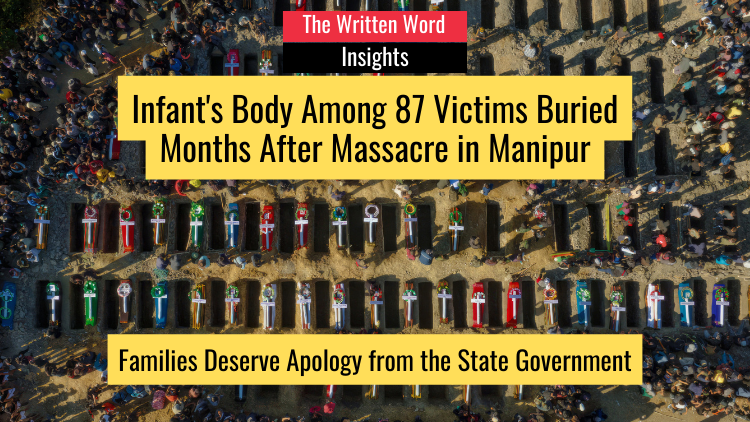
Infant Among 87 Victims Buried Months After Manipur Violence
Eighty-seven Kuki-Zo victims of the ongoing ethnic violence were finally buried on Dec. 20 in Manipur’s Churachandpur district. This solemn ceremony, attended by thousands, included the burial of a one-month-old infant, marking over seven months since the conflict began on May 3.

Why Govt’s Violent Crackdown on Tribal Protesters Is Alarming
In the dense forests of Maharashtra on November 20, police dismantled a protest site where Adivasi communities had been demonstrating against proposed iron-ore mines. In this act, the government also disrupted the delicate balance between state authority and citizen rights in a democracy.