
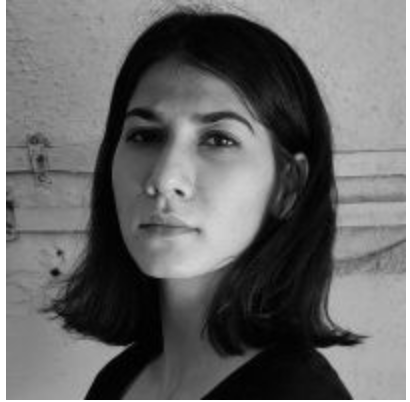
JYOTI JANGRA
Producer
I’m a journalist storyteller, of course, but also a traveler. My inspiration in life largely comes from understanding how the world functions. It lies in learning new things, having new experiences, exploring new places and meeting new people. So, travel helps and that’s what I do frequently.
Today, journalism has taken many forms, but, to me, its objective is to help people – just as I help myself – make informed and conscious decisions for the greater good of society.
I believe that a journalist must listen to people and tell their stories. And tell those stories in an honest manner. For, that’s what brings positive change and that’s how audiences are able to cross all their – cultural, economic, gender-based and geographic – boundaries. I use visuals to tell such stories.
I can be contacted at Jyoti@Newsreel.Asia.
Video Features by Jyoti Jangra

To investigate if your 9-5 corporate job has labour laws for your safety and well-being, Newsreel Asia producer Jyoti Jangra travels to India’s Silicon Valley—Bengaluru—to find out a quiet crisis unfolding inside corporate cubicles: the crumbling mental health and legal protections of India’s white-collar workforce.

Newsreel Asia producer Jyoti Jangra takes us across India – from ghost villages in Uttarakhand to flood-ravaged coasts of Odisha, conflict zones in Manipur and submerged hamlets in Himachal Pradesh – to uncover a silent, growing crisis: distress migration.

“Home Is Not a Place” is a documentary that began as a personal search. When Nepal-based Lhakpa Choedon, an art director and interdisciplinary creative, discovered that her grandmother had been kidnapped and forced into marriage, she began asking questions about her family’s past, about the women around her and about a tradition many would prefer to forget.

Sadhu Sundar Singh, a Christian pastor in Odisha’s Balasore district, works with Adivasi communities to curb alcoholism, violence and unsafe drinking practices. However, because he also shares his Christian faith with them, he has received death threats. He insists that belief is a personal choice protected by the Constitution, but Hindu nationalist groups see tribal conversions as a threat to indigenous culture and a push toward a “Western” religion. The resulting tension has triggered violence and unrest.
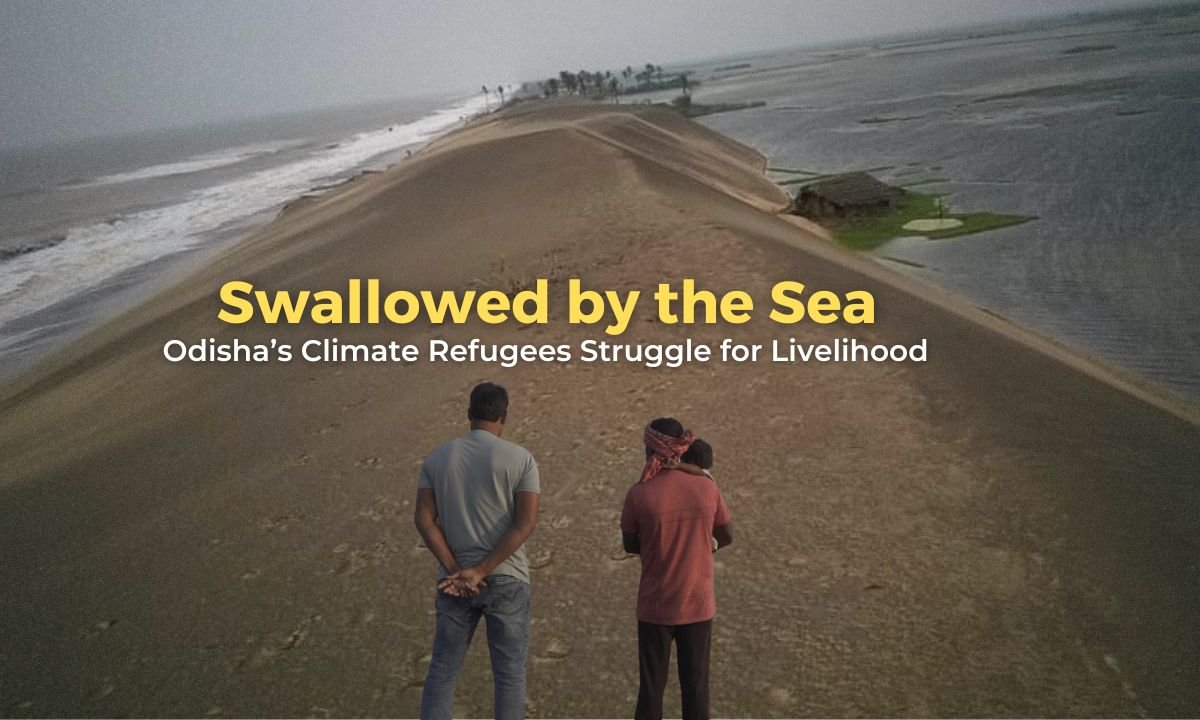
Prasanna serves as the sarpanch of Satabhaya Gram Panchayat in Odisha. Satabhaya, once a cluster of seven villages, is believed to be the first region affected by climate change in India. Prasanna, who spent over two decades as a migrant worker in Kerala before returning to his village, recounts the heartbreaking story of his coastal home and delves into the relentless struggles of fishermen and farming communities who have lost lives, shelter, land and livelihoods.
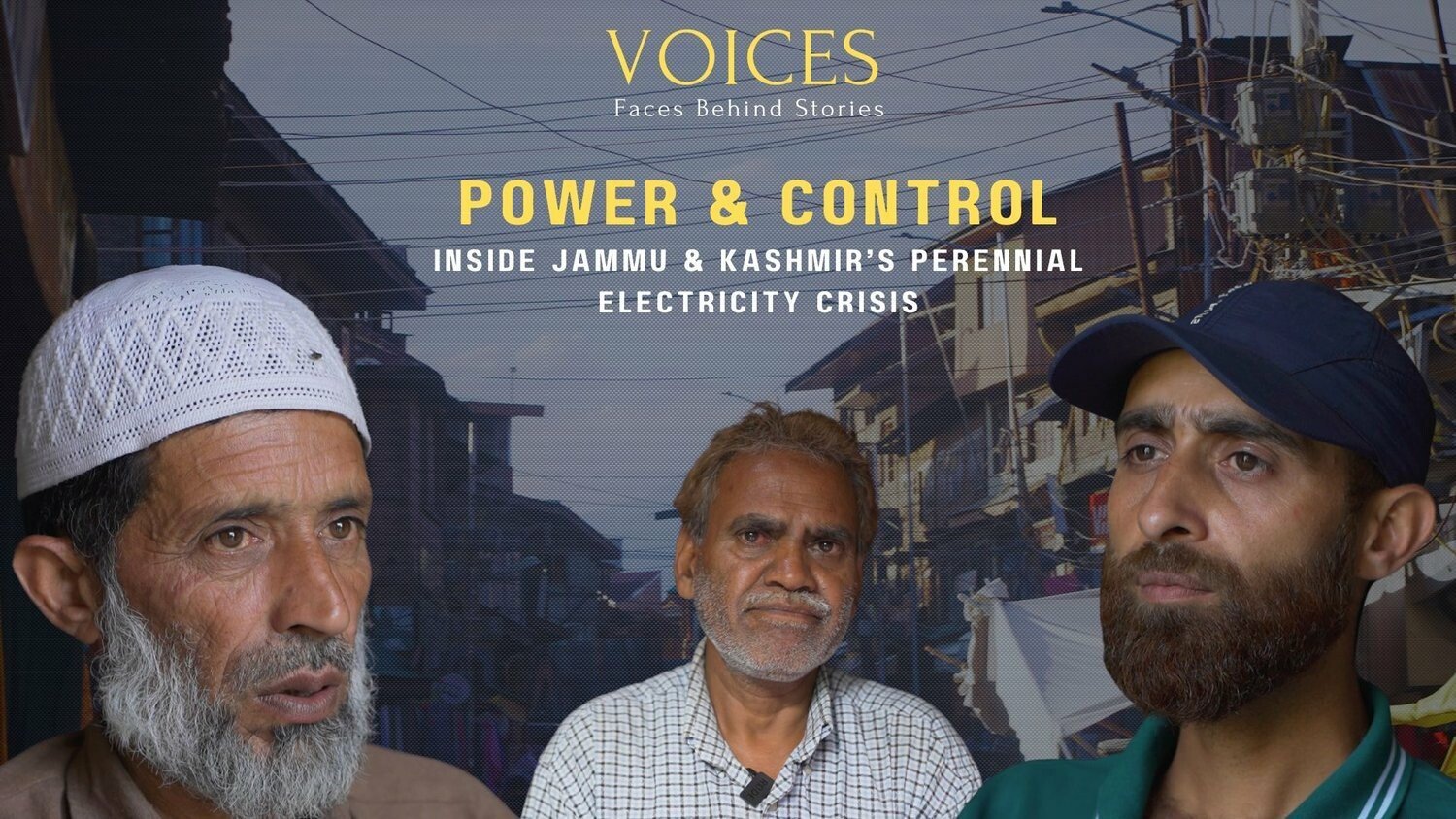
In the Union Territory of Jammu & Kashmir, households commonly face frequent power outages and struggle with unaffordable electricity tariffs. This, despite the region's immense potential for hydroelectric power generation. Asad Ullah Mir describes the developmental injustices his community endures due to the extraction of hydroelectric power. Meanwhile, Abdul Hamid, a 50-year-old resident of Dal Gate in Srinagar, discusses the tough choices low-income families must make between electricity and basic necessities. This raises a pressing question: Why must the people of this region endure cold, dark winters?
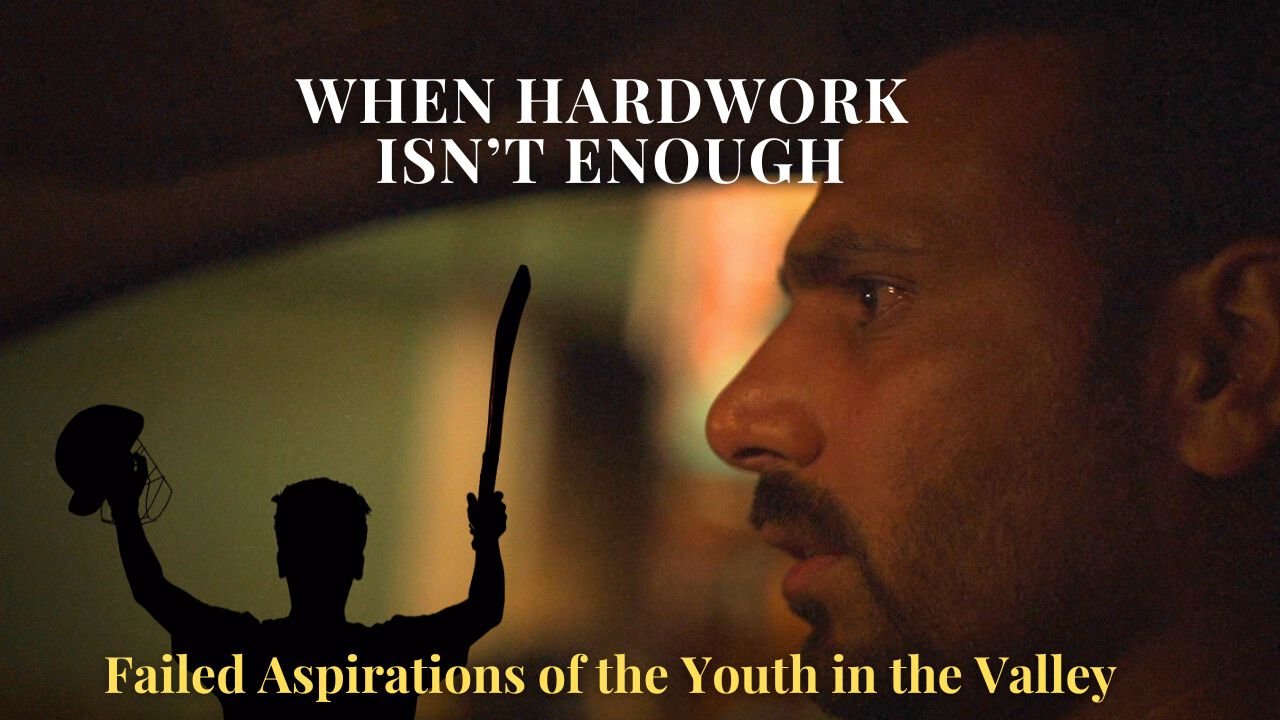
Irshad, a 32-year-old cab driver from Kashmir, embodies the dreams and disillusionment of many in his homeland. Once a promising cricketer and a Master’s degree holder in English Literature, Irshad’s quest for meaningful employment for over a decade drew a blank. Unemployment, mostly fuelled by the political and economic instability in Jammu & Kashmir, has left the youth with unfulfilled aspirations. Recent data suggests Kashmir has an astounding unemployment rate of 24.6%, significantly higher than the national average of 6.1%. The ripple effects are tragic: rising crime, rampant drug addiction, and an alarming increase in suicides.
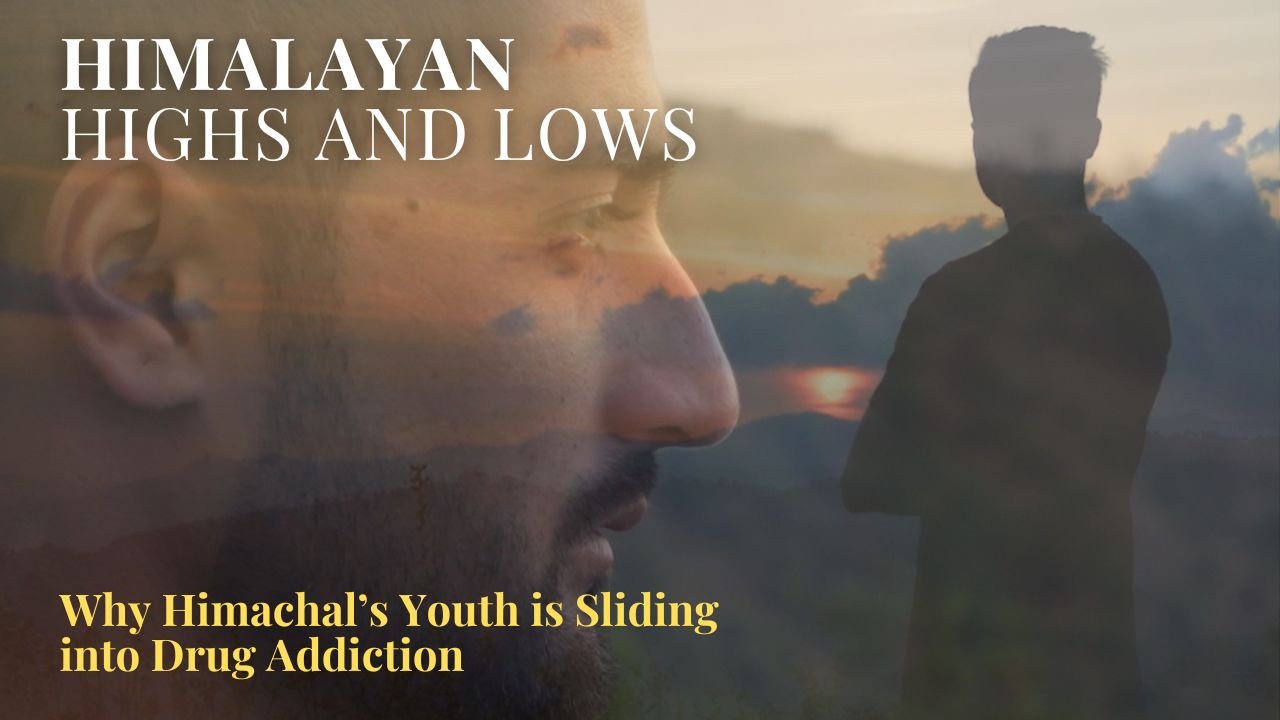
Chetan Shyam, a 27-year-old from Shimla in Himachal Pradesh, was a bright student inspired by his revered grandfather. His life took a drastic turn when he first consumed ‘bhaang,’ a locally popular cannabis derivative, as a child. In Himachal Pradesh, where cannabis cultivation and consumption are culturally ingrained, drugs are easy money and a gateway to more dangerous substances. Chetan also spiralled into synthetic drug addiction, abandoned his education, and turned to drug peddling to sustain his habit, leading to his social downfall. He believes societal shame on addicts perpetuates their struggle, driven by a system of greed involving locals, complicit police, drug mafias and politicians.

Sawmte, a 17-year-old from the Kuki-Zo tribe in Manipur, is deeply affected by the ethnic violence that erupted involving the majority Meitei community and the Kuki-Zo tribal people on May 3, 2023. On witnessing the attacks on their community by Meitei extremist groups, who were allegedly joined by sections of state police, the Kuki-Zo youth – including some teenagers like Sawmte – have put their dreams on hold to defend their tribal homeland. The ongoing struggle casts a long shadow over Manipur’s future, threatening to shape a generation defined by conflict and division.
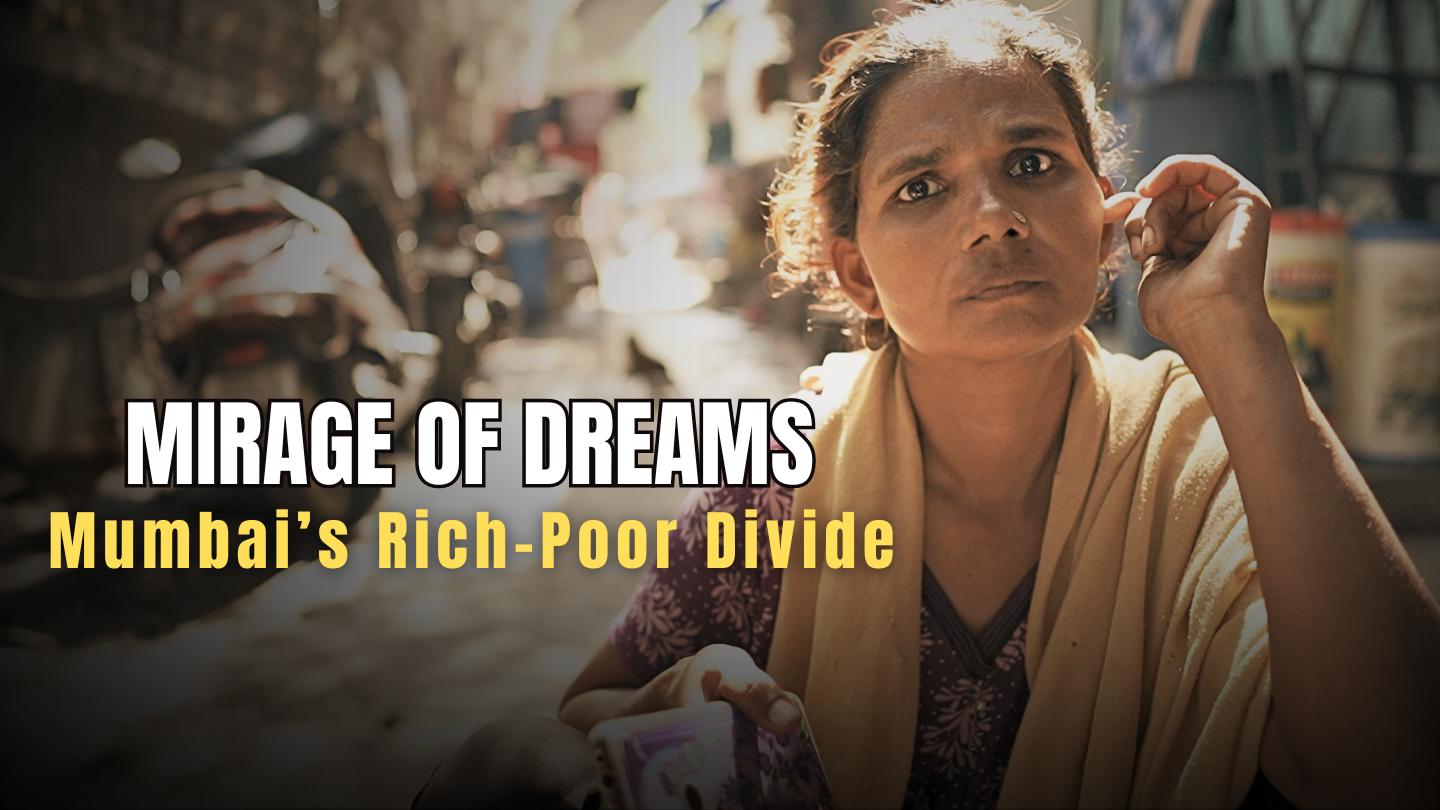
Nearly half of Mumbai's population resides in slums mirroring the spatial and economic fragmentation seen across Maharashtra. This economic inequality disproportionately impacts the most vulnerable. Jahana, who arrived in Mumbai at the age of 14 with her father in pursuit of a brighter future, has seen little improvement in her circumstances. Amidst the struggle to survive within Mumbai's stark rich-poor divide, she encountered tragic events when her children fell ill due to the poor living conditions in the slum. Jahana fears whether she will be able to secure a better and healthier future for her children.
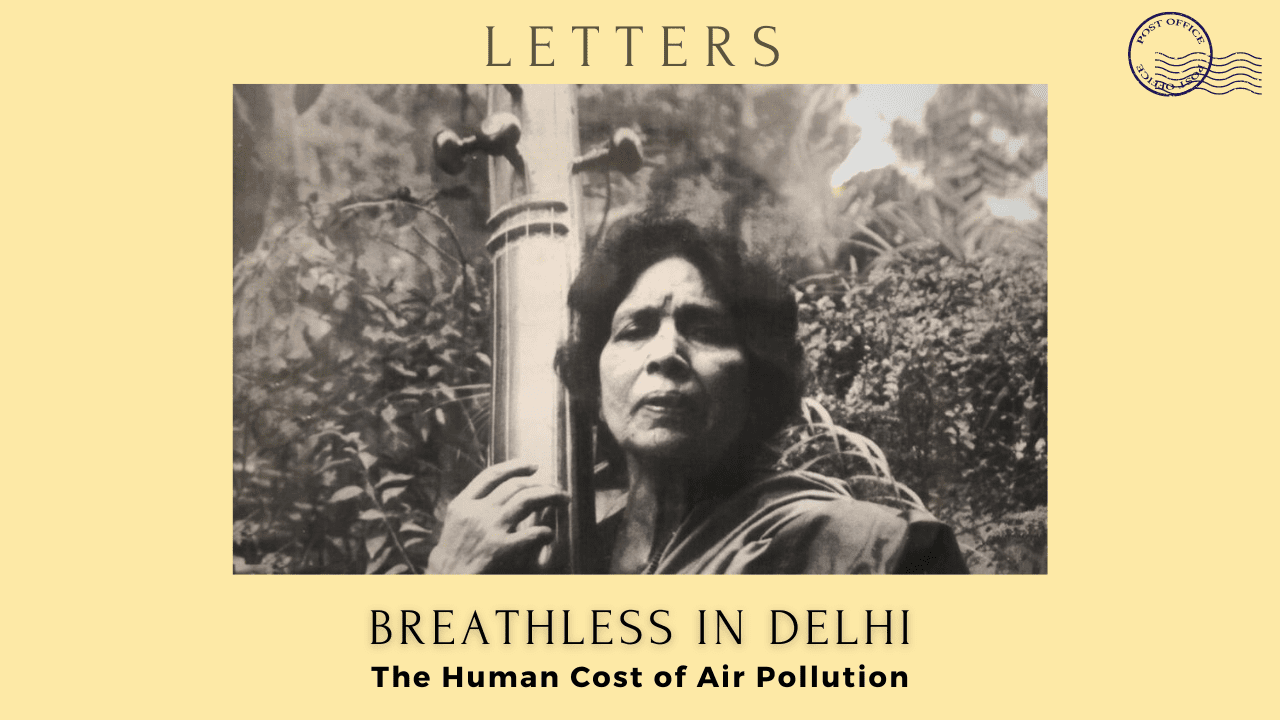
If you are living in Delhi, you might lose 12 years of your life because of air pollution. Jyoti Lavakare Pande, an author and a journalist from Delhi, writes an open letter to highlight the intensity of pollution in Delhi. She reflects on her mother's vibrant and resilient life, filled with smiles and melodies. Her mother, Kamale Pande, a classical vocalist, was diagnosed with terminal lung cancer, struggling for every breath in Delhi's pollution. She pens down her mother’s journey to raise awareness about the invisible killer looming in Delhi’s air.

Maharashtra holds the unfortunate record for the highest number of farmer and farm labourer suicides in India, witnessing an average of 11 deaths per day as. This grim reality forces many women, including Sarika, to fend for themselves and their families. Despite facing adversity, Sarika persists with unwavering determination to provide for her children.
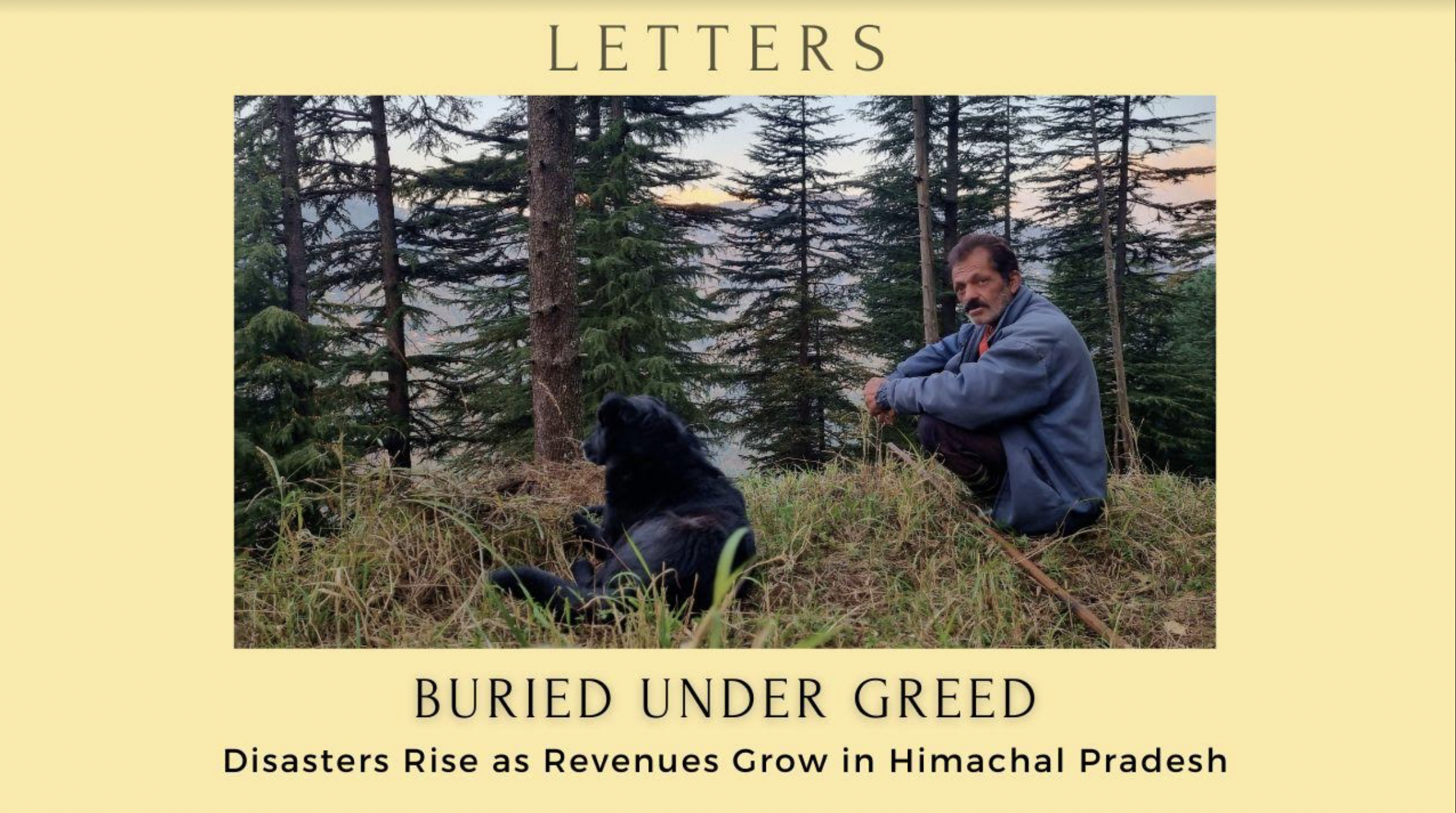
Jai Chand, a farmer from Shimla's Kumarsain Tehsil in Himachal Pradesh, faced a devastating nightmare when a landslide claimed the lives of his son, daughter-in-law, grandson and destroyed their home. He and two other family members survived, but now they endure a life marked by grief and hardship.
Tulsi, a former Naxalite, was forcibly abducted and had no option but to join the Maoist army, suffering greatly under the insurgents. In the same Maoist-State conflict in Chhattisgarh state, Soni Sori, a former educator and tribal rights activist, endured brutality and sexual assault at the hands of the police. In the volatile region of Bastar, often referred to as the "Red Corridor,"…

Kuldeep, a young man in Uttarakhand state, is one among countless individuals who have abandoned their native villages, and traditional farming, to migrate to big cities in search of employment. A few kilometres away, an elderly couple, Yashoda Devi and Ramesh Chand, bear witness to this mass migration, living alone in their now desolate village.
Gulfisha Fatima, a former student turned activist from Seelampur in Delhi, was arrested by the Delhi Police in April 2020. Alongside numerous other activists who participated in the anti-CAA movement, she faced charges under anti-terror laws and was booked under the stringent UAPA (Unlawful Activities Prevention Act).
Young women Laila and Rajanti, like many other women from Madhya Pradesh state's Sahariya tribe, were able to conceive. However, what happened after the birth of their children was not in their hands. The Sahariyas are one of the 75 "particularly vulnerable" tribes of India.

Adarsh Kumar, a self-motivated, bright student from Bihar, aspires to pull his family out of poverty. However, he has little more than his resolve to take him closer to his dream, by serving in the Indian Army. To pass every stage of recruitment, and there are many, can his determination compensate for…
Ravinder Kumar Mehra, a resident of Himachal Pradesh state, still feels uprooted, 50 years after his family was displaced from their land. Tens of thousands of other families also continue to pay the price for the construction of Pong Dam on the Beas River, even as justice remains a distant dream.

Shreya went through panic attacks after being sexually harassed by men in Delhi, India?s national capital which is also known as the country?s most unsafe city for women. Her fear led her to look for empowerment, which she finally found. But that didn?t mean she was now safer than other women in the city.
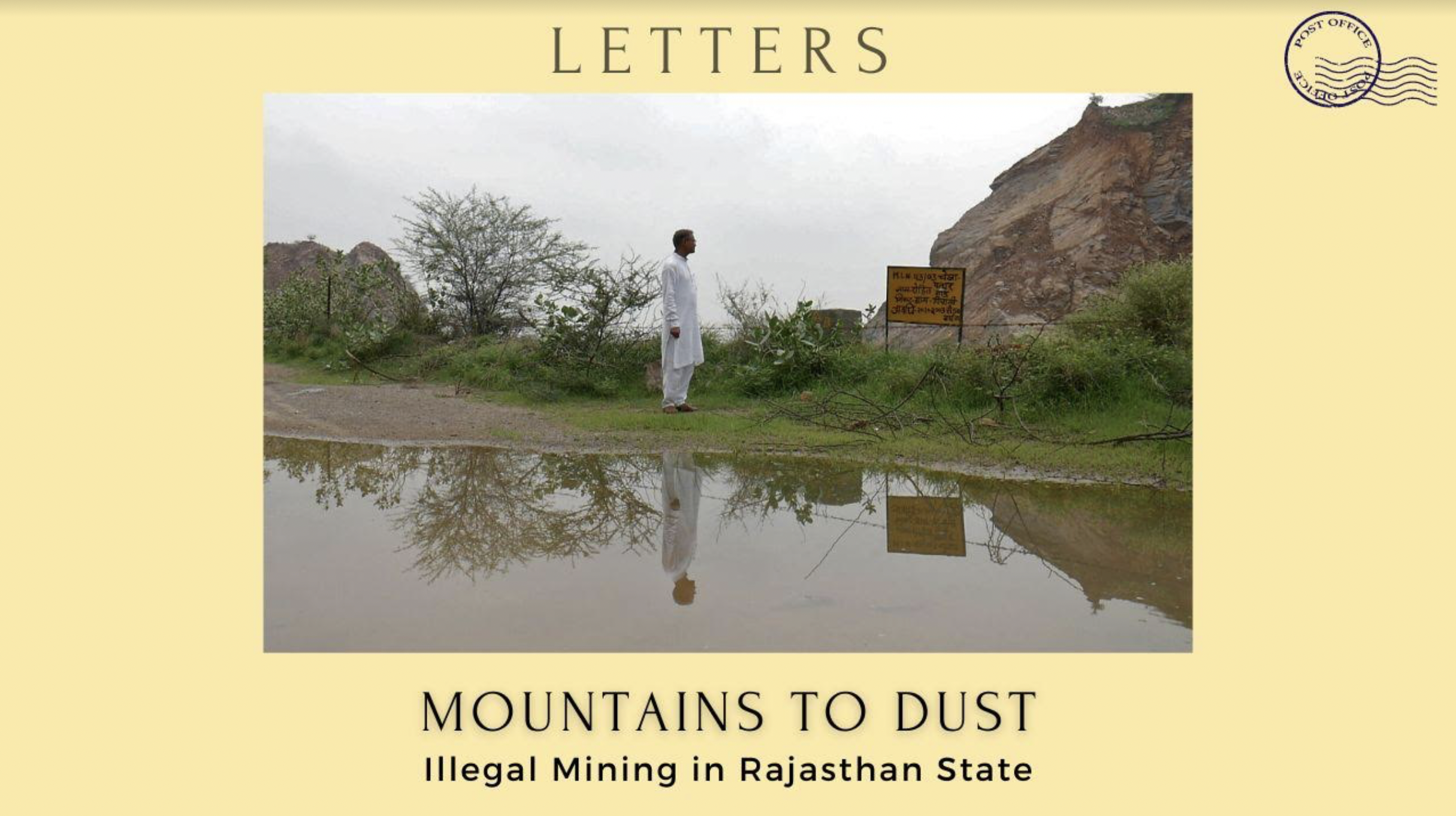
Radheshyam Shukhlawas, a farmer-turned-activist, lives in Rajasthan state?s Shukhlawas village in Kotputli district. People in his village and surrounding areas are dying one after another, as unregulated mines are causing particle pollution leading to lung diseases like silicosis…
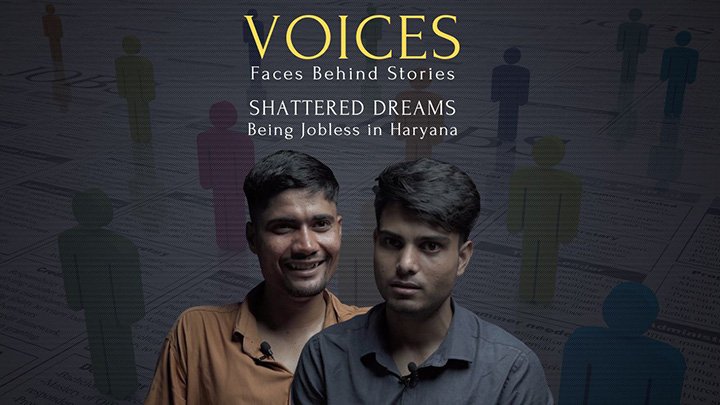
Sunil Kumar, 22 and Neeraj Jangra, 24, are two of the hundreds of thousands of unemployed youth in the predominantly agricultural state of Haryana who have dreams tied to their ability to earn a living. Those dreams may be shattered if they continue to remain jobless, as agriculture is now largely unsustainable…
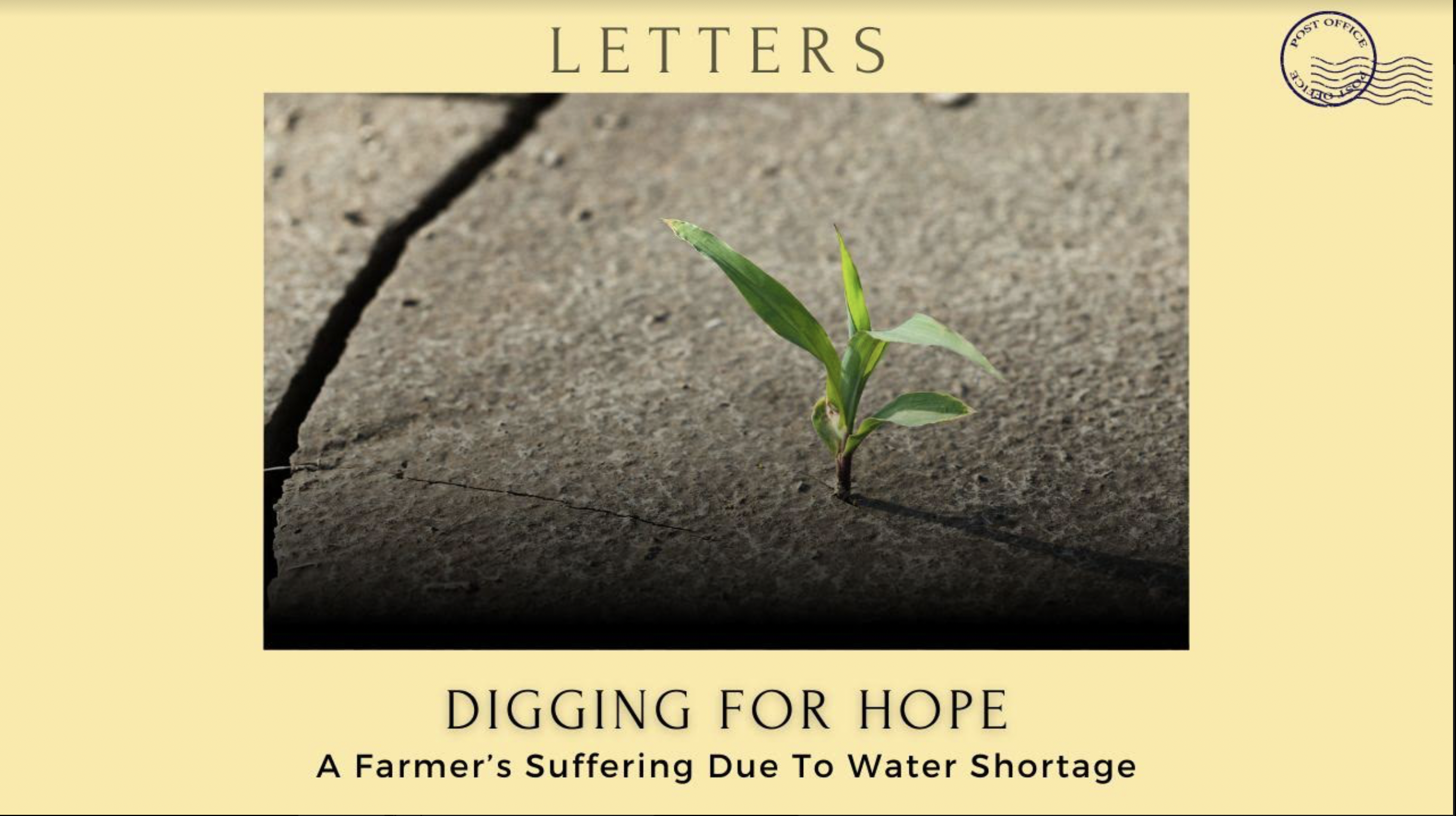
Sudhir Yadav is a farmer who lives in one of the 78 sub-districts of Haryana state where the groundwater is depleting faster than it can replenish. Yet, like other farmers, he had no option but to keep digging deeper and deeper into the ground in search of water for irrigation until he learned the hard way.

Few kilometres from the India-Pakistan border, people in Barmer district of the western state of Rajasthan face extreme water shortage. In scorching heat, women in this desert area spend several hours fetching water from the nearest wells. On an average, they walk about 2.5 kms to reach a water source and make many rounds each day.
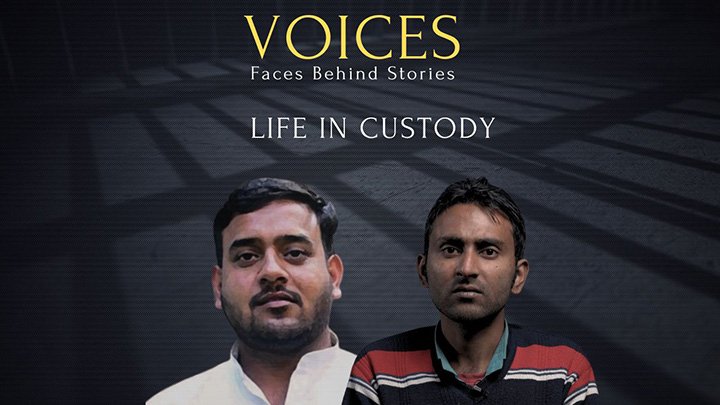
Police in Uttar Pradesh state arrest, on average, more than 300,000 residents each year, out of which tens of thousands end up in judicial #custody as accused. On paper, the State assumes responsibility for a person that it takes into custody, but, in reality, police and jail authorities blatantly rob detainees…

Sheeraz Ali's eight-year-old daughter, Rahima, fell ill with a "mysterious" viral fever, which spread like a wild fire among children in Uttar Pradesh state's Firozabad district in August 2021. In a letter to the district administration, Ali pours out his heart as he narrates what happened after Rahima's sickness.
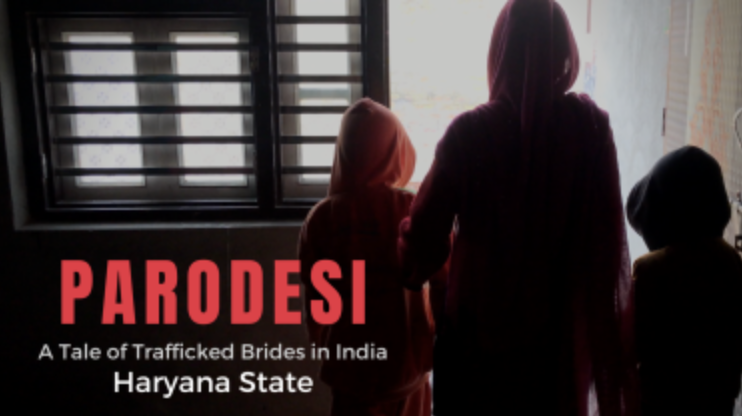
Suman (name changed) was trafficked from Kolkata city to a village in Haryana state to be married to a man. With the sex ratio of 911 females per 1000 males, as per the National Family Health Survey-5 (2020-2021), Haryana has more than 130,000 trafficked brides who come from impoverished parts of India.
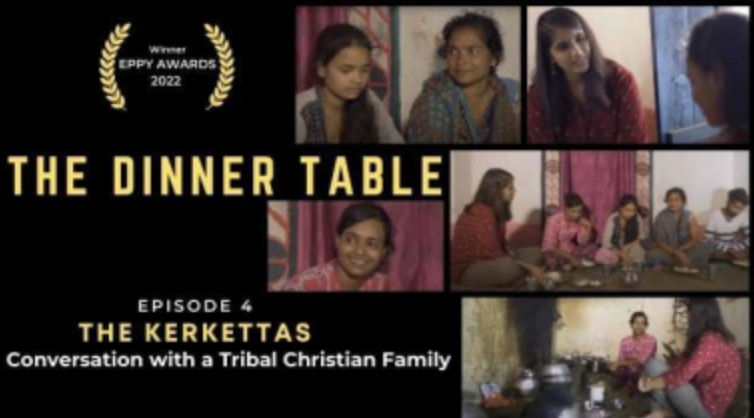
Reena Kerketta, one of India’s 6.6 million tribal Christians, is recovering from a severe head injury she sustained after an attack in her home in the tribal-majority Khunti district in the eastern state of Jharkhand. Host Harshita Rathore visits the Kerkettas to explore what identity-based discrimination …
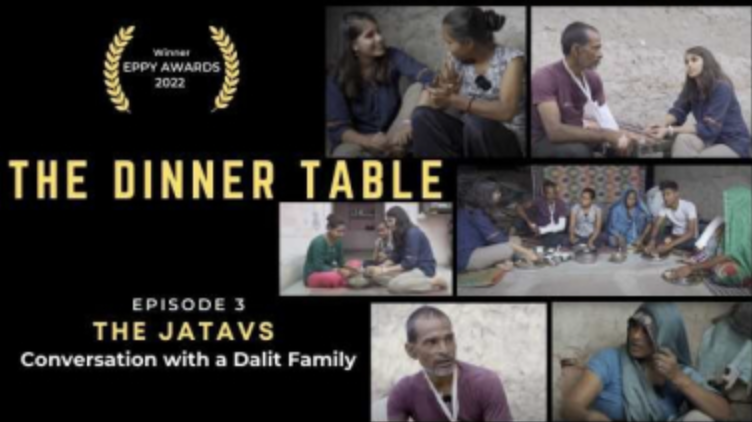
Jawahar Singh Jatav, one of the more than 160 million Dalit people in India, is still recovering from his injuries after he and his family were attacked for drinking water from a tap inside a temple in Rajasthan state?s Bharatpur area. Host Harshita Rathore visits the Jatavs…
How two Muslim minority women sisters faced unfair treatment by Karnataka Police. Behind Bengaluru's giant tech offices lies a darker truth of the crimes against minorities of the state. The two Muslim women, both single mothers, now fight for survival every day. What began as a dispute with their landlady turned into a cascade of abuse, threats, and systemic neglect.