
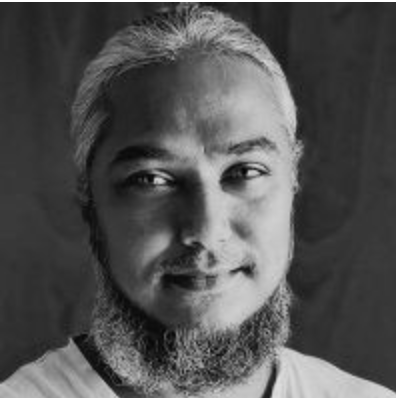
GANESH RAJARAMAN
Senior Producer
I have always been fascinated by storytelling; my mom introduced me to epics and literature through stories - even a math problem was explained with a story, and it stuck on.
Having learned from the best minds during my stints at various media houses, I ventured out to work as an independent media resource specialist. With the technical expertise in my hand, I went back to the basics of finding stories to tell, and that led to a myriad of gigs that have sustained and deepened my interest.
I am most comfortable in the field, meeting people, listening to what they have to say and doing my best to portray those for the world to see.
With over 15 years of experience in media, I bring my own perspective and much of my sensibilities into each film I direct, shoot and edit — which makes the narrative stand out. I have also had opportunities to work with some leading NGOs.
I have been conceptualising, creating and executing video content across mediums, including music festivals and events. On the broadcast front, I have produced, directed and scripted a 10-part series for the Discovery network’s Travel and Living show called the 'Great Indian World Trip.'
I can be contacted at Ganesh@Newsreel.Asia.
Video Features by Ganesh Rajaraman
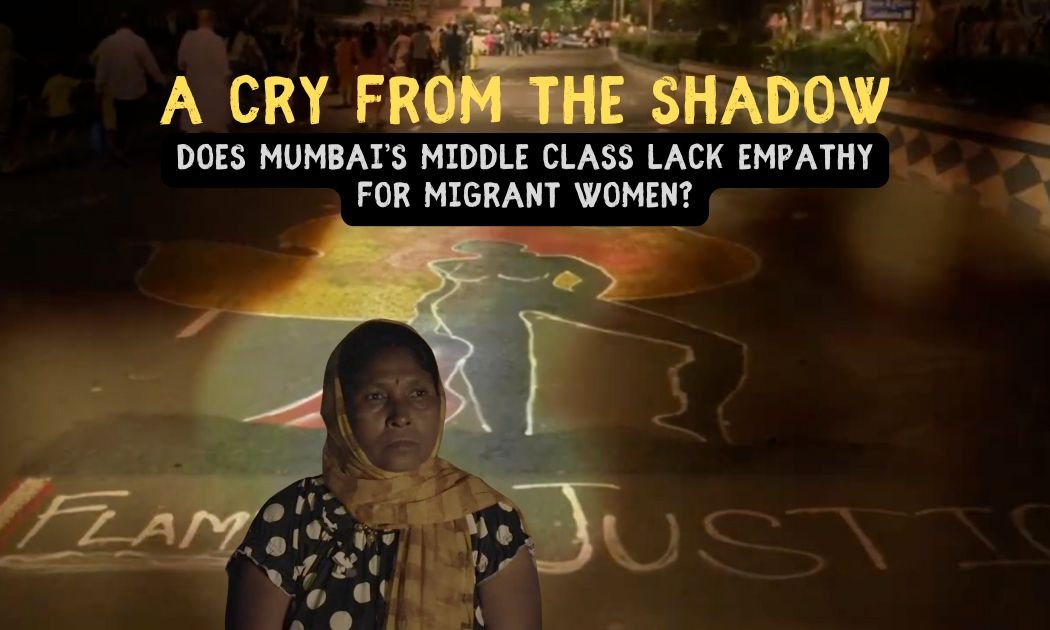
Srimati, a Dalit migrant woman, lives on the streets of Mumbai with her son Shiv Sagar and her daughter after city authorities demolished her home in Jai Bhim Nagar. While she was worried about men leering at her daughter, she learned of a “Reclaim the Night” protest organised by women from a nearby housing society. That protest was in response to the August 2024, rape and murder of a 31-year-old trainee doctor in a hospital in Kolkata. Hoping to voice her own family’s safety concerns, she went with other displaced women from her hamlet. But what she experienced at the protest, left Srimati feeling that the middle class extends empathy perhaps only to its own.
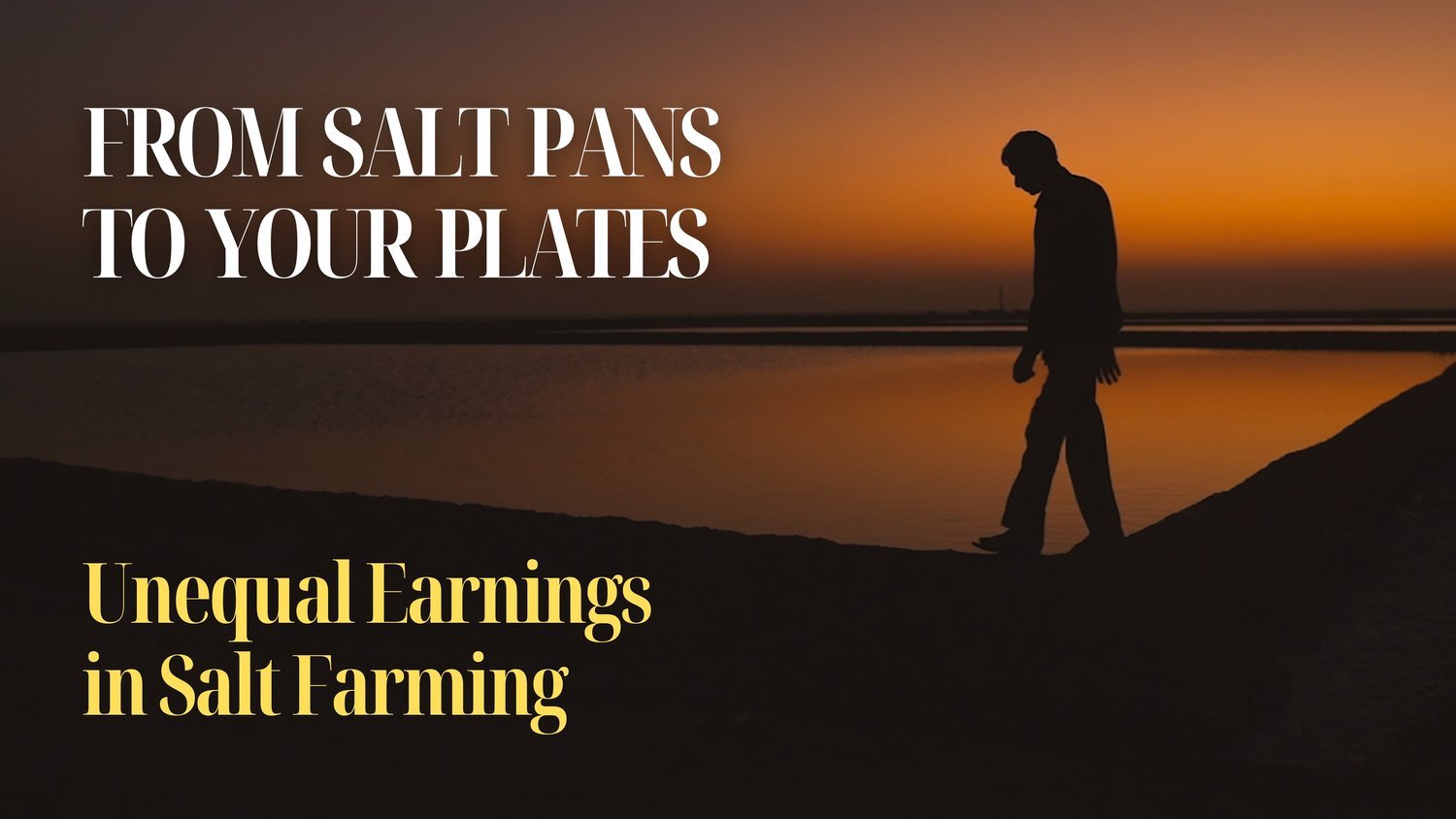
Gujarat stands as India’s foremost salt-producing state, contributing 85% to the nation's total salt output. Within Gujarat, 31% of this production originates from the Agariya community living within the Little Rann of Kutch. Despite being the primary contributors to the salt industry, the Agariya people find themselves receiving the smallest share of profits. Furthermore, they grapple with the adverse effects of climate change, directly impacting their livelihoods. In this narrative, Bhopa and Gunand, two Agariya salt farmers, shed light on the disparity in earnings within the salt farming sector.
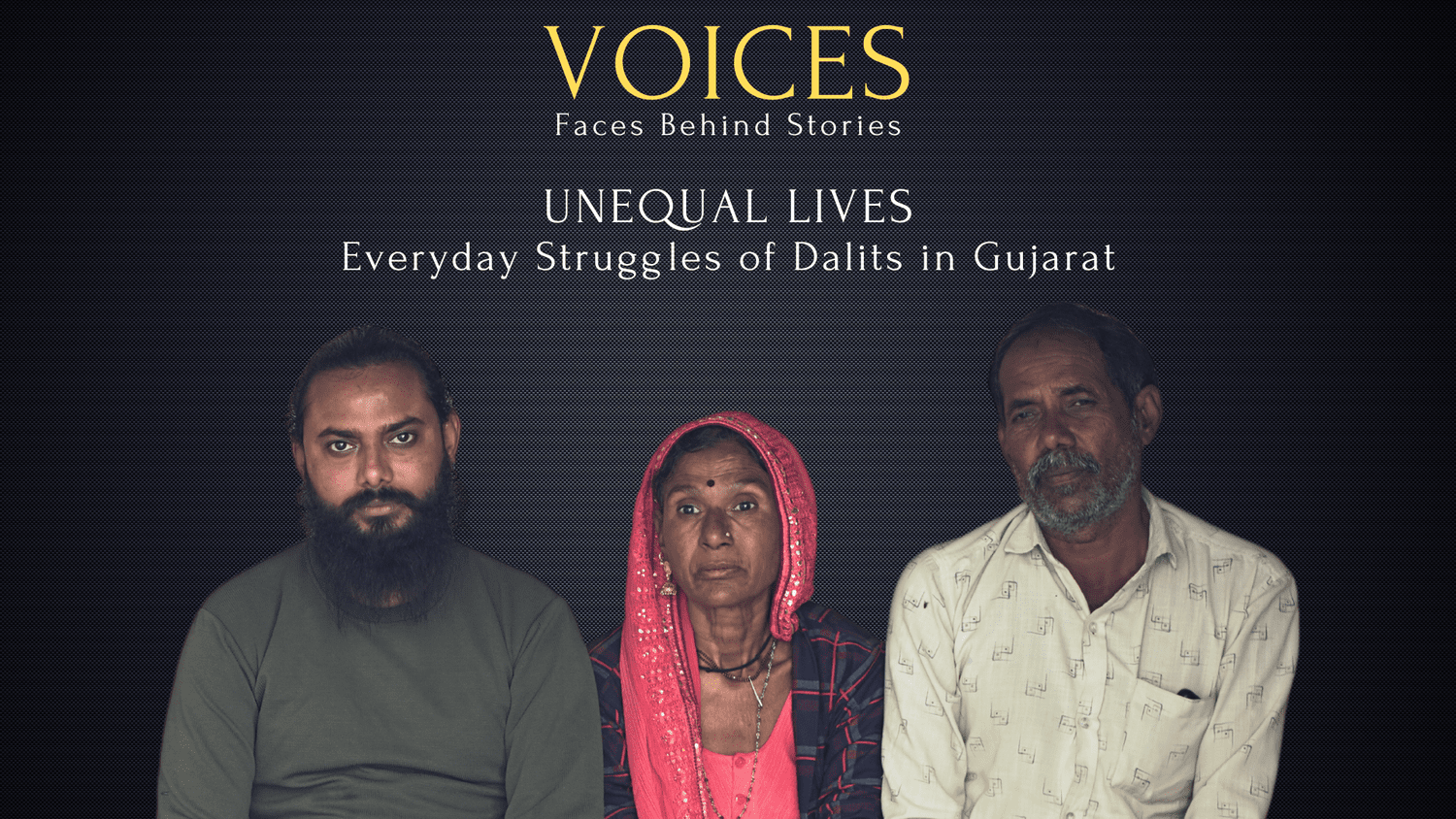
Bhupat Bhai Sekhaliya, a diligent and hardworking rickshaw driver from Gujarat, belongs to the Dalit community. Despite his unwavering dedication, the respect he deserves eludes him, particularly from individuals of "upper" castes in his vicinity. Many daily activities, deemed "normal" for any resident, remain inaccessible to him. Defiance can lead to physical assault. However, Bhupat's story is not an isolated incident. In Gujarat, the spectre of violence against Dalits looms large, with an average of four cases reported daily. The past seven years have seen a staggering total of over 9,000 documented instances of such violence.
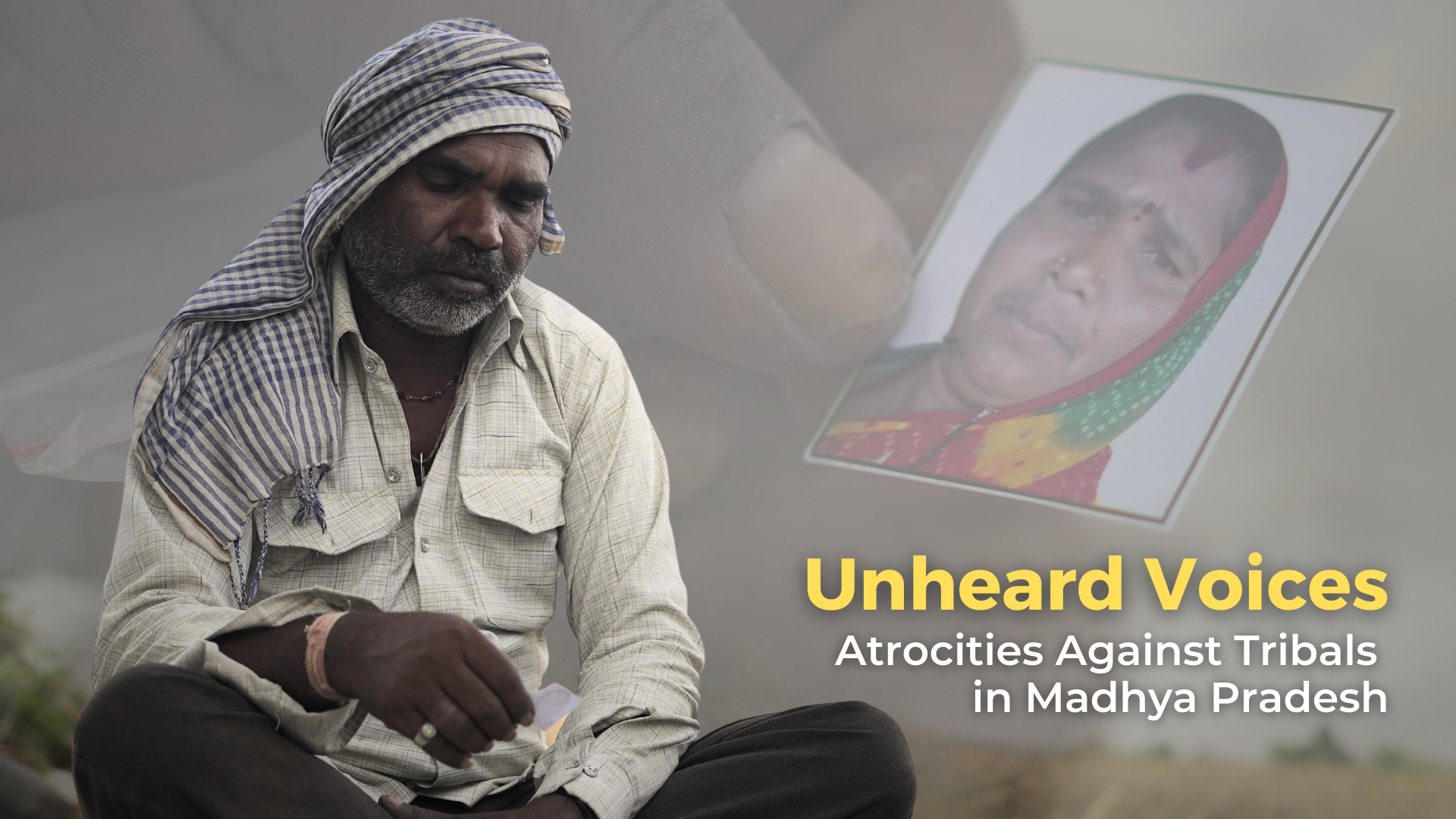
Arjun Sahariya, a member of Madhya Pradesh’s Sahariya tribal group, courageously opens up about the atrocities inflicted upon his family. His situation is a representation of the increasing number of atrocities against tribal groups in the central Indian state which boasts the highest population of tribal communities.
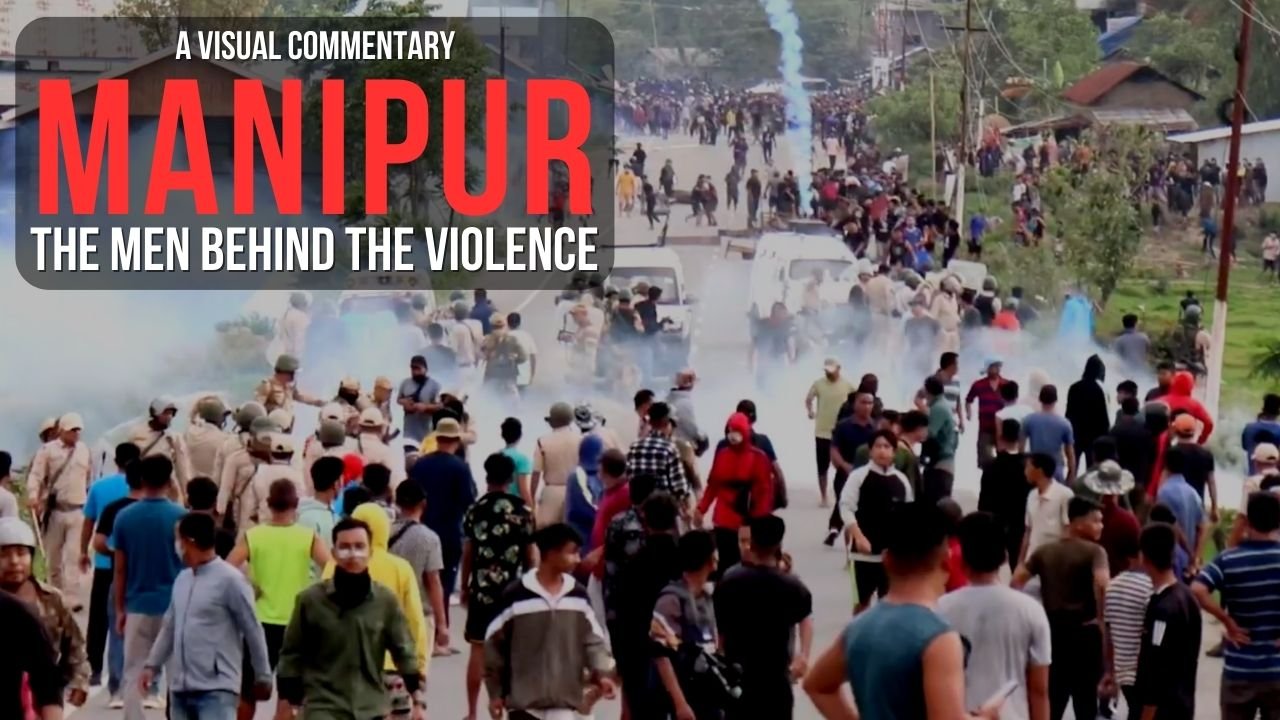
Newsreel Asia revisits Manipur, a state in Northeast India, now besieged by near-daily attacks since May 3, 2023. Moving from survivors' homes to violence epicentres, this mini-documentary investigates alarming accusations that implicate both local extremist factions and state security forces in the attacks on the Kuki-Zo tribal community.
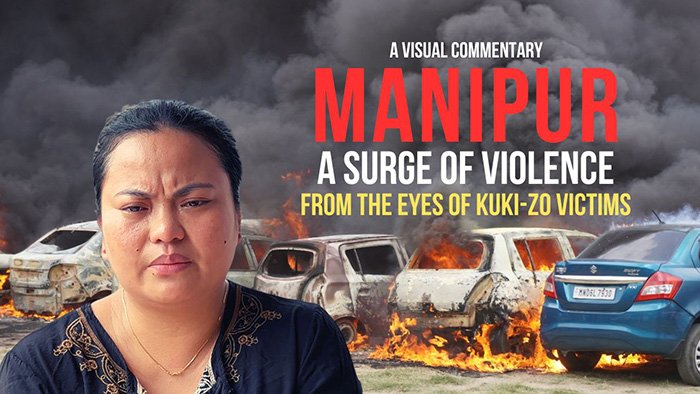
Kai Neu, a nurse, and Thanghoulal, a driver, represent many from the Kuki-Zomi tribes who have suffered ceaseless violence since May 3, 2023, in Manipur, a state in Northeast India. They inhabit Churachandpur district, which remained inaccessible with no Internet connectivity either.
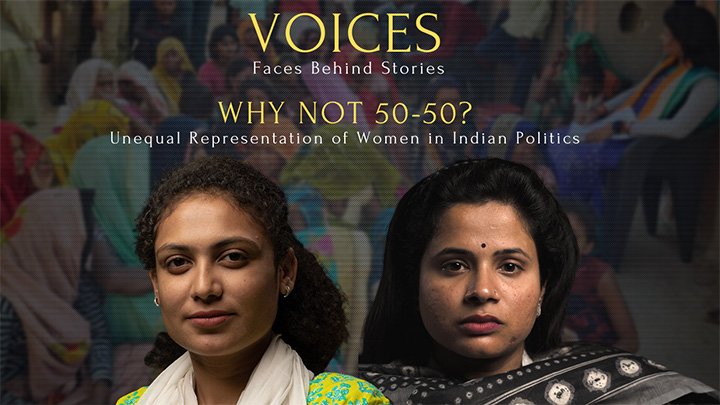
Rashmi Singh and Sadaf Khan, like many women in Madhya Pradesh state, aspire to participate in public life by running for elections. They have joined the ongoing movement advocating for equal representation of women in Indian politics. Presently, women hold less than 15% of seats in the country's parliament and most state Assemblies.
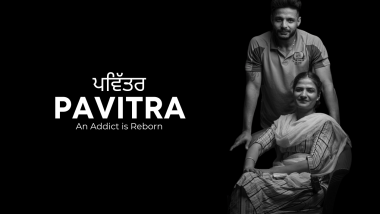
It was out of curiosity that Pavitra tasted alcohol for the first time when he was at school. His adventure soon turned into drug abuse, addiction.... and even crime. The story of Pavitra, who lives in Punjab state's Sri Muktsar Sahib district, may resemble the stories of nearly four million people in the state who abuse substances.
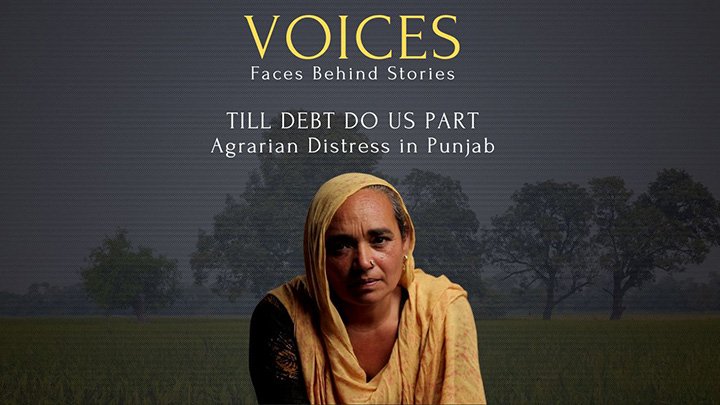
Deep in debt, Gurjeet Kaur’s father lost hope, and interest, in life. Kaur’s brother, who inherited the debt, followed suit. Like Kaur, thousands of women in the agricultural state of Punjab have similar stories to tell, as farming is becoming increasingly unsustainable and more and more farmers are finding themselves…
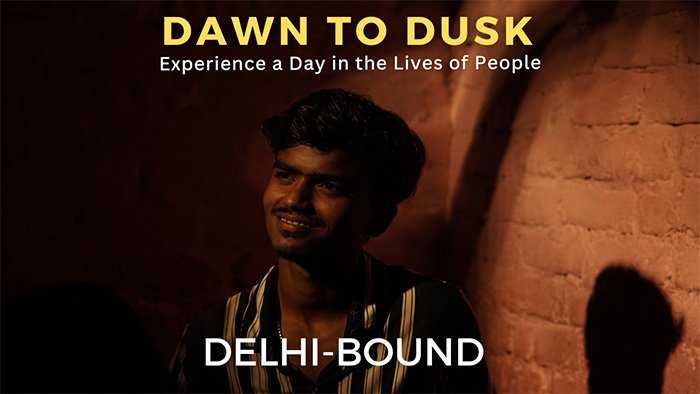
Munna Singh, 19, a second-generation migrant worker, is a full-time supplier of water bottles and a part-time dog walker in the slums of Govindpuri, Delhi. As he is working hard to make ends meet for his family, his life resembles that of millions of interstate migrant workers in India’s capital. Here’s a day in his life.
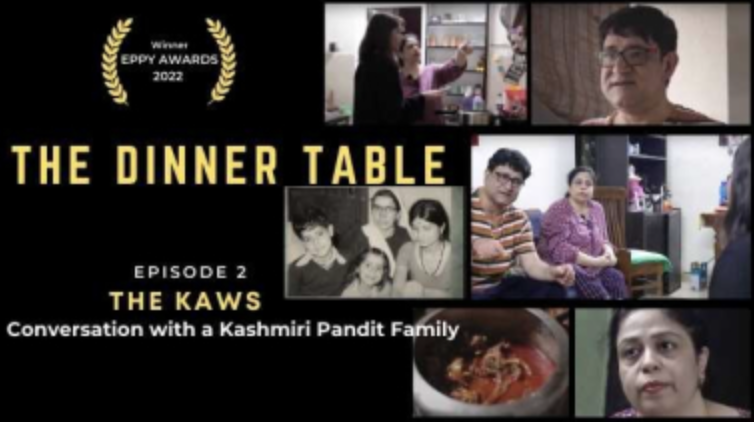
Fleeing Kashmir in 1990, as over 70,000 other families did under threat from violence by Islamist militants, the Kaw family resettled in the northern India but they still miss their home. Host Harshita Rathore explores what identity-based discrimination and violence do to the minds and hearts of members of a community.
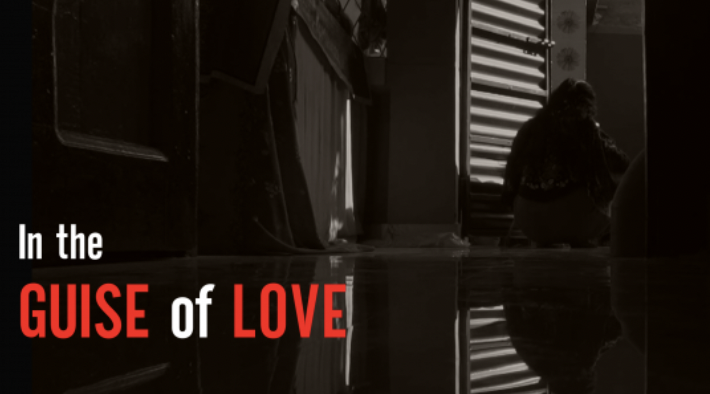
Shaheen (not her real name) is one of many women in West Bengal state?s Murshidabad district who believe that when men propose for marriage, they do so out of true love, not knowing that it could be mere pretence of love being used by human traffickers to sell them for labour or sex, or both.
Meghna Prakash, a poet and mental health therapist, shares her struggle with a mental health disorder. Recording episodes of her past experiences as she coped, she provides deeply personal insights into her condition. Borderline Personality Disorder (BPD) affects about seven in 1,000 individuals in India, with women being more commonly afflicted, according to estimates. Worldwide, BPD impacts around 1.4% of the adult population. Meghna's story shows the impact of one of the numerous mental health issues that are frequently misunderstood and neglected in India.