
NEWS BRIEFING December 2023
As 2023 draws to a close, a reflection on the year’s significant events reveals a notable contrast: the resilience of ordinary citizens and a few national triumphs serve as a counterbalance to the tragedies and erosion of civil and political rights that have marked these months.

The scope and certain provisions in the Broadcasting Services (Regulation) Bill, 2023, raise critical concerns about the future of media freedom and the independence of digital journalism in India, according to analyses by independent media outlets.

There is new evidence of the ongoing use of Pegasus spyware against Indian journalists, says a report released on Dec. 28 by Amnesty International and The Washington Post. This comes about two months after Apple alerted iPhone users globally, including over 20 journalists and opposition politicians in India, about potential targeting by state-sponsored attackers.

India’s fiscal deficit is likely to exceed the 5.9% of gross domestic product (GDP) target, according to India Ratings and Research. Though by a small margin, the increase could have several implications for the Indian economy and its citizens.

The pervasive culture of perjury in Indian courts – termed by the Supreme Court as a “way of life” – has led to a significant erosion of truth, resulting in miscarriages of justice that devastate lives and diminish public trust in the legal system, according to a media report.

The President of India on Dec. 25 gave assent to three controversial criminal law bills, marking a pivotal moment in the nation’s legal history. Citizens can expect a significant shift in the balance between state power and individual rights in the country.

The recent civilian deaths in Kashmir, allegedly at the hands of the Indian Army following a rebel attack, require a critical evaluation against the backdrop of the “human security” approach. This framework, adopted to varying extents by many countries, can serve as a crucial reference point to gain a deeper understanding of the core issues behind the tension between national security and human rights.

Rajasthan has introduced robotic cleaners, a significant technological advancement aimed at replacing manual scavenging. While this represents a notable step forward, it may not scratch the surface of a deeper, more profound issue: the persistent lack of dignity imposed on Dalits, the community most affected by manual scavenging. After all, the problem of manual scavenging is not merely technical but deeply human.
The ousting of the Wrestling Federation of India chief Brij Bhushan Sharan Singh over sexual harassment allegations, followed by the election of his close aide as the new president, is a narrative deeply intertwined with the challenges faced by athletes in a system where political power often overshadows gender justice and sporting merit.

The recent suspension of over 140 Members of Parliament in India marks a pivotal moment in the country’s political journey. This action, as noted by Pratap Bhanu Mehta, Contributing Editor at The Indian Express, signals a potential shift away from the established norms of parliamentary democracy. It’s a symptom of a broader transformation in India’s political landscape, raising significant concerns about the future of democracy and its institutions.
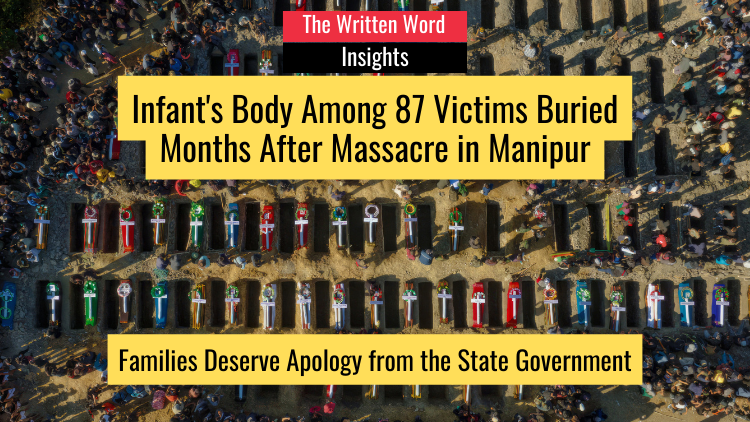
Eighty-seven Kuki-Zo victims of the ongoing ethnic violence were finally buried on Dec. 20 in Manipur’s Churachandpur district. This solemn ceremony, attended by thousands, included the burial of a one-month-old infant, marking over seven months since the conflict began on May 3.

In Gujarat, a significant number of children from migrant worker families, particularly those involved in sharecropping, are not attending school, according to a report by IndiaSpend, which says this trend is prevalent among over 65,000 sharecropping families in the state, with an estimated 50,000 children migrating annually with their parents and remaining out of school for extended periods.

Of the 170,924 deaths by suicide reported in India in 2022, more than 56,280 occurred among daily-wage workers and those in the farming sector, according to the latest report released by the National Crime Records Bureau.

A quiet transformation appears to be happening within the walls of India’s universities. The gradual restriction of academic freedom in these institutions isn’t just an issue for those within academia; its effects extend far beyond, touching the lives of citizens in profound ways.

In a recent address, Justice Rohinton F. Nariman, a former judge of the Supreme Court, shared four significant concerns regarding the current state of affairs in India, particularly in relation to the Supreme Court and the government.

The recent storming of the Lok Sabha by a group of young individuals is a breach of security but also a glaring indicator of a growing sense of suffocation felt by the youth in India, who are finding their voices muffled and their concerns ignored, leading to extreme measures for attention and action.

Madhya Pradesh’s new Chief Minister, Mohan Yadav, has declared a ban on the open sale of meat and eggs, stirring up serious concerns about its effects on public health, especially in a state already battling high malnutrition levels.
In India, as public discourse predominantly revolves around identity and ideology, crucial issues of significant importance often remain quietly simmering, receiving scant visibility. For instance, a recent UN report reveals that only one quarter of the country’s population can afford a healthy diet, and over 50% of women suffer from anaemia.

The Supreme Court of India on Dec. 11 upheld the 2019 abrogation of the autonomy of Jammu and Kashmir (J&K) under Article 370 of the Indian Constitution. What are the implications of the verdict on federalism and democracy? Here are some responses from independent media.
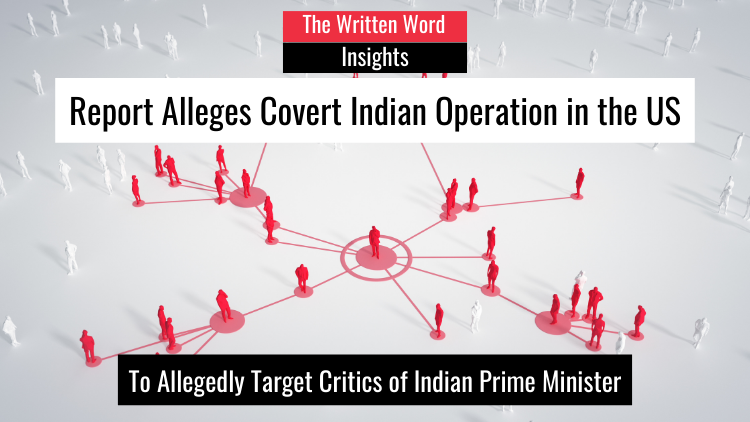
The Washington Post has reported that a “covert Indian operation,” established in the United States to combat misinformation against India, has been using social media to sway public opinion and target critics of the Indian prime minister.
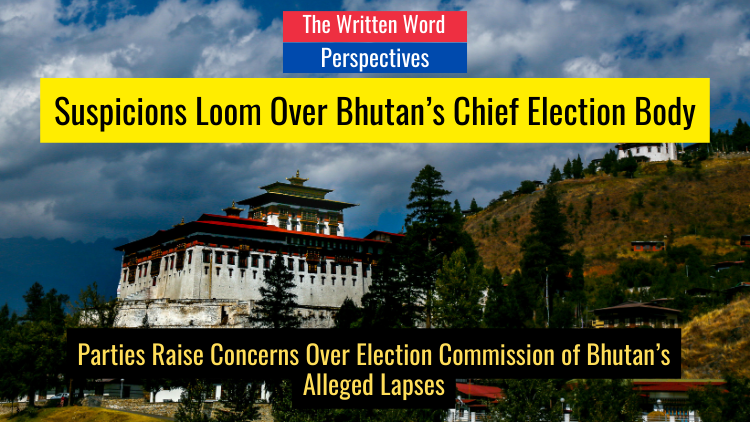
As Bhutan approaches its general elections on 9 Jan., 2024, some political parties are doubting the perceived impartiality of the country’s chief election body. Central to their concerns are alleged “oversights” by the Election Commission of Bhutan (ECB) that have ended up favouring the People’s Democratic Party (PDP), a party known for its alignment with India’s strategic interests.

Central and state government entities have significant partnerships with global technology giants like Microsoft and Google, involving sensitive health data and public funds. However, when Right to Information (RTI) queries sought details on these contracts, the government’s response was less than transparent, according to a media report. It raises questions over how our personal data is handled and the fairness of the digital market.

Menstrual cramps and arthritis pain can be intense. However, hastily purchasing over-the-counter painkillers from a pharmacy might not be the wisest choice. The drug standards agency in India has issued a warning about mefenamic acid, which is present in several popular pain relief medications.

An analysis of eight politically sensitive cases in the Supreme Court of India reveals a pattern that deviates from established norms and practices, according to the media outlet Article 14.

Recently, the Indian government revealed in the Lok Sabha that Scheduled Commercial Banks (SCBs) have written off 10.6 trillion rupees in loans over the last five years, as reported by Business Line. This practice of loan write-offs, while not directly funded by the government, has far-reaching consequences for both the economy and the general public.

Concerns about artificial intelligence (AI) in journalism eroding already fragile public trust in media have prompted the release of an international charter. This document sets ethical guidelines for AI in news media, emphasising the need for news that is accurate, diverse and ethically produced.

The draft Broadcasting Services (Regulation) Bill, 2023, emerges as a significant concern for every Indian who values their right to information. This proposed legislation, aiming to overhaul India’s broadcasting framework, carries with it the heavy shadow of censorship, particularly threatening the freedom of journalists and online media outlets.

In the wake of the Bharatiya Janata Party’s (BJP) electoral victories in three out of four states, discussions are rife about its prospects in the upcoming national elections. While political victories are often seen through the lens of party ideologies and leadership charisma, it’s crucial for voters to remember the real stakes: the governance of a nation.

In an interview with journalist Karan Thapar for The Wire, Pronab Sen, India’s former chief statistician, shed light on a crucial aspect of our economy – the way we calculate our Gross Domestic Product (GDP). For many, GDP might be a distant, abstract figure, often mentioned in news headlines but rarely understood in its full context. However, Sen’s insights reveal why this figure, and the way we measure it, should matter to us all.

In the fields of Telangana, a different kind of crop is harvested every election season – votes, bought and sold like market commodities, according to a media report. The state, known for its rich history and vibrant culture, is now gaining notoriety for a practice that undermines the very essence of democracy.