
Assam: Videos/Mapping India
Featured
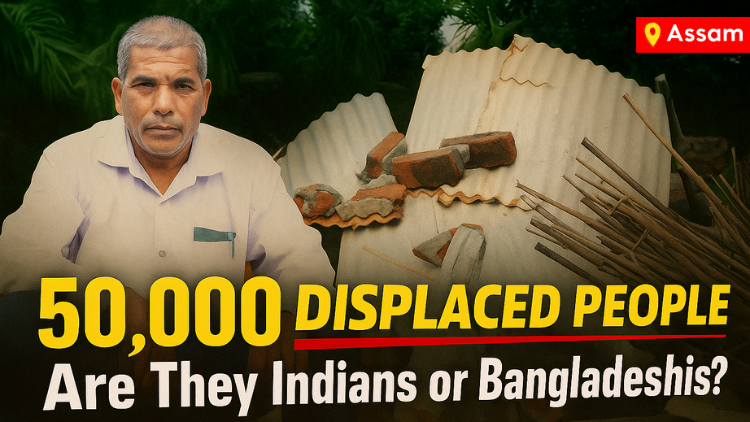


Suleman Ali lived his entire life in Hasila Beel, a village in Assam’s Goalpara district. He built his home brick by brick over years of labor, married off his daughters there, and believed his documents proved he belonged. But one morning in June 2025, bulldozers reduced it all to rubble.
Neeta Oraon lives in Nazira, a small town in Assam’s Sibsagar district. At 27, she has already spent more than a decade working in a tea garden. Her dream of becoming a nurse gave way early to the demands of poverty, debt, and family survival. She now works long hours under the sun, earning 250 rupees a day while caring for her ailing mother. Like Neeta, thousands of women in Assam’s tea gardens remain trapped in cycles of generational hardship and unseen labour.
In Assam’s Morigaon district, Jamal Uddin, a madrasa teacher from Borbori, still carries the trauma of the 1983 Nellie massacre over alleged illegal immigrants. He lost his mother, brother and sister, who were among an estimated 2,000 to 3,000 people, mostly Bengali-speaking Muslims, who were killed in a matter of hours. The issue of illegal immigration from Bangladesh remains deeply contentious in the state’s politics and society. Successive governments have carried out actions in the name of anti-terror measures, targeting the minority Muslim community and fuelling widespread suspicion against it.
To find out whether the floods that Assam faces every year are natural or man-made, Newsreel Asia producer Tej Bahadur Singh travels to Lakhimpur district, one of the worst-hit by floods. He meets a 47-year-old Toramai Pawe, an ASHA worker and daily wage laborer, in Assam’s Pahumara Ahom village, who has lived for decades, raising her children in a modest home built through years of toil. In May 2025, a sudden flood, triggered by water released without warning from the Ranganadi Dam, swept through her village.